Curated by the LissnUp Editorial Team
Mental Wellness and Self-Care
Practical strategies for managing stress, anxiety, and maintaining mental health
Overview
Mental wellness is the ordinary work of getting through weeks. It's the small maintenance most people don't schedule and don't think about until something starts to slip. The writing here covers the everyday territory: stress and anxiety when they won't quiet down, mindfulness practices that actually fit real lives, burnout when rest has stopped working, self-esteem when the internal story has gone harsh, and the slow work of bouncing back after a hard stretch. This is peer-support content, not clinical advice. Reading meant to help you name what you're feeling, understand what shaped it, and hear how other people have handled the same thing. Curated by the LissnUp Editorial Team from peer-reviewed sources.
Mental Wellness and Self-Care Articles
76 articles

How to Stop Overthinking When Your Mind Won't Shut Off
This piece looks at what overthinking actually is, why the brain keeps circling the same thoughts long past the point of usefulness, and the practical techniques that quiet the loop when it flares — grounded in what mindfulness and cognitive research say, without the pop-neuroscience shortcuts.
LissnUp Editorial Team
July 22, 20255 min read
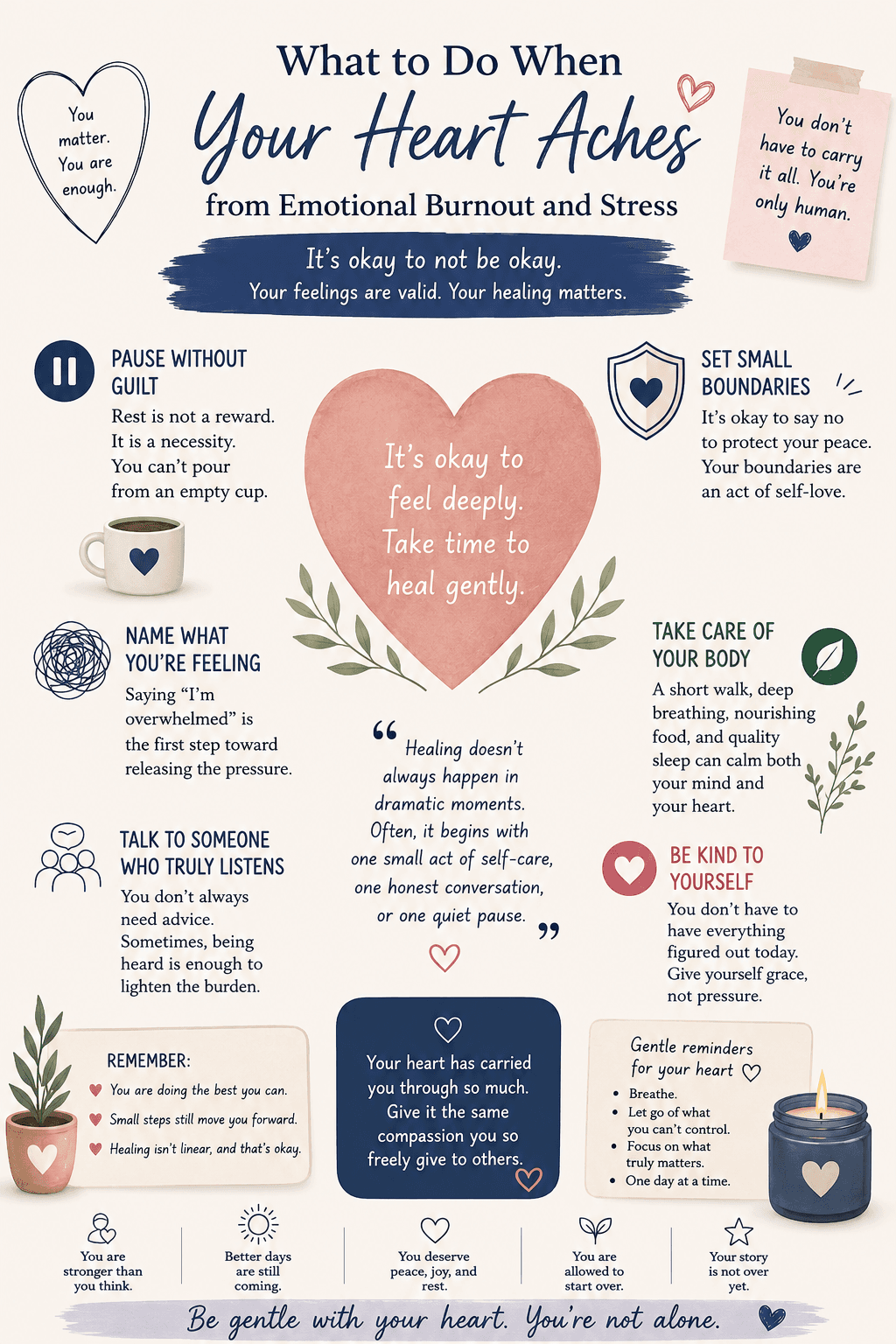
Emotional Burntout and Stress
Sometimes the ache in your chest isn't about one specific thing — it's the accumulated weight of carrying too much for too long without enough support. This post looks at what emotional burnout actually feels like, why rest isn't optional, and what tends to help when being strong has stopped working.
LissnUp Editorial Team
August 13, 20264 min read

Quick Anxiety Relief for the 'Something Feels Off' Days — Things That Actually Work
Not every anxious moment needs a therapist. Some days you just wake up with a buzz in your chest, or something lands wrong at 3pm, and you need to bring the level down without dropping everything. Here's the short list of things that actually help in real time — and the honest note about when they're not enough.
LissnUp Editorial Team
July 28, 20254 min read

Why Little Stresses Add Up (And What Actually Helps)
Everyday stressors don't feel worth talking about — until they've stacked into something heavier. This piece looks at what happens in your body when small stresses accumulate, why they're harder to notice than big ones, and small habits that actually break the pattern.
LissnUp Editorial Team
July 6, 20255 min read

Why Do I Feel Like a Fraud at Work? Understanding Imposter Syndrome
This piece looks at what imposter syndrome actually is (and what it isn't), why the people most likely to feel it are often the ones least likely to be missing anything, and the practical shifts that quiet the voice without pretending it will disappear.
LissnUp Editorial Team
July 24, 20255 min read

My Heart Hurts and I Can't Say Why: 5 Things That Help Me Sit With It
Something happened this week and I can't stop thinking about it. Maybe it was a person, maybe a job, maybe just the drift. There's a specific ache in the chest that has no medical name. Below are the five things that helped me — and thousands of people I've listened to — put weight back on their feet.
LissnUp Editorial Team
July 18, 20254 min read

The Real Link Between Stress and Back Pain — Without the Fabricated Statistics
The connection between chronic stress and back pain is genuinely well-established. It's also the topic of an enormous amount of wellness content that makes up specific percentages and attributes them to prestigious institutions. Here's the honest read on what the mind-body connection actually is, and what to do about it.
LissnUp Editorial Team
April 2, 20245 min read
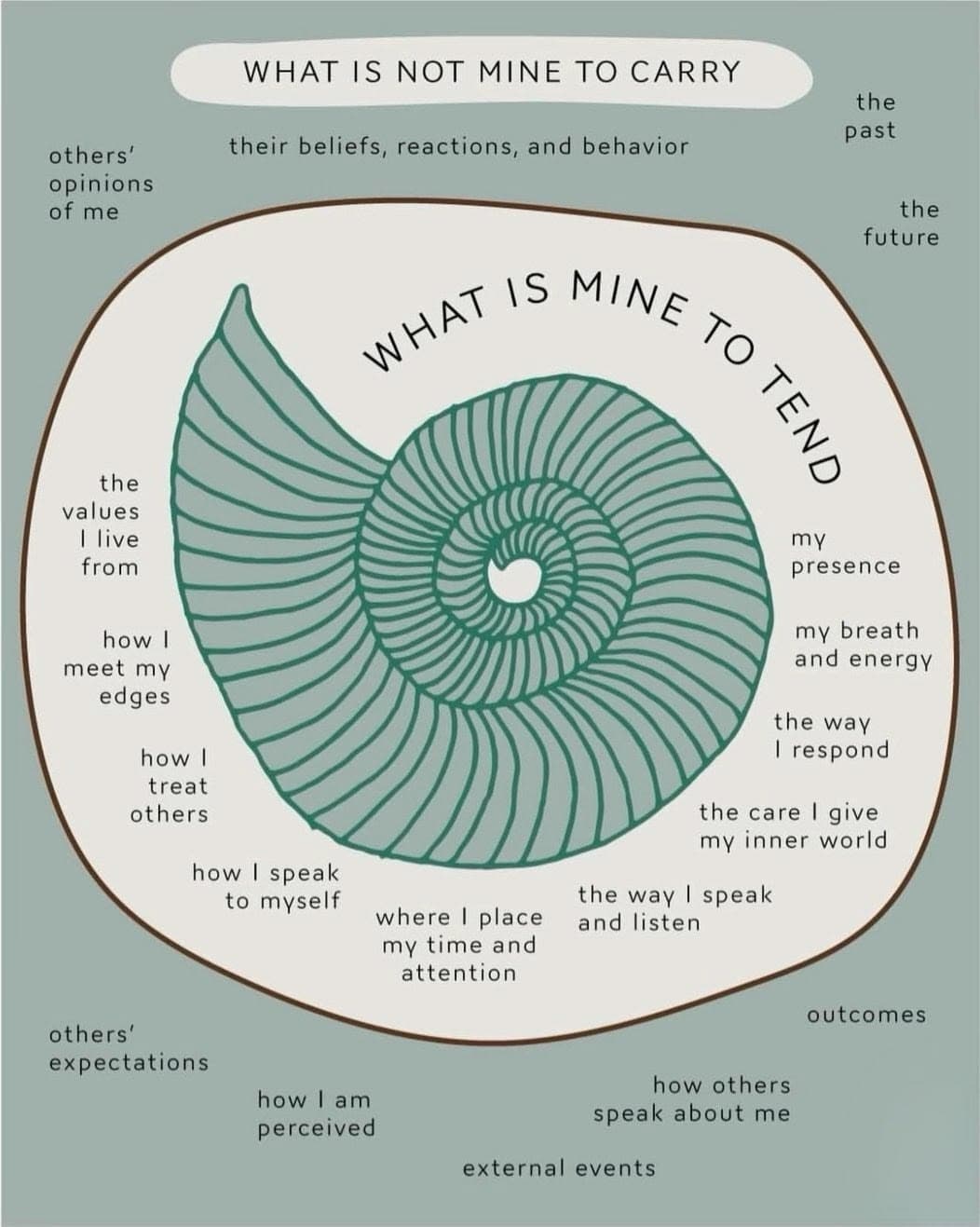
Not everything that weighs on you is yours to carry.
Some of what's weighing on you isn't actually yours — it's borrowed worry, absorbed expectation, or energy spent managing things that were never in your hands. This post breaks down the simple but easy-to-forget distinction between what you can genuinely influence and what you'd be better off putting down.
LissnUp Editorial Team
August 13, 20263 min read

Nervous System 'Healing' Without the Wellness Hype — What Actually Helps
You've probably seen 'heal your nervous system' content everywhere lately. Some of it is genuinely useful. A lot of it overclaims what the science actually supports. Here's the honest read on what your autonomic nervous system does when you've been stressed too long — and the small, boring practices that reliably help.
LissnUp Editorial Team
August 1, 20255 min read
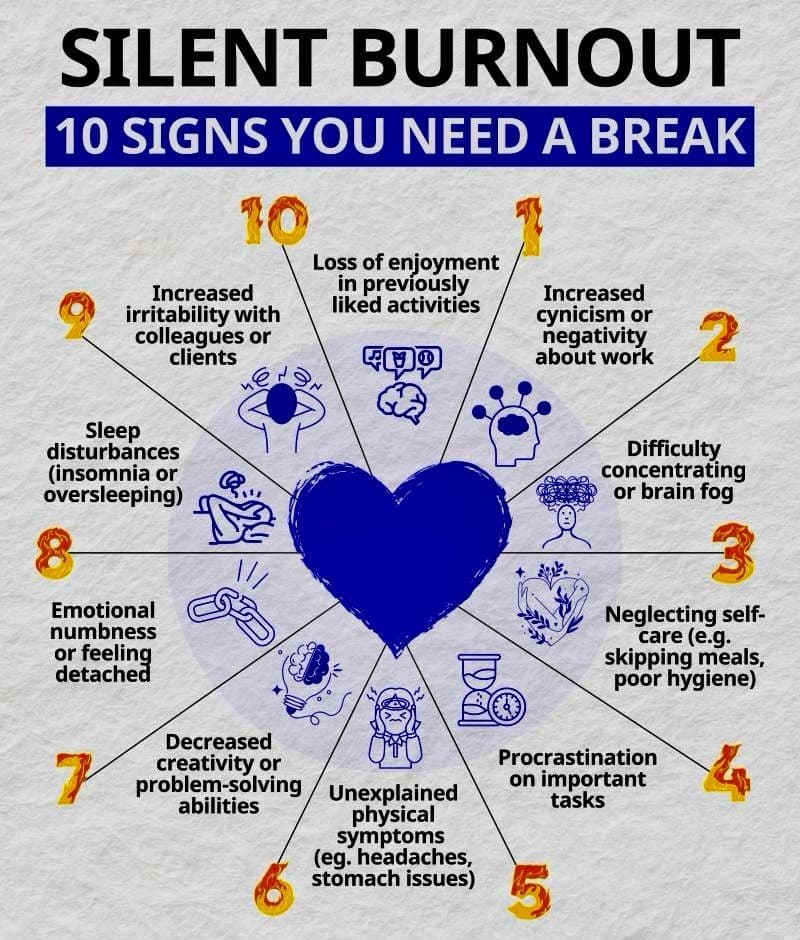
Silent Burnout: When You're Falling Apart and Nobody Can Tell
Some kinds of burnout are loud — the collapse, the tears, the leave-of-absence. Others aren't. This one wears your regular face to work and still hits deadlines. Everybody thinks you're doing great. You are not doing great. Here's how to notice it in yourself before it takes you out at the knees.
LissnUp Editorial Team
February 11, 20265 min read

Am I Just Anxious or Do I Have Anxiety? How to Tell the Difference
There's a real difference between the anxious you feel before a hard meeting and the anxious that never quite leaves. The first one is doing its job. The second one is worth checking out. Here's what actually separates the two, and how to know when it's time to get a professional in the room.
LissnUp Editorial Team
July 27, 20254 min read
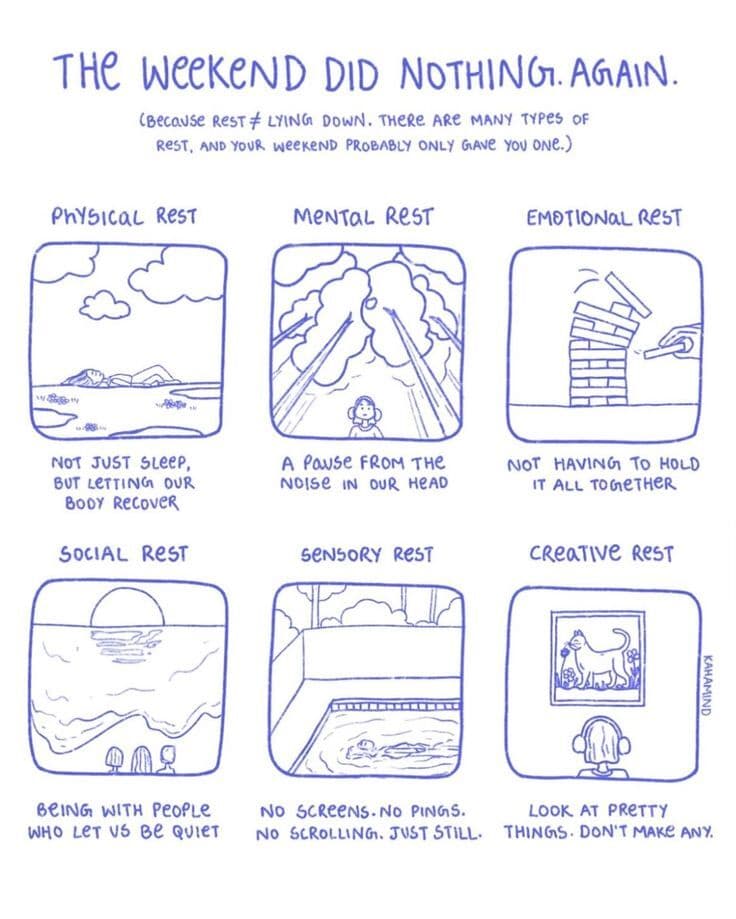
Why You're Still Tired on Monday — The Rest You Actually Needed vs the Rest You Got
You slept in, took the weekend, tried to do the rest thing right — and Monday still feels like a wall. That's usually not a discipline problem. It's a category error: sleep addresses one kind of fatigue and you were carrying a different one. Here's the actual taxonomy.
LissnUp Editorial Team
April 12, 20265 min read

Does Working Too Much Actually Damage Your Brain? What the Research Shows
This piece looks at what the research does and doesn't support about the brain effects of chronic overwork — the parts that are genuinely well-documented, the parts that get overstated in popular writing, and what the honest picture means for how to protect yourself.
LissnUp Editorial Team
July 23, 20255 min read

Is This Stress or Anxiety? How to Tell (And What Actually Helps)
You say "I'm stressed" and you say "I'm anxious" and half the time you mean the same thing. But clinically, they're not the same — and the strategies that work for one don't always work for the other. This piece breaks down the real difference, why it matters for how you get help, and what to do when you're honestly not sure which one you're dealing with.
LissnUp Editorial Team
July 17, 20256 min read
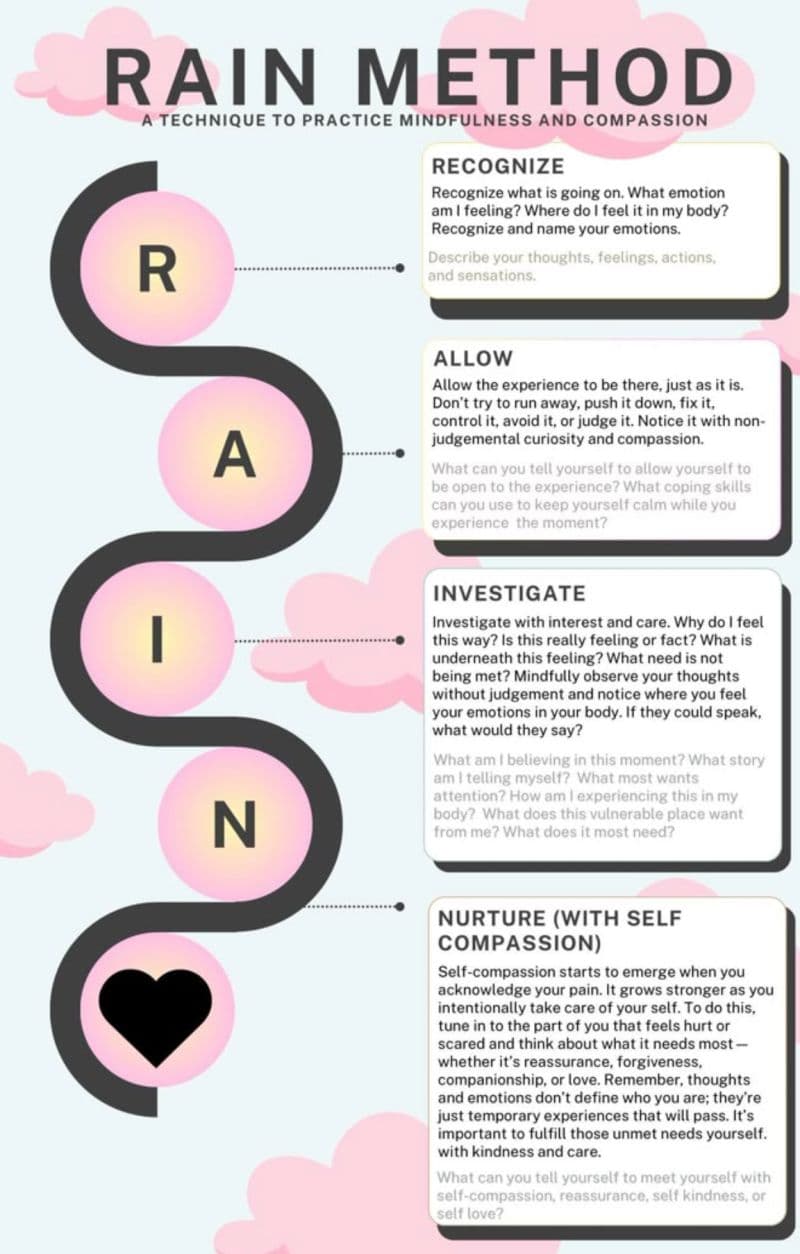
The RAIN Method for Difficult Emotions — What It Is, When It Helps, When It Doesn't
The RAIN method — Recognize, Allow, Investigate, Nurture — is one of the more useful things to come out of the mindfulness-and-self-compassion literature. It's simple, it fits in a couple of minutes, and it doesn't require you to already be good at meditating. Here's the honest read on what it does and when to reach for it.
LissnUp Editorial Team
April 10, 20265 min read

Why Talking Through Fear Actually Helps — And When It's Enough on Its Own
Fear loses a specific kind of power the moment you say it out loud to someone who isn't going to argue with it. This is one of the more consistent findings across anxiety research, and it explains why so many people who 'know all the coping techniques' still benefit from the more basic act of being heard.
LissnUp Editorial Team
April 16, 20246 min read
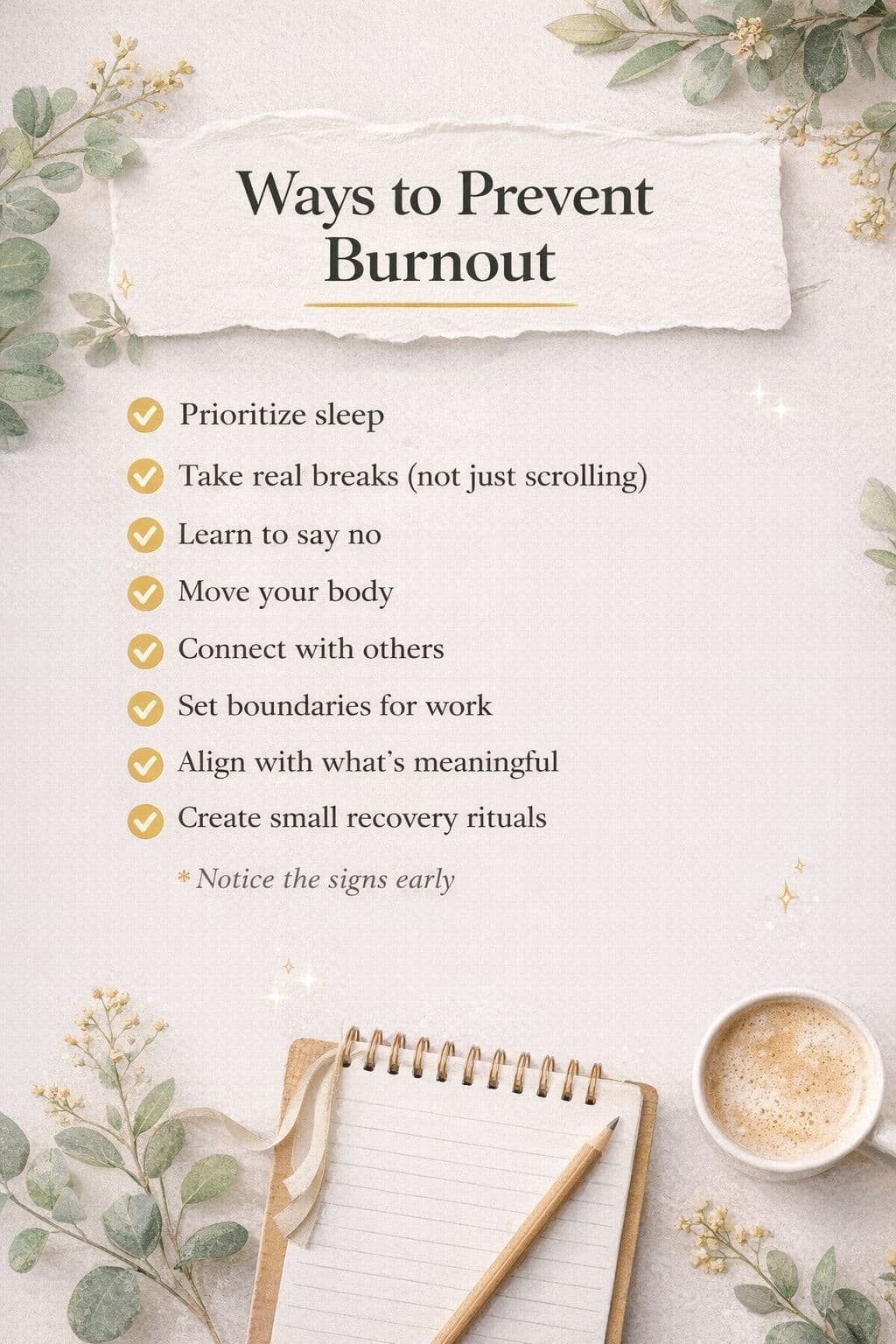
How to Catch Burnout Before It Catches You — the Early-Warning Guide
Nobody wakes up on Tuesday burnt out. It builds slowly across weeks and months of ignored signals, until suddenly you can't do the thing you used to do easily. Here's what the early-warning phase actually looks like and what to do about it before you're too depleted to act.
LissnUp Editorial Team
April 10, 20265 min read
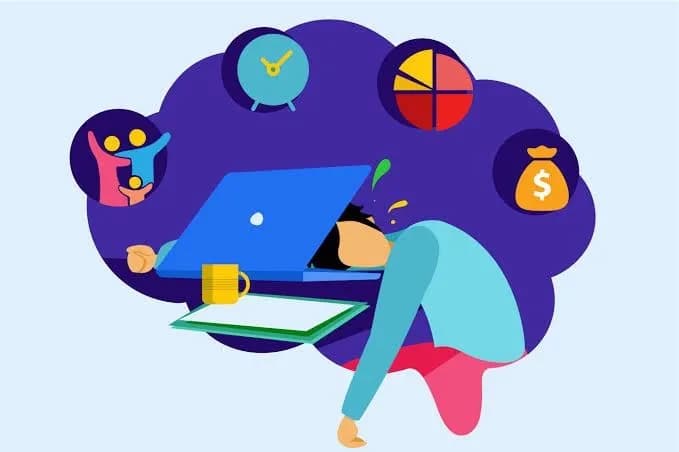
Why Working From Home Is Wrecking Your Mental Health (And What Helps)
Working from home was supposed to be freedom. For a lot of people, it's turned into something quieter and heavier — days without a real conversation, weeks without leaving the house, and a low hum of anxiety that self-care advice doesn't seem to touch. This piece looks at what's actually happening to remote workers' mental health, and what genuinely helps.
LissnUp Editorial Team
July 12, 20256 min read
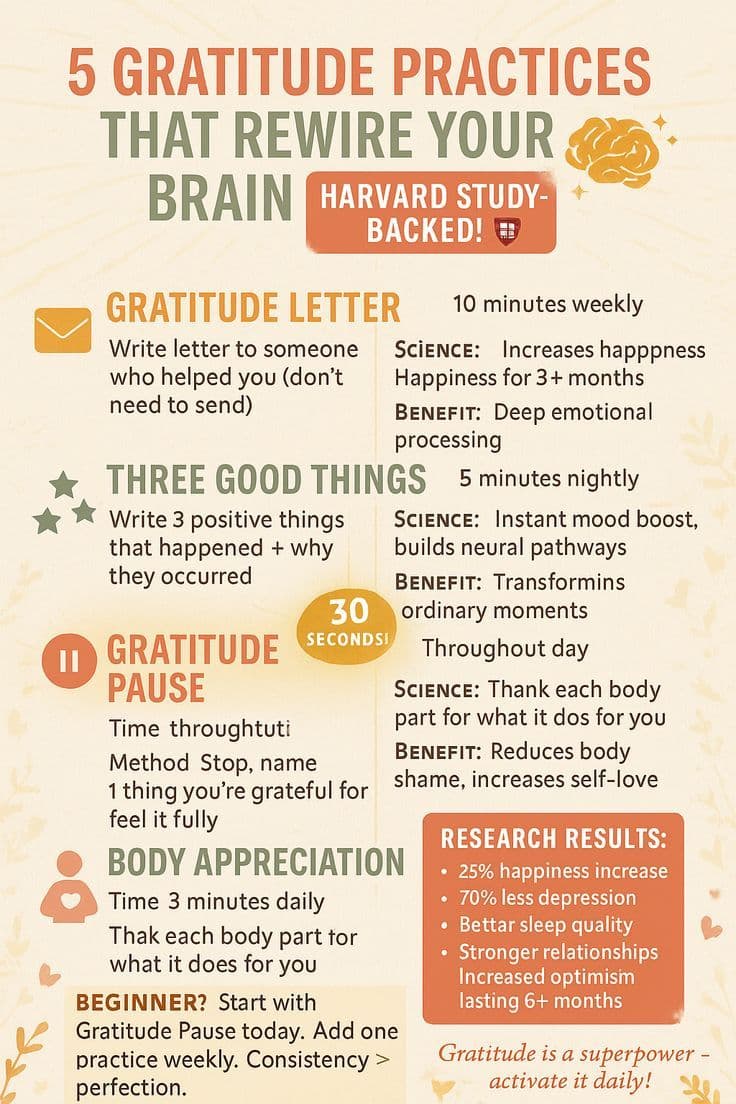
Gratitude for People Who Are Suspicious of Gratitude Content
The wellness internet has mostly ruined 'gratitude' as a word — turned it into forced positivity you're supposed to feel about a bad day. The actual research on it is more interesting and much less annoying. Here's the honest version of what gratitude practice does and doesn't do.
LissnUp Editorial Team
April 10, 20265 min read

Why Walking Helps You Process Feelings You Can't Sit Still With
There's a specific kind of emotional weight that gets heavier if you try to sit with it — the mind spirals, the body tightens, and the whole thing amplifies. Walking is one of the few reliable ways to move through that state without either suppressing it or getting stuck in it. Here's why the research keeps landing on this, and how to actually use it.
LissnUp Editorial Team
March 15, 20255 min read

Why Can't I Forget What He Said to Me? The Science of Painful Memory
This piece looks at why painful memories stick more vividly than good ones, what the research actually supports about memory and emotion, and gentle approaches to healing that don't require erasing what happened.
LissnUp Editorial Team
July 25, 20255 min read
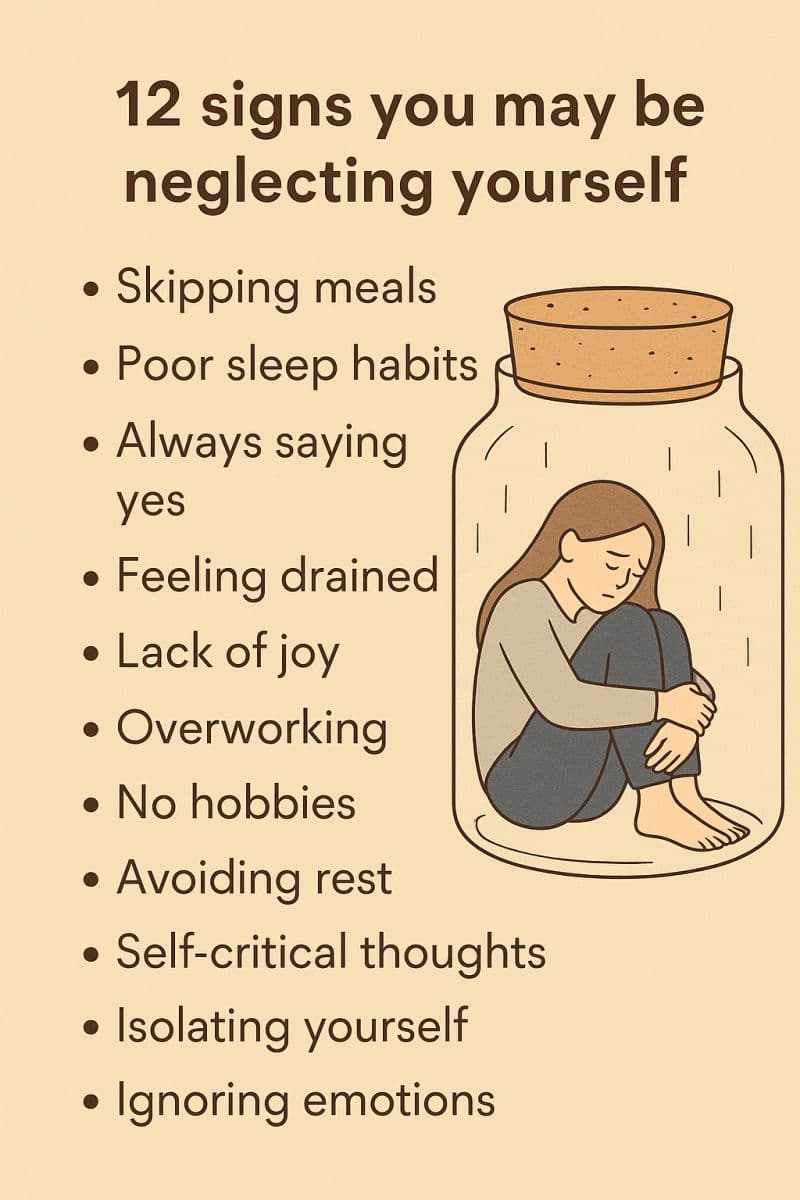
Self-Neglect Doesn't Feel Like a Crisis Until It Suddenly Is — Where It Actually Costs You
Nobody wakes up one day and decides to neglect themselves. It builds slowly — a missed meal here, a lost hour of sleep there, one more thing added to the load. Then months later everything is a little harder than it should be and you can't quite say why. Here's where the damage actually happens.
LissnUp Editorial Team
March 18, 20265 min read

What Teenagers Wish Adults Actually Knew (In Their Words)
The gap between what teenagers are actually going through and what adults think is going on is usually wider than either side realizes. This piece is a translation — six things teenagers consistently wish the adults in their life understood, and what those things sound like when a teen tries to say them out loud.
LissnUp Editorial Team
July 6, 20255 min read

Why It's So Hard to Say I'm Not Okay
The words 'I'm not okay' can be surprisingly hard to say out loud, even when they're true. This article looks at why that clamp happens, what suppressing feelings costs over time, and small ways to start being honest — first with yourself, then with someone you trust.
LissnUp Editorial Team
July 6, 20254 min read

How to Say No to Friends Without Losing Them: Adult Peer Pressure
This piece looks at peer pressure past high school — the work happy hour where you're driving, the friend group that keeps planning trips you can't afford, the pattern of saying yes to things that don't fit. What it actually is, why it stays hard, and what actually helps.
LissnUp Editorial Team
July 21, 20255 min read
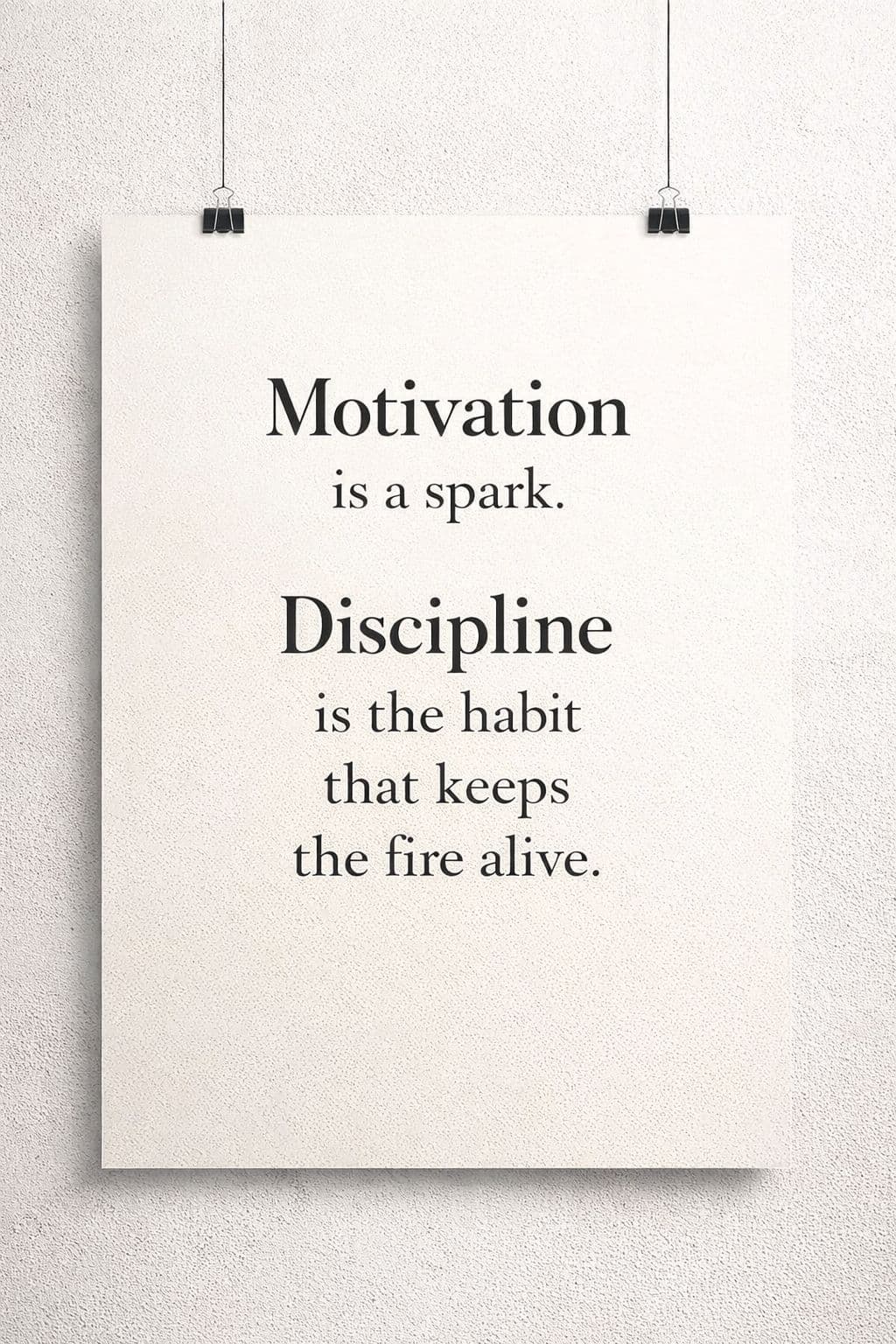
Why Discipline Beats Motivation on the Days You Don't Feel Like Doing It
Motivation is what you feel on the good days. Discipline is what shows up on the medium and bad ones. Most of the meaningful things people build in a life get built on the medium and bad days. Here's why, and what to do when the motivation isn't there.
LissnUp Editorial Team
March 17, 20264 min read
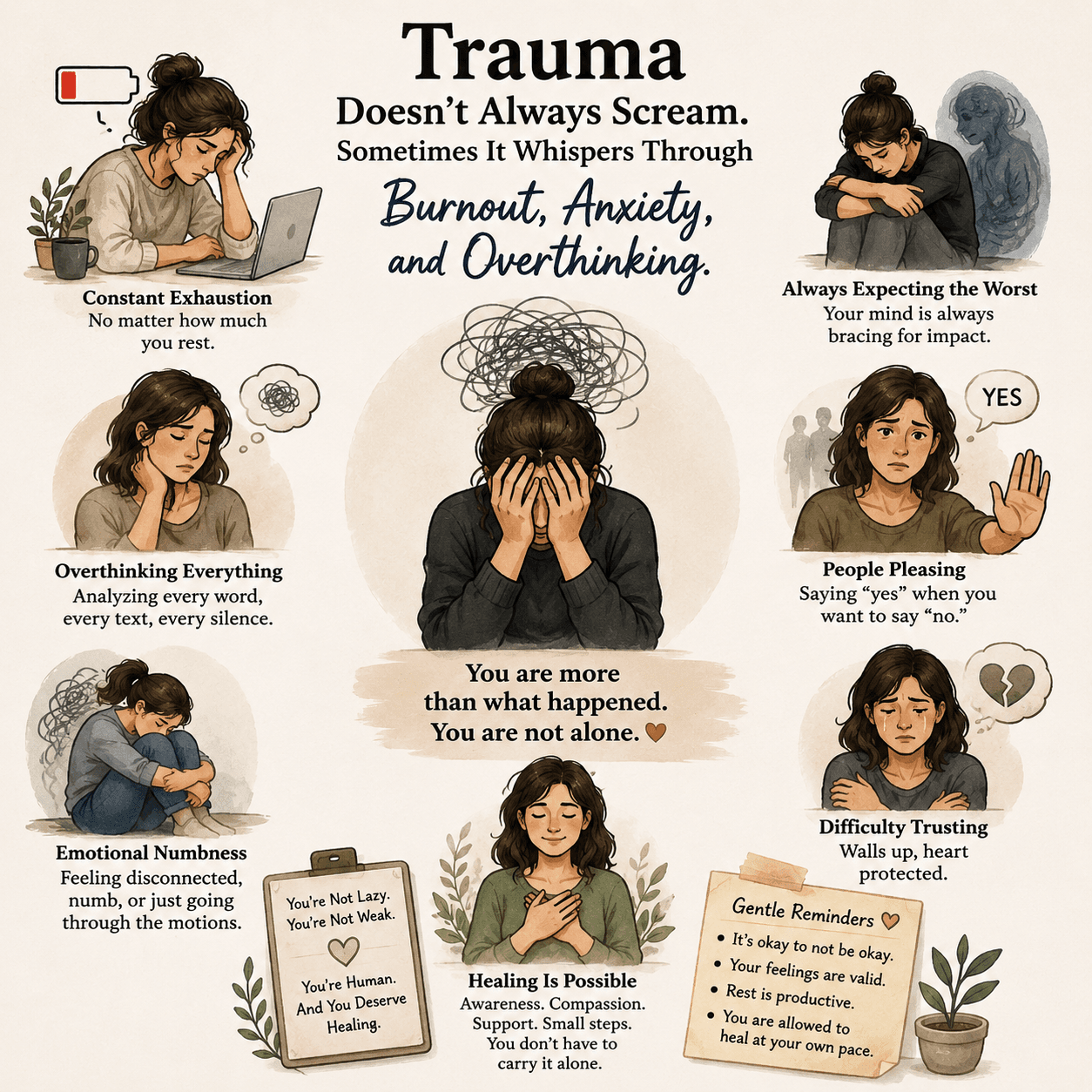
Trauma doesn’t Always Scream
Trauma doesn't always announce itself with a clear memory or a named event — sometimes it shows up as chronic guilt, people-pleasing, or a constant low hum of dread. This post looks at the quieter ways trauma reshapes everyday thinking, and why changing the question you ask yourself can change everything.
LissnUp Editorial Team
August 13, 20263 min read
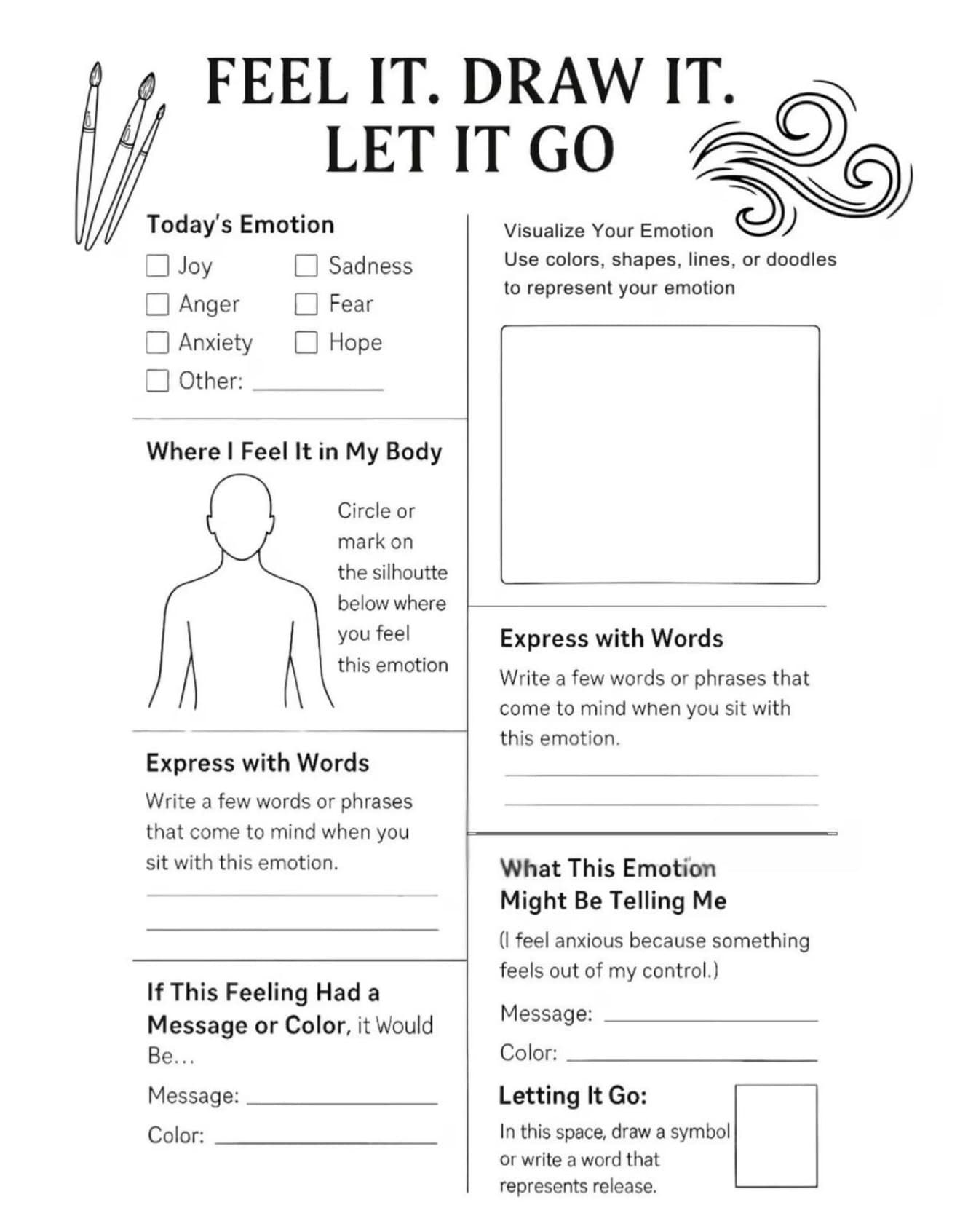
Name It. Feel It. Draw It. Let It Go — A Practice for Emotions Too Big for Words
Sometimes a feeling is too big or too vague to put straight into words. This is a short practice for those moments — a multi-step way to name, locate, express, and eventually release an emotion so it becomes something you can work with, not just something happening to you.
LissnUp Editorial Team
July 24, 20263 min read
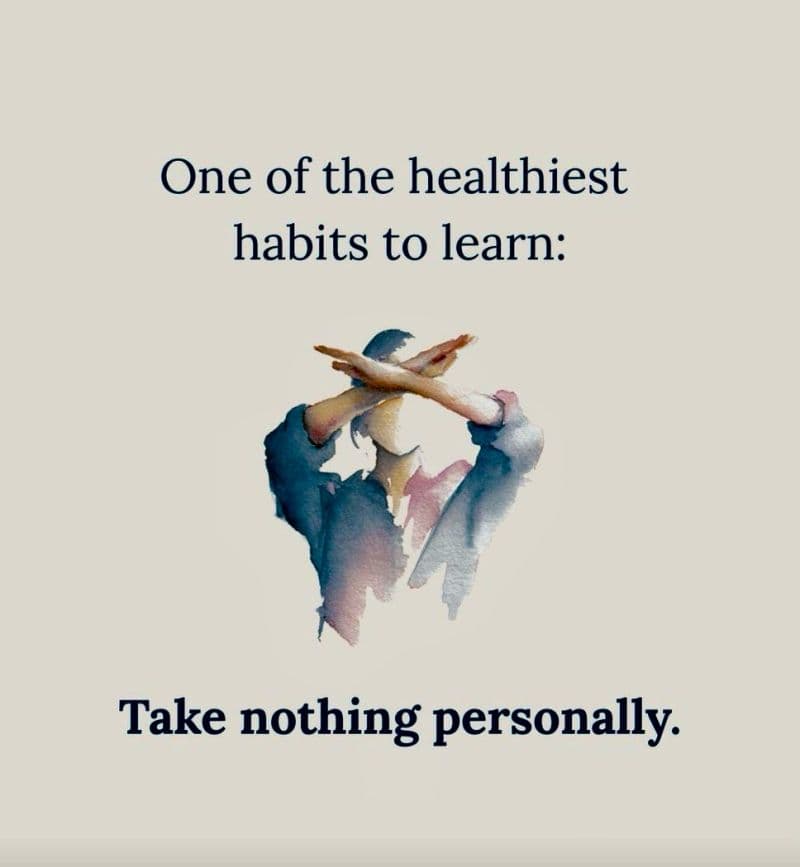
How to Stop Taking Everything at Work Personally (Without Becoming a Robot)
Most of what feels personal at work isn't. It's other people's pressure, deadlines, and internal weather showing up in your inbox. Learning to tell the difference — without becoming callous — is one of the highest-leverage career habits there is.
LissnUp Editorial Team
March 16, 20264 min read

Why Do I Have Zero Motivation Lately? Daily Habits That Actually Help
This piece looks at daily habits that reliably support motivation, focus, and mood — with an honest read on what the research does and doesn't say about dopamine, and less of the pop-neuroscience 'boost your levels' framing that oversimplifies how the system actually works.
LissnUp Editorial Team
July 24, 20256 min read

Can Old Trauma Cause Chronic Illness Years Later? What the Research Shows
This piece looks at what a long line of research — the CDC-Kaiser Adverse Childhood Experiences work and its follow-ups — has documented about how trauma continues to affect the body decades after the events themselves ended, and what the honest picture of healing looks like.
LissnUp Editorial Team
July 22, 20255 min read

How Chronic Stress Actually Affects Your Hormones — And What Helps
This piece looks at what sustained stress actually does to the hormone systems in your body — cortisol, insulin, thyroid, sex hormones, oxytocin — and the lifestyle changes that support recovery. Educational, not medical advice: persistent symptoms belong in a clinician's office, not an article.
LissnUp Editorial Team
July 23, 20255 min read
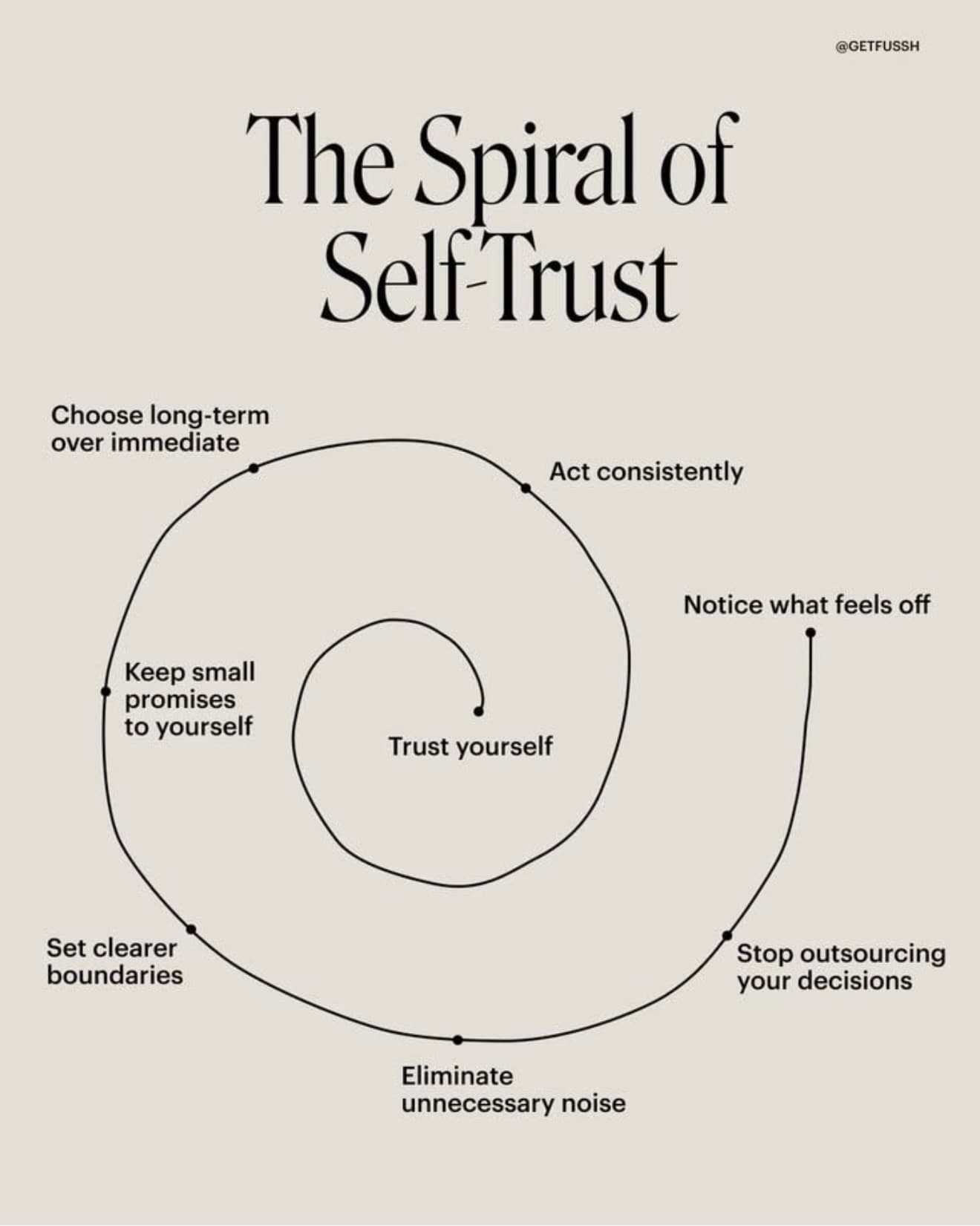
The Spiral of Self-Trust — Why It's Built From Kept Promises, Not Confidence
Self-trust isn't a personality trait you either have or don't. It's built one small kept promise at a time — the accumulated behavioural evidence that you can rely on yourself. Which also means it's built, or eroded, in the tiny everyday choices most people don't notice they're making.
LissnUp Editorial Team
July 18, 20263 min read
The Underrated Ingredient in Emotional Resilience — And Why Most Advice Skips It
Most emotional-resilience advice is a list of things you do by yourself — meditate, journal, breathe, be grateful. All useful. All also missing the strongest predictor of actual resilience, which the research keeps pointing at and most content keeps skipping. Here's the honest version.
LissnUp Editorial Team
June 12, 20246 min read

Why Does Instagram Make Me Feel Bad About Myself? The Psychology of the Scroll
This piece looks at what social platforms actually do to attention and self-esteem — the design choices, the comparison patterns, what the research does and doesn't support — and the strategies that make scrolling less costly without demanding you delete every app.
LissnUp Editorial Team
July 22, 20255 min read

Why You React Like a Scared Kid at 35: Childhood Trauma in Adult Life
You have a full life. You've done real work on yourself. And still, a certain tone in someone's voice can drop you back into feeling six years old. This piece is for the adult you are now trying to make sense of the child you were — how early experiences reshape adult reactions, why healing is possible, and where to start when the patterns feel bigger than you.
LissnUp Editorial Team
July 19, 20254 min read

How to Support Aging Parents Emotionally — When Listening Matters More Than Fixing
When a parent shares something hard about aging, the reflex to solve it is almost automatic. Most of the time it's the wrong move. What most aging parents actually need — and what most adult children never quite manage — is someone in their life who can hear the difficult thing without immediately trying to fix it.
LissnUp Editorial Team
May 13, 20247 min read

Managing Everyday Anxiety — Why Talking It Out Reliably Helps
Everyday anxiety — the background hum kind, not the clinical kind — responds to something surprisingly simple: saying it out loud to someone who isn't going to fix it. The mechanism is real, the effect is documented, and most people never quite arrange it deliberately. Here's why it works.
LissnUp Editorial Team
June 17, 20245 min read

Why Being Heard Feels So Good (And What It Does to Your Brain)
The experience of being heard has real neurobiological effects: lower cortisol, oxytocin release, and a shift out of hypervigilance. This article looks at what makes some listening healing where other conversations aren't, and how to recognize the kind of attention that helps.
LissnUp Editorial Team
July 6, 20255 min read

How to Actually Support Someone With Mental Health Struggles — What Helps, What Doesn't
Most people who love someone with mental-health struggles want to help and don't know how — so they default to fixing, reframing, or reassuring. All three usually make the person feel less supported, not more. Here's what actually works, and when to bring in a professional.
LissnUp Editorial Team
February 28, 20256 min read
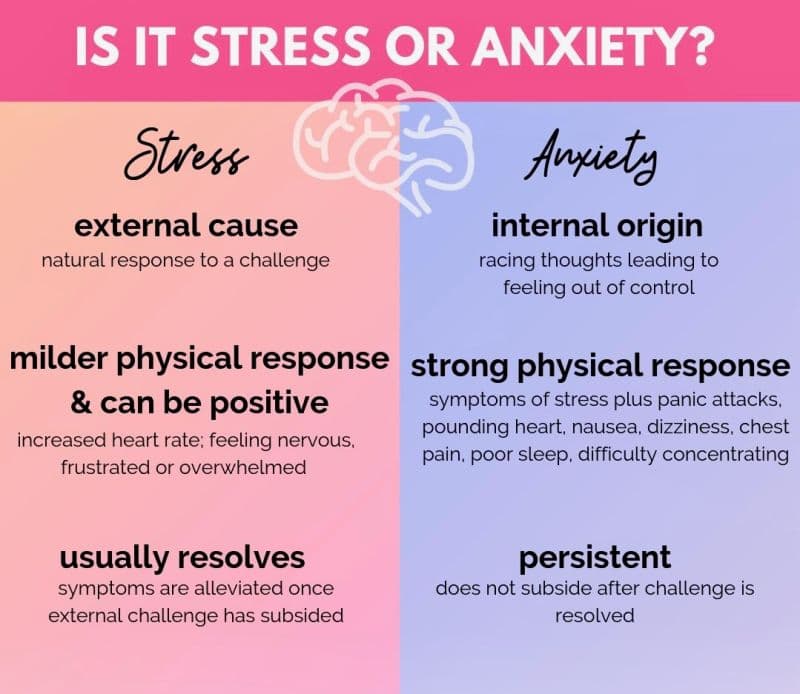
Am I Stressed or Anxious? A One-Minute Way to Tell the Difference
People use 'stressed' and 'anxious' the same way in conversation, but they behave differently — and the thing that helps for one won't touch the other. Here's the short version of how to tell which one you're in.
LissnUp Editorial Team
February 14, 20263 min read
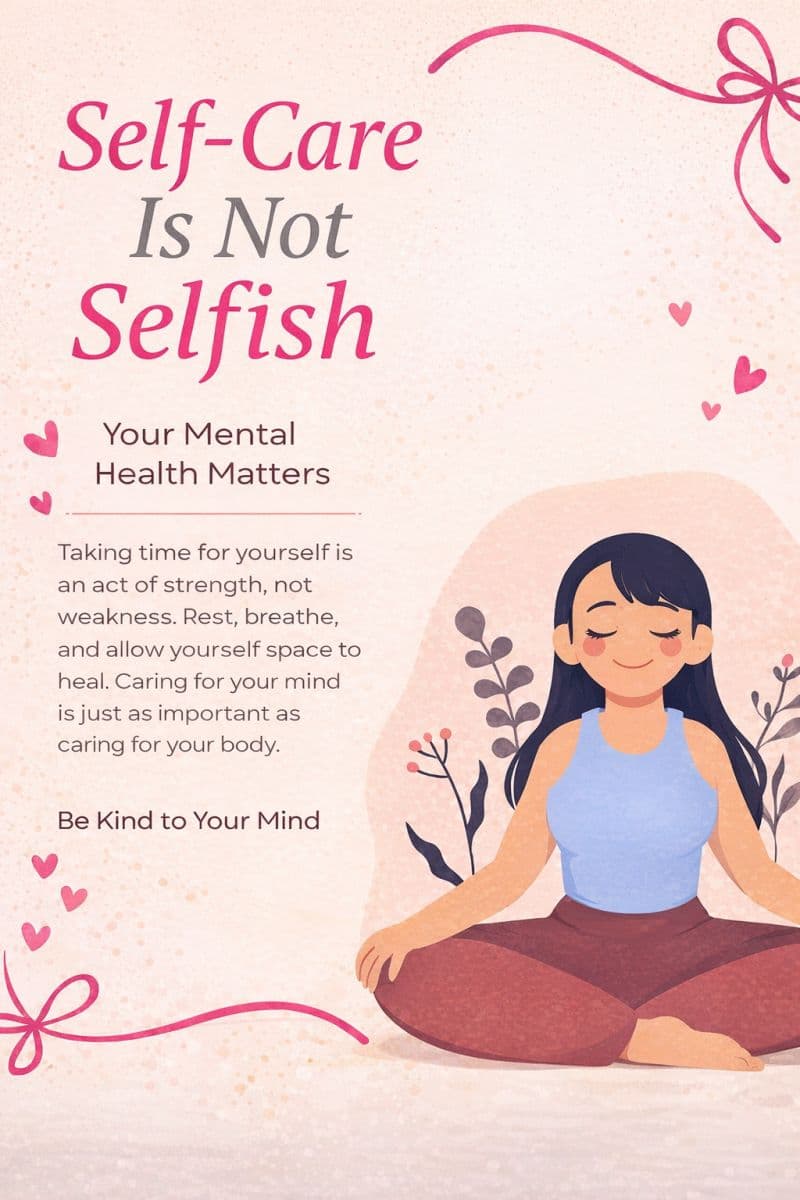
Self-Care Is Maintenance, Not a Reward You Have to Earn
Most of us treat self-care the way we'd treat a spa day — a reward for surviving something hard. Actually it's more like brushing your teeth: the routine, unglamorous version prevents the emergencies that make people think self-care is dramatic in the first place.
LissnUp Editorial Team
March 16, 20264 min read

Why a Really Good Laugh Feels Like Something Cracked Open — And What's Actually Happening
You know the specific kind of laugh — the one that leaves your ribs sore and your shoulders in a different place than they were ten minutes ago. It isn't magic and it isn't a substitute for therapy. But research on what laughter does to the body is more real, and more useful, than most of the internet gives it credit for.
LissnUp Editorial Team
July 26, 20255 min read
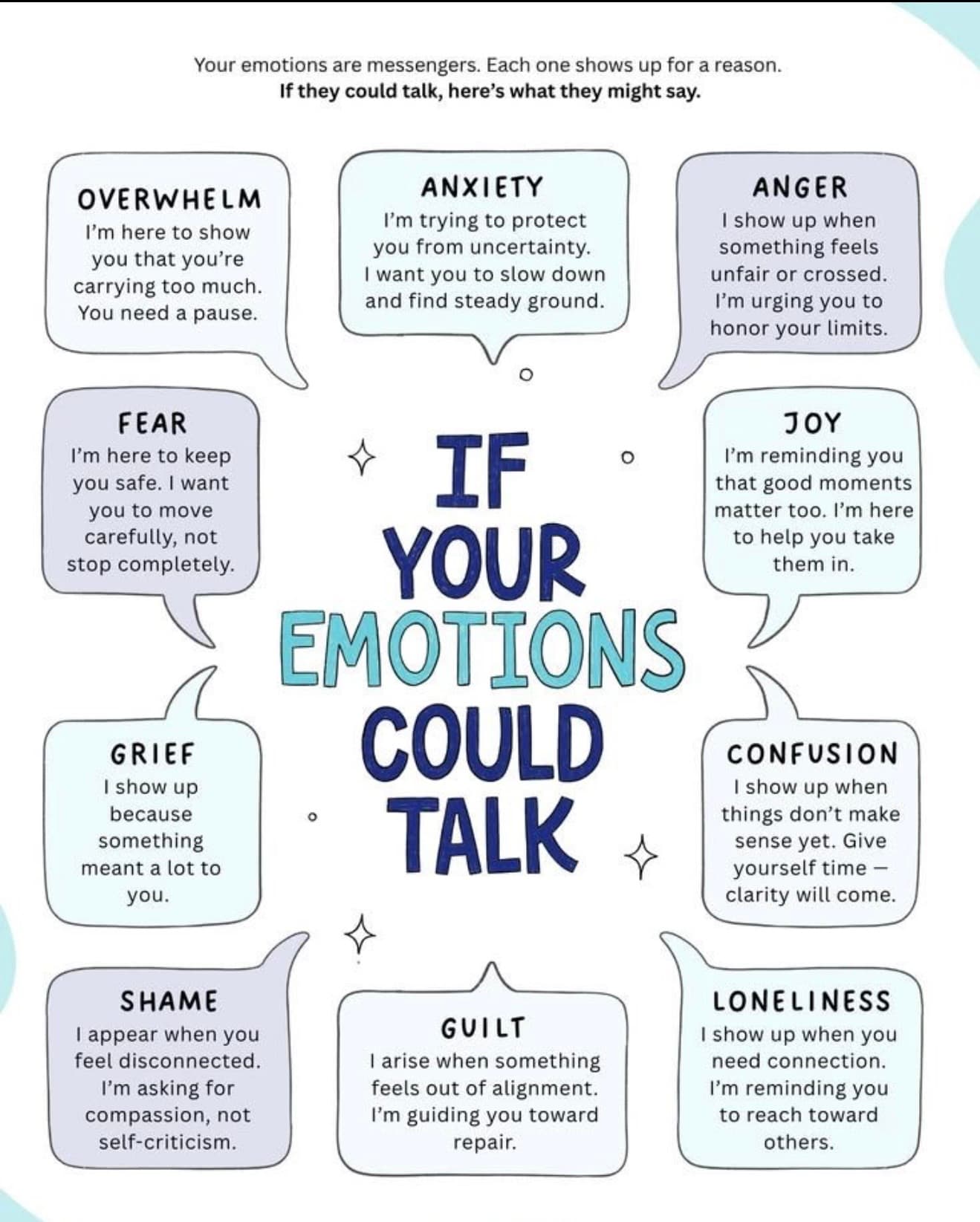
If Your Emotions Could Talk — What Each One Is Actually Trying to Tell You
Emotions aren't always accurate reports of what's happening. They are almost always worth listening to. Anxiety, anger, grief, shame — each one carries a signal about what your inner system is registering. Here's a short guide to what yours might be trying to say.
LissnUp Editorial Team
July 22, 20263 min read
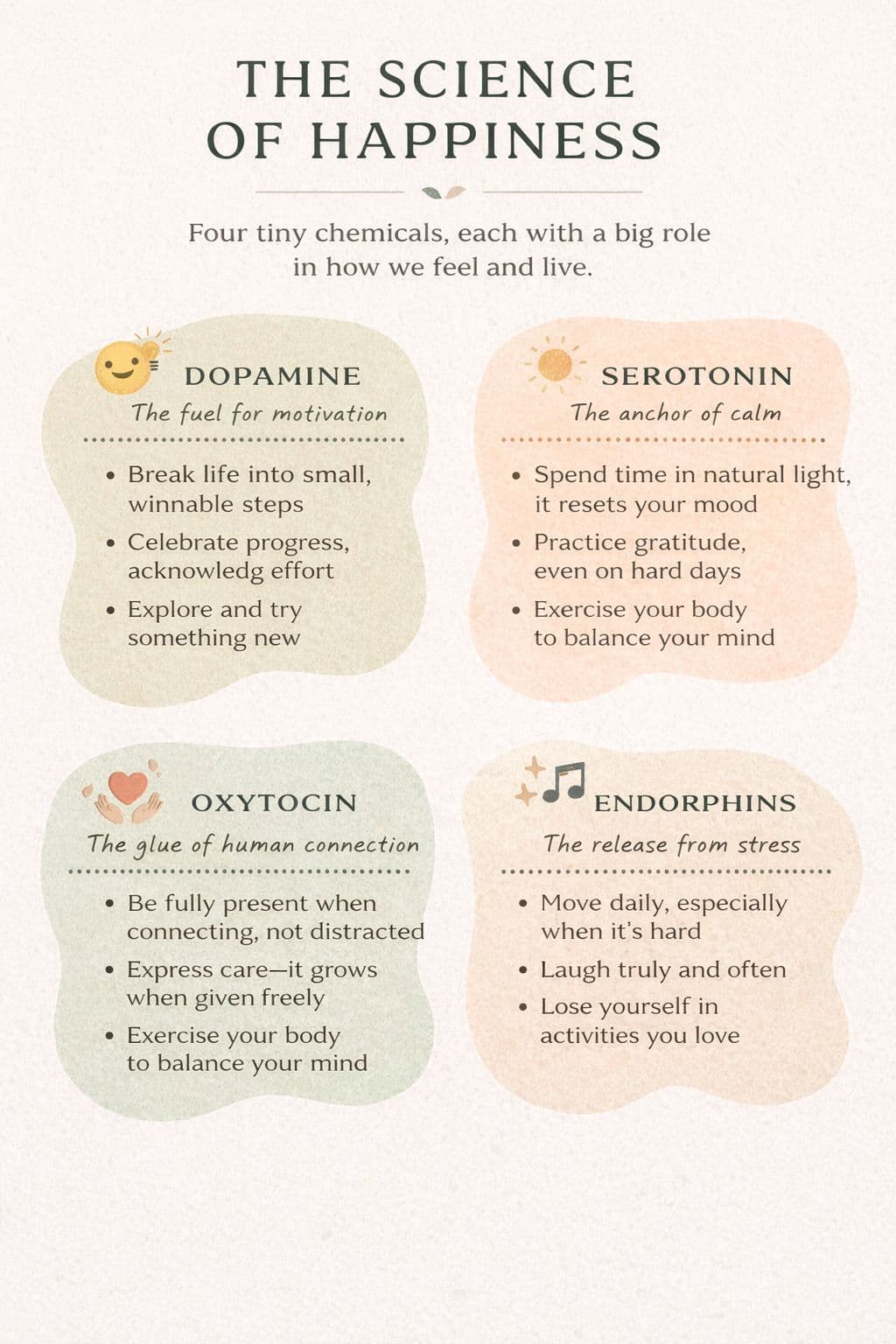
The 'Four Happy Chemicals' Story — What's True, What's Oversimplified, and What Actually Helps
You've seen the 'four happy chemicals' explainer — dopamine, serotonin, oxytocin, endorphins, and the tidy list of habits for each. Most of it is roughly true and dramatically oversimplified. Here's the honest read on what these neurotransmitters actually do and what actually moves the needle on wellbeing.
LissnUp Editorial Team
March 22, 20266 min read

What Being Heard Actually Feels Like — And Why So Many People Don't Get It Often
There's a specific difference between being heard by someone and being processed by them. Most people can tell the difference in their body within a minute of a conversation. And most people don't get the first kind nearly as often as they need to.
LissnUp Editorial Team
March 26, 20264 min read

Why Your Brain Needs a Digital Detox: What Constant Screens Actually Do
This piece looks at what constant screen use actually does to attention, focus, and sleep — what the research supports and what it doesn't — and the practical strategies for reclaiming some of the mental space the always-on default has been costing.
LissnUp Editorial Team
July 22, 20255 min read

What to Do When Someone Won't Let You Finish a Sentence
You start a sentence and it doesn't finish. You try to explain what happened and get cut off before the third word. Over time, being talked over stops feeling like just an annoyance and starts feeling like being erased. This piece walks through why some people can't hear you, what actually works in the moment, and when to stop trying.
LissnUp Editorial Team
July 14, 20256 min read
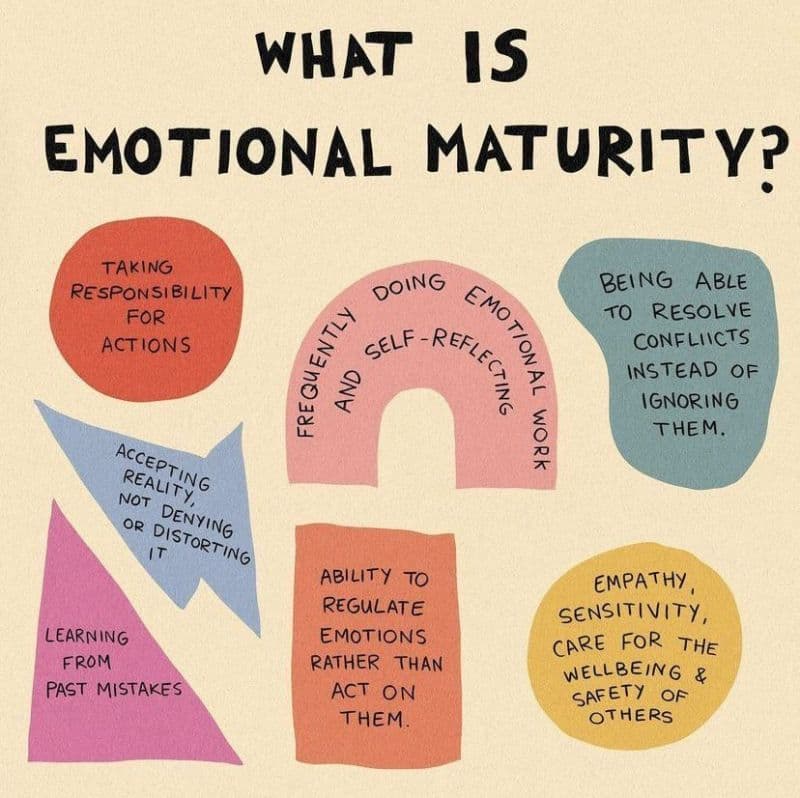
What Emotional Maturity Actually Looks Like — Not the Version You Think
Most people picture emotional maturity as always being calm, always being right, never getting overwhelmed. That's not maturity — that's suppression pretending to be maturity. The real version is messier, more honest, and much more useful.
LissnUp Editorial Team
April 11, 20265 min read

How to Support a Loved One With Autism or ADHD (Without Trying to Fix Them)
Loving someone with autism or ADHD often comes with the sense that you're missing something obvious — a way to help that keeps eluding you. This piece is for the family members and friends who want to actually support, not just tolerate or try to fix. Concrete ways to help, common mistakes that read as care but land as harm, and the differences neurotype makes to what "support" actually means.
LissnUp Editorial Team
July 13, 20256 min read
Empathy Isn't a Soft Skill — It's the One That Makes Every Other Skill Actually Work
We treat empathy like a personality trait — something you either have a lot of or you don't. Actually it's a skill, it's teachable, and it's what quietly holds the rest of what we call 'communication' and 'leadership' together. Here's why that matters and what to do about it.
LissnUp Editorial Team
March 16, 20264 min read
Never have we been more connected—and yet so many still feel completely unheard.
You can be reachable around the clock, surrounded by people, and still go to sleep feeling like nobody actually got what you were trying to say. This post is about why being connected and being heard are two completely different things — and what genuine listening actually looks like.
LissnUp Editorial Team
August 14, 20263 min read
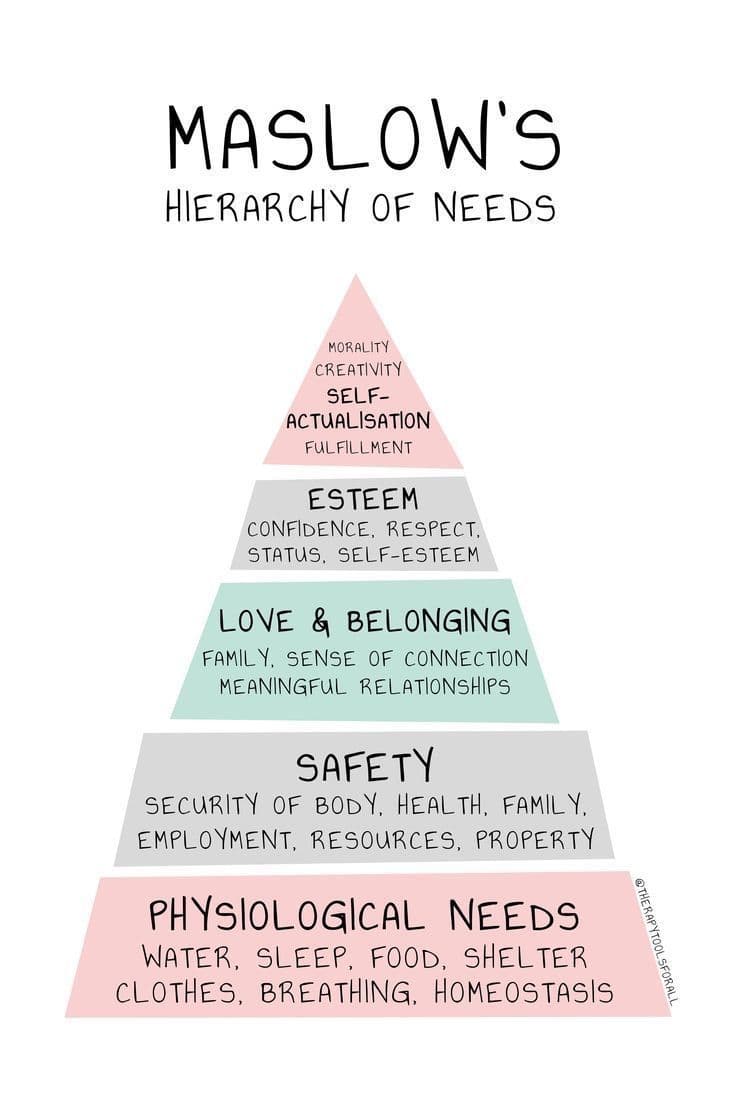
The Maslow-Hierarchy Check-In That Solves Most 'Random' Bad Days
Maslow's hierarchy of needs is one of those things everyone learned in school and no one applies. Used as a real check-in — 'which level of need have I actually been meeting?' — it solves a surprising percentage of the mystery bad days people otherwise try to think their way out of.
LissnUp Editorial Team
April 12, 20265 min read
The Habit of Making Yourself Smaller — and What It Actually Costs You
Most people learn very young that being liked requires editing yourself in real time. It works, in a limited sense — you get to belong. What you don't notice at the time is what it costs, and how much longer the compounding bill runs than the temporary safety it buys.
LissnUp Editorial Team
March 21, 20265 min read
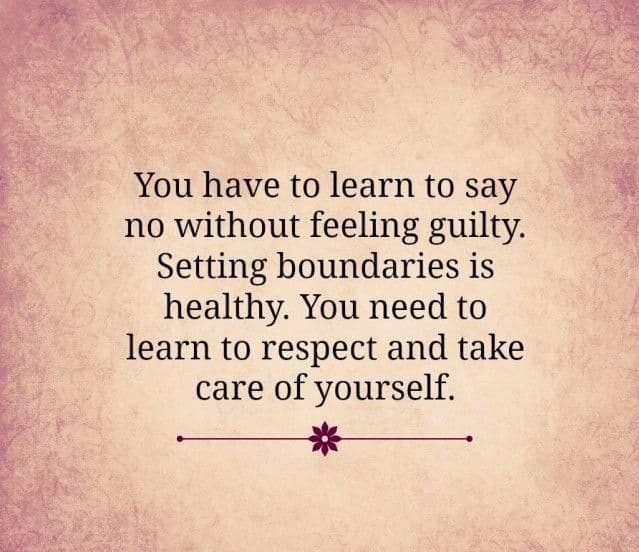
How to Say No Without Feeling Like a Bad Person — and Why Nobody Teaches This
Saying no is easy in theory and awful in practice. Most people who overcommit don't do it because they can't think of the words — they do it because the guilt of saying no lands harder than the exhaustion of saying yes. This is about the actual skill, not the aphorism.
LissnUp Editorial Team
March 18, 20264 min read
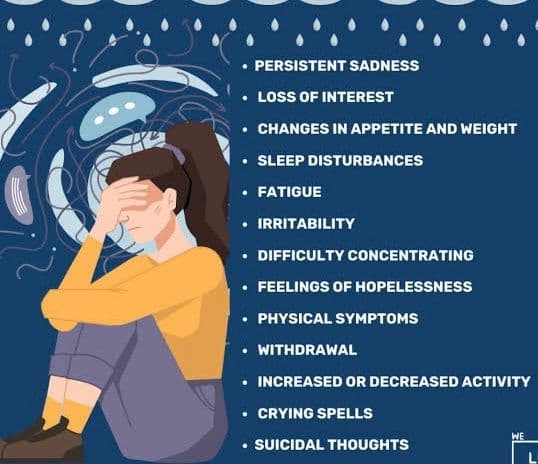
The Version of Depression That Doesn't Look Like Depression — Signs Worth Knowing
The classic picture of depression — someone crying, someone visibly withdrawn — is real but incomplete. A lot of depression looks like a functional person who quietly stopped enjoying things a few months ago. Here's what the less-obvious version tends to look like, in yourself and the people around you.
LissnUp Editorial Team
March 18, 20265 min read
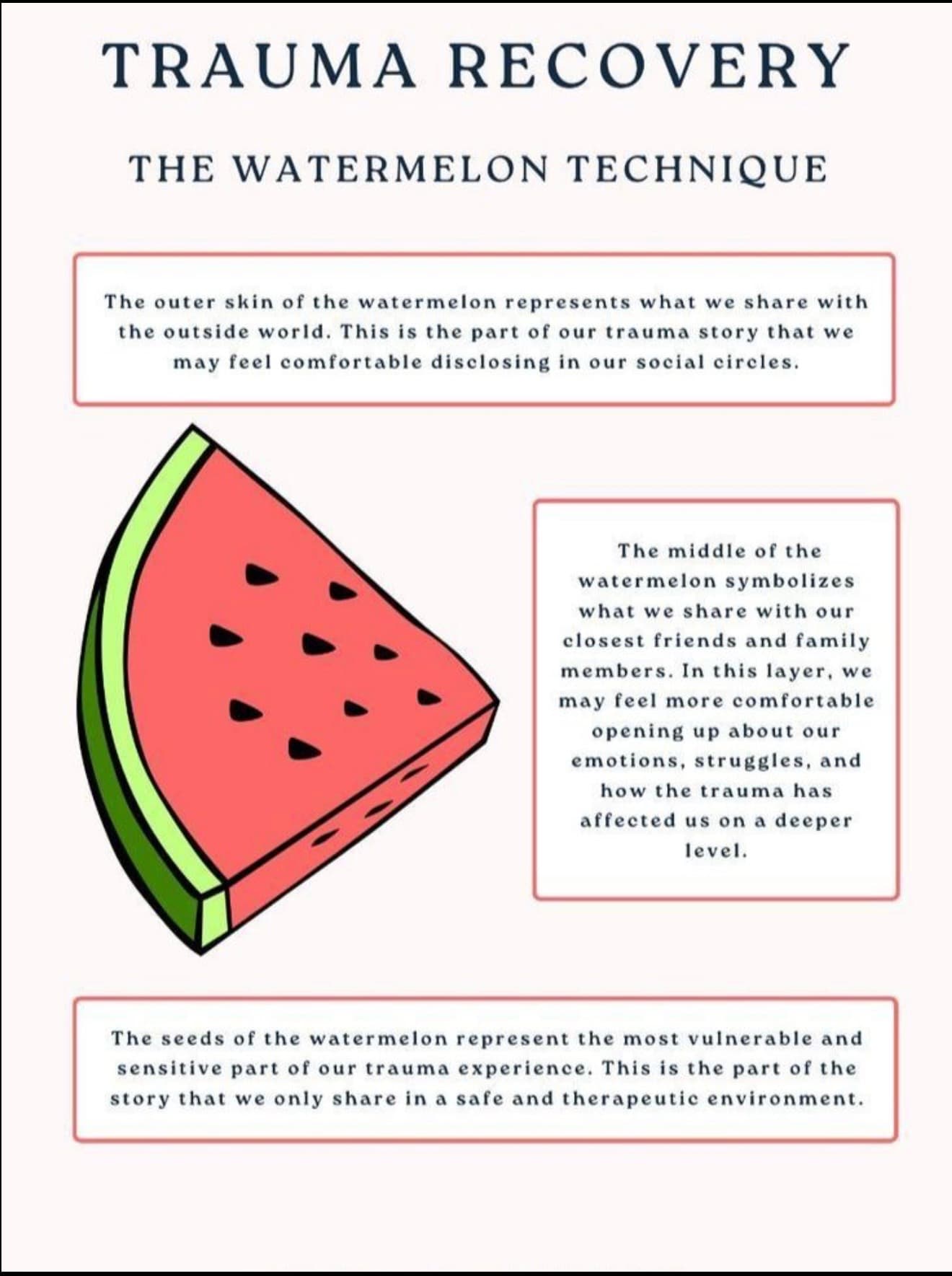
The Watermelon Technique — Why Trauma Recovery Isn't Measured by How Openly You Talk About It
Healing from trauma is not the same thing as being able to talk about it. The Watermelon Technique — a metaphor used in trauma-informed practice — offers a way to think about the different layers of your story and why you get to decide who has earned access to each one.
LissnUp Editorial Team
July 21, 20263 min read

I've Been Holding This In for Years: A Starter Guide to Actually Saying It
Nobody opens up in one dramatic scene. You do it in small, awkward pieces — figuring out what you feel, picking the one person who won't make it worse, saying the first ugly sentence and then the next one. That's the whole thing. This is how to start.
LissnUp Editorial Team
July 6, 20254 min read

Why AI Understands You Better Than Your Friends Do — And Why That's a Problem
This piece looks at what happens when the emotional support we're used to comes from AI — instant, patient, endlessly available — and how that quiet reset of our expectations is reshaping what we ask of the humans in our lives, often without noticing.
LissnUp Editorial Team
July 23, 20255 min read
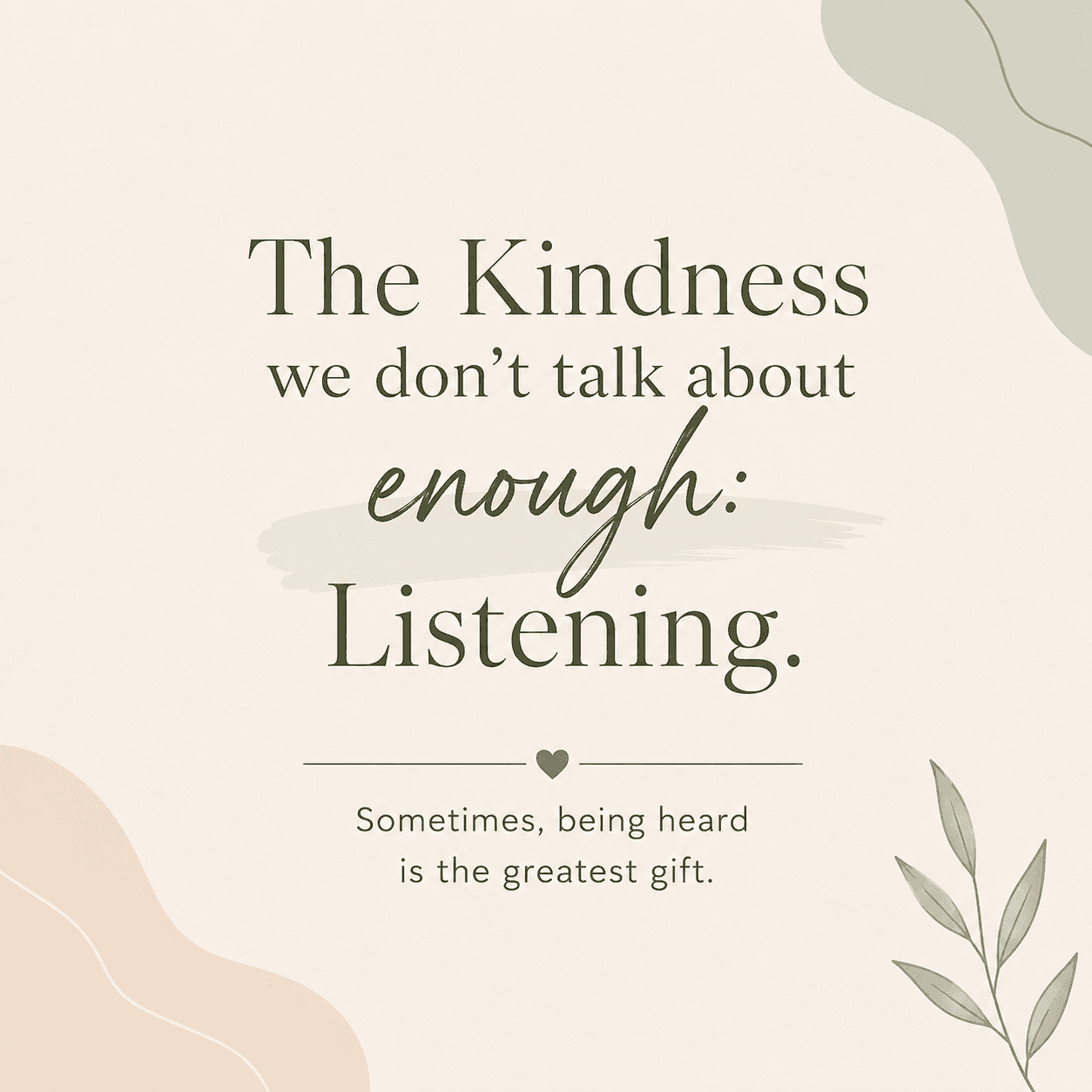
The kindness we don’t talk about Enough: Listening .
Most of us were taught to respond, reassure, and fix — not to simply stay quiet and receive. This post makes the case that listening is one of the most underestimated acts of kindness available to us, and looks at what it actually takes to do it well.
LissnUp Editorial Team
August 13, 20263 min read
Sometimes people don’t need Answers The need a safe place to say it loud
Sometimes the thing you actually need isn't a solution. It's just a place to say the thing out loud. This post is about why being heard without judgment does something that advice never quite can.
LissnUp Editorial Team
August 13, 20263 min read

How Do I Tell My Parents Something They Won't Like?
The decision was hard enough. Telling your parents is somehow harder. Whether it's a career pivot, who you're with, where you're moving, or something else that changes the story they had in their head — the fear of disappointing them can loom larger than the choice itself. This piece walks through why it feels this way and how to have the conversation without either abandoning yourself or blowing up the relationship.
LissnUp Editorial Team
July 15, 20256 min read

How to Show Someone You're Really Listening (Beyond Words)
The moment someone starts telling you something hard, they're reading your body long before they're parsing your words. This piece breaks down what actually reads as "present" versus "distracted" to the person talking — and why the small nonverbal choices you make often carry more weight than any careful response you could plan.
LissnUp Editorial Team
July 11, 20253 min read

7 Listening Habits Therapists Actually Use (And You Can Too)
Most of us think we're listening when we're actually waiting to talk. This piece walks through seven concrete habits therapists rely on — the small shifts that turn a distracted conversation into one where the other person feels actually heard. Not about becoming a therapist. About being someone people actually want to open up to.
LissnUp Editorial Team
July 6, 20255 min read

Supporting vs Fixing: What to Say When Someone Opens Up
The instinct to say something helpful when someone shares a hard thing often produces the opposite. Research on toxic positivity shows that reflexive optimism can measurably lower well-being. This piece looks at the four phrases that most commonly shut people down and what actually keeps the conversation open.
LissnUp Editorial Team
July 6, 20254 min read

Can ChatGPT Actually Help With My Mental Health? (Honest Answer)
AI chatbots can produce a genuinely comforting reply in under a second. So why does the conversation with one still leave you feeling slightly hollow afterward? This piece looks at what AI can actually do well for mental health, what it fundamentally can't, and how to tell in the moment which one you need.
LissnUp Editorial Team
July 16, 20256 min read

What Actually Changes When You Finally Say How You Feel
There's a specific shift that happens the first time you say the thing out loud to someone who doesn't try to fix it. This is about that shift — what it does inside you, what it does to the relationship, and why it's worth the awkward first sentence.
LissnUp Editorial Team
July 6, 20254 min read

Why Seniors Can Feel Lonely Even When They're Surrounded by People
Some of the loneliest older adults are the ones who visit with family every week. The problem isn't the number of interactions — it's that so few of them are the kind where the person actually feels seen. Here's what actually changes it, and why it matters more than most people realize.
LissnUp Editorial Team
January 7, 20256 min read
What if “I am fine “ isn’t really fine ?
Sometimes "I'm fine" is the truest thing a person can manage to say — and also the least honest. This piece looks at what those two words are often covering, and what it actually takes to give someone permission to put it down.
LissnUp Editorial Team
August 13, 20263 min read

How the People You're Around All Day Are Quietly Shaping Your Mental Health
Your mental health isn't just yours. It's what happens between you and the people you spend hours near every week — the ones who make your shoulders drop, and the ones who make your stomach tighten before they even open their mouth.
LissnUp Editorial Team
July 6, 20255 min read
Why Romanticizing Mental Illness Online Is Harmful — Even When It Feels Like Connection
This piece looks at the pattern where depression, anxiety, and trauma get styled as identity or aesthetic on social platforms — why that pattern is different from awareness-raising, why clinicians worry about its effect on help-seeking, and how to tell useful mental-health content from the harmful version.
LissnUp Editorial Team
July 22, 20255 min read
The Specific Pain of Being Unheard — and How the Silence Becomes Self-Protection
Being unheard doesn't announce itself. It's the specific loneliness of finishing a sentence and realizing the other person moved past it before you were done. Repeated over time, it teaches you to stop trying — which reads as maturity from the outside and costs a lot on the inside.
LissnUp Editorial Team
April 10, 20265 min read

What Empathetic Listening Actually Sounds Like (With Examples)
Everyone thinks they're a good listener until someone actually opens up. Then out comes the fix, the comparison, the pep talk. What follows is about the other kind of listening — the one where the person talking ends up feeling less alone, not more handled.
LissnUp Editorial Team
July 6, 20254 min read
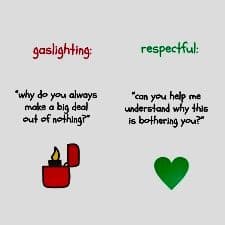
How to Tell Gaslighting from a Normal Disagreement (and What to Say Back)
'Gaslighting' has become internet shorthand for anyone who disagrees with you — which is a problem, because real gaslighting is a specific, damaging pattern that deserves to be named accurately. Here's the actual distinction, and what respectful communication looks like when the disagreement is real.
LissnUp Editorial Team
March 18, 20265 min read

What's My Attachment Style? Why You Act the Way You Do in Relationships
This piece looks at what attachment theory actually says about the patterns you notice in your own relationships — the pulling away, the reassurance-seeking, the fear of getting close. Four styles, where they come from, and what the research says about whether they can shift.
LissnUp Editorial Team
July 20, 20255 min read
Frequently Asked Questions
What counts as mental wellness — do I need to be diagnosed with something?
No. Mental wellness is about the everyday work of managing stress, staying connected to yourself, and not letting hard weeks pile up unspoken. You don't need a diagnosis to benefit from peer-support reading or from talking things through with a trained listener. Mental wellness content is for anyone who wants to be more intentional about their emotional life.
Is LissnUp a replacement for therapy or medication?
No. LissnUp is peer-support, not clinical care. Our trained listeners don't diagnose, prescribe, or treat mental-health conditions. If you're seeing a therapist or taking medication, LissnUp works alongside that — many readers use it for support between sessions or on days when their clinician isn't available. It doesn't replace clinical care.
How do I know if what I'm feeling is normal stress or something more?
Stress that comes with a specific pressure and eases when the pressure eases is usually within normal range. Stress that persists after the trigger is gone, disrupts sleep or appetite for weeks, or leaves you unable to function, is worth talking to a clinician about. LissnUp can be a low-friction place to think out loud about what you're noticing before deciding what to do.
Can talking to a listener actually help with anxiety?
Being heard has a measurable calming effect on the nervous system — that's why so much of anxiety research emphasizes social connection. A trained LissnUp listener isn't a treatment for an anxiety disorder, but a 15-minute session of anonymous, judgment-free listening can help take the edge off a hard moment. It's peer-support, not clinical care.
What if I don't know what to say when I book a session?
You don't need to prepare anything or know where to start. Trained LissnUp listeners are used to sessions that begin with 'I don't know' or 'nothing in particular.' You can talk about your day, a specific worry, a feeling you can't name, or nothing at all. There's no agenda, no intake form, and no wrong way to use the time.
What if I'm in a mental-health crisis?
LissnUp is not a crisis service. If you're thinking about harming yourself, in immediate danger, or in acute psychiatric distress, please contact 988 Suicide & Crisis Lifeline (call or text 988) or Crisis Text Line (text HOME to 741741). These lines are staffed 24/7 by trained crisis responders, which is what those situations need.
When the reading isn't enough, a real conversation can help.
Book a session with a trained listener — 15 or 30 minutes, text or voice. No intake forms, no diagnosis, no advice. Just a safe space to speak freely about whatever's weighing on you right now.