Curated by the LissnUp Editorial Team
Self-Esteem
Overview
Self-esteem is the quiet story you tell yourself about your own worth. It runs mostly under the surface, was mostly written before you were old enough to fact-check it, and is often harsher than anything a friend would ever say to you. If you spoke to a friend the way your internal voice speaks to you, they'd stop being your friend. The writing here is about how that inner voice gets shaped, why it moves so slowly, and what actually rebuilds it (as opposed to the affirmations-and-vision-boards approach that rarely sticks). Not clinical treatment — peer-support reading, drawn from peer-reviewed research on self-worth and self-compassion. Curated by the LissnUp Editorial Team.







Frequently Asked Questions
What actually is self-esteem?
Self-esteem is your overall sense of your own worth — how much you fundamentally value yourself, independent of what you've achieved or what others think today. It's different from confidence (which is about specific abilities) and from self-compassion (which is how you treat yourself when things go wrong). All three matter, but self-esteem is the deepest layer.
Why is my self-esteem so low even though nothing bad has happened?
Because self-esteem is mostly shaped by early experiences — how you were spoken to, whether you were valued for who you were versus what you did, how mistakes were handled. Those patterns get internalized. Adult you can be objectively fine while carrying a much older story about your own worth. That's not weakness; it's how the system works.
Can I actually improve my self-esteem, or am I stuck with what I've got?
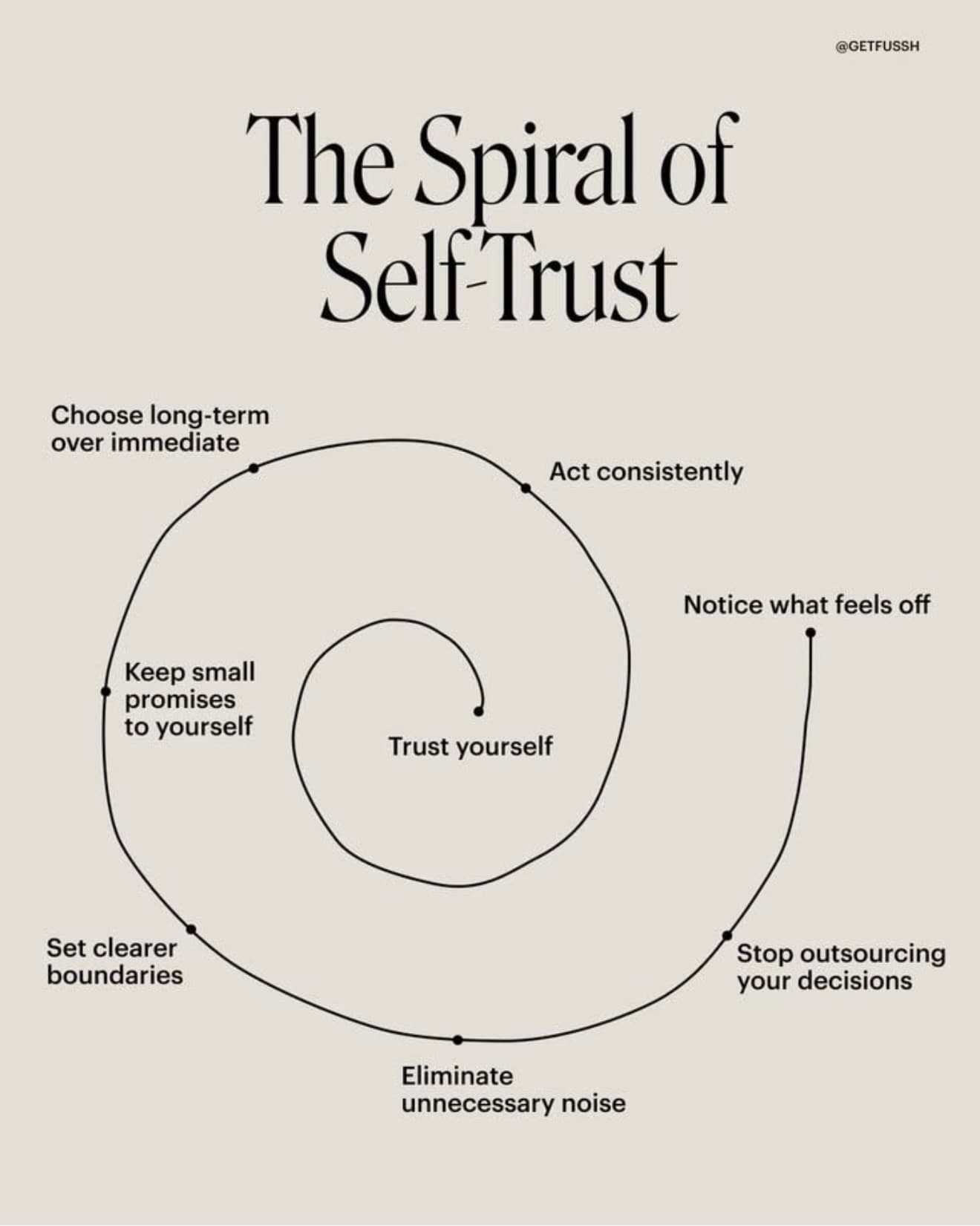
You can absolutely improve it — the research is clear on this. What works: self-compassion practices, small evidence-building experiences (doing hard things and noticing), being around people who reflect a fair version of you back, and processing the old messages that formed the low estimate in the first place. It's slow work but it moves.
How is self-esteem different from confidence?
Confidence is domain-specific — you can be confident at your job and shaky in relationships, or vice versa. Self-esteem is about your fundamental worth as a person, independent of any specific skill. You can have high confidence and low self-esteem (feeling capable but not lovable) or the reverse. They're related but not the same.
The story you tell yourself sounds different when you say it out loud.
Book a 15-minute session with a trained listener — anonymous, confidential, no advice. Sometimes the harshest thing you're saying about yourself sounds cruel the moment another human hears it. That's when it starts to lose power.