Curated by the LissnUp Editorial Team
Burnout and Recovery
Overview
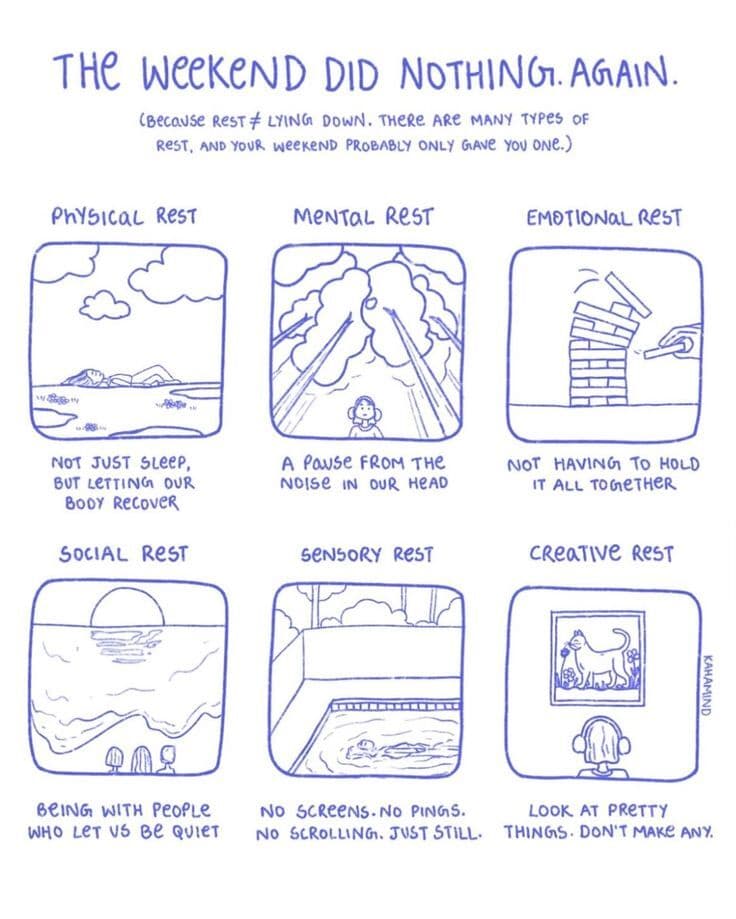
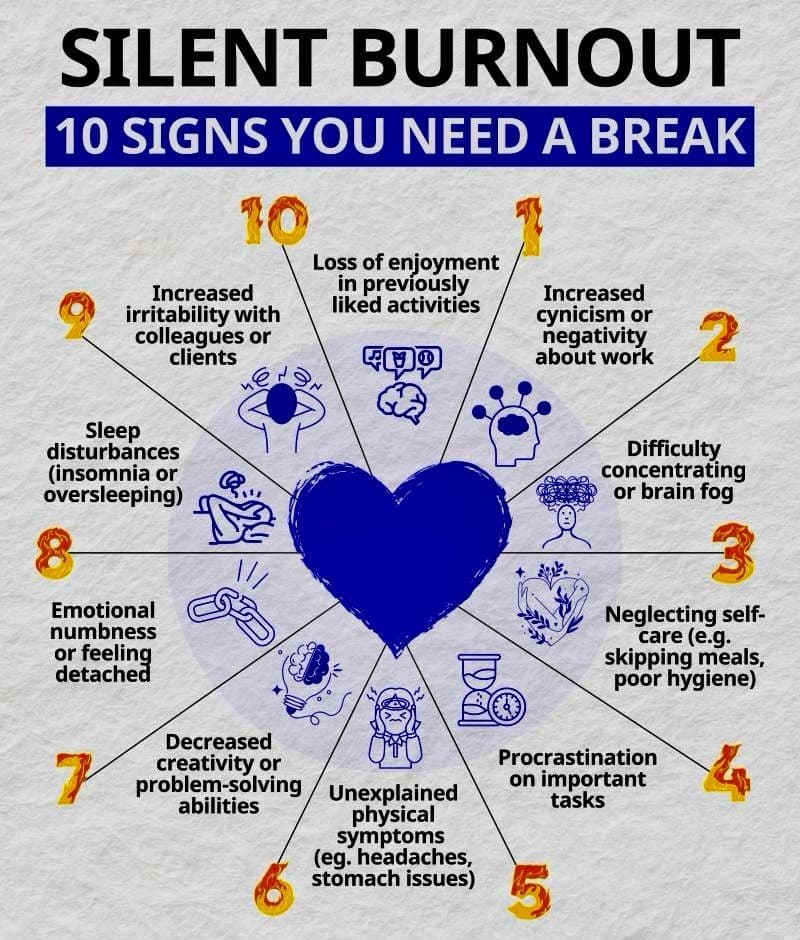
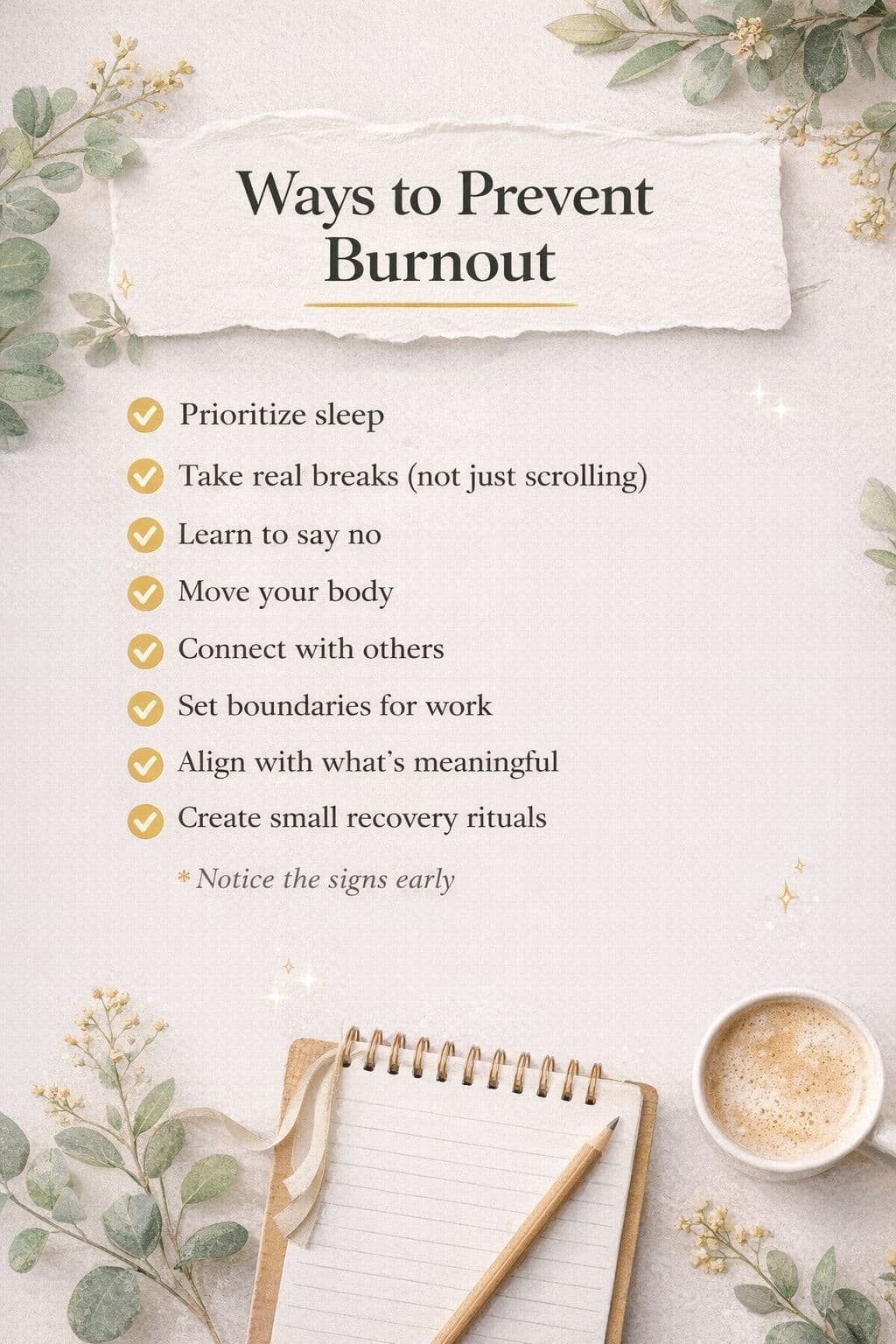
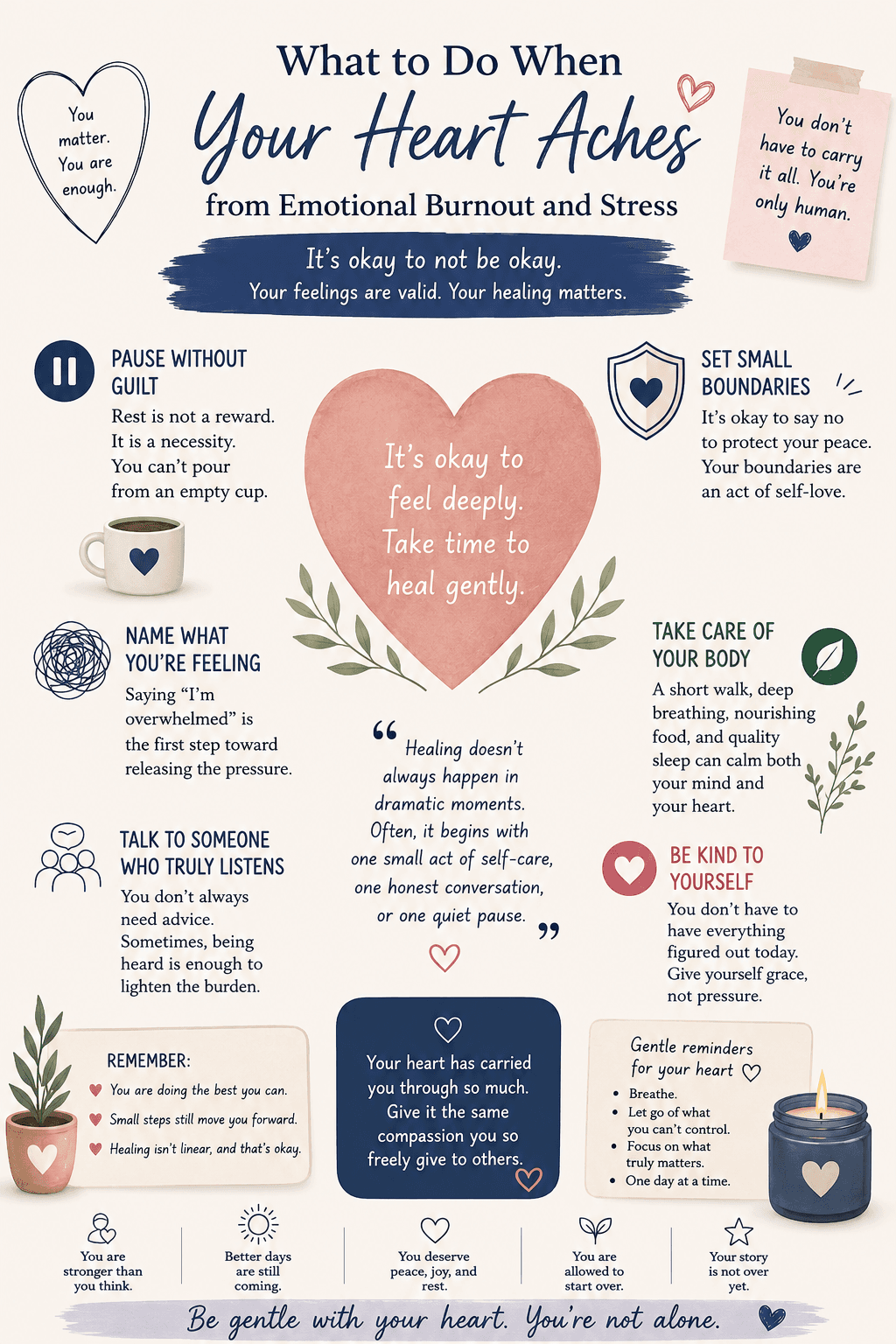
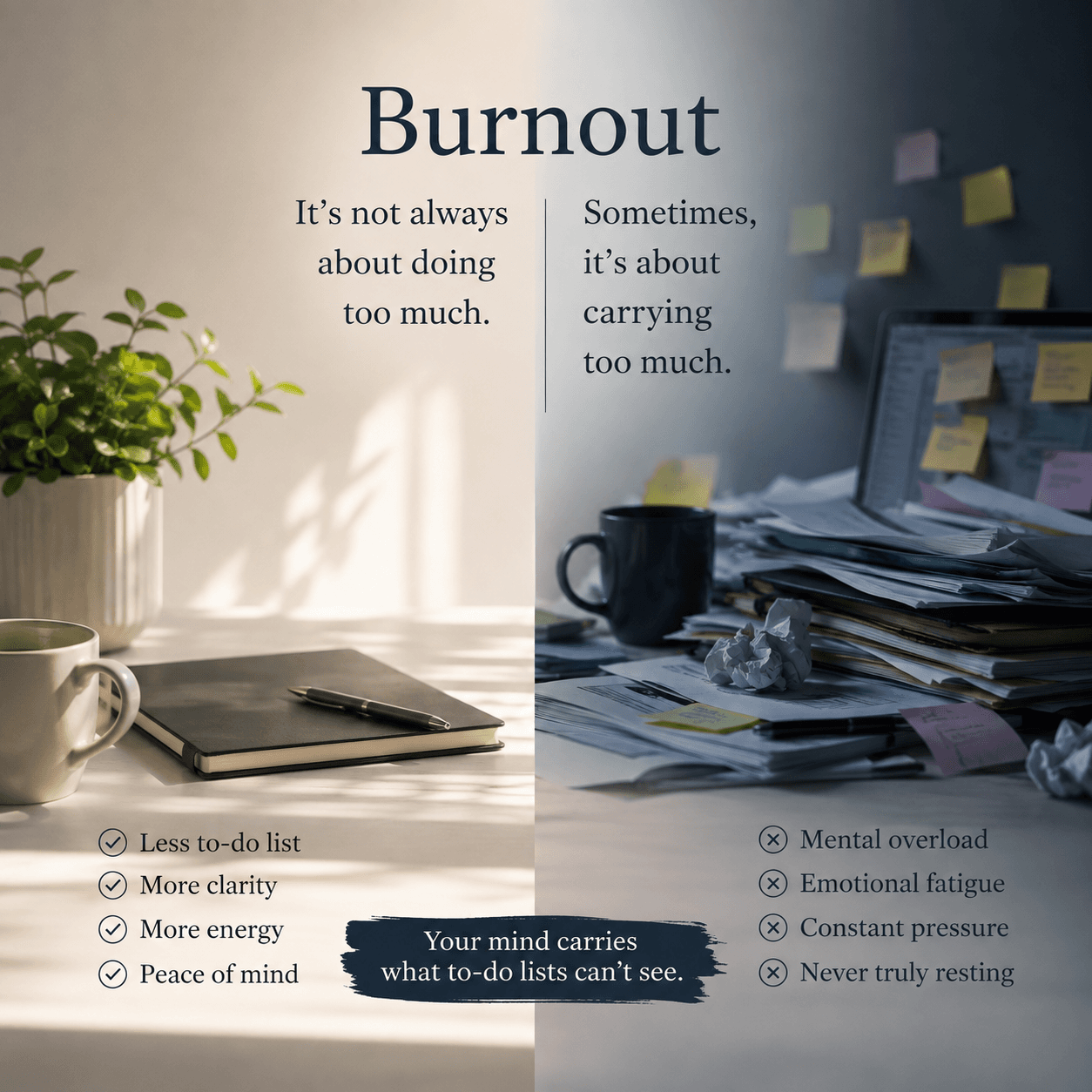
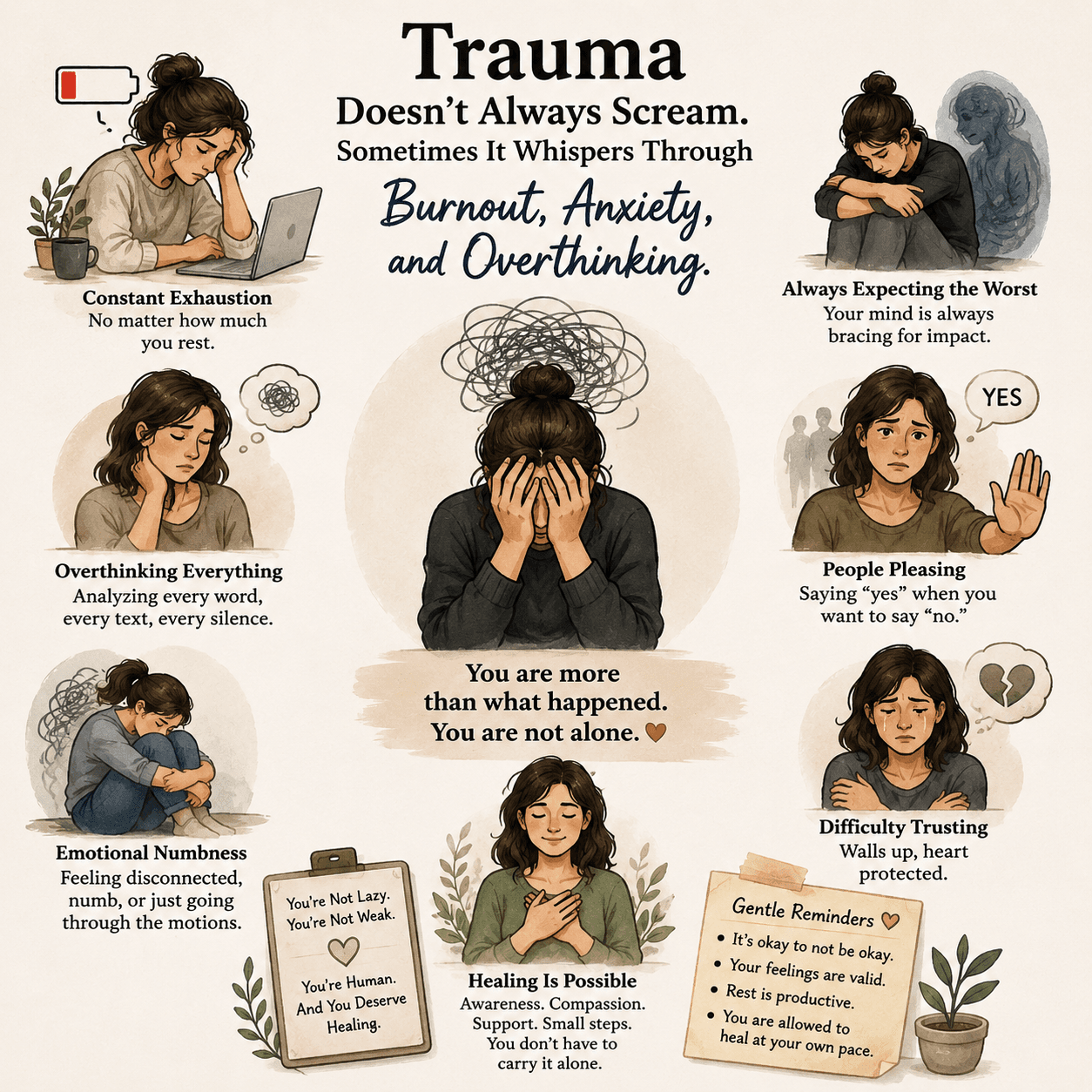
Burnout is quieter than most people expect. It's rarely a dramatic collapse. It's a slow flattening — of interest, of energy, of the small pleasures that used to punctuate an ordinary week. You notice it in what's gone missing more than in what's showing up. The coffee that used to feel like ritual is now just liquid. The work you used to care about becomes work. Recovery takes longer than most people are told, and it isn't linear. What tends to help: reducing demands where you can, sleep, human connection, and being heard about what's happening without having to arrive with a plan. The writing here is peer-support reading, judgment-free, not clinical advice. Curated by the LissnUp Editorial Team.






Frequently Asked Questions
How do I know if I'm burned out or just tired?
Tiredness lifts after rest — a good night's sleep, a weekend, a vacation. Burnout doesn't. Burnout is what remains when rest stops restoring you. Common signs: emotional flatness, cynicism about work you used to care about, exhaustion that starts before the day begins. If this describes you, it's worth taking seriously.
How long does burnout recovery take?
Longer than most people expect — weeks to many months, depending on how long you were burned out and what you're able to change. Recovery isn't linear. There's no shortcut. What tends to help: reducing demands where possible, sleep, movement, human connection, and being heard about what's happening without having to produce solutions on the spot.
Can I recover from burnout without changing my job or life?
Sometimes, but not always. If the burnout is driven by structural conditions — chronic overwork, an unsupportive environment, values-clash — recovery within those conditions is often incomplete. Talking through what's changeable and what isn't with a neutral listener can help you see the situation more clearly than internal spinning does.
What if I feel guilty for even calling it burnout when others have it worse?
That comparison is itself a symptom of burnout — the flattening includes flattening your own experience. Whatever you're going through is real for you, and being heard about it doesn't require you to prove you deserve it. Trained LissnUp listeners don't rank suffering. If you're carrying it, it's worth being heard.
Book time where you don't have to hold it together.
Burnout gets heavier when you're still performing being fine to the people around you. A LissnUp session is 15 minutes where you don't have to. Anonymous, confidential, judgment-free — text or voice, no advice, no fixing.