Nobody wakes up on Tuesday burnt out. It builds slowly across weeks and months of ignored signals, until suddenly you can't do the thing you used to do easily. Here's what the early-warning phase actually looks like and what to do about it before you're too depleted to act.
Burnout Doesn't Announce Itself
The Early-Warning Signs Most People Ignore
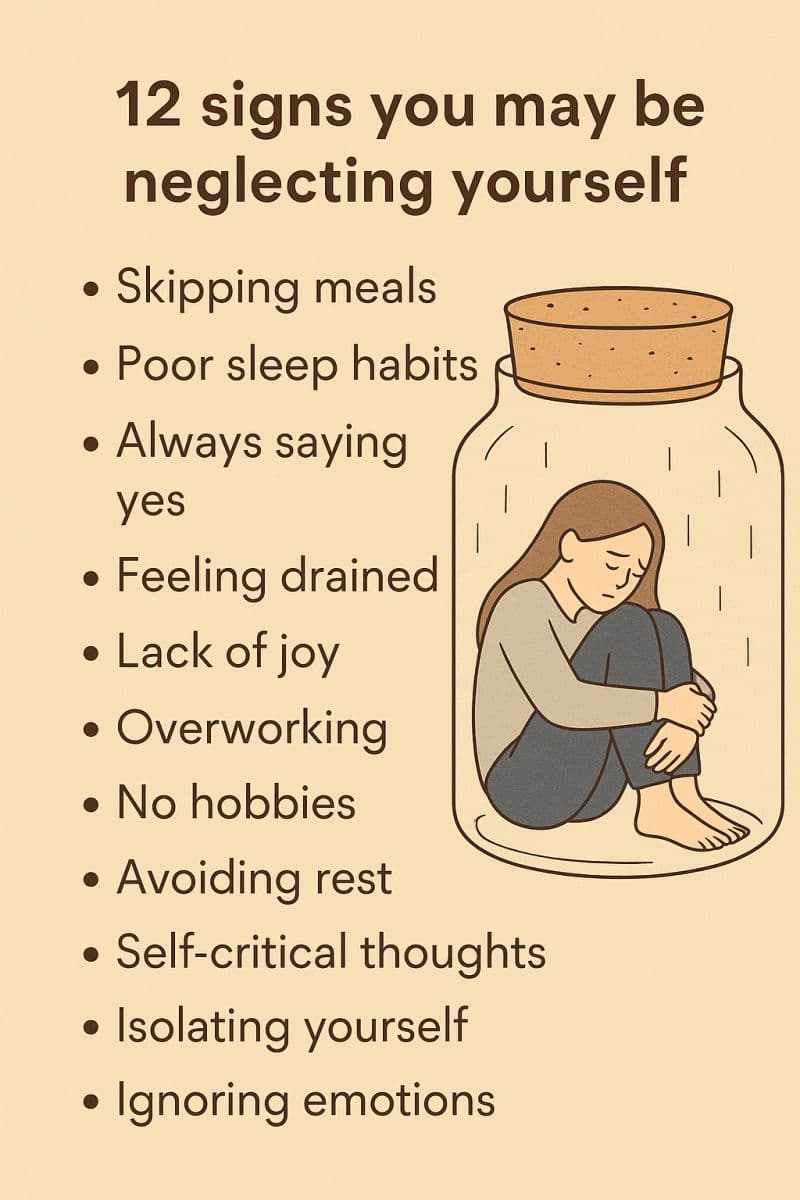
- You wake up tired even after enough sleep.
- Small tasks that used to be automatic now require a small internal negotiation.
- Things you used to enjoy have quietly gone flat.
- You're more irritable than the situation warrants.
- You've started avoiding things you used to look forward to.
- You're using more caffeine, alcohol, screens, or food to get through the day than you used to.
- You keep meaning to rest and then not resting.
- You've been saying 'I just need to get through this week' for several weeks in a row.
The Cheap Interventions That Actually Help
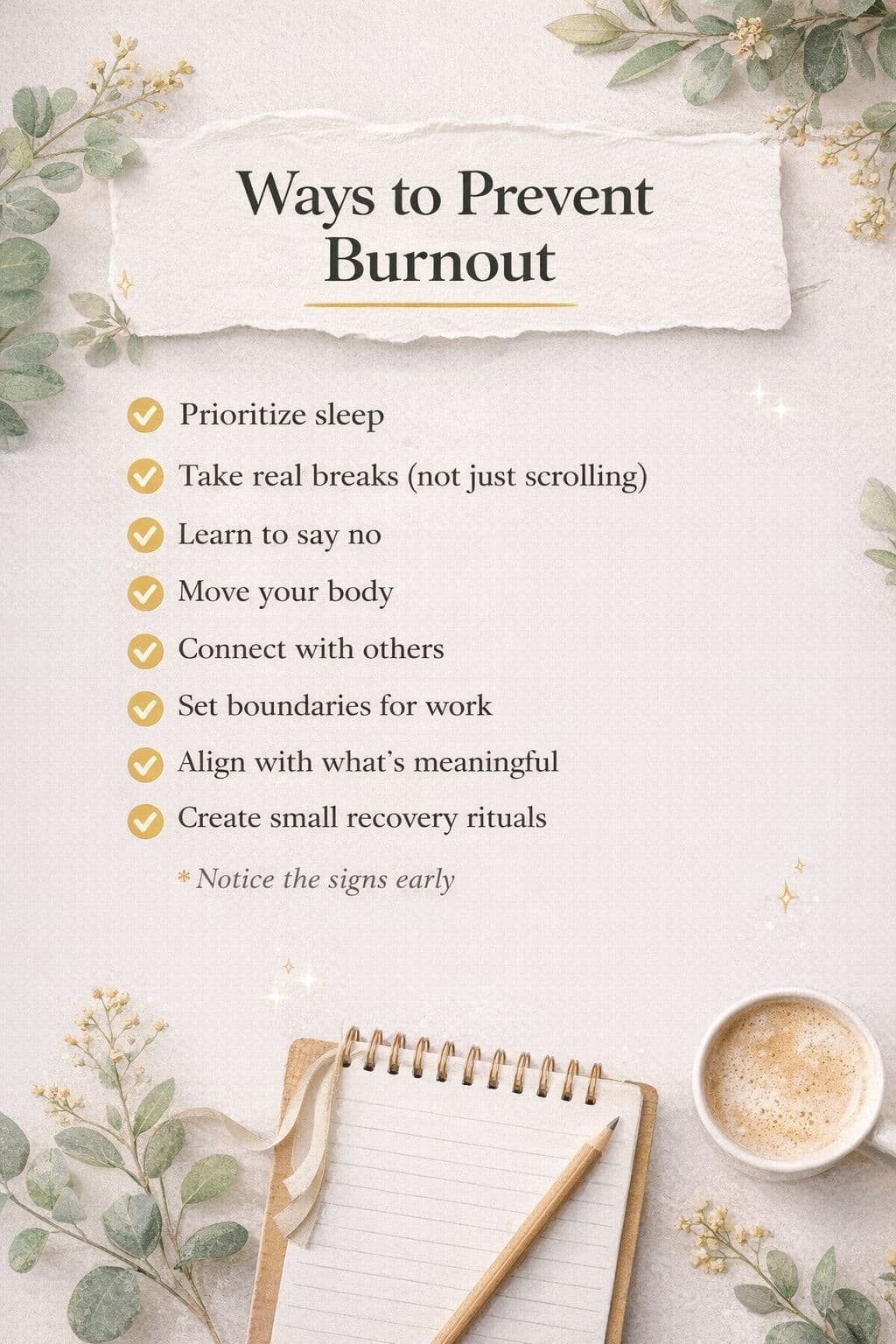
- Protect sleep first. Sleep debt is the single biggest amplifier of everything else on the list.
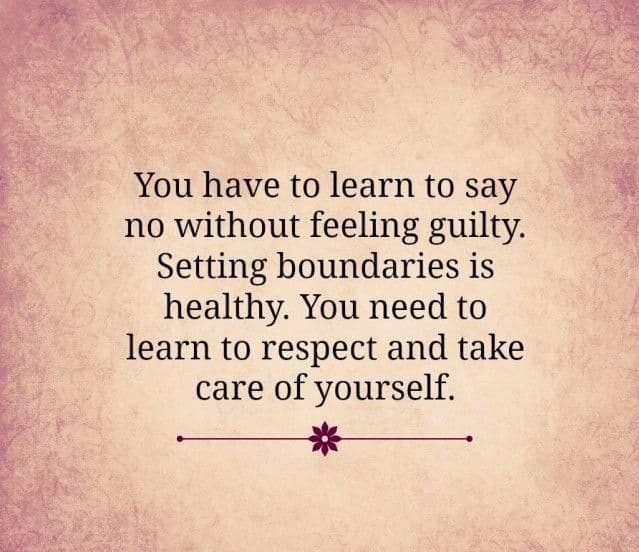
- Say no to at least one thing you would normally have said yes to. One thing this week. That's the whole assignment.
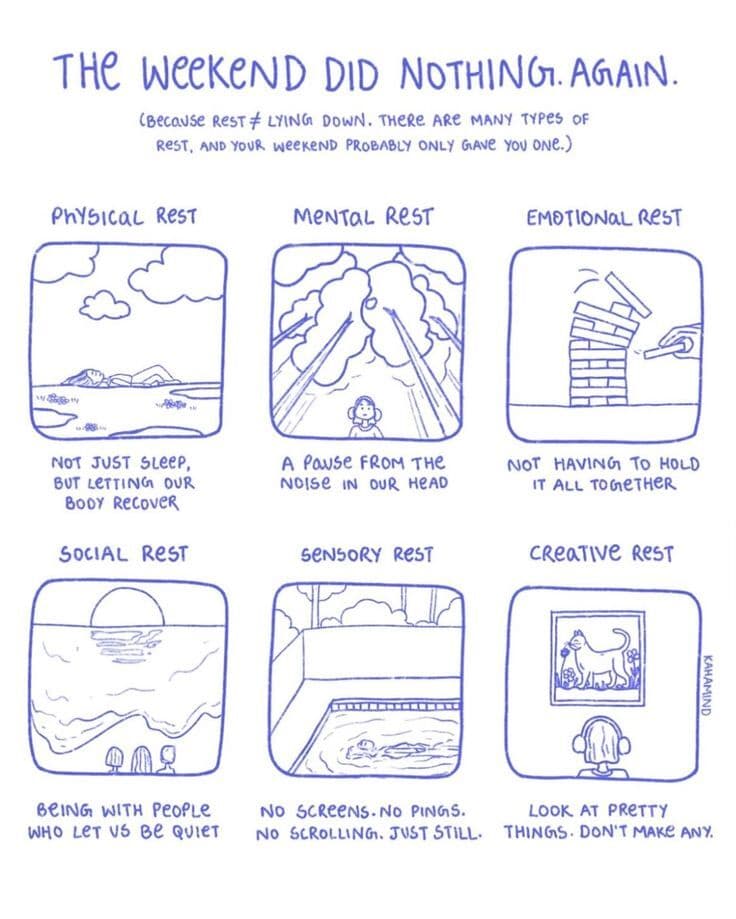
- Actually take a real day off. Not a day of catching up on chores. A day where you deliberately don't earn it.
- Move your body somewhere outside, even briefly. Sunlight and movement together are one of the higher-leverage cheap interventions.
- Reduce the input volume. Fewer notifications. Fewer meetings if you can. Less news.
- Talk to one person about how it's actually been going. Not to be advised — to stop being the only one who knows.
When It's Already Later Than You Thought
Where LissnUp Fits
Sources & Further Reading
What are the early signs of burnout?
Persistent tiredness that sleep doesn't fix, small tasks feeling disproportionately heavy, muted interest in things that used to bring pleasure, disproportionate irritability, avoidance of things you used to look forward to, and rising reliance on caffeine/alcohol/screens to get through the day. Any one of these can happen in a hard week. Several together for two-plus weeks is the pattern worth intervening on.
What's the difference between stress and burnout?
Stress is short-term, situational, and responds to solving the situation. Burnout is chronic, cumulative, and doesn't fade just because the immediate stressor lifts. Stress makes you feel overwhelmed. Burnout makes you feel empty and disengaged — the specific difference is that the sense of caring has quietly gone offline.
How can I prevent burnout without quitting my job?
Focus on what you can control: protect sleep, take real breaks, say no to at least one non-essential thing per week, reduce input volume (notifications, meetings, news), get outside for movement, and tell one person how it's actually been going. These small habits compound. They don't fix an unfixable job, but they do lower the accumulation rate meaningfully.
Why is rest so hard for people approaching burnout?
Because at that point your baseline arousal is high enough that stillness feels wrong — your nervous system reads slowing down as vulnerability. Also because a lot of people at this stage have their self-worth tied to output, so resting registers as failure. Both of these ease with practice, gradually. Start small: two protected hours before you try a full day off.