Trauma doesn't always announce itself with a clear memory or a named event — sometimes it shows up as chronic guilt, people-pleasing, or a constant low hum of dread. This post looks at the quieter ways trauma reshapes everyday thinking, and why changing the question you ask yourself can change everything.
When Trauma Doesn't Look Like Trauma
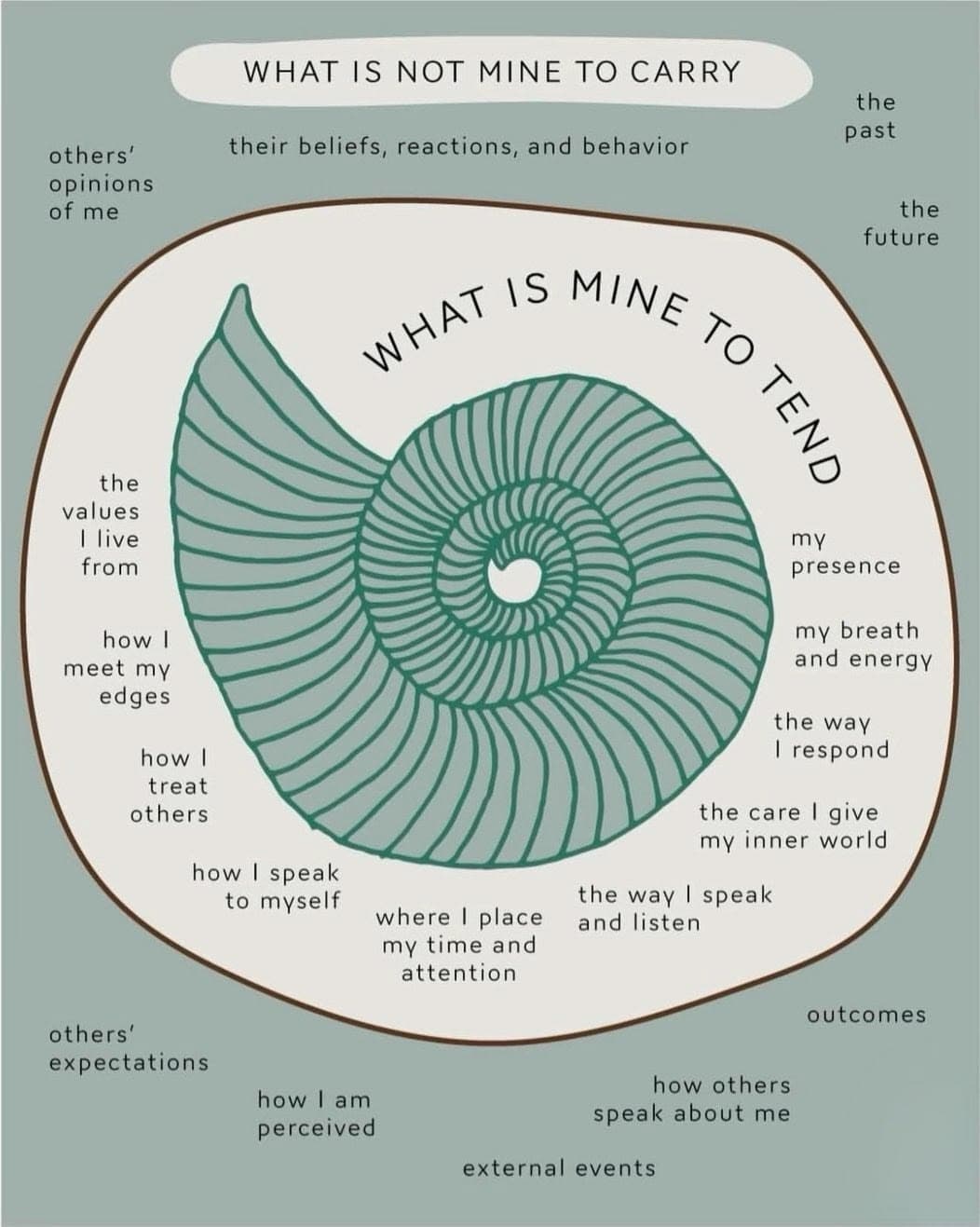
Where It Actually Lives
The Question That Changes Things
You Don't Have to Carry It Alone
Can I have trauma if nothing that 'big' ever happened to me?
Yes. Trauma isn't defined by the size of the event — it's defined by the impact on your nervous system and sense of safety. Chronic stress, repeated small ruptures, emotional neglect, and feeling perpetually unsafe can all leave the same kind of imprint as a single dramatic event. The absence of an obvious 'big thing' doesn't disqualify the experience.
How do I know if my anxiety or overthinking is connected to past trauma?
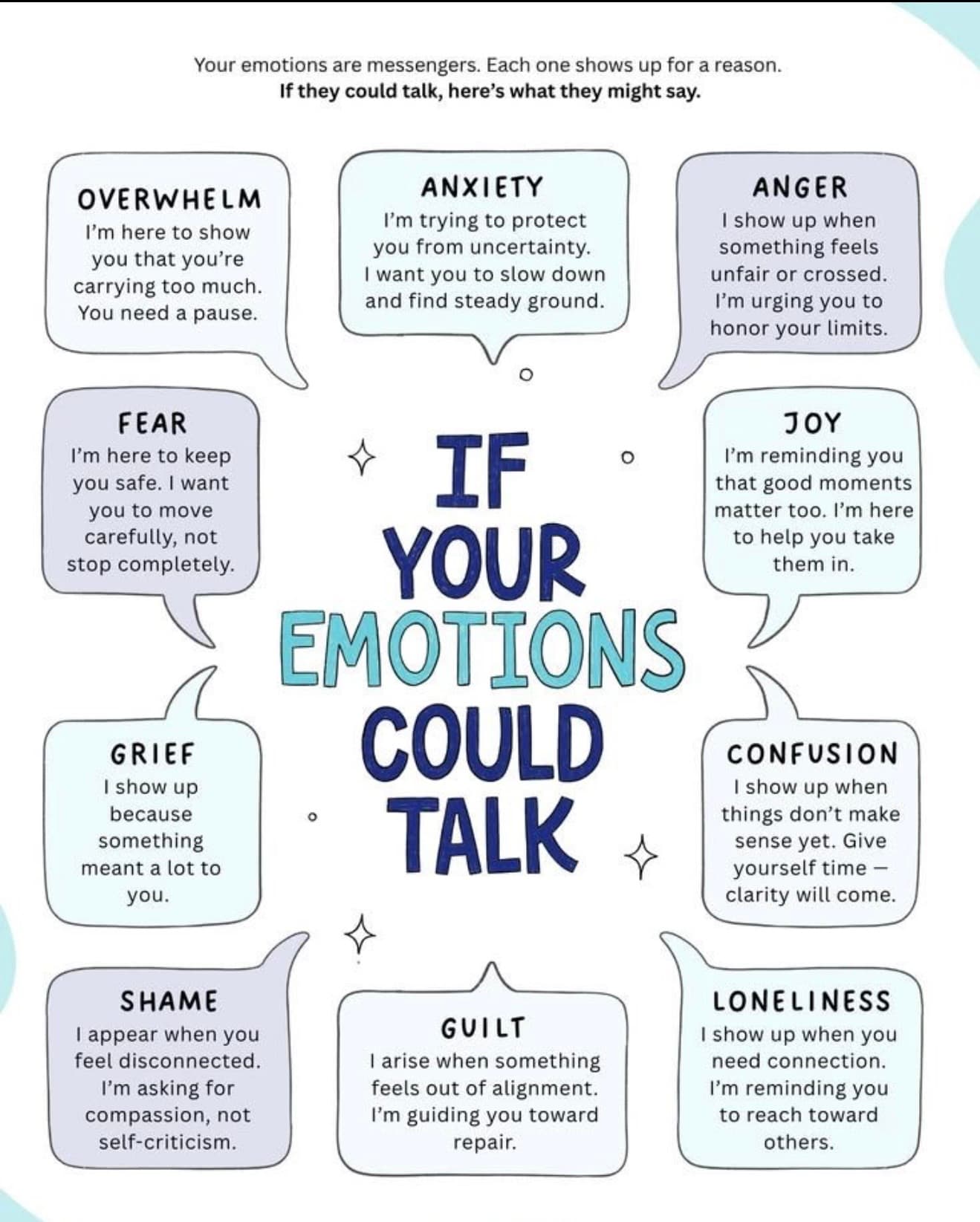
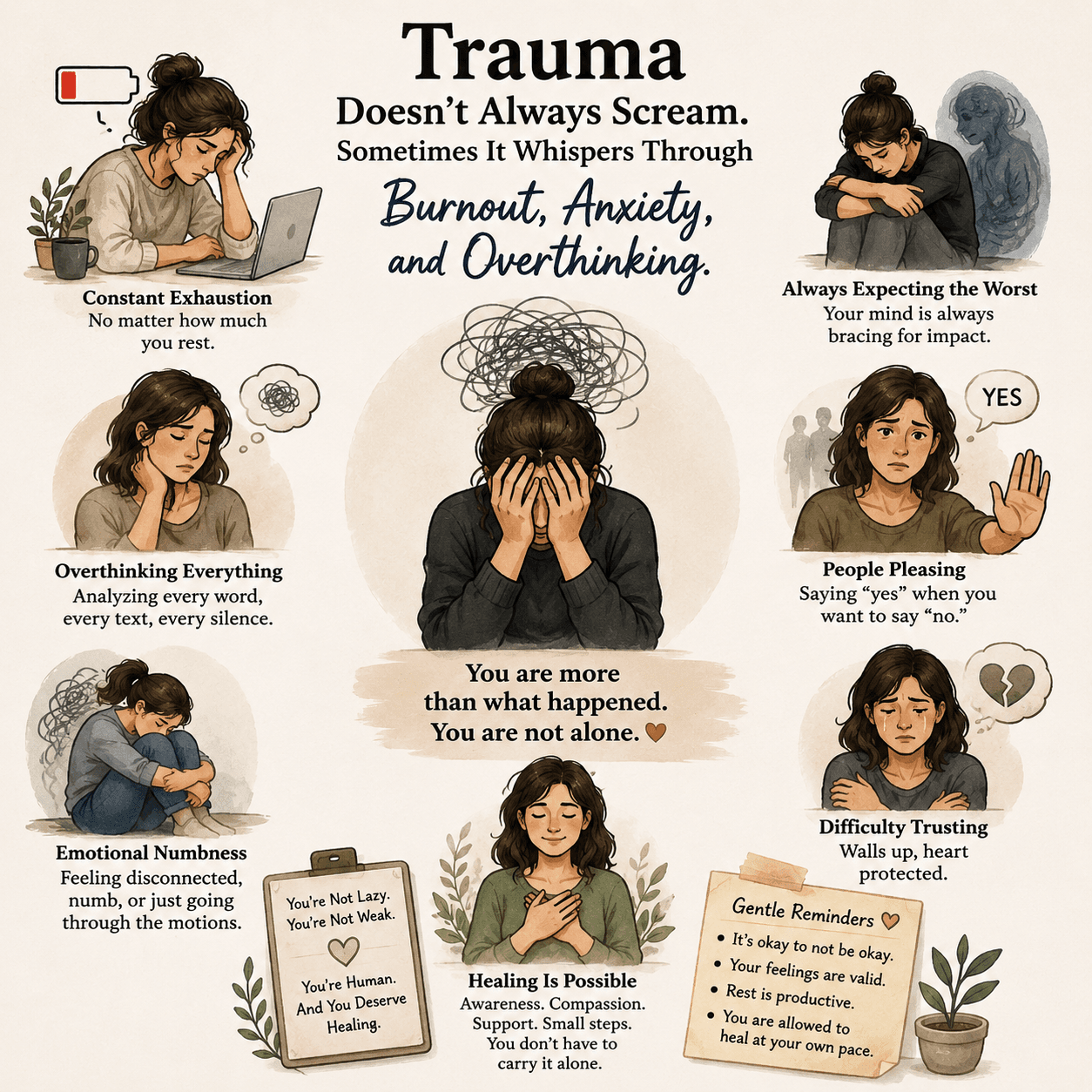
There's no clean diagnostic line, but some patterns are worth noticing: bracing for bad news even when things are calm, replaying conversations to find where you went wrong, feeling guilty for taking up space or resting, shutting down when you expect rejection. These aren't character flaws — they're often adaptive responses that made sense at one point and are now running on autopilot.
Why do I feel so guilty when I rest or do nothing?
For a lot of people, guilt around rest is a learned response — somewhere along the way, stillness became associated with danger, failure, or being a burden. It's not laziness. It's a nervous system that learned to equate productivity with safety. Recognizing the pattern is usually the first step toward changing the relationship with it.
Does healing from trauma mean I have to talk about what happened in detail?
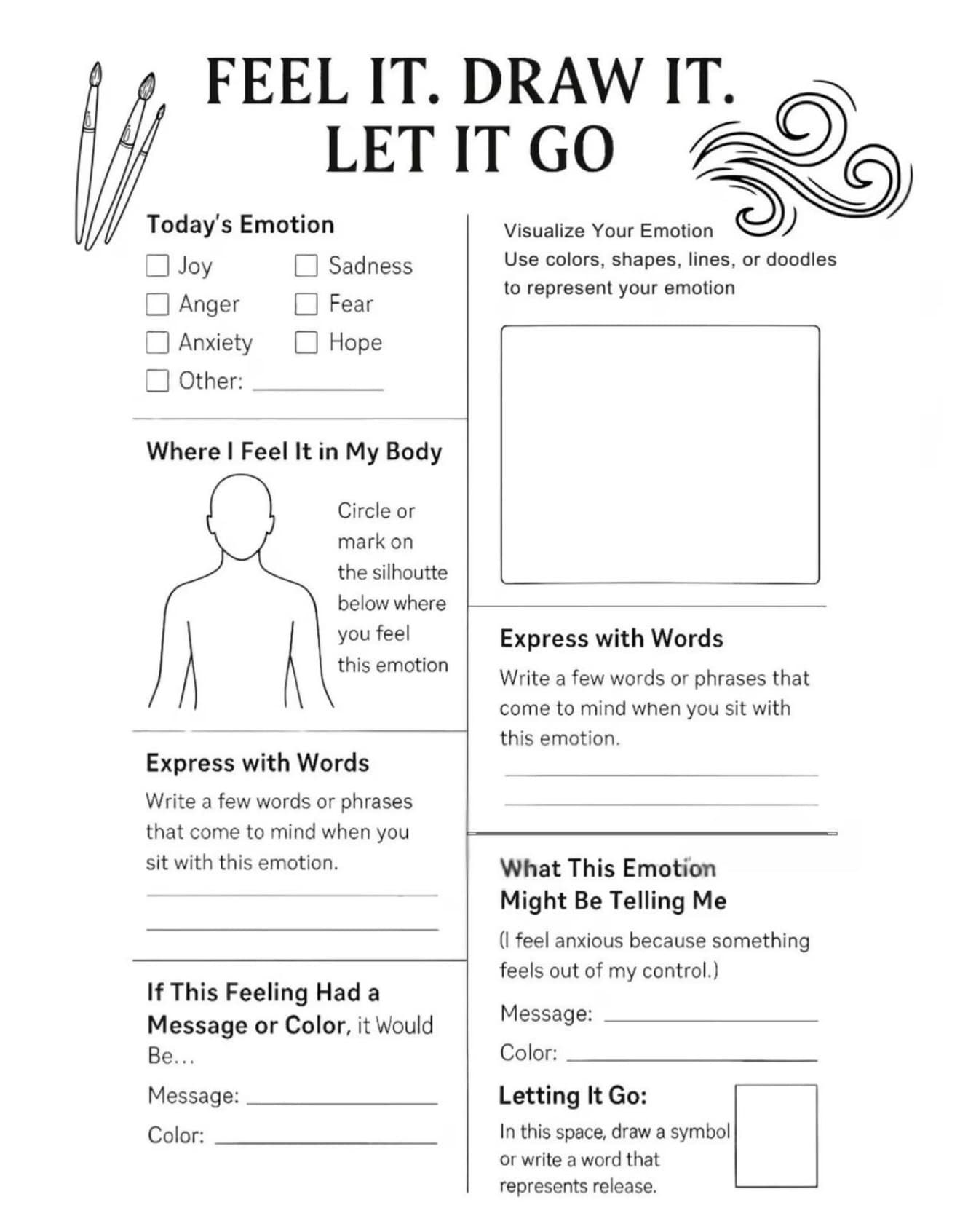
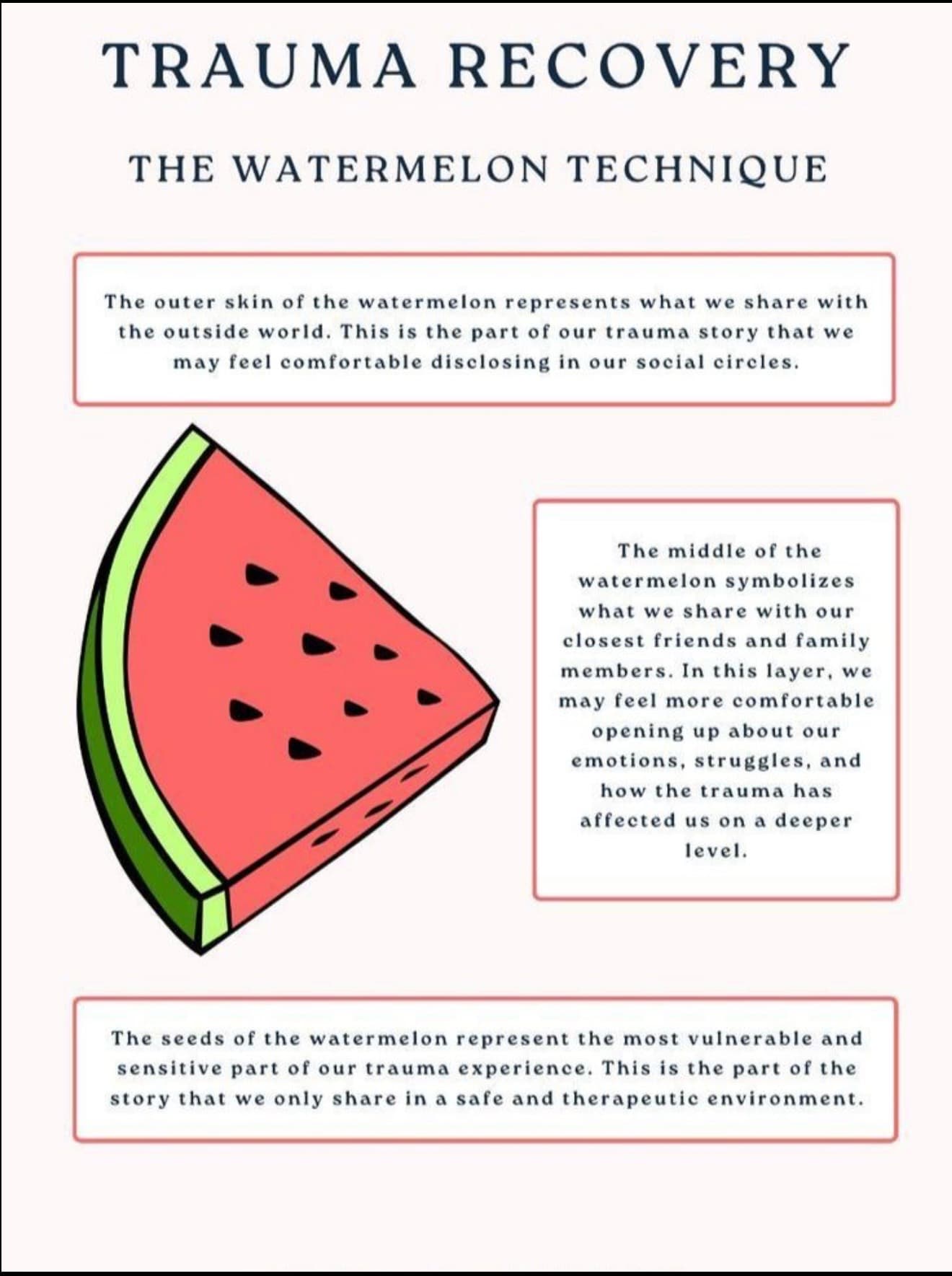
No. Processing trauma doesn't require a full retelling of every moment. What tends to matter more is creating enough felt safety — in your body, in your relationships, in your sense of self — that the past stops driving your present reactions. Some people do that through therapy, some through conversation, some through creative work. There's no single required format.
What's the difference between 'What's wrong with me?' and 'What happened to me?'
The first question makes you the problem. The second question opens the possibility that your responses are understandable given your history. That shift — from self-blame to curiosity — isn't just semantic. It changes what you go looking for, and it tends to reduce shame enough that actual reflection becomes possible.