Anxiety

Anxiety

Persistent worry, physical anxiety symptoms, anxious thinking patterns.

13 articles tagged “Anxiety

Anxiety Articles

13 articles
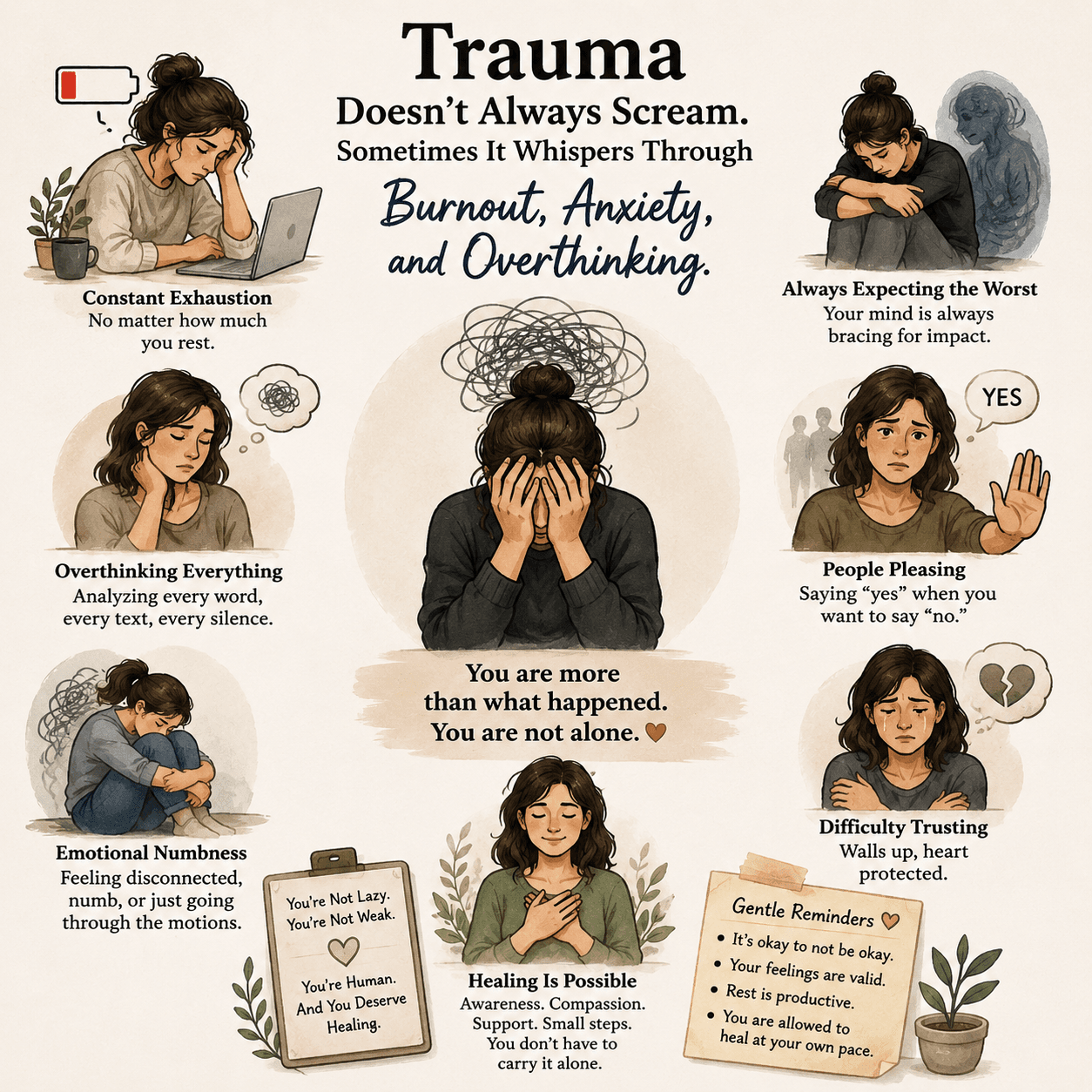
Trauma doesn’t Always Scream

Trauma doesn’t Always Scream

Trauma doesn't always announce itself with a clear memory or a named event — sometimes it shows up as chronic guilt, people-pleasing, or a constant low hum of dread. This post looks at the quieter ways trauma reshapes everyday thinking, and why changing the question you ask yourself can change everything.

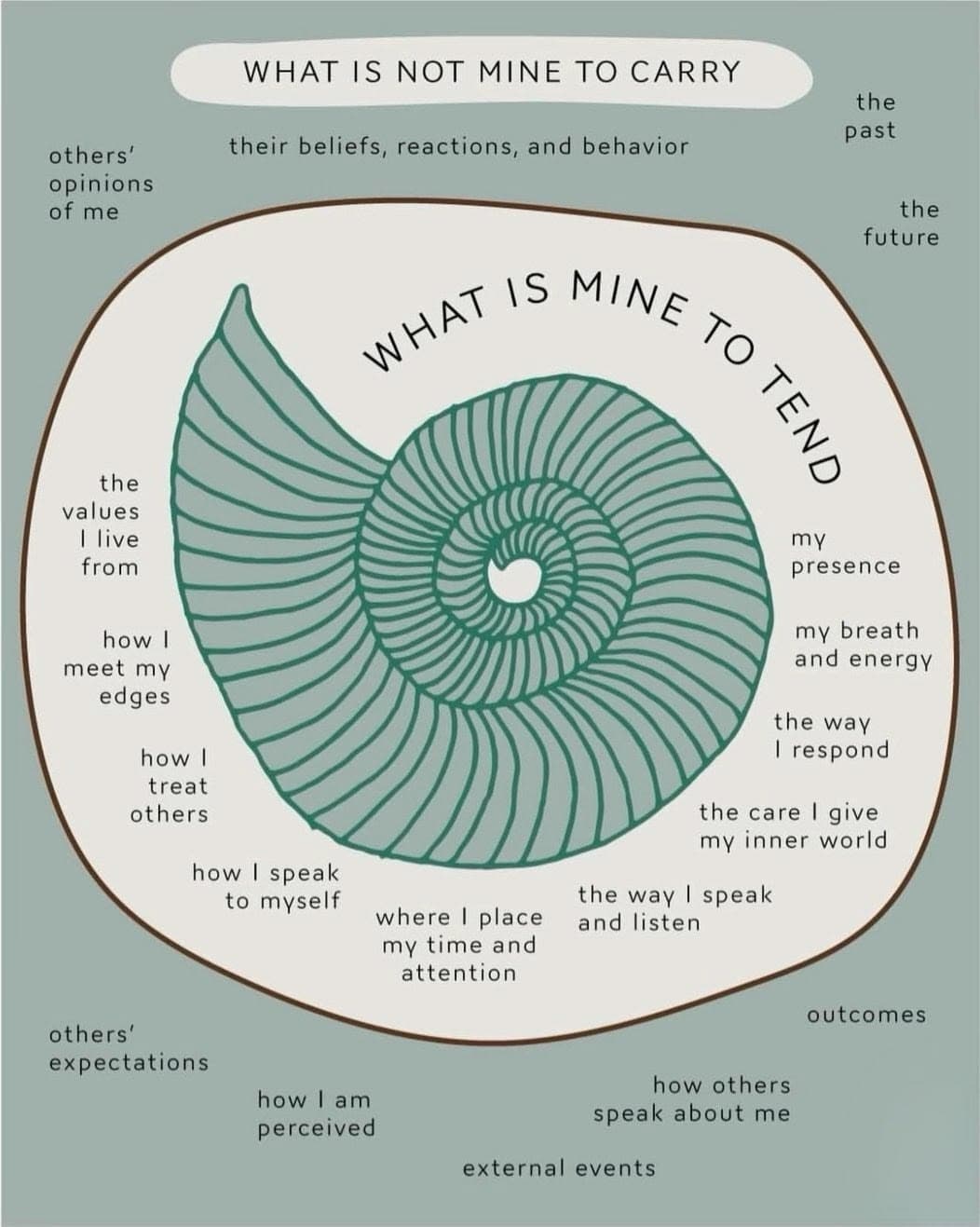
Not everything that weighs on you is yours to carry.

Not everything that weighs on you is yours to carry.

Some of what's weighing on you isn't actually yours — it's borrowed worry, absorbed expectation, or energy spent managing things that were never in your hands. This post breaks down the simple but easy-to-forget distinction between what you can genuinely influence and what you'd be better off putting down.

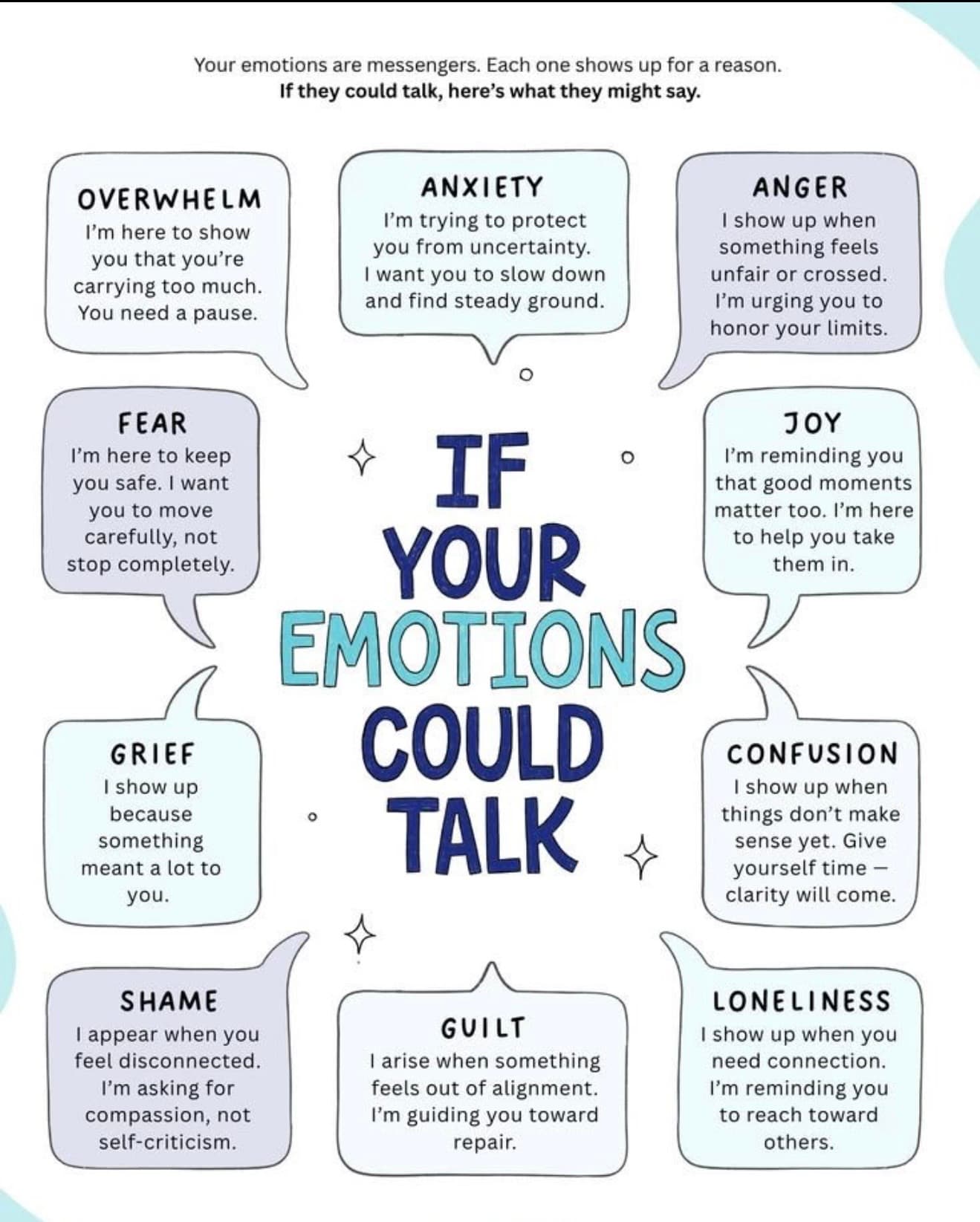
If Your Emotions Could Talk — What Each One Is Actually Trying to Tell You

If Your Emotions Could Talk — What Each One Is Actually Trying to Tell You

Emotions aren't always accurate reports of what's happening. They are almost always worth listening to. Anxiety, anger, grief, shame — each one carries a signal about what your inner system is registering. Here's a short guide to what yours might be trying to say.

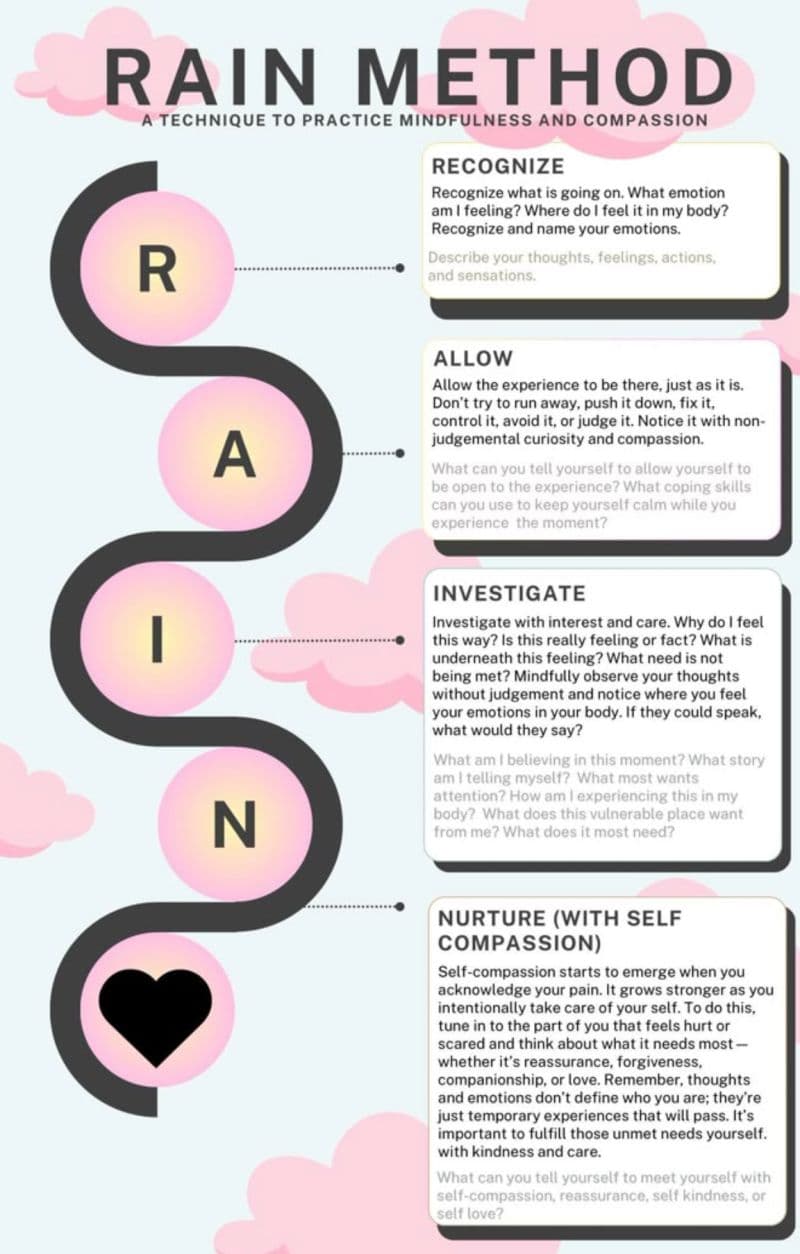
The RAIN Method for Difficult Emotions — What It Is, When It Helps, When It Doesn't

The RAIN Method for Difficult Emotions — What It Is, When It Helps, When It Doesn't

The RAIN method — Recognize, Allow, Investigate, Nurture — is one of the more useful things to come out of the mindfulness-and-self-compassion literature. It's simple, it fits in a couple of minutes, and it doesn't require you to already be good at meditating. Here's the honest read on what it does and when to reach for it.

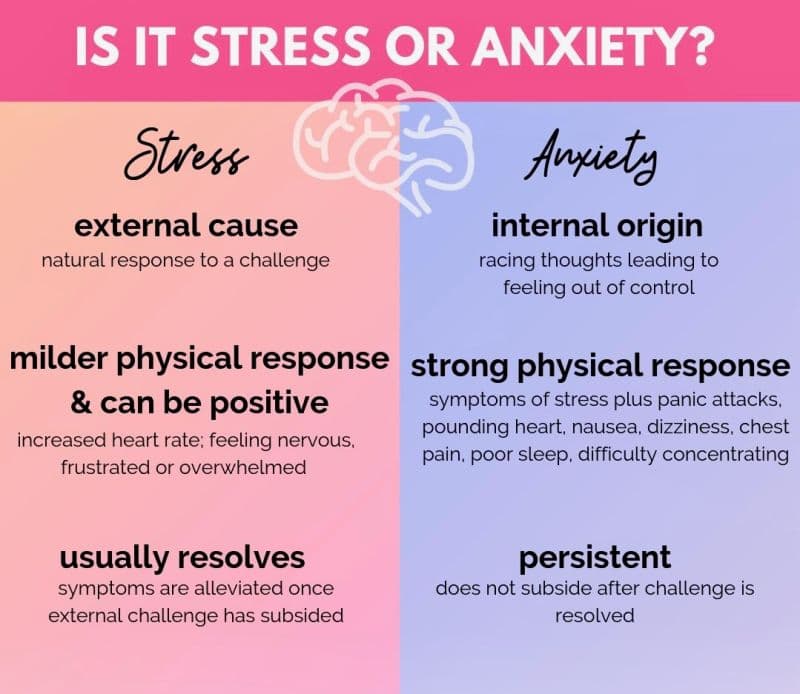
Am I Stressed or Anxious? A One-Minute Way to Tell the Difference

Am I Stressed or Anxious? A One-Minute Way to Tell the Difference

People use 'stressed' and 'anxious' the same way in conversation, but they behave differently — and the thing that helps for one won't touch the other. Here's the short version of how to tell which one you're in.

Nervous System 'Healing' Without the Wellness Hype — What Actually Helps

Nervous System 'Healing' Without the Wellness Hype — What Actually Helps

You've probably seen 'heal your nervous system' content everywhere lately. Some of it is genuinely useful. A lot of it overclaims what the science actually supports. Here's the honest read on what your autonomic nervous system does when you've been stressed too long — and the small, boring practices that reliably help.

Quick Anxiety Relief for the 'Something Feels Off' Days — Things That Actually Work

Quick Anxiety Relief for the 'Something Feels Off' Days — Things That Actually Work

Not every anxious moment needs a therapist. Some days you just wake up with a buzz in your chest, or something lands wrong at 3pm, and you need to bring the level down without dropping everything. Here's the short list of things that actually help in real time — and the honest note about when they're not enough.

Am I Just Anxious or Do I Have Anxiety? How to Tell the Difference

Am I Just Anxious or Do I Have Anxiety? How to Tell the Difference

There's a real difference between the anxious you feel before a hard meeting and the anxious that never quite leaves. The first one is doing its job. The second one is worth checking out. Here's what actually separates the two, and how to know when it's time to get a professional in the room.

Why Do I Feel Like a Fraud at Work? Understanding Imposter Syndrome

Why Do I Feel Like a Fraud at Work? Understanding Imposter Syndrome

This piece looks at what imposter syndrome actually is (and what it isn't), why the people most likely to feel it are often the ones least likely to be missing anything, and the practical shifts that quiet the voice without pretending it will disappear.

How to Stop Overthinking When Your Mind Won't Shut Off

How to Stop Overthinking When Your Mind Won't Shut Off

This piece looks at what overthinking actually is, why the brain keeps circling the same thoughts long past the point of usefulness, and the practical techniques that quiet the loop when it flares — grounded in what mindfulness and cognitive research say, without the pop-neuroscience shortcuts.

Is This Stress or Anxiety? How to Tell (And What Actually Helps)

Is This Stress or Anxiety? How to Tell (And What Actually Helps)

You say "I'm stressed" and you say "I'm anxious" and half the time you mean the same thing. But clinically, they're not the same — and the strategies that work for one don't always work for the other. This piece breaks down the real difference, why it matters for how you get help, and what to do when you're honestly not sure which one you're dealing with.

Managing Everyday Anxiety — Why Talking It Out Reliably Helps

Managing Everyday Anxiety — Why Talking It Out Reliably Helps

Everyday anxiety — the background hum kind, not the clinical kind — responds to something surprisingly simple: saying it out loud to someone who isn't going to fix it. The mechanism is real, the effect is documented, and most people never quite arrange it deliberately. Here's why it works.

Why Talking Through Fear Actually Helps — And When It's Enough on Its Own

Why Talking Through Fear Actually Helps — And When It's Enough on Its Own

Fear loses a specific kind of power the moment you say it out loud to someone who isn't going to argue with it. This is one of the more consistent findings across anxiety research, and it explains why so many people who 'know all the coping techniques' still benefit from the more basic act of being heard.

Topics that show up alongside Anxiety across the LissnUp blog.