The RAIN method — Recognize, Allow, Investigate, Nurture — is one of the more useful things to come out of the mindfulness-and-self-compassion literature. It's simple, it fits in a couple of minutes, and it doesn't require you to already be good at meditating. Here's the honest read on what it does and when to reach for it.
What RAIN Actually Is
The Four Steps, Plainly
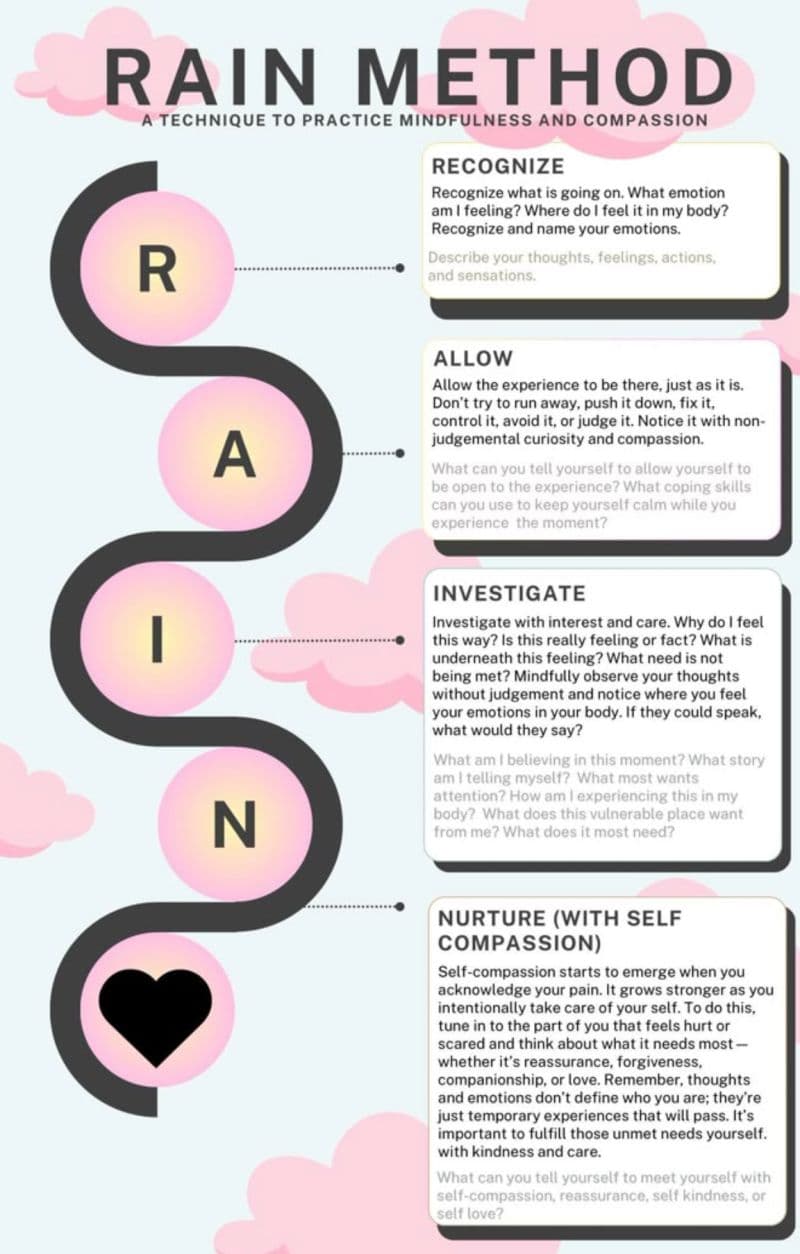
- Recognize. Name what you're actually feeling, out loud or silently. 'I'm anxious.' 'I'm angry.' 'Something feels off.' Just accurate naming, without editing. This step alone interrupts the autopilot reaction.
- Allow. Let the feeling be there without arguing with it, judging it, or trying to make it leave. This sounds simple; it isn't. Most emotional distress is compounded by resistance to the emotion itself.
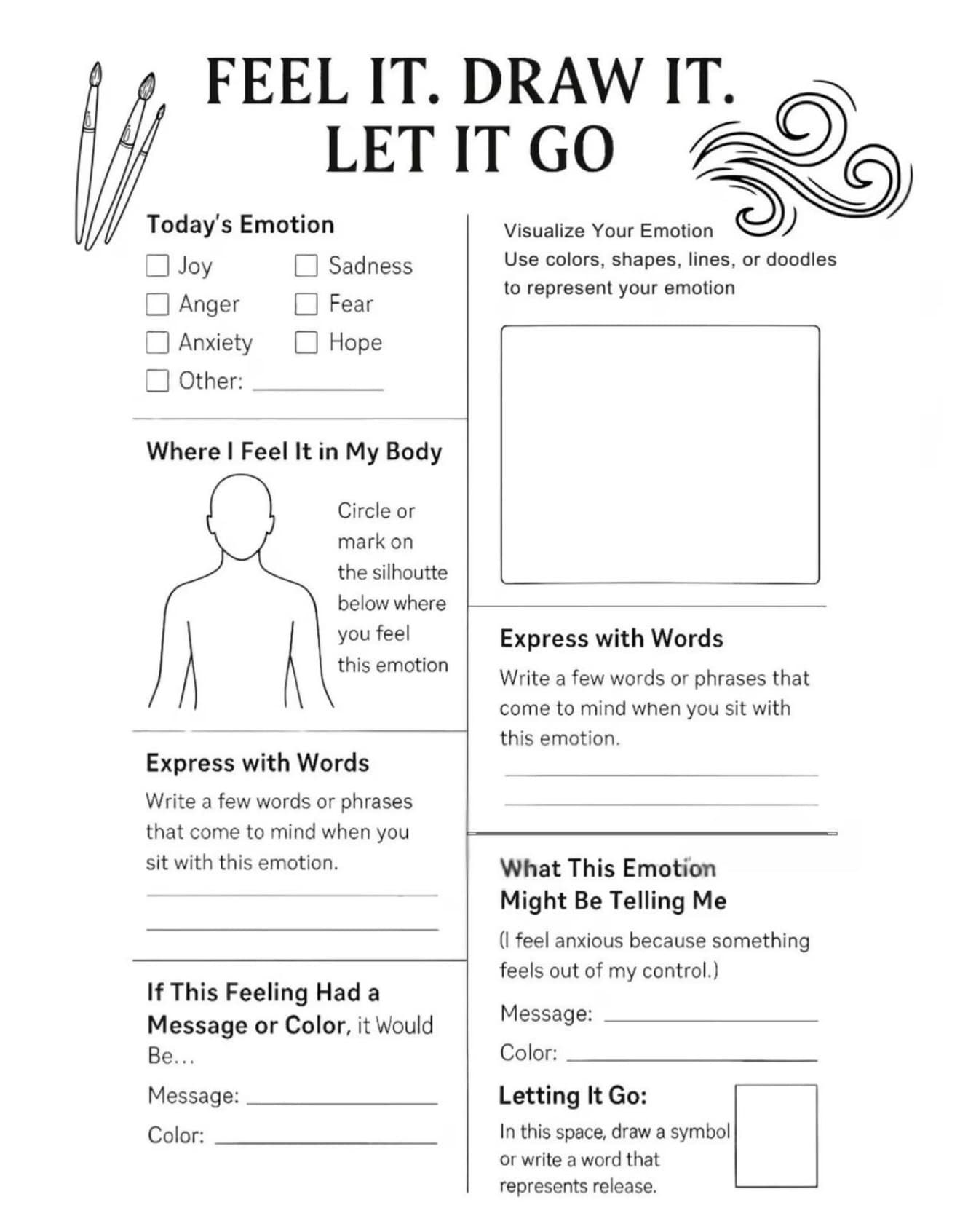
- Investigate. Ask, with genuine curiosity rather than interrogation: where do I feel this in my body? What might be underneath it? What is this feeling trying to protect or point at?
- Nurture. Offer yourself the response you'd offer a good friend in the same moment. A hand on your chest, a kind sentence, a moment of internal acknowledgment. Not to fix the feeling — to keep company with the version of you that's having it.
Why This Works When Suppression Doesn't
When RAIN Isn't the Right Tool
- Acute crisis states. If you're in the middle of a panic attack, actively suicidal, or in an acute trauma response, this is not the moment for a four-step mindfulness practice. It's the moment for direct grounding, professional help, or a crisis line (988 in the U.S.).
- Deep trauma work. Sitting with traumatic material without a trained clinician present can retraumatize rather than help. RAIN can be part of a therapist-guided practice; it's not a DIY replacement for trauma therapy.
- Chronic conditions. RAIN can support treatment for clinical depression or anxiety; it isn't a standalone treatment.
- Immediate action situations. Sometimes the emotion is telling you to leave the room or say the thing. Investigating it can be a way of avoiding acting on it. Use judgment about which mode is called for.
Where LissnUp Fits
Sources & Further Reading
What does RAIN stand for in psychology?
Recognize (name what you're feeling), Allow (let it be there without fighting it), Investigate (curiously, in your body, and about what might be underneath), Nurture (respond to yourself with the compassion you'd offer a friend). Developed by psychologist Tara Brach as a synthesis of mindfulness and self-compassion research.
Is the RAIN method evidence-based?
RAIN itself hasn't been studied as a standalone intervention. Its component practices are well-supported: mindfulness-based interventions like MBSR and MBCT have strong evidence for anxiety, depression, and emotional regulation; Kristin Neff's self-compassion research links compassionate self-response to lower stress and better resilience. RAIN synthesizes these into a workable everyday tool.
How do I actually use RAIN in real life?
When a difficult emotion shows up, pause. Say what you're feeling, out loud or silently (Recognize). Stop trying to make it go away (Allow). Notice where it is in your body and get curious about what's underneath it (Investigate). Offer yourself a kind response — a hand on your chest, a compassionate sentence (Nurture). Two minutes, maybe less. Practiced enough that it's available in real time.
Why does avoiding emotions tend to make them worse?
Suppression uses cognitive resources and doesn't actually make the emotion disappear — it keeps it present in the background and often causes it to surface later in less controlled ways (rumination, irritability, physical tension). Turning toward emotions with structured awareness reduces the amplification that resistance creates. This is one of the most consistent findings in modern emotion research.