Some of what's weighing on you isn't actually yours — it's borrowed worry, absorbed expectation, or energy spent managing things that were never in your hands. This post breaks down the simple but easy-to-forget distinction between what you can genuinely influence and what you'd be better off putting down.
The Weight That Isn't Yours
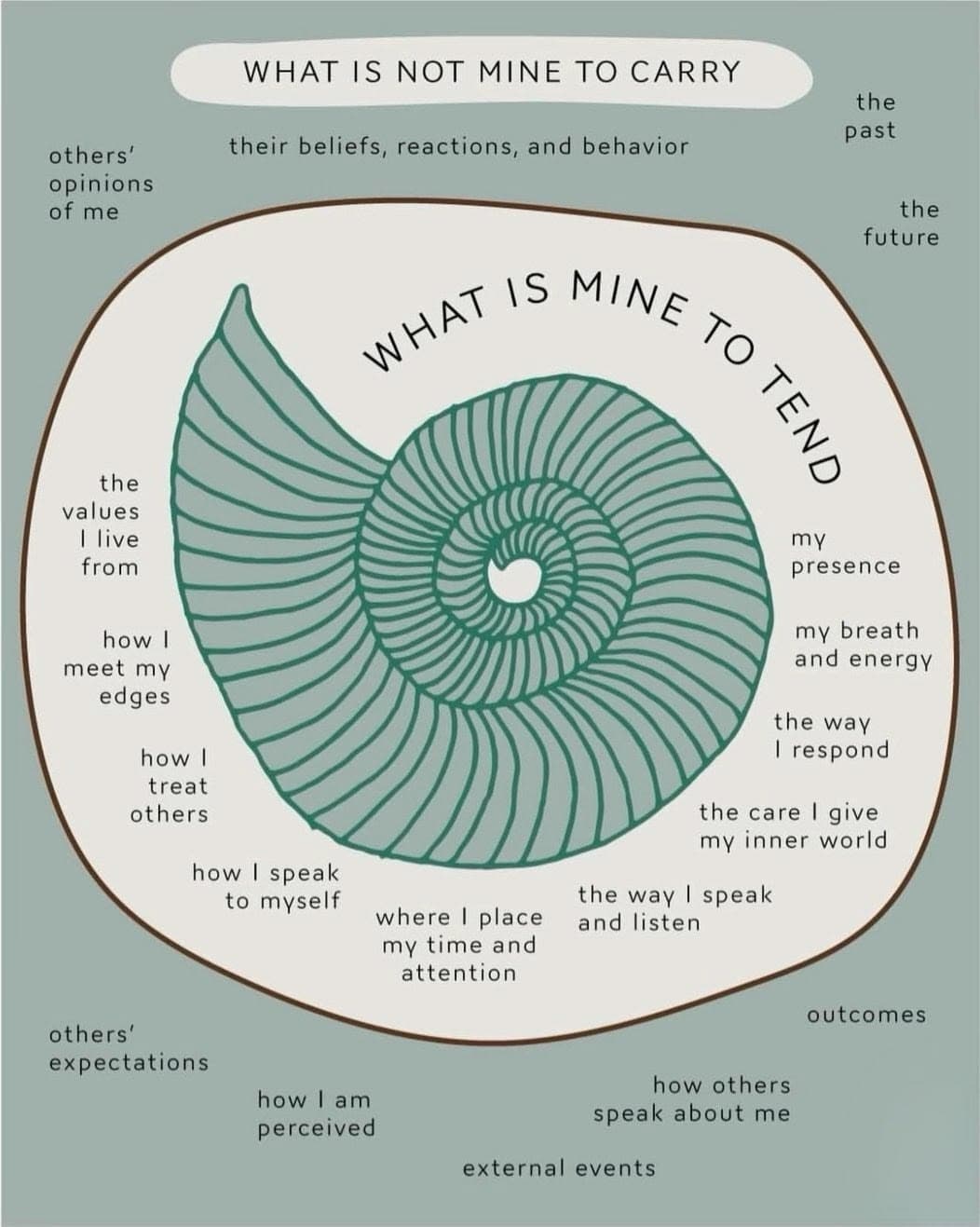
What Actually Falls Outside Your Control
Where Your Influence Actually Lives
The Question Worth Pausing On
How do I know if something is actually mine to carry?
Ask whether you have any real influence over it. If the answer is no — it's someone else's reaction, a past event, an outcome that isn't in your hands — then carrying it is costing you energy without changing anything. That's a signal, not a verdict. Some things are worth worrying about even when you can't fully control them; most things aren't.
Isn't letting go just a way of saying I don't care?
Not really. Letting go of what you can't control is different from indifference. You can care deeply about someone and still stop trying to manage their feelings for them. The distinction is about where you put your effort — not whether you're invested.
Why is it so hard to stop fixating on what other people think of me?
Because the social part of your brain is wired to monitor how you're perceived — that signal kept humans safe for a long time. The problem is it can't tell the difference between a real threat and a colleague's offhand comment. Knowing the fixation is partly wiring doesn't make it go away, but it does make it less personal.
What does 'having influence over your response' actually mean in practice?
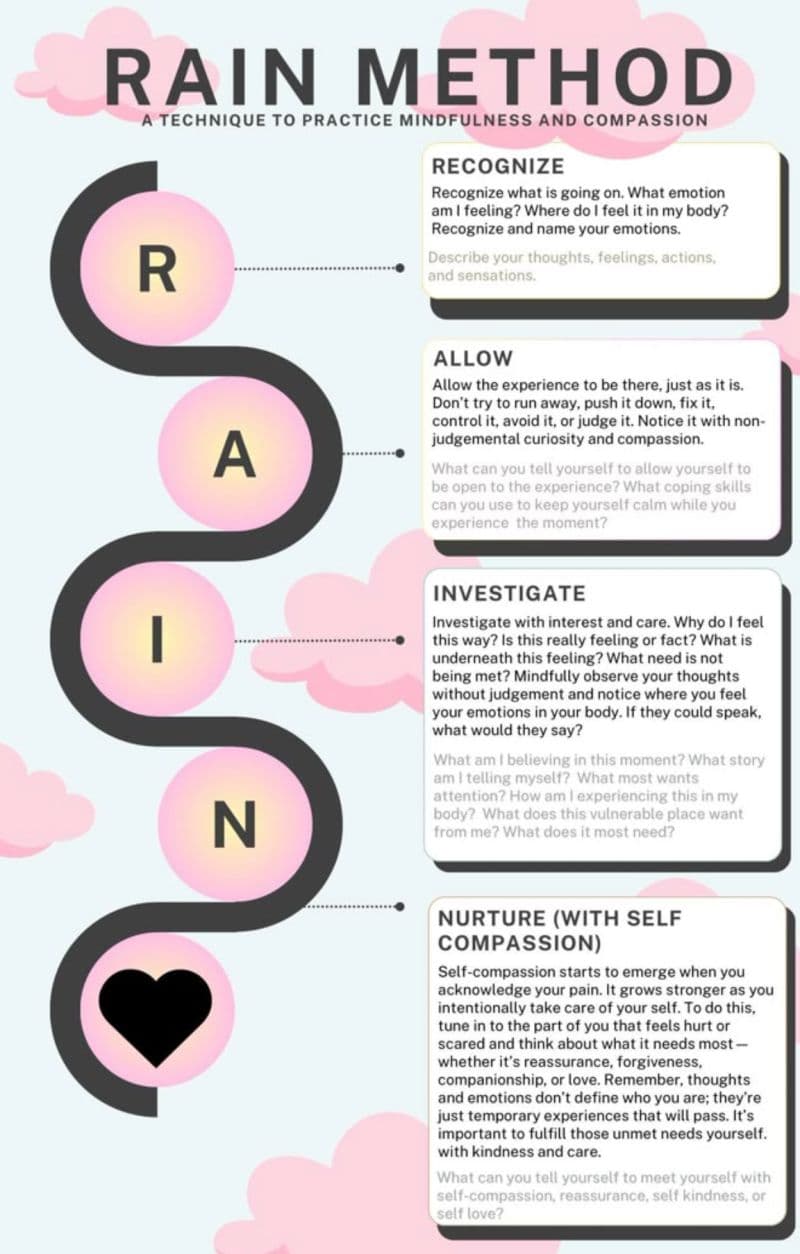
It means you won't always control the first reaction — the flinch, the spike of anger, the spiral into worry. What you can influence is what happens next: whether you act on the reaction immediately, what you tell yourself about it, and whether you let it determine your next move. It's a smaller window of control than people expect, but it's real.