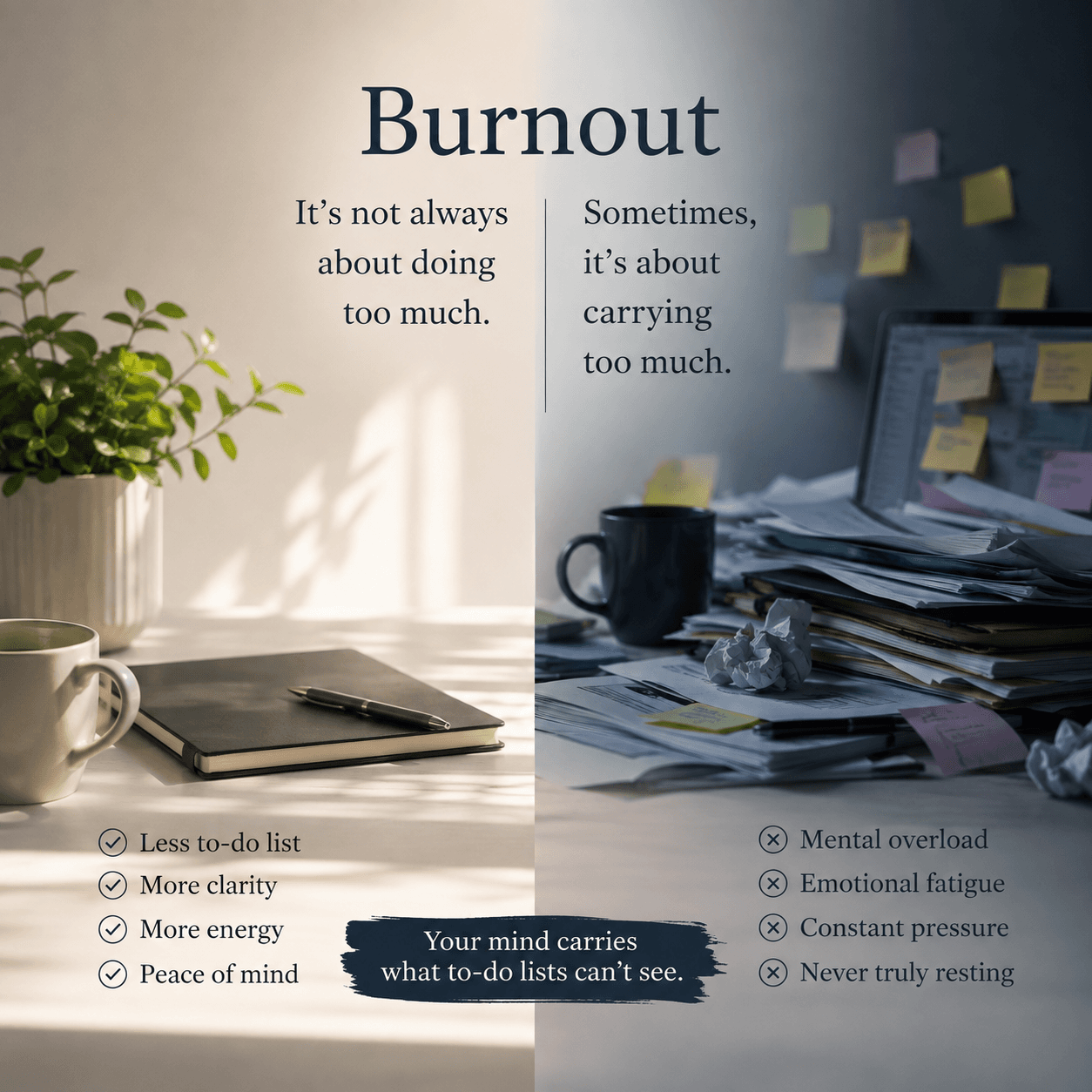
You can spend an entire day at home and still feel completely wrecked — and it has nothing to do with laziness. This post names the kind of exhaustion that comes not from doing too much, but from carrying too much, and why that distinction changes everything about how you recover.
How can I be burnt out if I'm not even that busy?
Burnout isn't a measure of how much you did — it's a measure of how much your mind was carrying. A day full of notifications, unresolved decisions, social pressure, and background anxiety can drain you just as thoroughly as a day of hard physical or professional work. The body doesn't distinguish between types of load very cleanly.
What is mental load and why does it make me so tired?
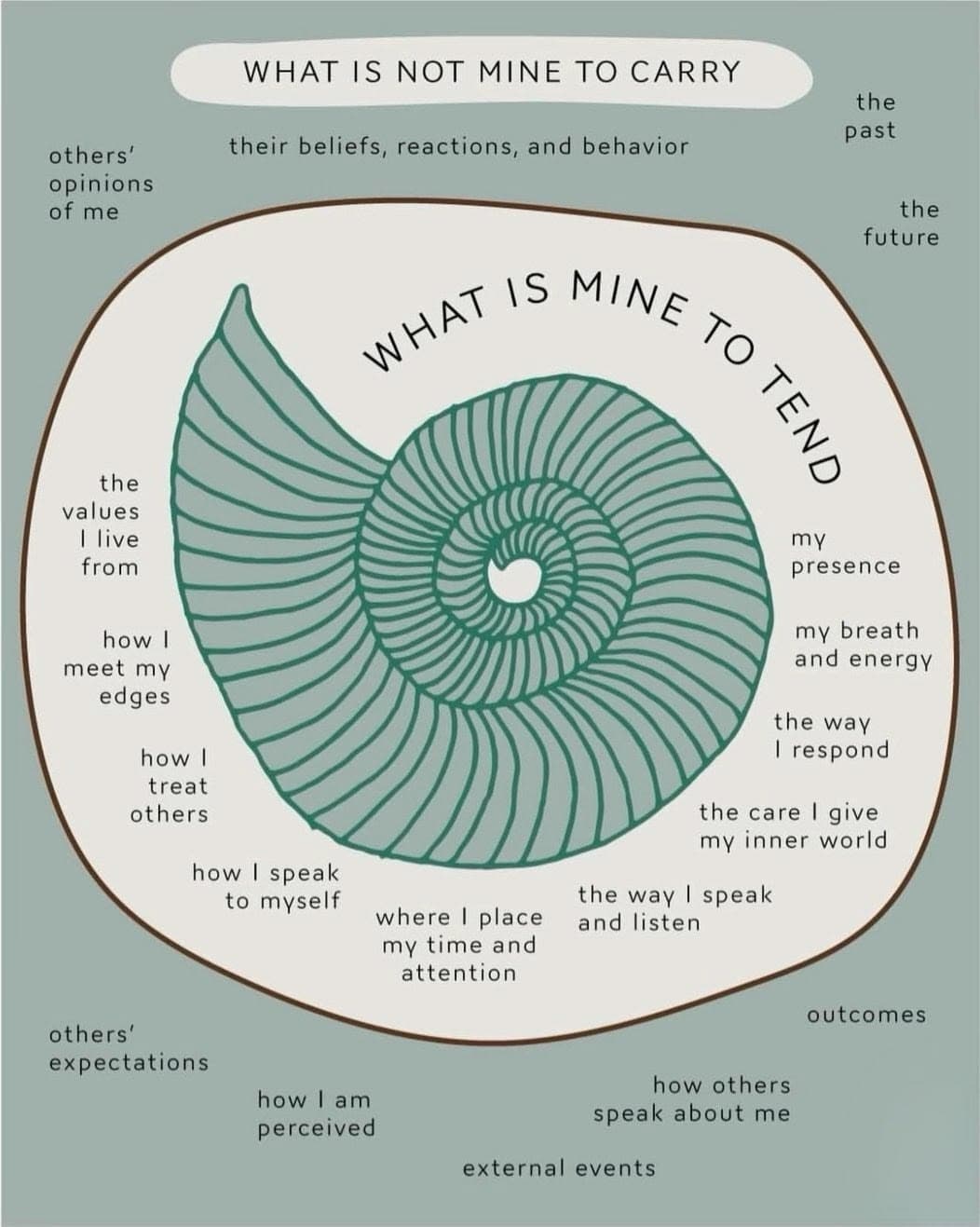
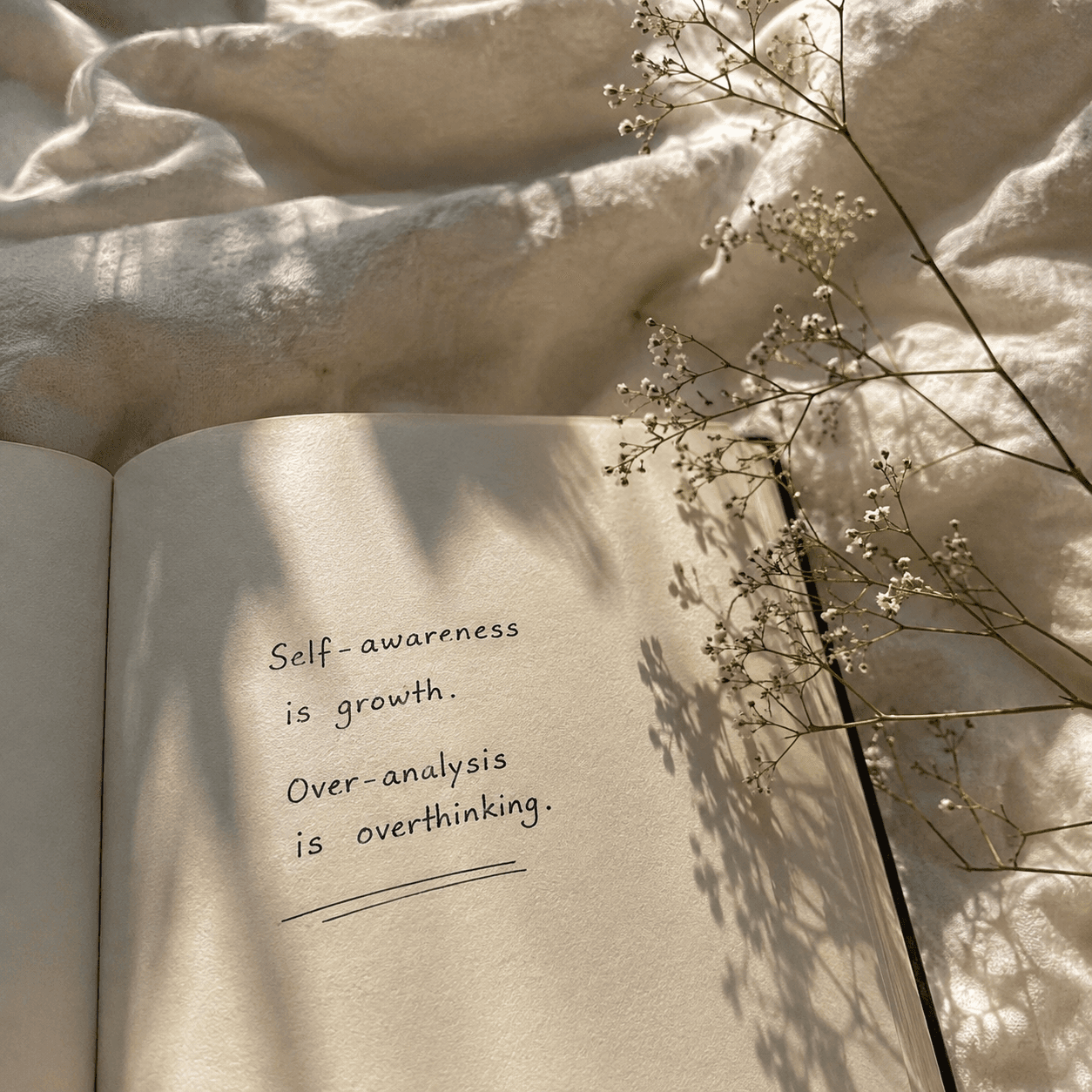
Mental load is the ongoing cognitive and emotional work of tracking, anticipating, and managing everything — even when nothing is actively happening. It includes the 'what ifs,' the unread messages, the decisions you're postponing, the expectations you're quietly managing. It runs in the background constantly, and that background cost adds up.
Why do I feel more exhausted at home than at work sometimes?
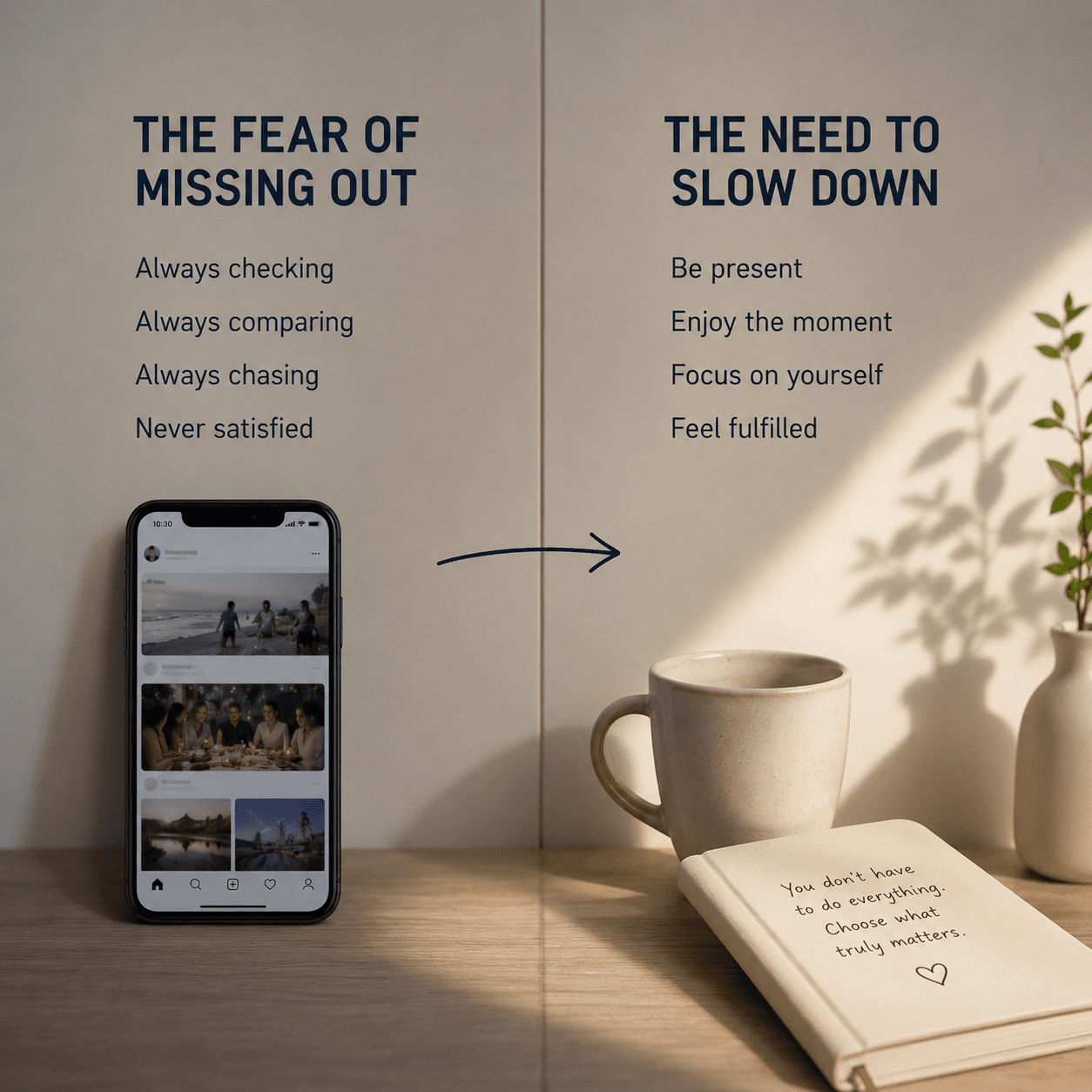
Because the kind of rest your home provides isn't always the kind of rest you need. If you're still fielding messages, watching your phone, comparing your life to others online, or replaying conversations — your nervous system is still working. Physical location doesn't reset mental load.
Is what I'm feeling actually burnout, or just tiredness?
Tiredness usually lifts after a good night's sleep or a day off. Burnout tends to persist — you rest and still wake up depleted, lose interest in things that usually matter to you, and feel a low-level flatness that's hard to shake. If the exhaustion has been consistent for weeks and isn't explained by anything physical, it's worth taking seriously. You can also check out <a href="/blog/am-i-burned-out-signs-symptoms-what-to-do-about-it">Am I Burned Out or Just Tired?</a> for a more detailed breakdown.
What actually helps with this kind of invisible exhaustion?
The most effective first step is naming what you're carrying — not just to yourself, but out loud to someone. Unspoken mental load tends to compound; saying it, even imperfectly, gives it an edge and makes it feel more manageable. After that, matching the recovery to the specific depletion matters: if it's decision fatigue, reduce decisions; if it's social pressure, get some real solitude; if it's emotional buildup, find somewhere honest to say the thing.