Not everyone who performs well is doing well. Behind every job title is a person carrying things nobody asked about and emotional intelligence is what makes the difference between a workplace that just extracts output and one that actually sees people. This post gets into what that looks like in practice, without the corporate-leadership polish.
The Person Who Seems Fine Usually Isn't
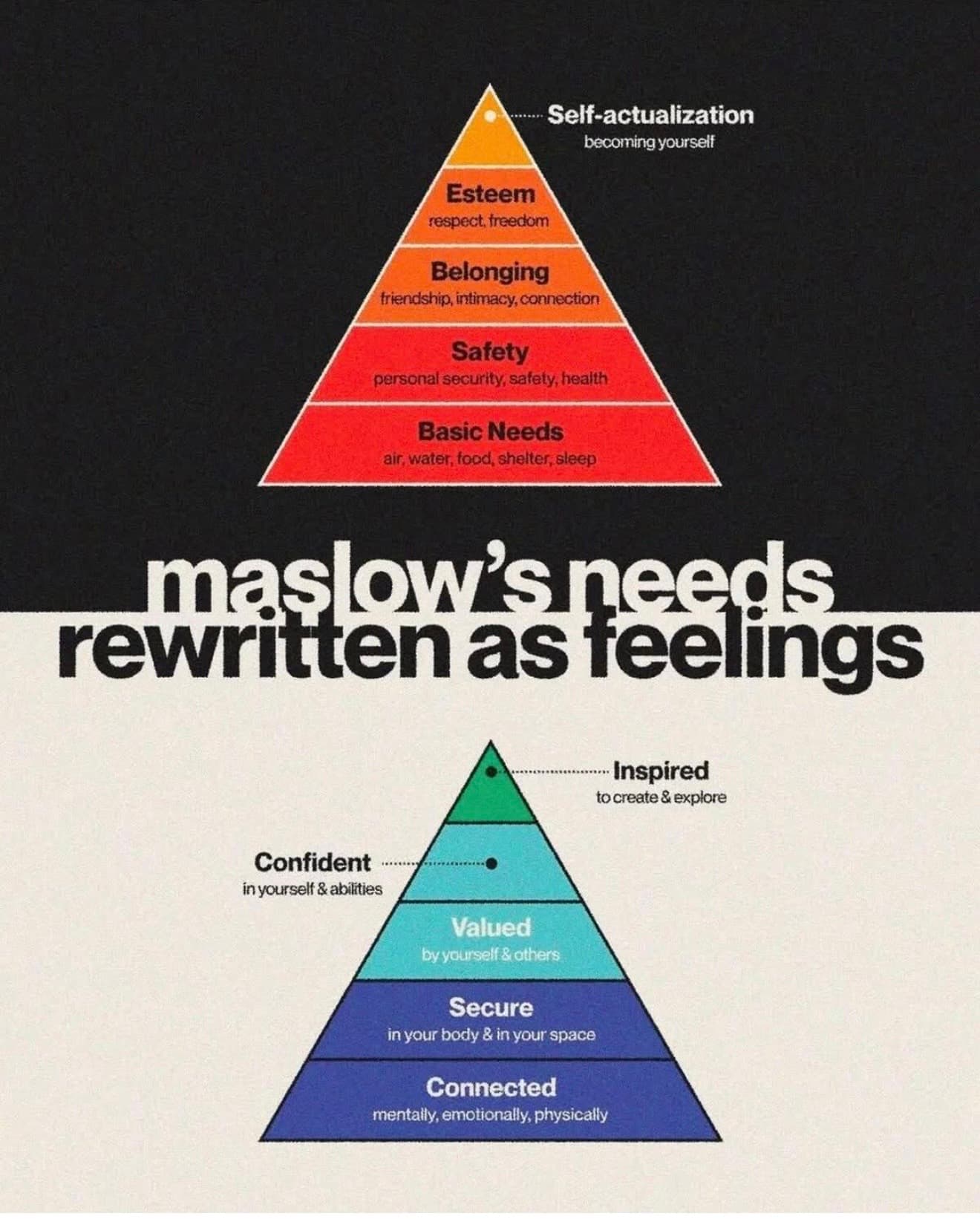
What Emotional Intelligence Actually Is — Not the Poster Version
Why It Matters More Than We Usually Admit
What This Looks Like in Practice
How do I know if someone on my team is struggling emotionally even when they seem fine?
The short answer is: you often can't tell just by looking. High performers are frequently the best at masking. What you can do is pay attention to shifts someone who was talkative going quiet, energy levels dropping, small withdrawals from the group. You don't have to have a diagnosis or a solution. Sometimes asking 'how are you actually doing?' and meaning it is enough to open a door.
Isn't emotional intelligence just a soft skill — why does it matter at work?
The 'soft skill' label undersells it. Emotional intelligence is what determines whether a technically capable person can actually work with other humans without leaving damage in their wake. Teams with higher collective empathy tend to communicate more honestly, recover from conflict faster, and retain people longer. None of that is soft it's operational.
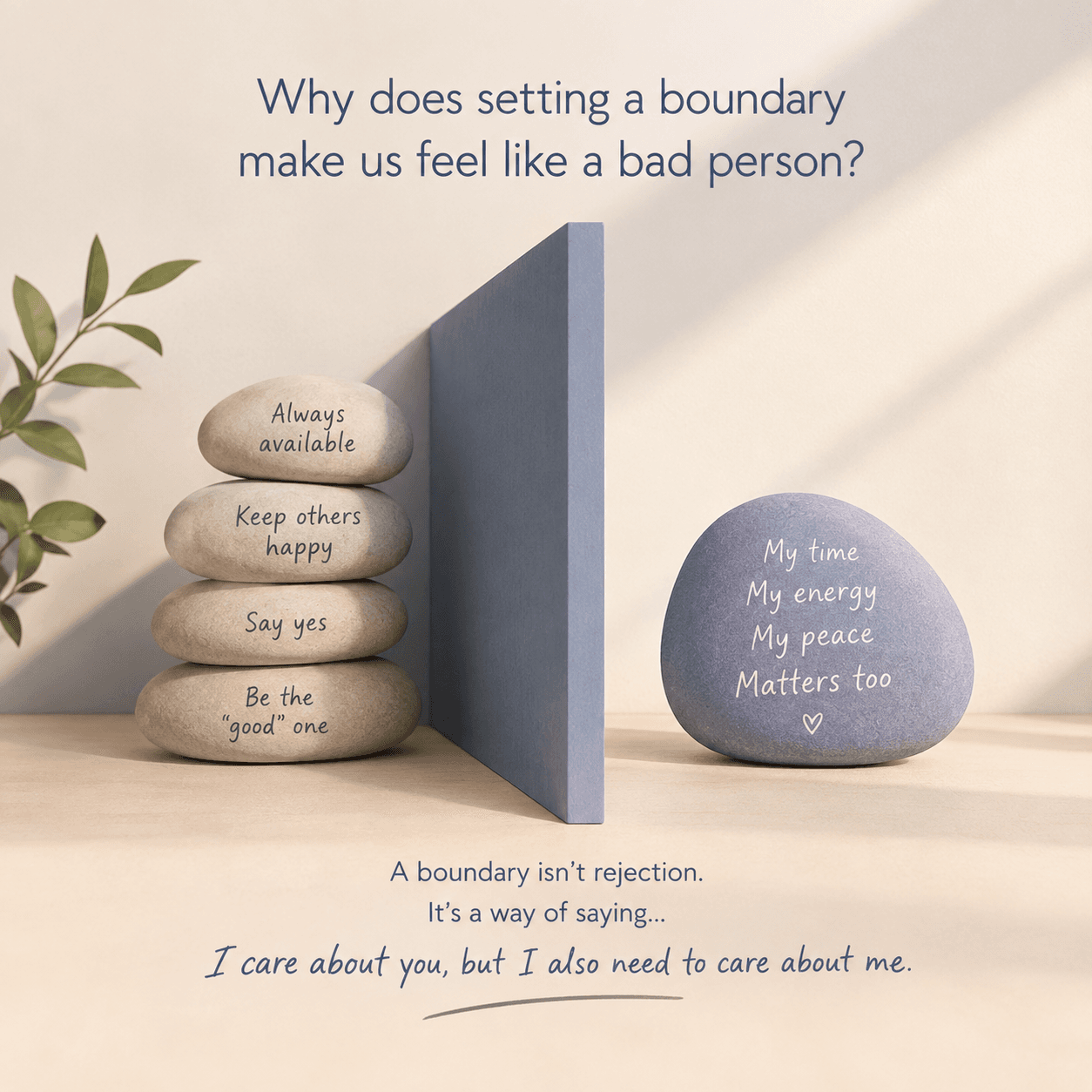
How do I show empathy at work without overstepping professional boundaries?
You don't need to become someone's therapist to show you see them. Acknowledging that something seems hard, asking if there's anything they need, or simply not piling on when someone is already stretched — these are all empathy without overreach. The line is usually: offer presence, don't demand disclosure.
What if I'm the one struggling at work and nobody seems to notice?
That invisibility is one of the harder things to sit with and it's more common than people admit. If you're waiting for someone to notice before you say anything, it's worth considering that most people around you are also carrying things and genuinely missing signals. Saying something small even just 'I'm having a rough stretch' is usually less risky than it feels.