Daily Habits

Daily Habits

Small everyday practices that build emotional capacity.

17 articles tagged “Daily Habits

Daily Habits Articles

17 articles
Emotional Burntout and Stress

Emotional Burntout and Stress

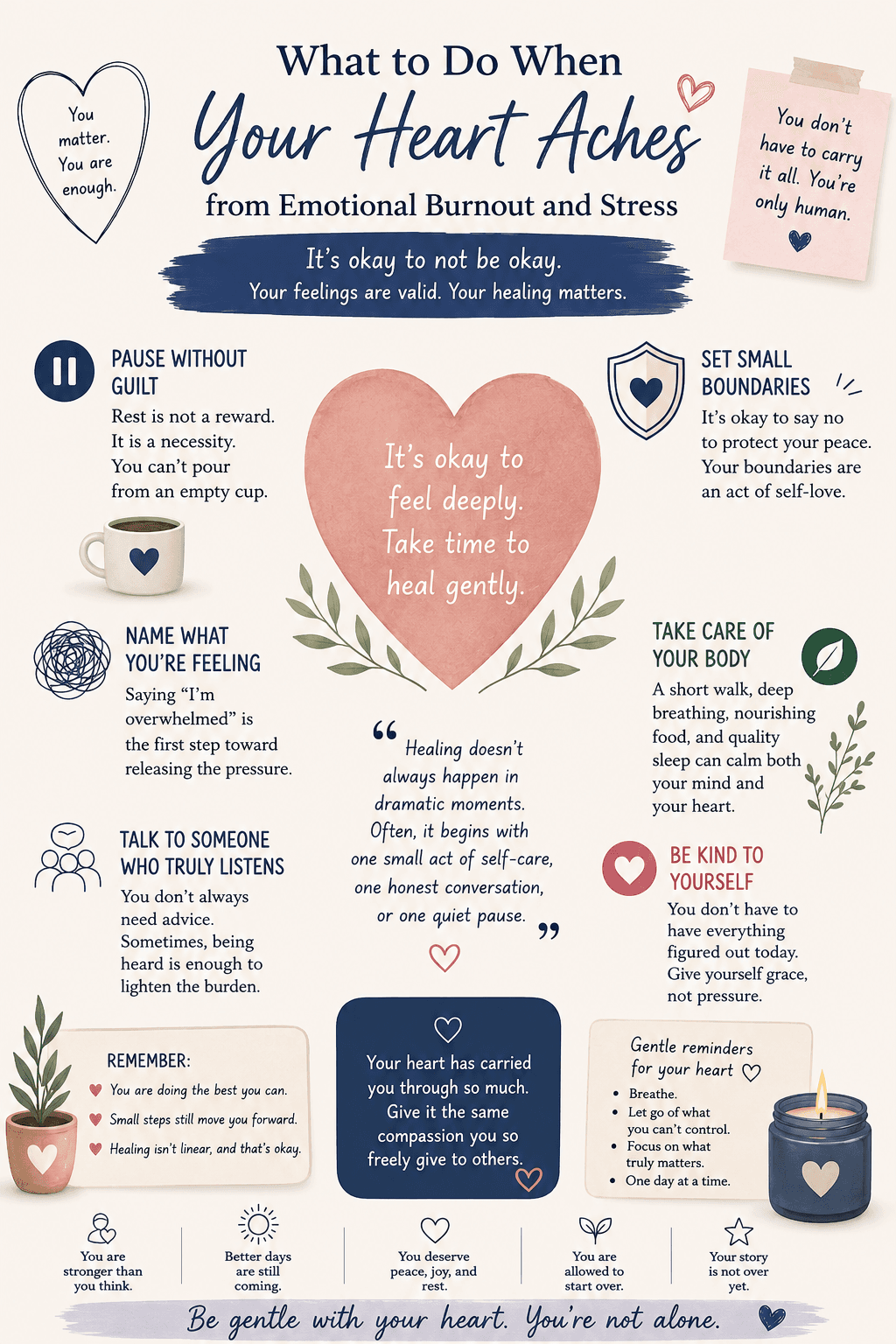
Sometimes the ache in your chest isn't about one specific thing — it's the accumulated weight of carrying too much for too long without enough support. This post looks at what emotional burnout actually feels like, why rest isn't optional, and what tends to help when being strong has stopped working.

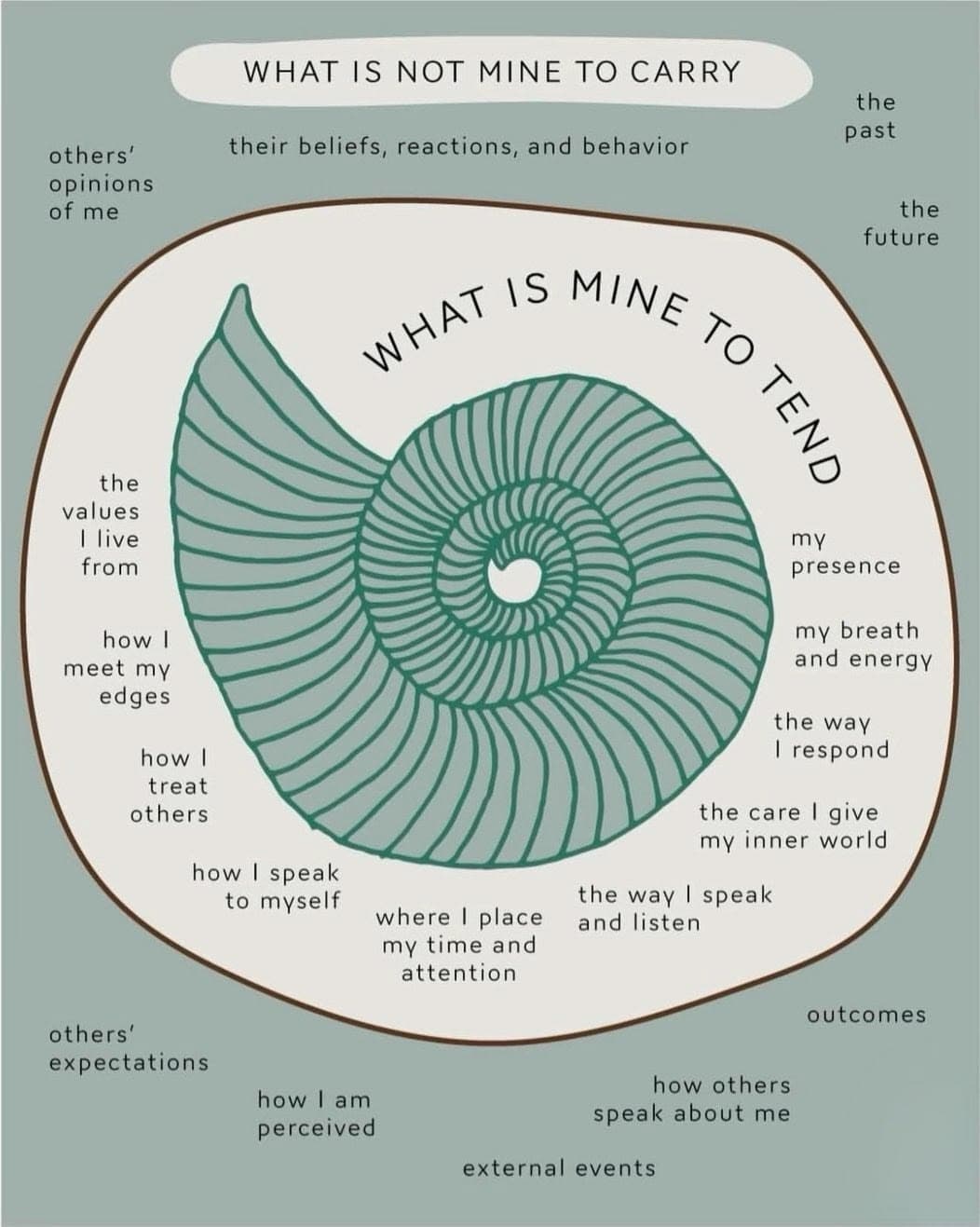
Not everything that weighs on you is yours to carry.

Not everything that weighs on you is yours to carry.

Some of what's weighing on you isn't actually yours — it's borrowed worry, absorbed expectation, or energy spent managing things that were never in your hands. This post breaks down the simple but easy-to-forget distinction between what you can genuinely influence and what you'd be better off putting down.

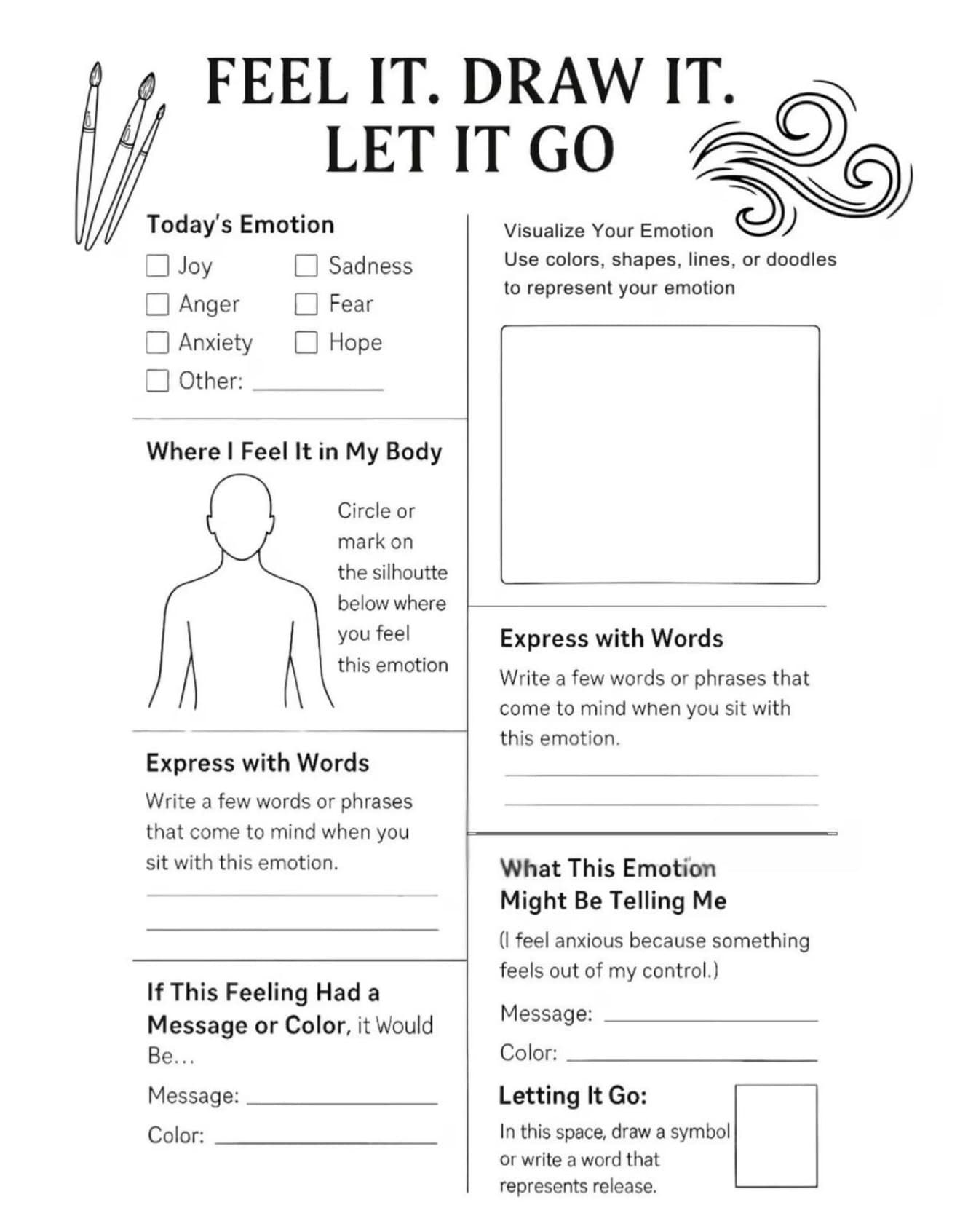
Name It. Feel It. Draw It. Let It Go — A Practice for Emotions Too Big for Words

Name It. Feel It. Draw It. Let It Go — A Practice for Emotions Too Big for Words

Sometimes a feeling is too big or too vague to put straight into words. This is a short practice for those moments — a multi-step way to name, locate, express, and eventually release an emotion so it becomes something you can work with, not just something happening to you.

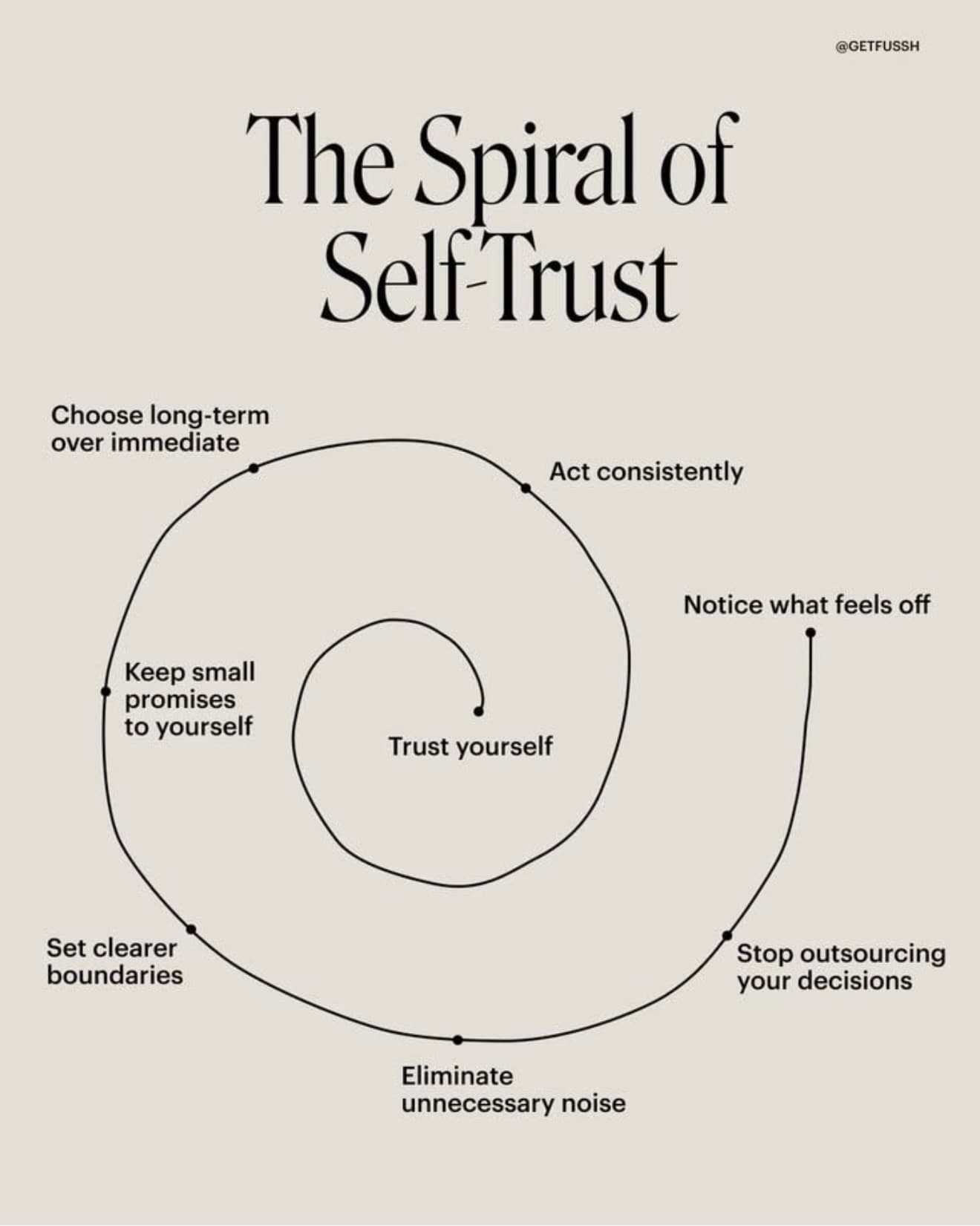
The Spiral of Self-Trust — Why It's Built From Kept Promises, Not Confidence

The Spiral of Self-Trust — Why It's Built From Kept Promises, Not Confidence

Self-trust isn't a personality trait you either have or don't. It's built one small kept promise at a time — the accumulated behavioural evidence that you can rely on yourself. Which also means it's built, or eroded, in the tiny everyday choices most people don't notice they're making.

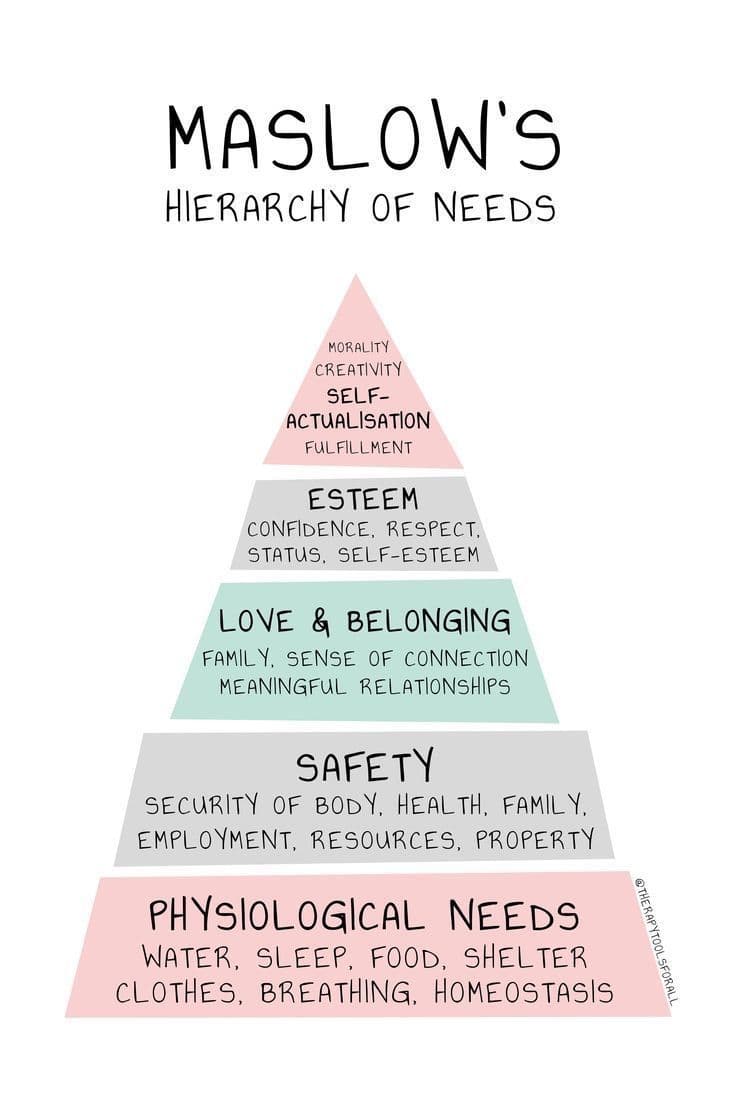
The Maslow-Hierarchy Check-In That Solves Most 'Random' Bad Days

The Maslow-Hierarchy Check-In That Solves Most 'Random' Bad Days

Maslow's hierarchy of needs is one of those things everyone learned in school and no one applies. Used as a real check-in — 'which level of need have I actually been meeting?' — it solves a surprising percentage of the mystery bad days people otherwise try to think their way out of.

Why You're Still Tired on Monday — The Rest You Actually Needed vs the Rest You Got

Why You're Still Tired on Monday — The Rest You Actually Needed vs the Rest You Got

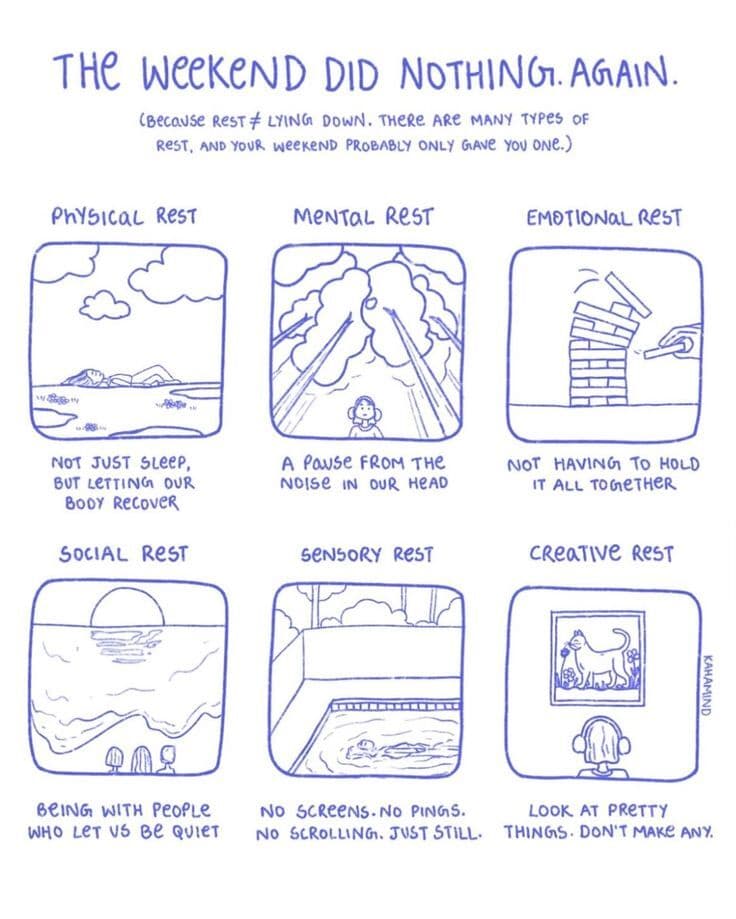
You slept in, took the weekend, tried to do the rest thing right — and Monday still feels like a wall. That's usually not a discipline problem. It's a category error: sleep addresses one kind of fatigue and you were carrying a different one. Here's the actual taxonomy.

Gratitude for People Who Are Suspicious of Gratitude Content

Gratitude for People Who Are Suspicious of Gratitude Content

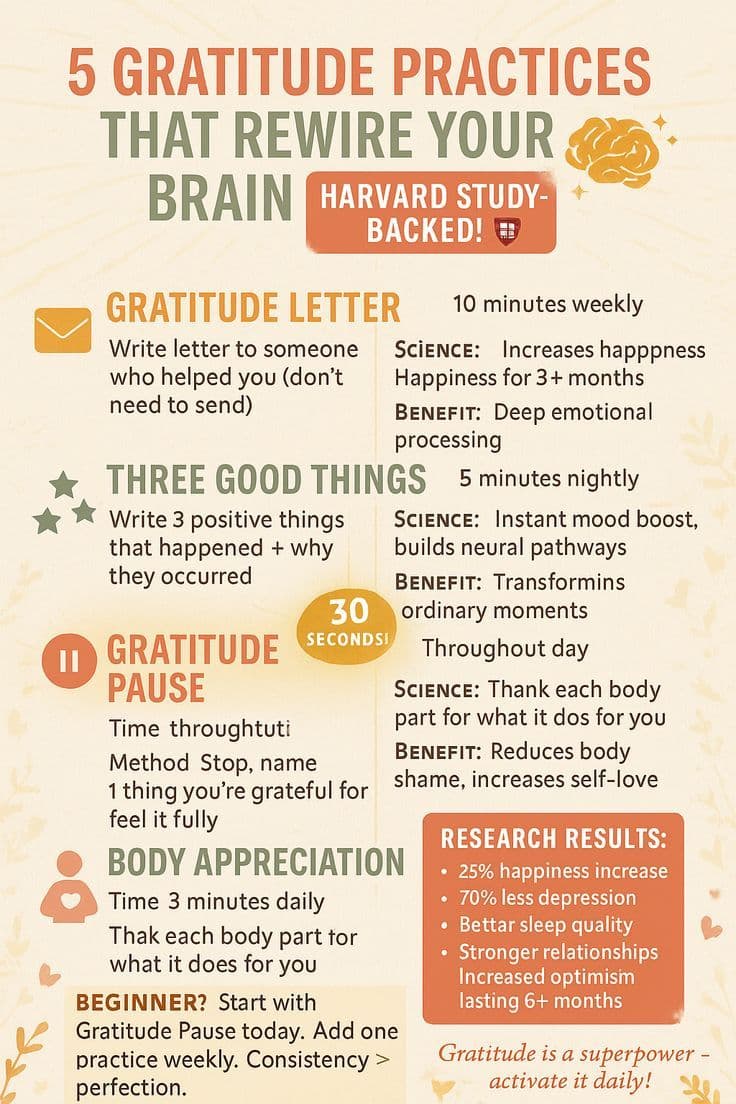
The wellness internet has mostly ruined 'gratitude' as a word — turned it into forced positivity you're supposed to feel about a bad day. The actual research on it is more interesting and much less annoying. Here's the honest version of what gratitude practice does and doesn't do.

The 'Four Happy Chemicals' Story — What's True, What's Oversimplified, and What Actually Helps

The 'Four Happy Chemicals' Story — What's True, What's Oversimplified, and What Actually Helps

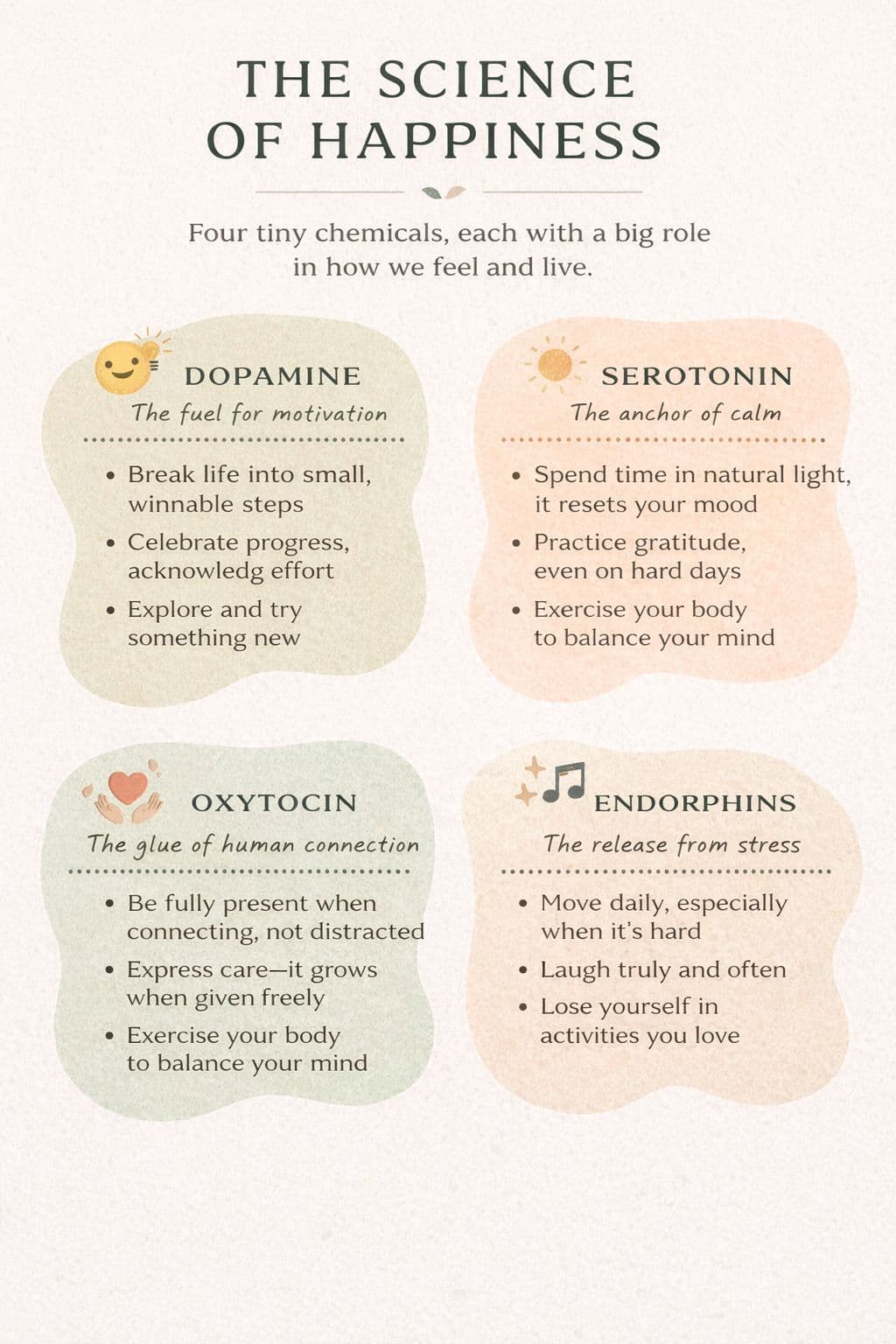
You've seen the 'four happy chemicals' explainer — dopamine, serotonin, oxytocin, endorphins, and the tidy list of habits for each. Most of it is roughly true and dramatically oversimplified. Here's the honest read on what these neurotransmitters actually do and what actually moves the needle on wellbeing.

Self-Neglect Doesn't Feel Like a Crisis Until It Suddenly Is — Where It Actually Costs You

Self-Neglect Doesn't Feel Like a Crisis Until It Suddenly Is — Where It Actually Costs You

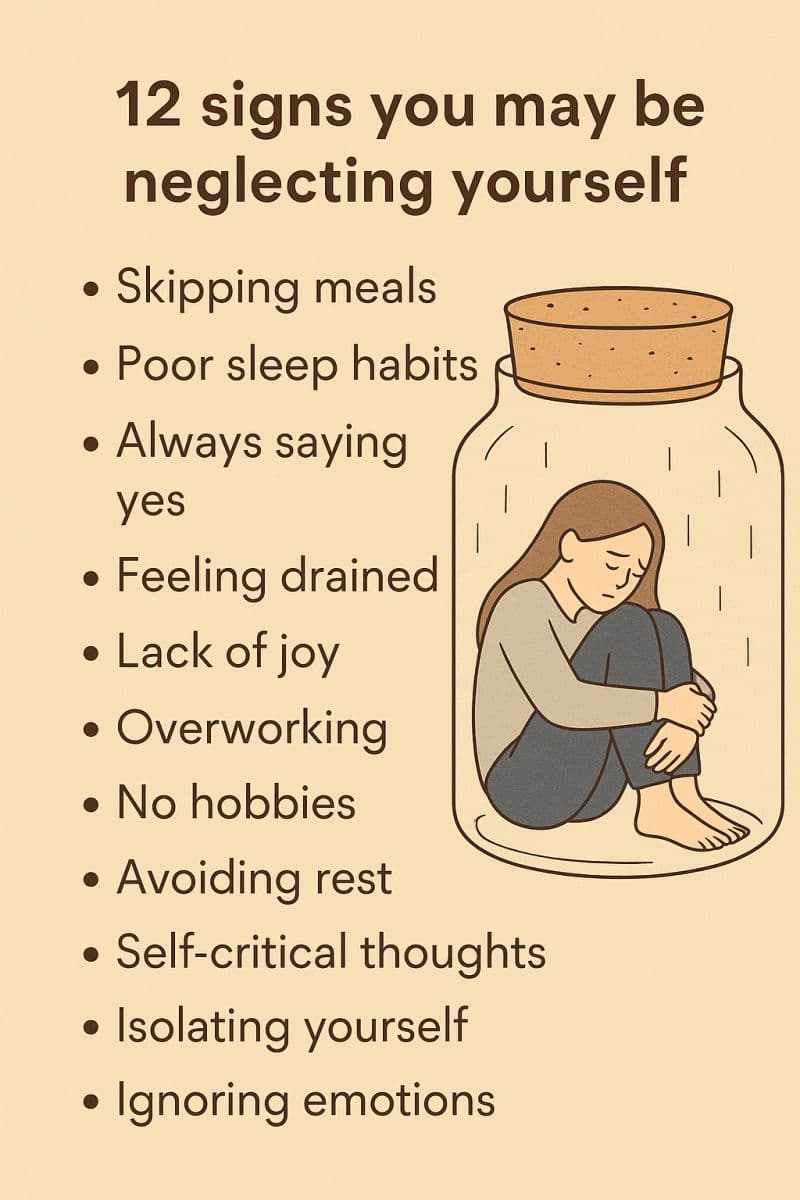
Nobody wakes up one day and decides to neglect themselves. It builds slowly — a missed meal here, a lost hour of sleep there, one more thing added to the load. Then months later everything is a little harder than it should be and you can't quite say why. Here's where the damage actually happens.

Why Discipline Beats Motivation on the Days You Don't Feel Like Doing It

Why Discipline Beats Motivation on the Days You Don't Feel Like Doing It

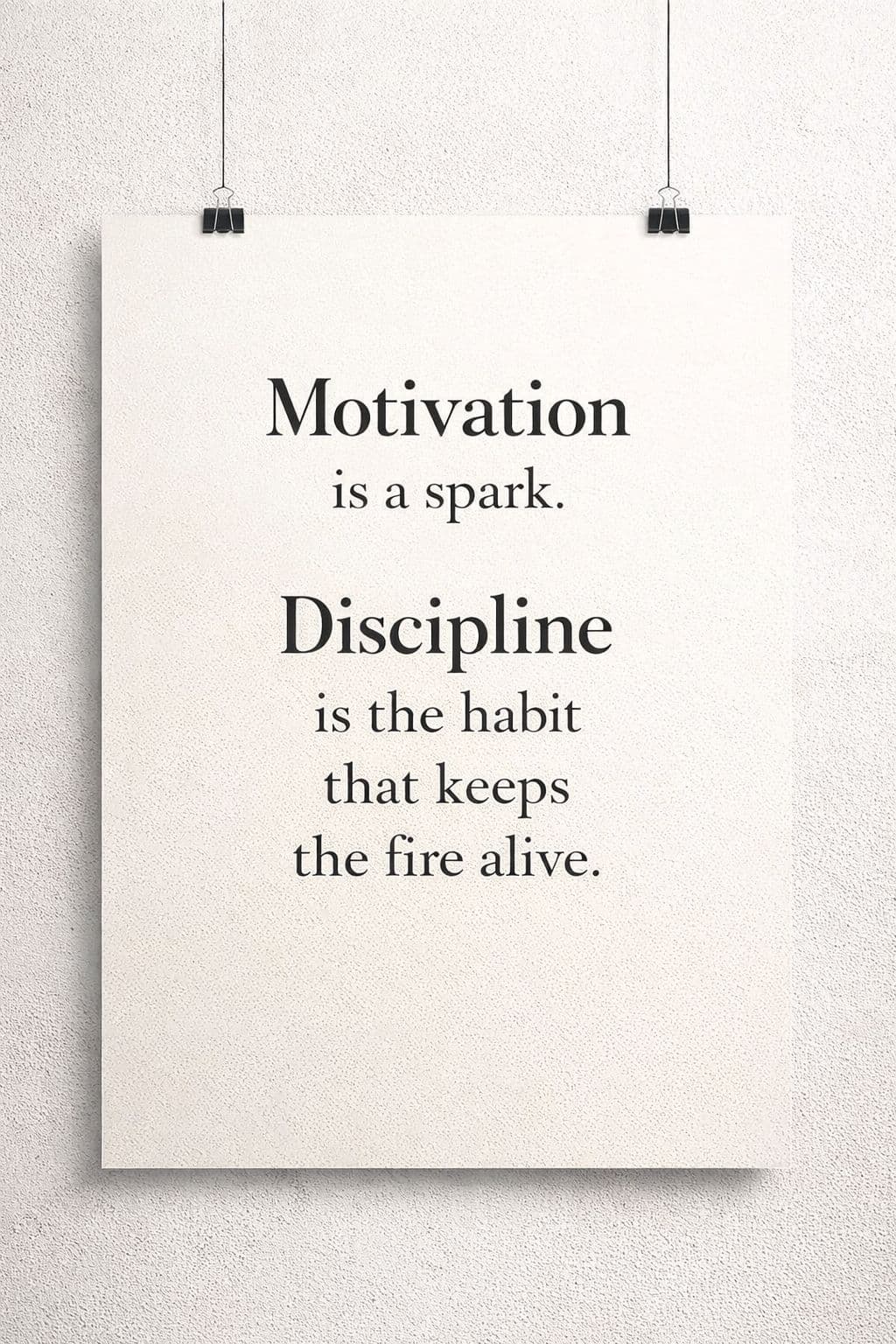
Motivation is what you feel on the good days. Discipline is what shows up on the medium and bad ones. Most of the meaningful things people build in a life get built on the medium and bad days. Here's why, and what to do when the motivation isn't there.

Self-Care Is Maintenance, Not a Reward You Have to Earn

Self-Care Is Maintenance, Not a Reward You Have to Earn

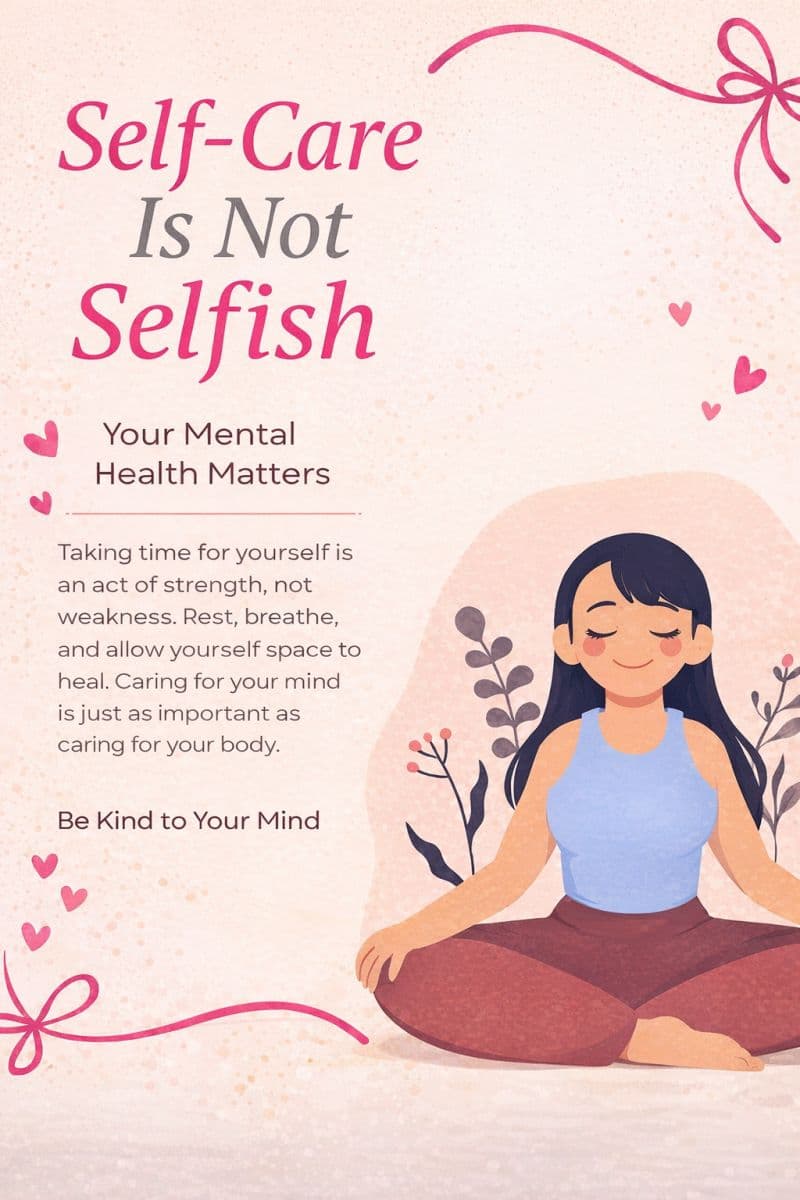
Most of us treat self-care the way we'd treat a spa day — a reward for surviving something hard. Actually it's more like brushing your teeth: the routine, unglamorous version prevents the emergencies that make people think self-care is dramatic in the first place.

Nervous System 'Healing' Without the Wellness Hype — What Actually Helps

Nervous System 'Healing' Without the Wellness Hype — What Actually Helps

You've probably seen 'heal your nervous system' content everywhere lately. Some of it is genuinely useful. A lot of it overclaims what the science actually supports. Here's the honest read on what your autonomic nervous system does when you've been stressed too long — and the small, boring practices that reliably help.

Quick Anxiety Relief for the 'Something Feels Off' Days — Things That Actually Work

Quick Anxiety Relief for the 'Something Feels Off' Days — Things That Actually Work

Not every anxious moment needs a therapist. Some days you just wake up with a buzz in your chest, or something lands wrong at 3pm, and you need to bring the level down without dropping everything. Here's the short list of things that actually help in real time — and the honest note about when they're not enough.

Why Do I Have Zero Motivation Lately? Daily Habits That Actually Help

Why Do I Have Zero Motivation Lately? Daily Habits That Actually Help

This piece looks at daily habits that reliably support motivation, focus, and mood — with an honest read on what the research does and doesn't say about dopamine, and less of the pop-neuroscience 'boost your levels' framing that oversimplifies how the system actually works.

Why Your Brain Needs a Digital Detox: What Constant Screens Actually Do

Why Your Brain Needs a Digital Detox: What Constant Screens Actually Do

This piece looks at what constant screen use actually does to attention, focus, and sleep — what the research supports and what it doesn't — and the practical strategies for reclaiming some of the mental space the always-on default has been costing.

Why Little Stresses Add Up (And What Actually Helps)

Why Little Stresses Add Up (And What Actually Helps)

Everyday stressors don't feel worth talking about — until they've stacked into something heavier. This piece looks at what happens in your body when small stresses accumulate, why they're harder to notice than big ones, and small habits that actually break the pattern.

Why Walking Helps You Process Feelings You Can't Sit Still With

Why Walking Helps You Process Feelings You Can't Sit Still With

There's a specific kind of emotional weight that gets heavier if you try to sit with it — the mind spirals, the body tightens, and the whole thing amplifies. Walking is one of the few reliable ways to move through that state without either suppressing it or getting stuck in it. Here's why the research keeps landing on this, and how to actually use it.

Topics that show up alongside Daily Habits across the LissnUp blog.