Nobody wakes up one day and decides to neglect themselves. It builds slowly — a missed meal here, a lost hour of sleep there, one more thing added to the load. Then months later everything is a little harder than it should be and you can't quite say why. Here's where the damage actually happens.
How the Slow Version Works
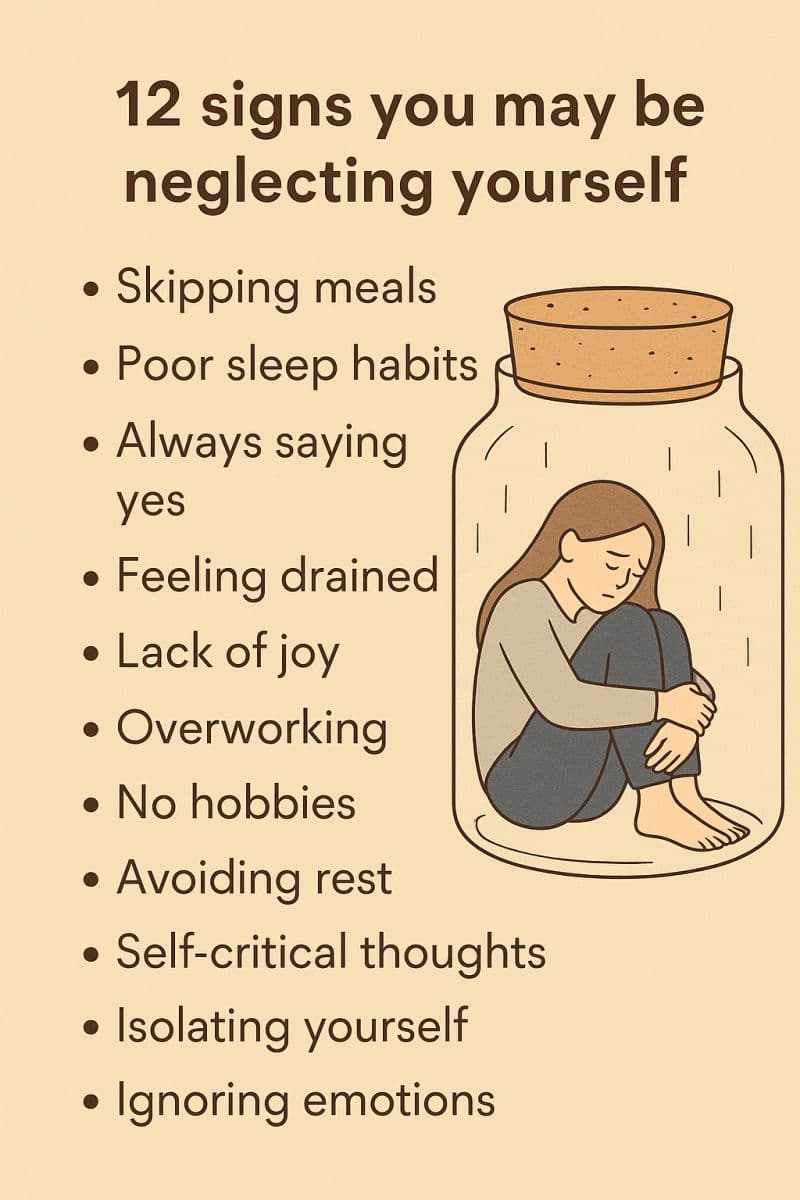
Self-neglect is almost never a single decision. It's the third missed lunch this week. The Sunday you didn't take a walk. The doctor's appointment you meant to book two months ago. The friend you kept meaning to call. None of these are the problem on their own. What accumulates over months is the problem.
The insidious part is that the cost doesn't show up right away. You feel a little more tired than usual, a little more irritable, a little less like yourself. Nothing dramatic. Then a season goes by and you realize something has quietly shifted, and it's hard to trace back to when.
Where the Body Registers It First
The body keeps the score most reliably. Skipped sleep, chronic under-eating, no movement, high caffeine, and unaddressed stress all show up physically before they show up in your awareness of them. The American Psychological Association's summary of stress-and-health research consistently links prolonged unmanaged stress and disrupted basics (sleep, food, movement) with elevated risk of anxiety, depression, cardiovascular problems, immune suppression, and cumulative fatigue that doesn't resolve on weekends.
None of that requires a diagnosis to be affecting you. Persistent tiredness that sleep doesn't fix, digestion that's off, headaches that show up on schedule, catching every cold going around — all of these are the body sending information about a maintenance debt that's been building.
Where It Shows Up At Work
Self-neglect at work looks like the specific version of fatigue where you're getting things done but everything takes 20% longer than it should. Focus fragments. Small tasks feel disproportionately heavy. Creative work stops arriving. You catch yourself rewriting the same email three times. Meetings you would normally have handled easily leave you drained.
Most people interpret this as needing to work harder — because at first, working harder produces enough short-term output to hide what's happening. That reinforces the neglect pattern and delays the correction. If this description is matching what your last quarter has looked like,
silent burnout is probably a more accurate diagnosis than 'I just need to be more disciplined.'
Where It Shows Up in Relationships
When you're depleted, you have less to give — less patience, less presence, less generosity. You withdraw from people you actually like. You get irritable at things that wouldn't normally bother you. You may spend time with the people closest to you while being mostly not-there.
Most of the relational cost of self-neglect isn't visible to the other person — they just notice you seem a bit distant, a bit shorter, a bit less interested. Left long enough, this is how connections quietly erode. Not through big incidents. Through the accumulated small absences of a person who was too depleted to fully show up.
What to Do Once You've Noticed
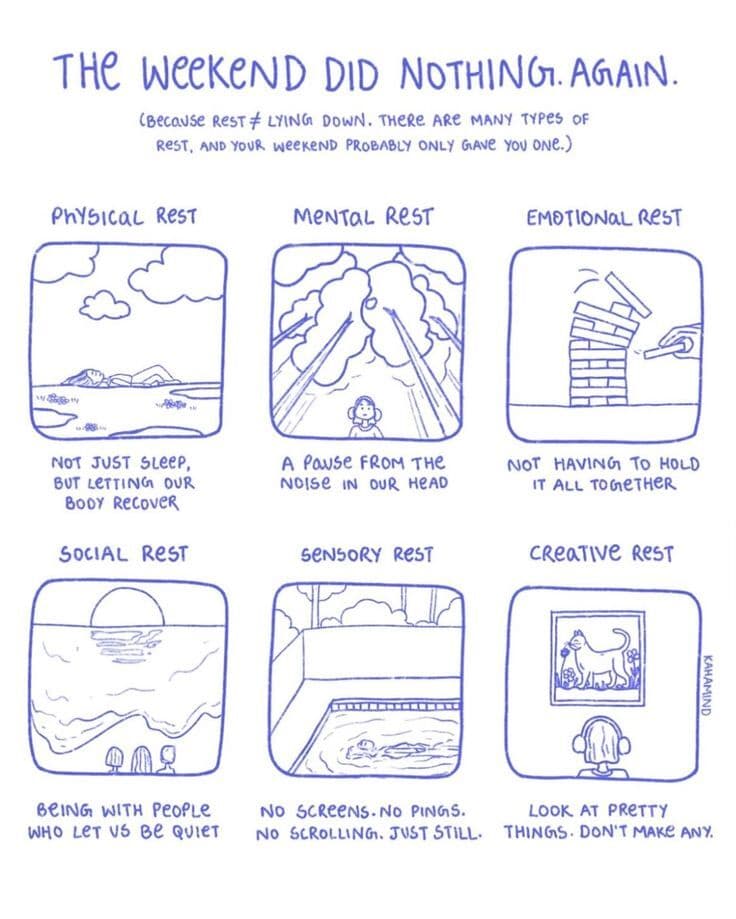
Noticing is genuinely most of the work. Once you can name that you've been running a maintenance deficit for a while, the correction isn't complicated — it's just uncomfortable, because it involves choosing rest and basics over the momentum of doing more.
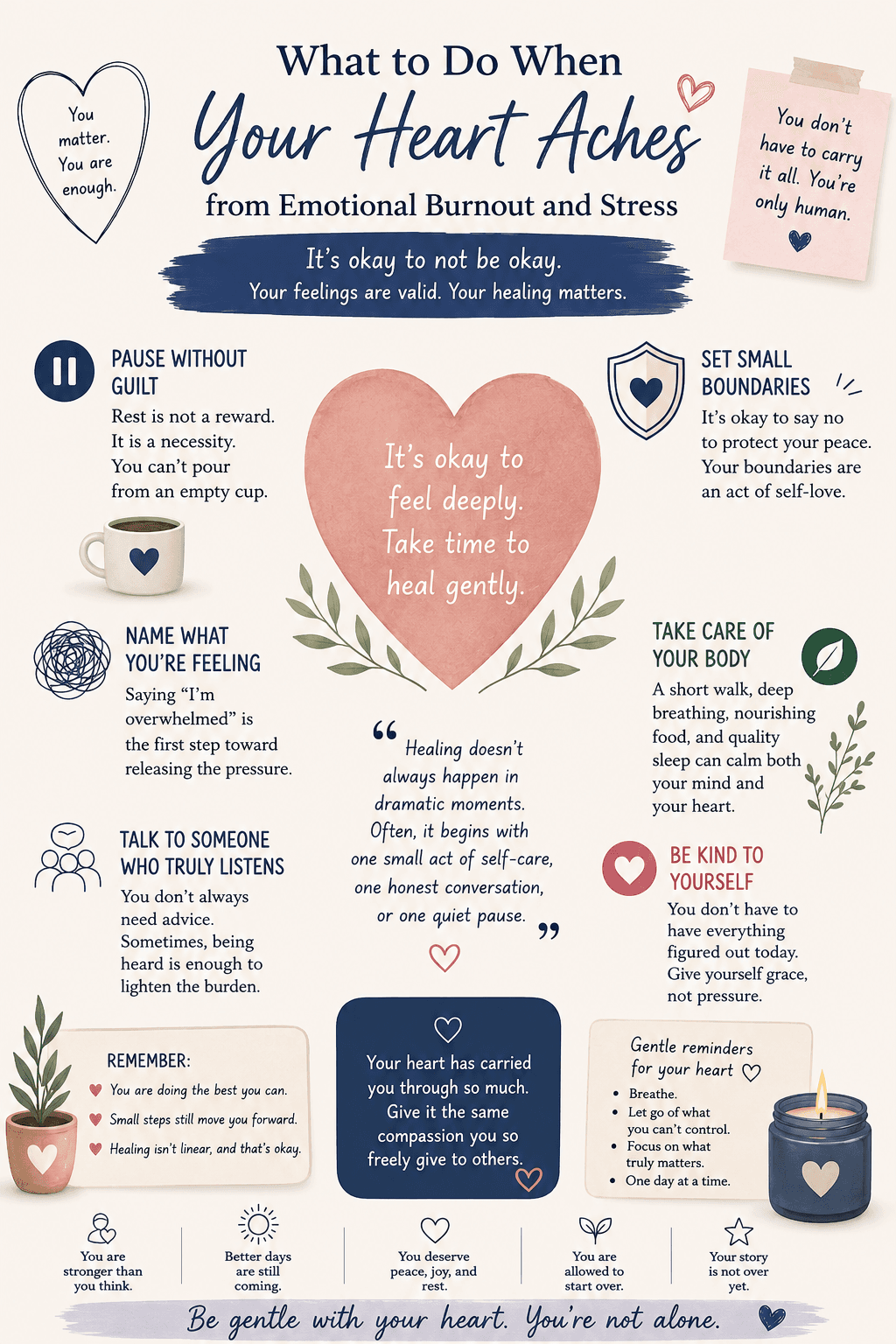
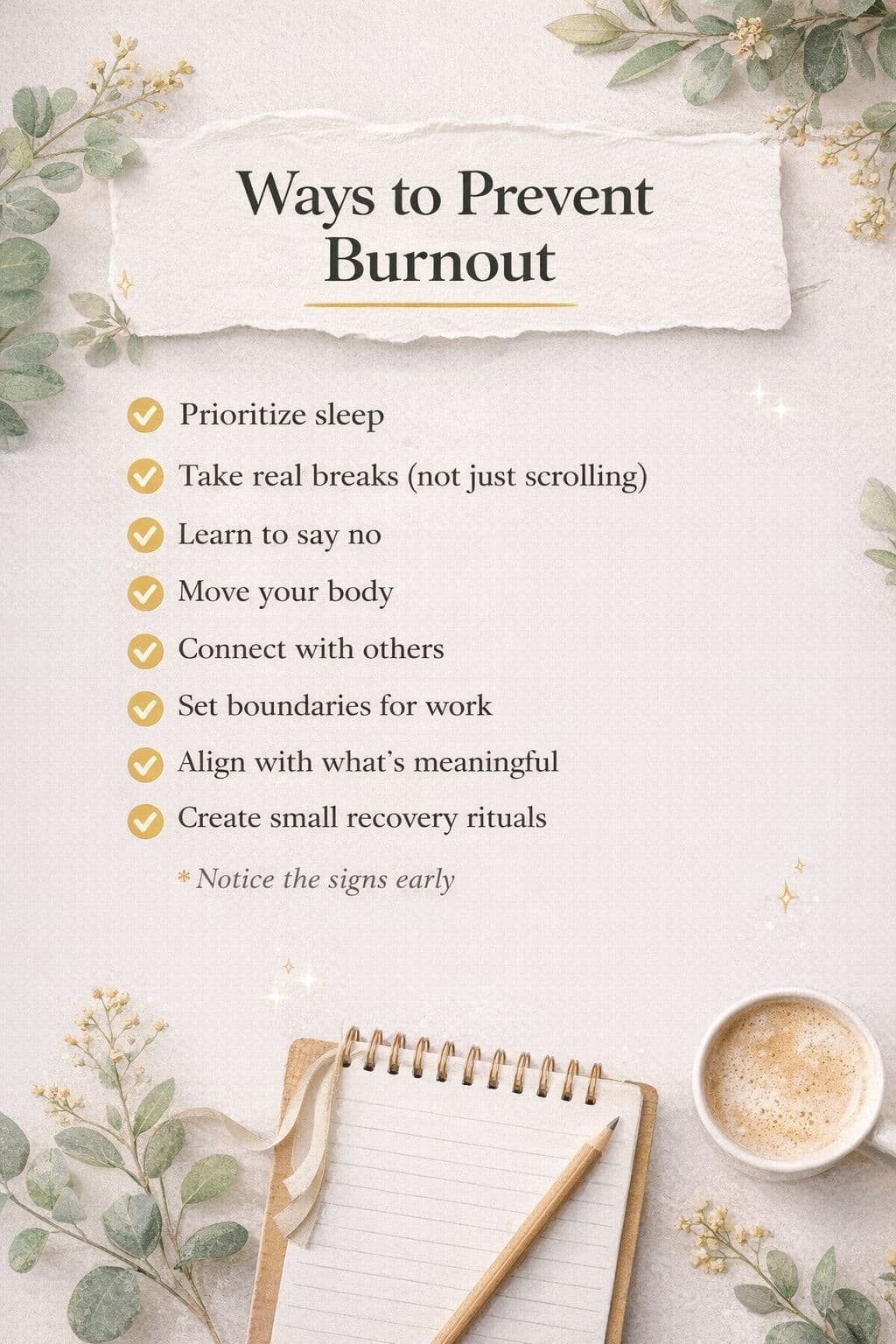
Start absurdly small. One protected weekend evening this week. One 20-minute walk tomorrow. One meal not eaten at your desk. One conversation with the friend you've been meaning to call. Any of them, done once, moves you off zero. Do a few of them consistently for a few weeks and the baseline resets faster than you'd expect. For more on the reframe from self-care-as-luxury to self-care-as-maintenance,
the maintenance version of self-care is the sibling read.
When Talking About It Is Part of the Fix
A lot of long-term self-neglect is held in place by a specific unwillingness to admit — to yourself or anyone else — that you're not okay. Saying it out loud, once, to a person who won't judge you or make it their problem, is often what breaks the pattern. It's the thing that stops the silent version of the neglect from being silent.
A trained listener at LissnUp is one specific option for that: an anonymous adult whose whole role is to hear the version you haven't been saying to the people around you. Not a therapist and not a substitute for one — just the outside person you talk to when the first step is admitting the pattern out loud.