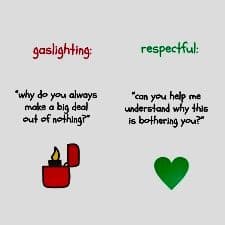
In difficult conversations, our words can either create clarity or cause confusion. Gaslighting seeks control. Respect seeks connection. Words are powerful—choose the ones that heal, not the ones that harm.
Words That Create Clarity or Confusion
What Gaslighting Looks Like
What Respectful Communication Looks Like
The Key Difference
Choose Words That Heal
Sources & Further Reading
What is gaslighting?
Gaslighting is a form of emotional manipulation where someone makes you question your own reality, memory, or feelings. It can happen in personal relationships, workplaces, or families, and often builds gradually over time.
How do I know if I'm being gaslighted?
Common signs include constantly doubting yourself, feeling confused after conversations, apologising excessively, feeling like you're 'too sensitive,' and struggling to make decisions because you no longer trust your own judgment.
Can gaslighting happen unintentionally?
Yes. Some people gaslight without realising it, often because they learned these communication patterns growing up. However, the impact on the other person is still harmful regardless of intent. Awareness is the first step to change.
How can I respond to gaslighting?
Trust your feelings and experiences. Document conversations if needed. Set clear boundaries. Seek support from trusted friends, family, or professionals. Remember: your reality is valid, and you don't need anyone else's permission to feel what you feel.