When a parent shares something hard about aging, the reflex to solve it is almost automatic. Most of the time it's the wrong move. What most aging parents actually need — and what most adult children never quite manage — is someone in their life who can hear the difficult thing without immediately trying to fix it.
The Reflex That Gets in the Way
What Actually Helps in the Moment
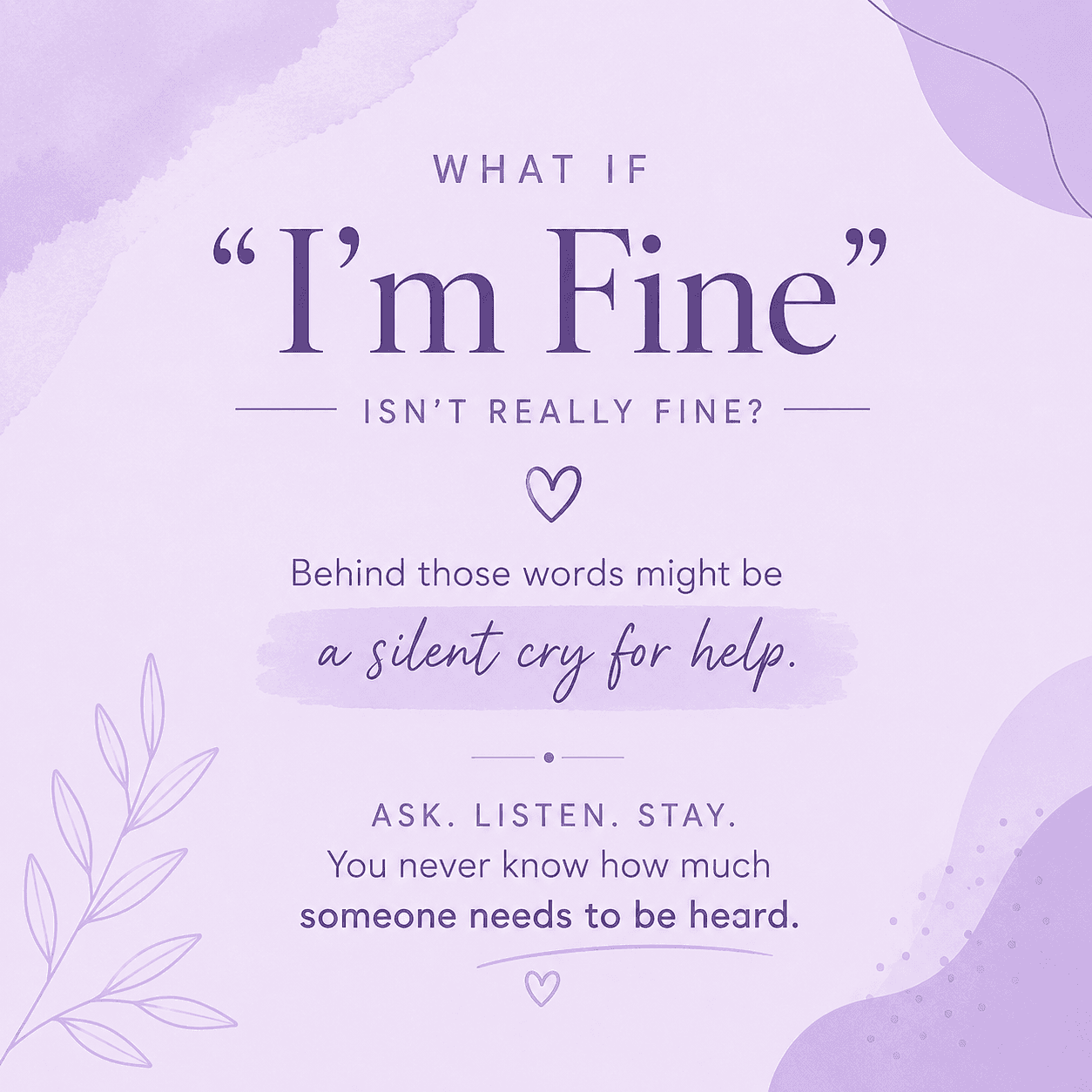
- Ask better opening questions. 'How are you?' produces 'fine.' 'What's been on your mind lately?' or 'What's been the hardest part of this week?' opens more room.
- Reflect back what you heard. When your parent says 'I hate feeling so dependent,' try 'It sounds like losing independence has been really hard.' You're acknowledging their experience is real without needing to fix it or reassure them out of it.
- Sit with the discomfort. When parents share fears about aging, illness, or death, it's normal to feel your own anxiety about losing them spike. Notice the urge to redirect the conversation — that's often the moment they most need you to stay.
- Don't panic-reassure. 'You're not a burden' or 'That won't happen' shuts down what they were trying to share. 'Tell me more about what makes you worry about that' keeps the door open.
The Themes That Come Up Repeatedly
Building Ongoing Connection, Not Just Managing Logistics
When to Bring in a Professional
- Persistent hopelessness lasting more than two weeks.
- Any talk of not wanting to live, or wishing they weren't here — take this seriously.
- Dramatic personality changes, especially in combination with memory changes.
- Significant difficulty with daily functioning that's new.
- New confusion, disorientation, or sudden withdrawal from things they used to care about.
Where LissnUp Fits (For You, Not Just for Them)
My parent keeps repeating the same worries. What should I do?
Repetition often means they're still emotionally processing something, not just forgetting they told you. Instead of 'you already mentioned that,' respond to the feeling: 'That situation still feels really important to you' or 'It sounds like that's still weighing on your mind.' Sometimes people repeat things until they feel actually heard, not just acknowledged.
How do I know if my parent needs professional help vs just emotional support?
Persistent hopelessness for more than two weeks, any talk of not wanting to live, dramatic personality changes, or significant new difficulty with daily functioning are all signals to bring in a professional. Normal grief about aging, occasional low moods, and processing life changes benefit from emotional support and don't necessarily require clinical intervention. When in doubt, both are appropriate — encourage a doctor's visit while also continuing to listen.
What if my parent doesn't really talk about feelings?
Many people from earlier generations weren't raised to discuss emotions openly. Start with specifics rather than feelings: 'What was the hardest part of your day?' or 'What's changed about your routine that's been weird to adjust to?' Often talking side-by-side (during a walk, a meal, a car ride) is easier than face-to-face. And modeling openness about your own feelings can gradually make it safer for them to do the same.
How do I support my parent when I'm also grieving their aging?
It's completely normal to be doing both at once. Be honest with yourself about the double weight, and get your own support outside the family — friends, a therapist, a listener — so you're not asking your parent to hold your grief about them. You can still be present for them even while processing your own version of what's happening. Both are allowed to be true.
My parent says they don't want to be a burden. What should I say?
Skip the reflexive 'you're not a burden' — it usually doesn't land because they've already decided they are. Instead, explore the specific concern: 'What would make you feel less like a burden?' or 'What kind of help feels okay to accept and what doesn't?' You can also name your own experience honestly: 'I actually want to spend this time with you. It's not a cost.' Specifics land where reassurance doesn't.