
Self-Compassion
Treating yourself the way you'd treat a friend.
23 articles tagged “Self-Compassion”
Self-Compassion Articles
23 articles
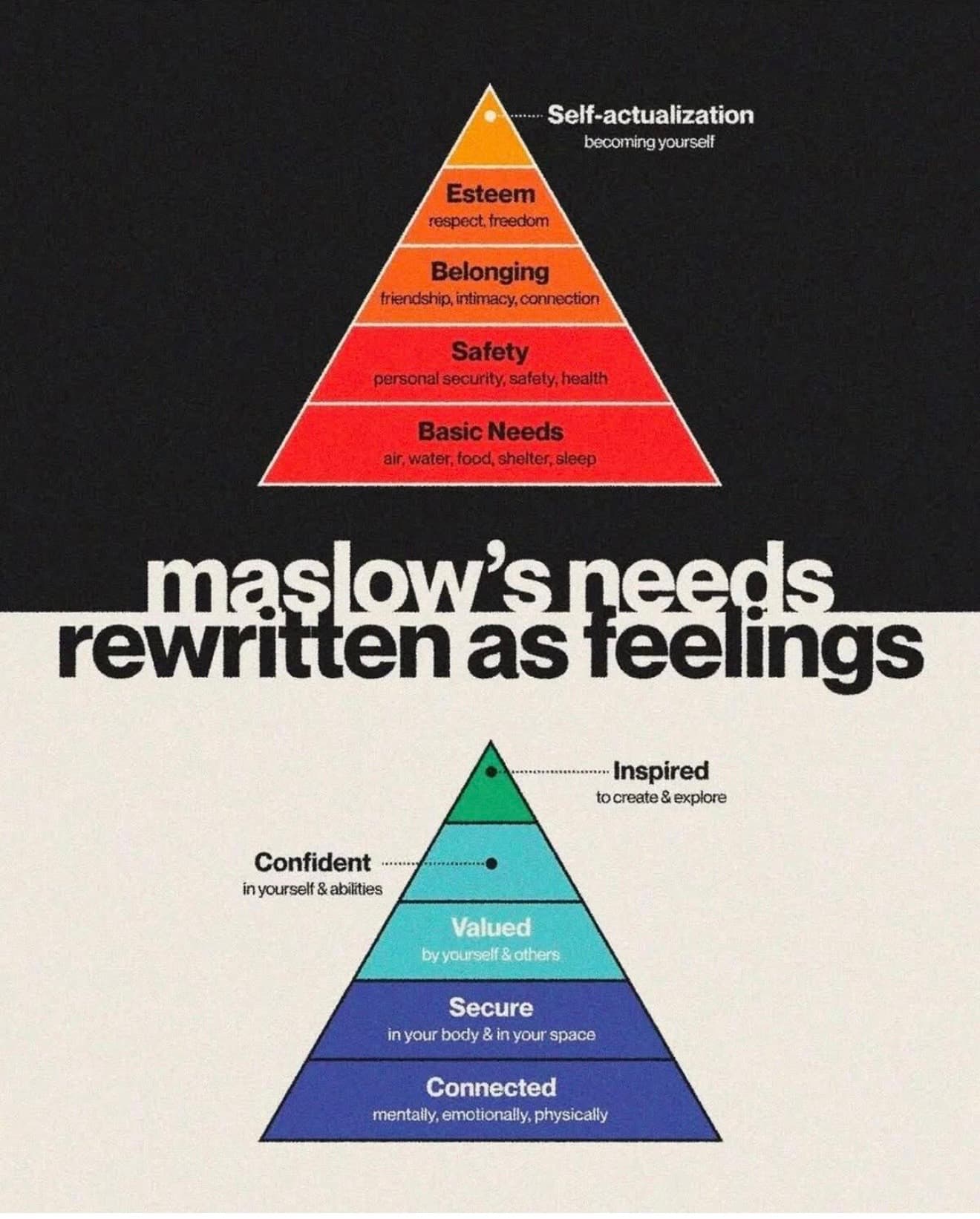
What if Maslow’s hierarchy of needs was less about “what we need” and more about “what helps us feel”?
Maslow's hierarchy gets taught as a fixed ladder of needs but it maps surprisingly well onto the emotional states that actually shift how we feel day to day. What changes when you read it less as "what we need" and more as "what helps us feel safe, connected, valued, and alive to possibility."
LissnUp Editorial Team
September 2, 20264 min read
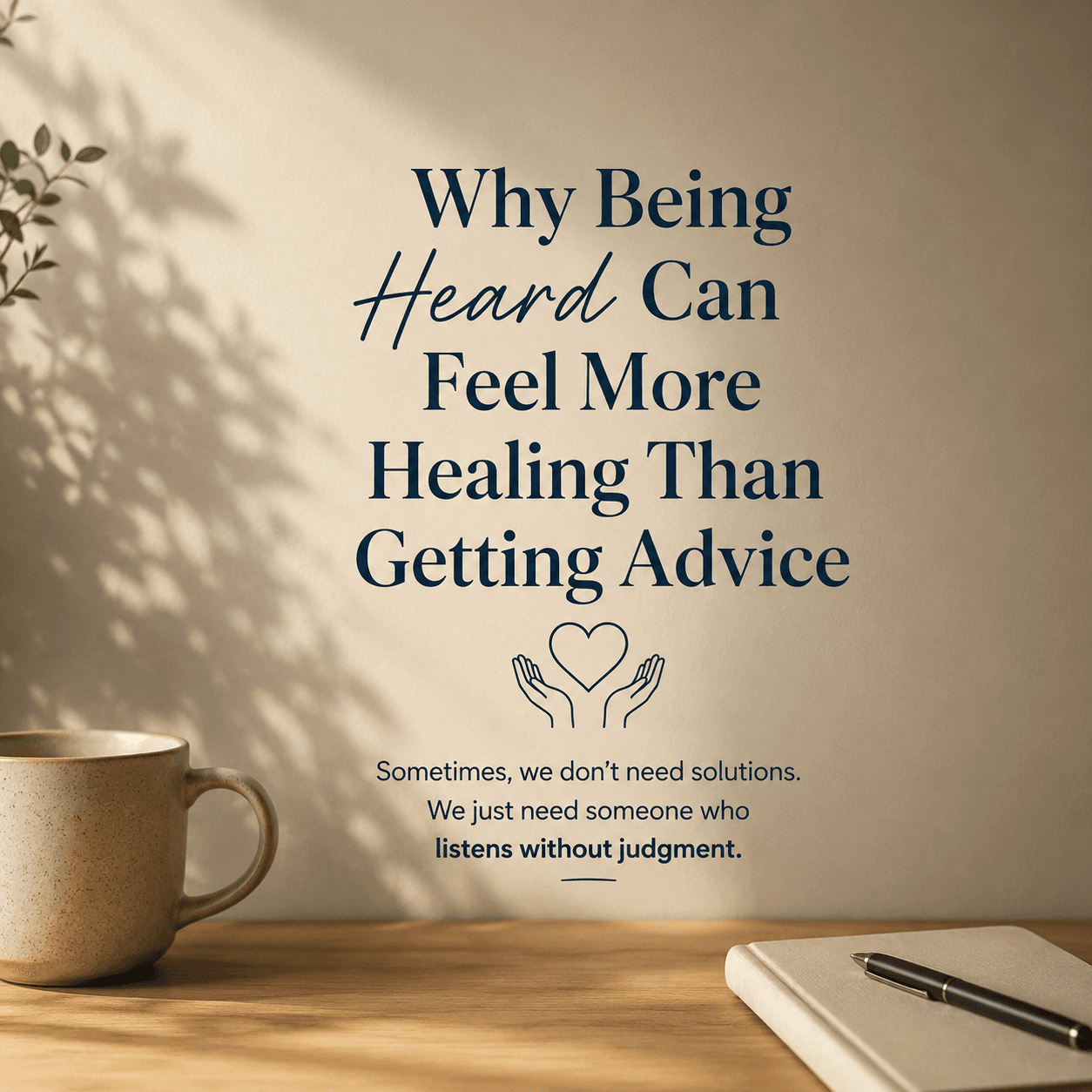
Why Being Heard Can Feel More Healing Than Getting Advice?
Sometimes the most useful thing another person can do isn't hand you a solution — it's stay in the room with what you're feeling long enough for it to breathe. This post looks at why being genuinely heard often does more than the best advice anyone could give you.
LissnUp Editorial Team
August 25, 20263 min read
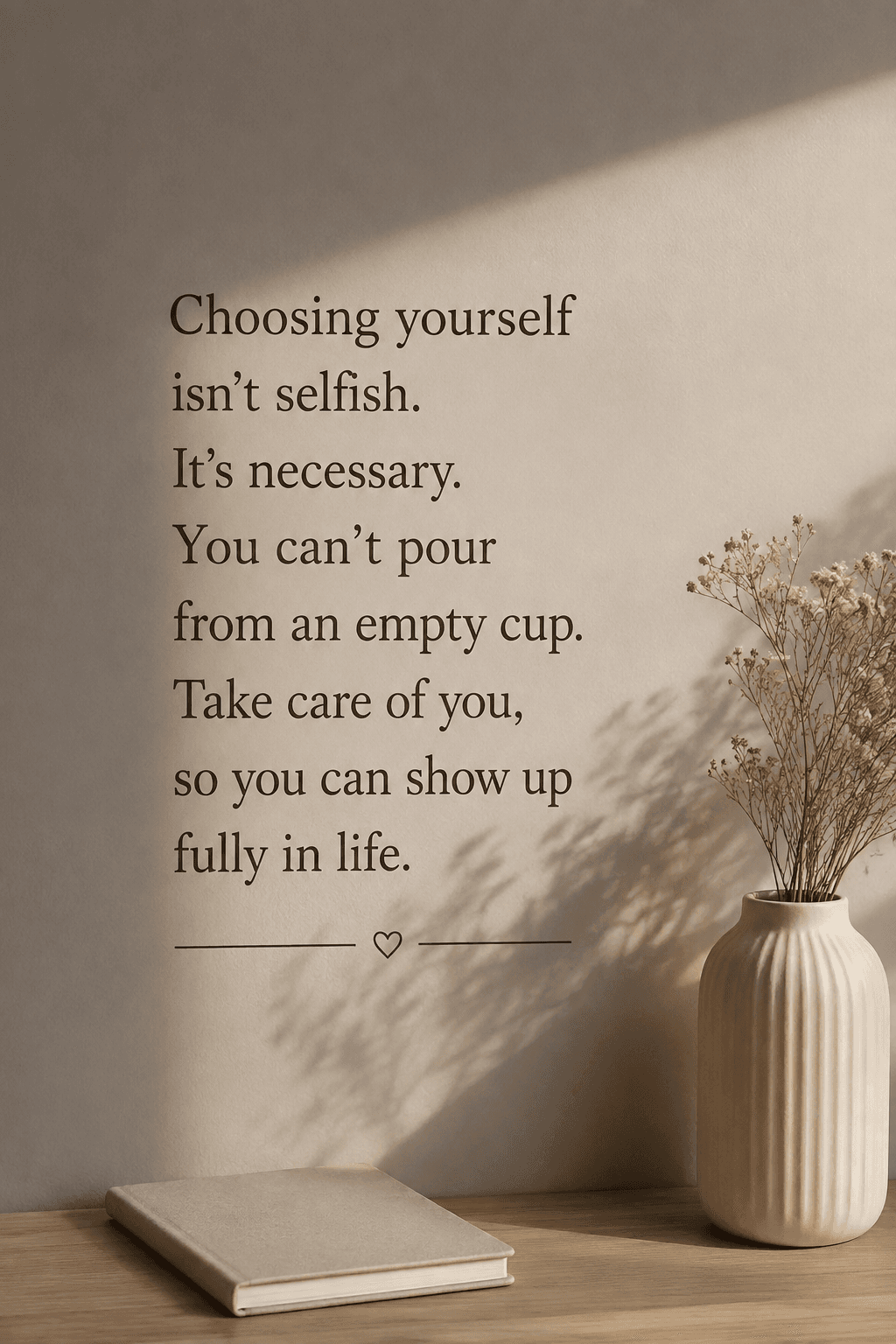
Why do we feel guilty for choosing ourselves ?
Saying no, taking a break, or putting your own needs first can trigger a guilt that feels disproportionate to what you actually did. This post looks at where that guilt comes from — and why choosing yourself is closer to self-respect than selfishness.
LissnUp Editorial Team
August 24, 20263 min read
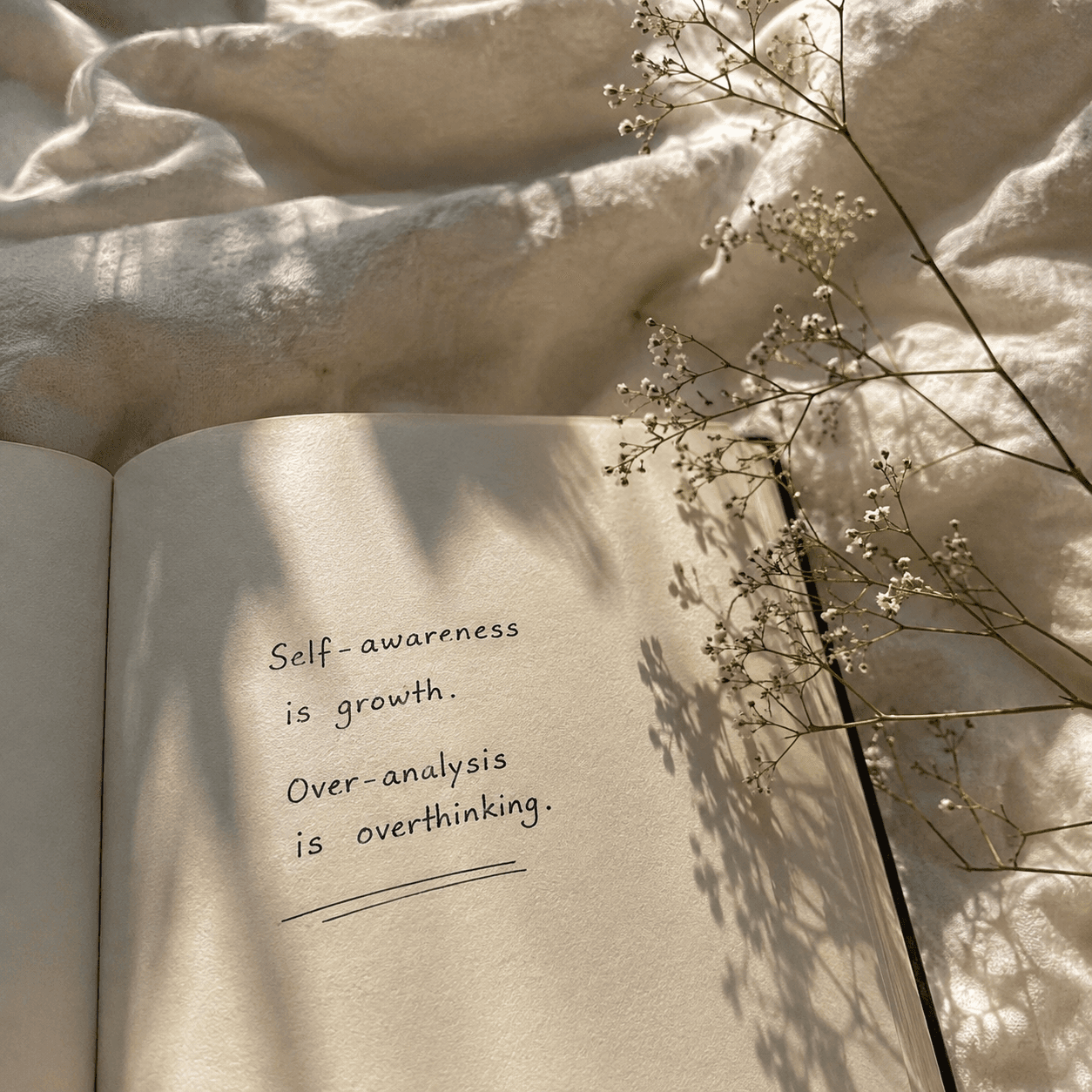
Are We Self-Aware, or Are We Over-Analyzing Everything?
Self-awareness is genuinely useful — until it quietly becomes self-surveillance, and every feeling turns into something to diagnose. This post sits with the difference between reflection that helps and analysis that just keeps the loop running.
LissnUp Editorial Team
August 23, 20264 min read
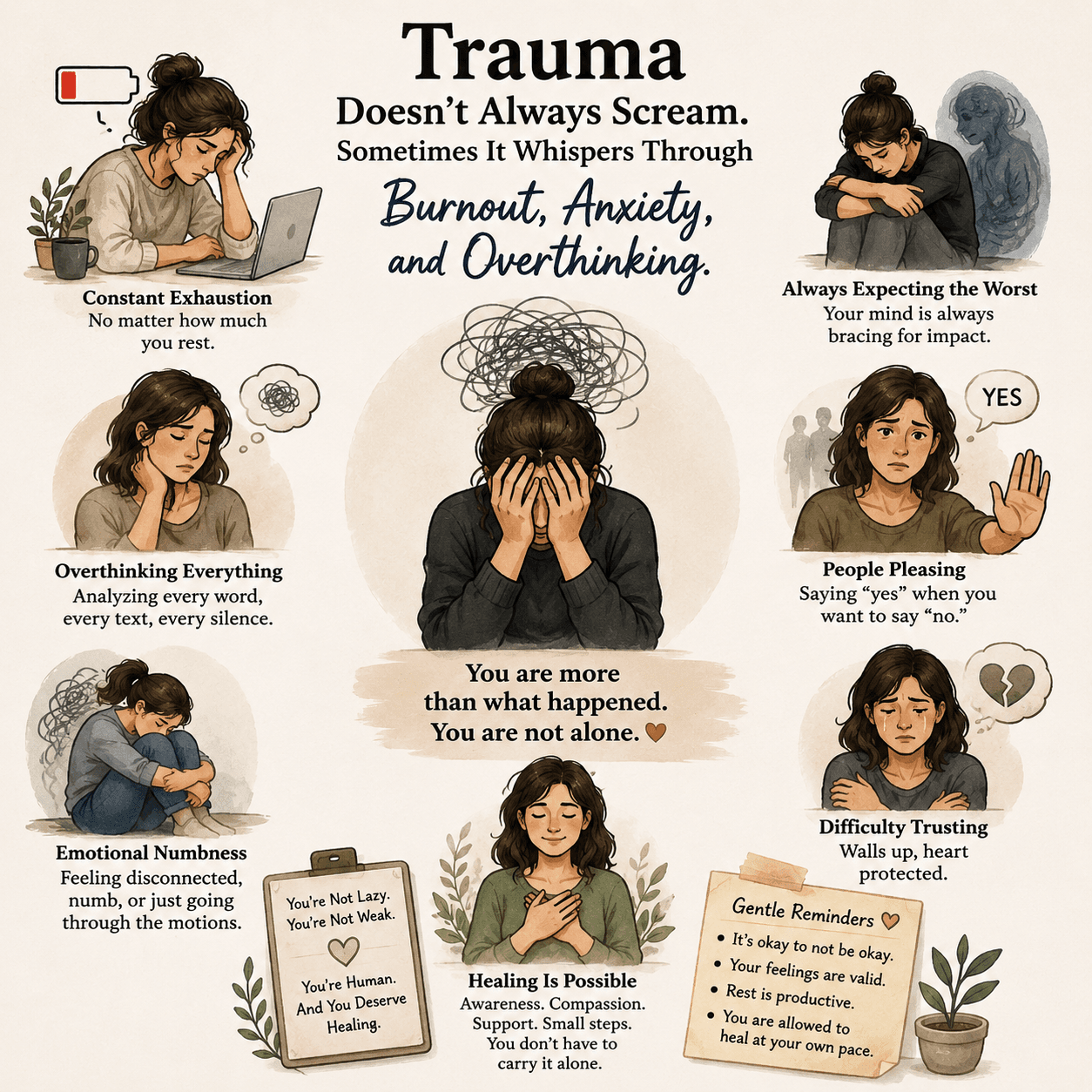
Trauma doesn’t Always Scream
Trauma doesn't always announce itself with a clear memory or a named event — sometimes it shows up as chronic guilt, people-pleasing, or a constant low hum of dread. This post looks at the quieter ways trauma reshapes everyday thinking, and why changing the question you ask yourself can change everything.
LissnUp Editorial Team
August 13, 20263 min read
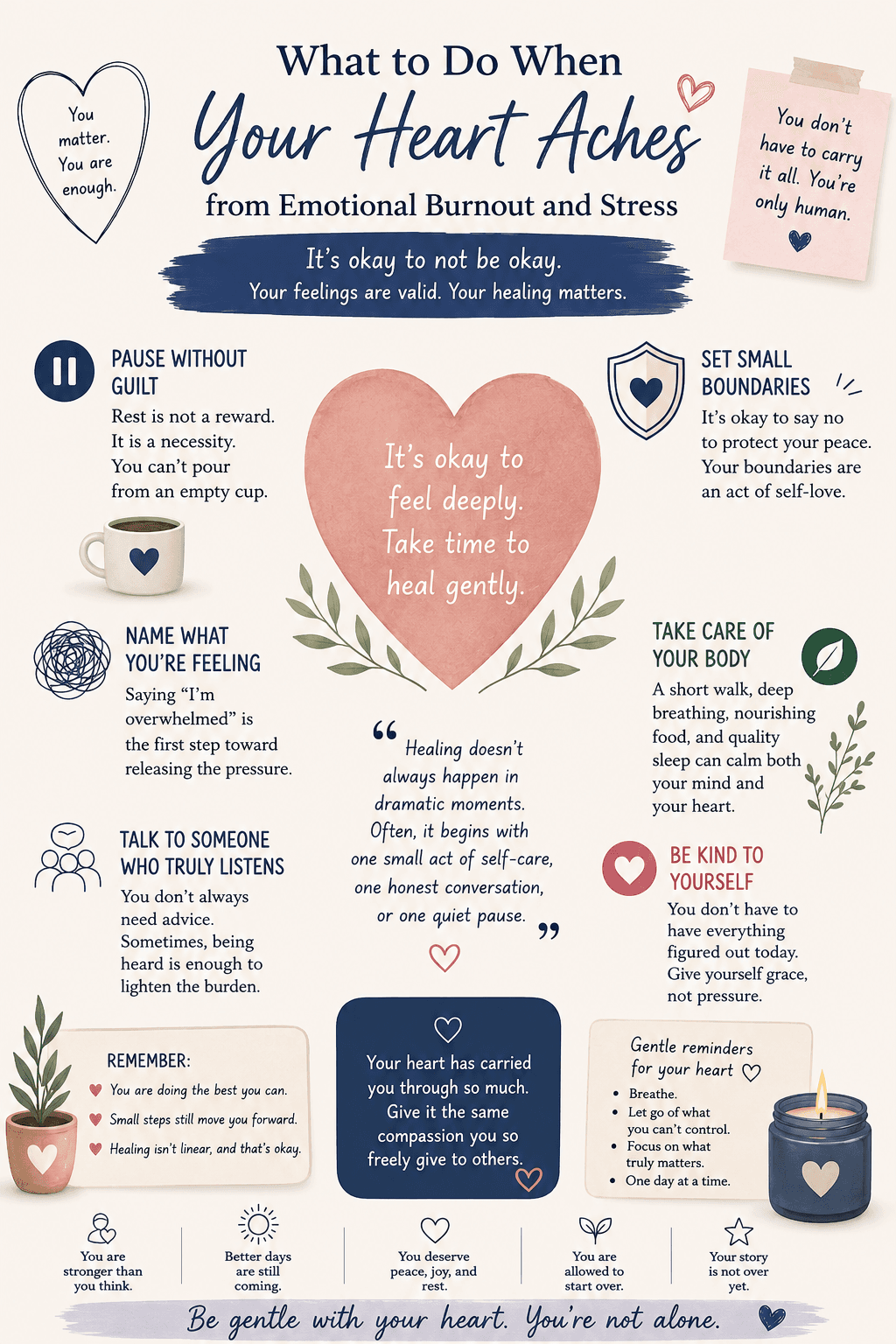
Emotional Burntout and Stress
Sometimes the ache in your chest isn't about one specific thing — it's the accumulated weight of carrying too much for too long without enough support. This post looks at what emotional burnout actually feels like, why rest isn't optional, and what tends to help when being strong has stopped working.
LissnUp Editorial Team
August 13, 20264 min read
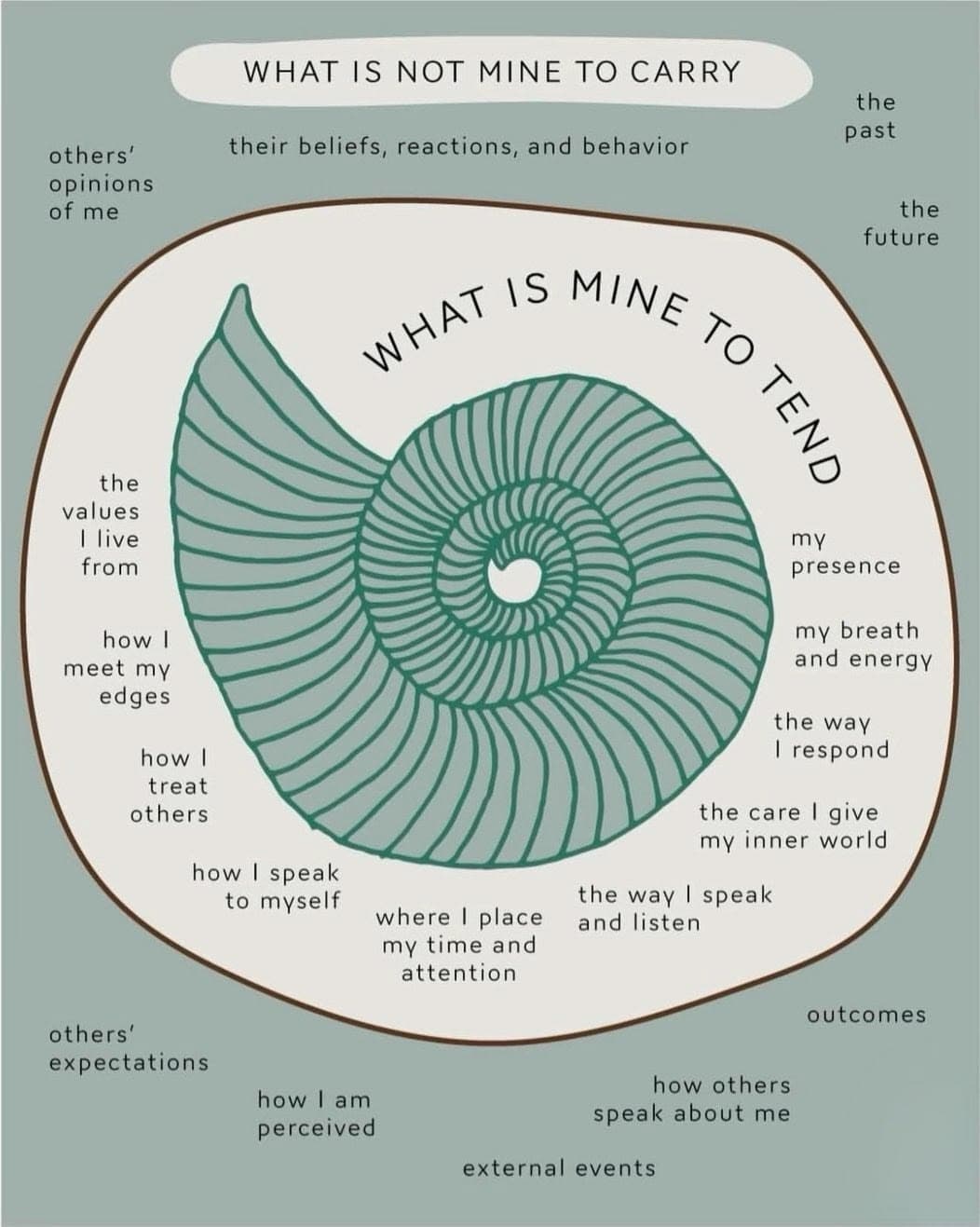
Not everything that weighs on you is yours to carry.
Some of what's weighing on you isn't actually yours — it's borrowed worry, absorbed expectation, or energy spent managing things that were never in your hands. This post breaks down the simple but easy-to-forget distinction between what you can genuinely influence and what you'd be better off putting down.
LissnUp Editorial Team
August 13, 20263 min read
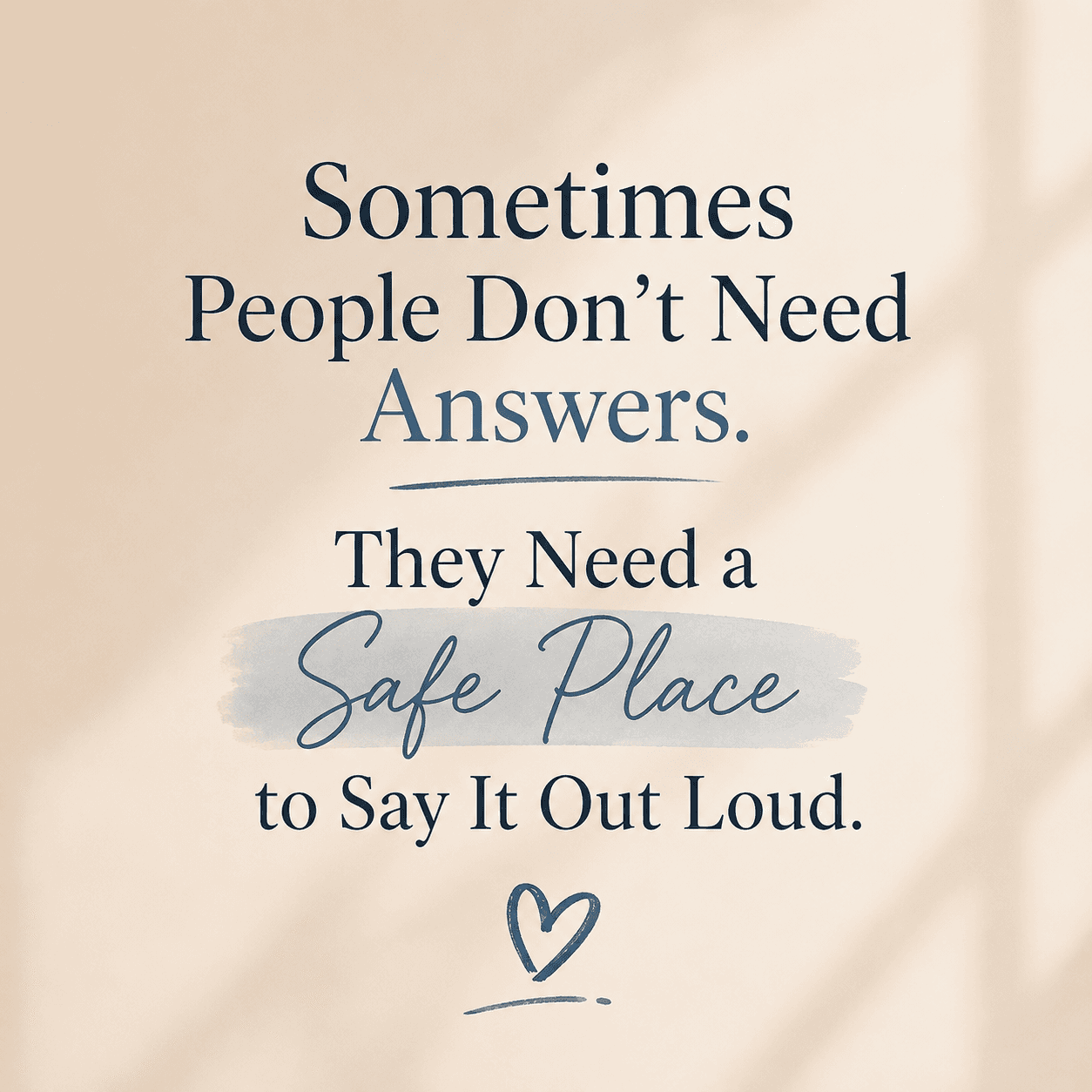
Sometimes people don’t need Answers The need a safe place to say it loud
Sometimes the thing you actually need isn't a solution. It's just a place to say the thing out loud. This post is about why being heard without judgment does something that advice never quite can.
LissnUp Editorial Team
August 13, 20263 min read
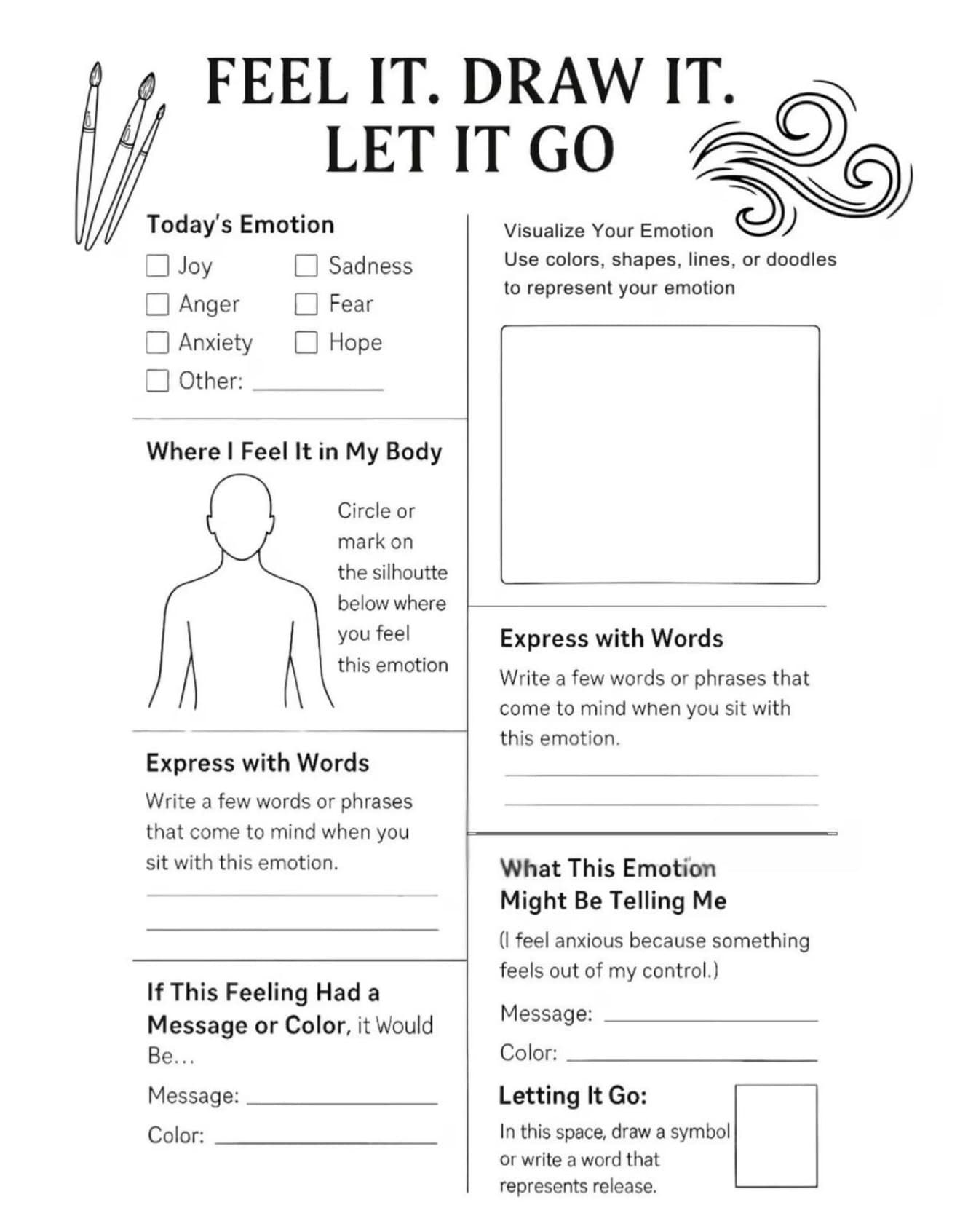
Name It. Feel It. Draw It. Let It Go — A Practice for Emotions Too Big for Words
Sometimes a feeling is too big or too vague to put straight into words. This is a short practice for those moments — a multi-step way to name, locate, express, and eventually release an emotion so it becomes something you can work with, not just something happening to you.
LissnUp Editorial Team
July 24, 20263 min read
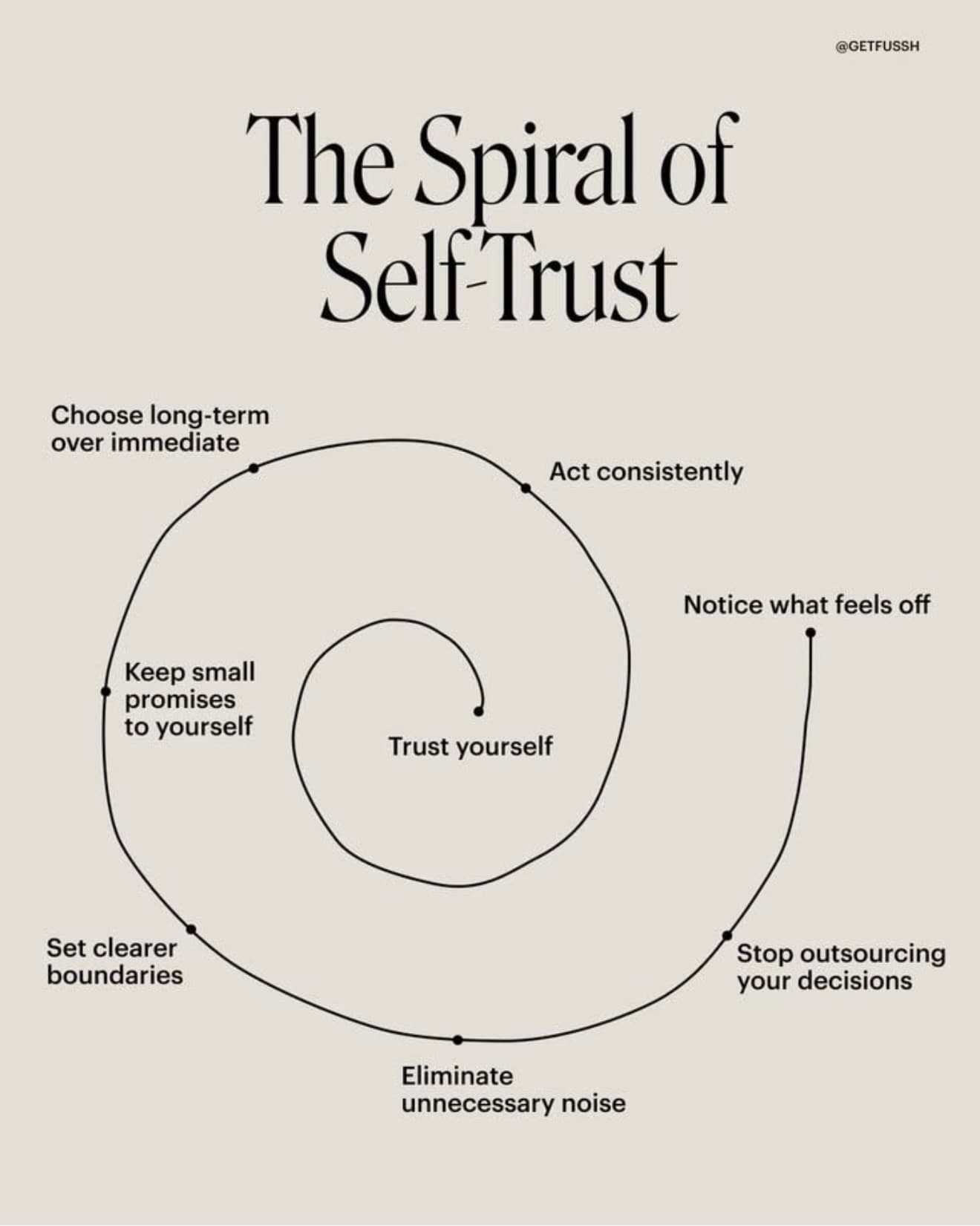
The Spiral of Self-Trust — Why It's Built From Kept Promises, Not Confidence
Self-trust isn't a personality trait you either have or don't. It's built one small kept promise at a time — the accumulated behavioural evidence that you can rely on yourself. Which also means it's built, or eroded, in the tiny everyday choices most people don't notice they're making.
LissnUp Editorial Team
July 18, 20263 min read
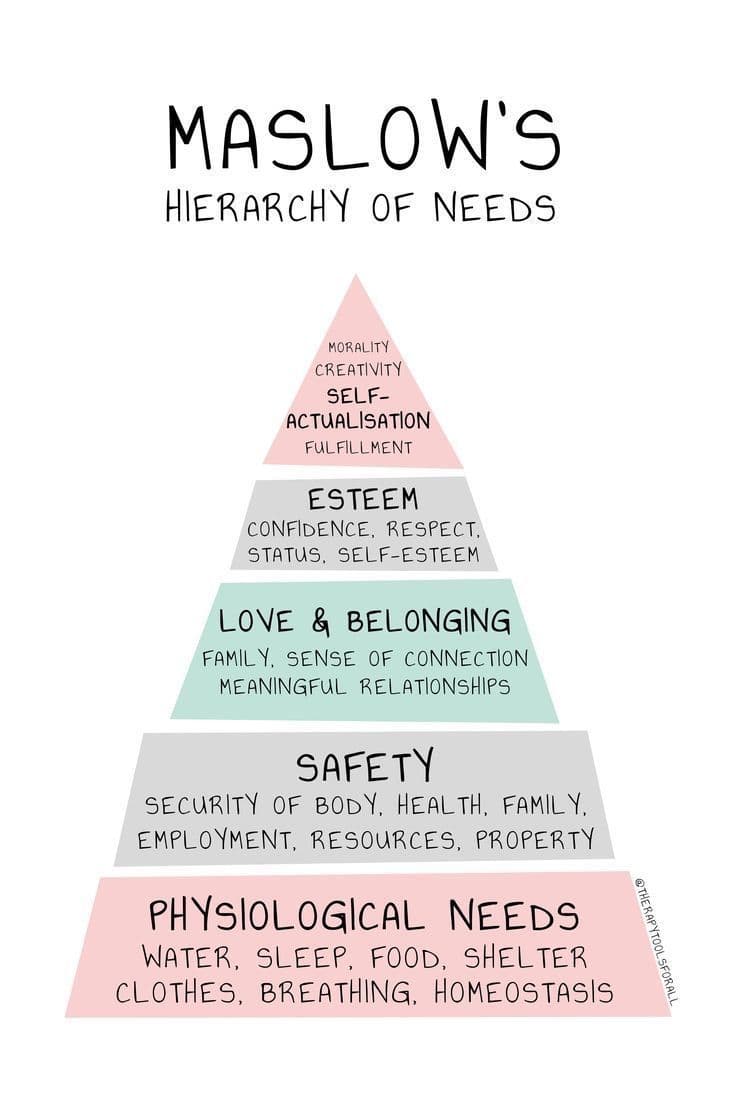
The Maslow-Hierarchy Check-In That Solves Most 'Random' Bad Days
Maslow's hierarchy of needs is one of those things everyone learned in school and no one applies. Used as a real check-in — 'which level of need have I actually been meeting?' — it solves a surprising percentage of the mystery bad days people otherwise try to think their way out of.
LissnUp Editorial Team
April 12, 20265 min read
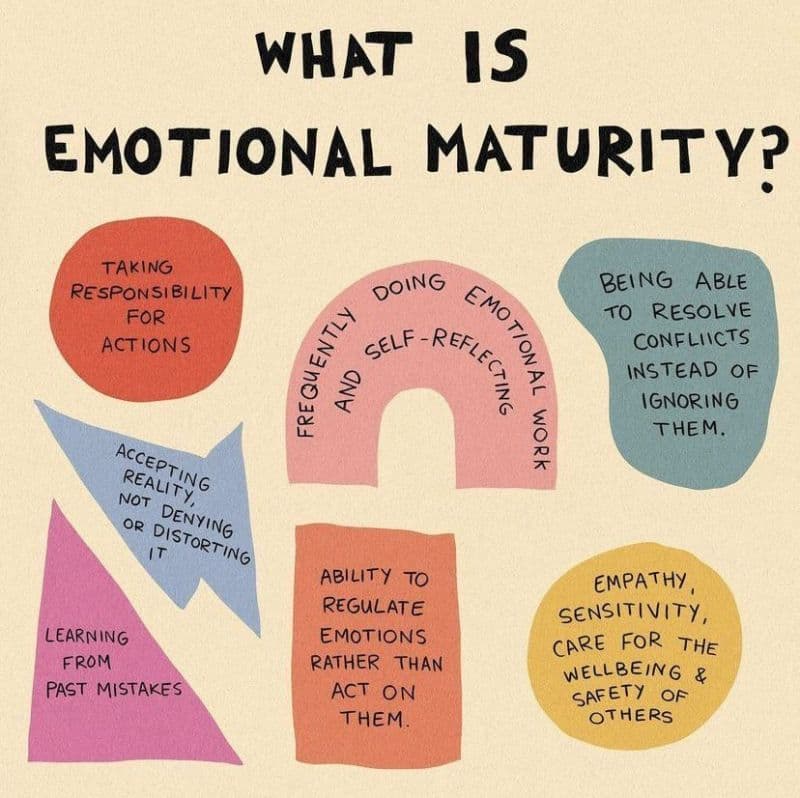
What Emotional Maturity Actually Looks Like — Not the Version You Think
Most people picture emotional maturity as always being calm, always being right, never getting overwhelmed. That's not maturity — that's suppression pretending to be maturity. The real version is messier, more honest, and much more useful.
LissnUp Editorial Team
April 11, 20265 min read
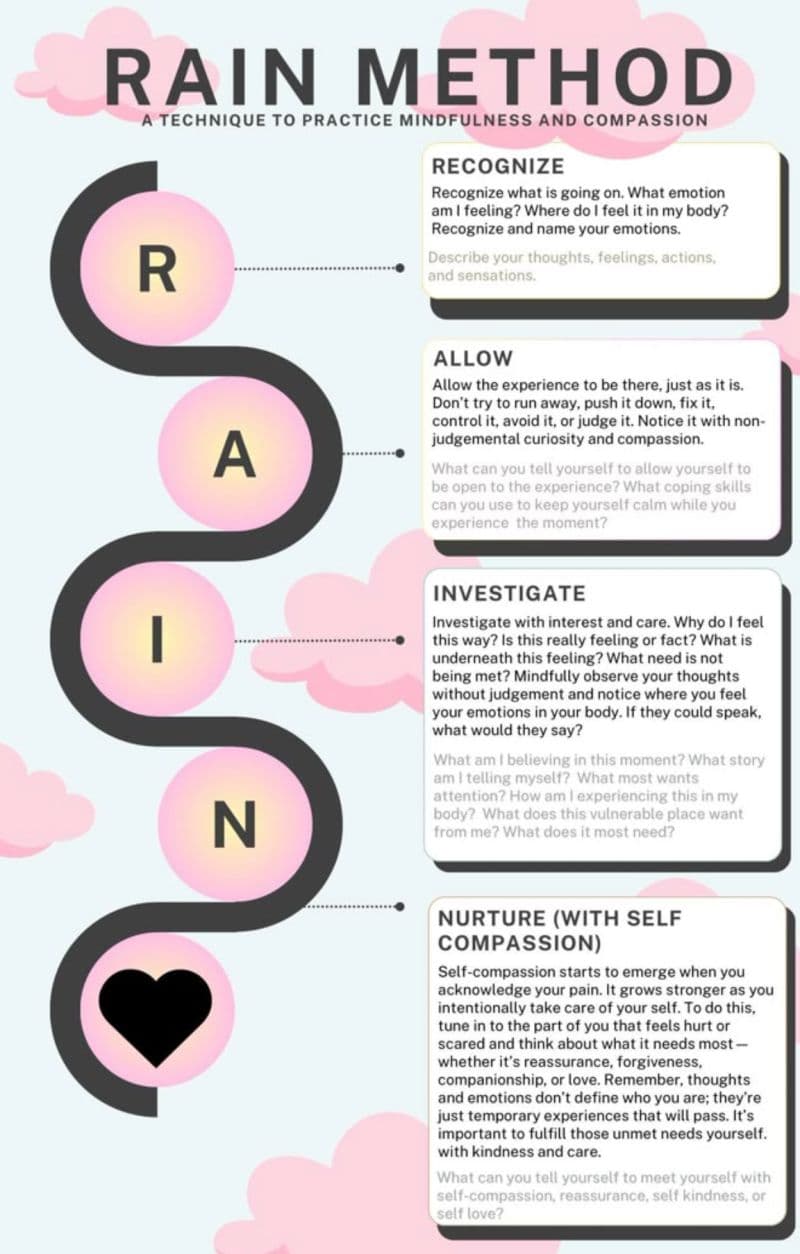
The RAIN Method for Difficult Emotions — What It Is, When It Helps, When It Doesn't
The RAIN method — Recognize, Allow, Investigate, Nurture — is one of the more useful things to come out of the mindfulness-and-self-compassion literature. It's simple, it fits in a couple of minutes, and it doesn't require you to already be good at meditating. Here's the honest read on what it does and when to reach for it.
LissnUp Editorial Team
April 10, 20265 min read
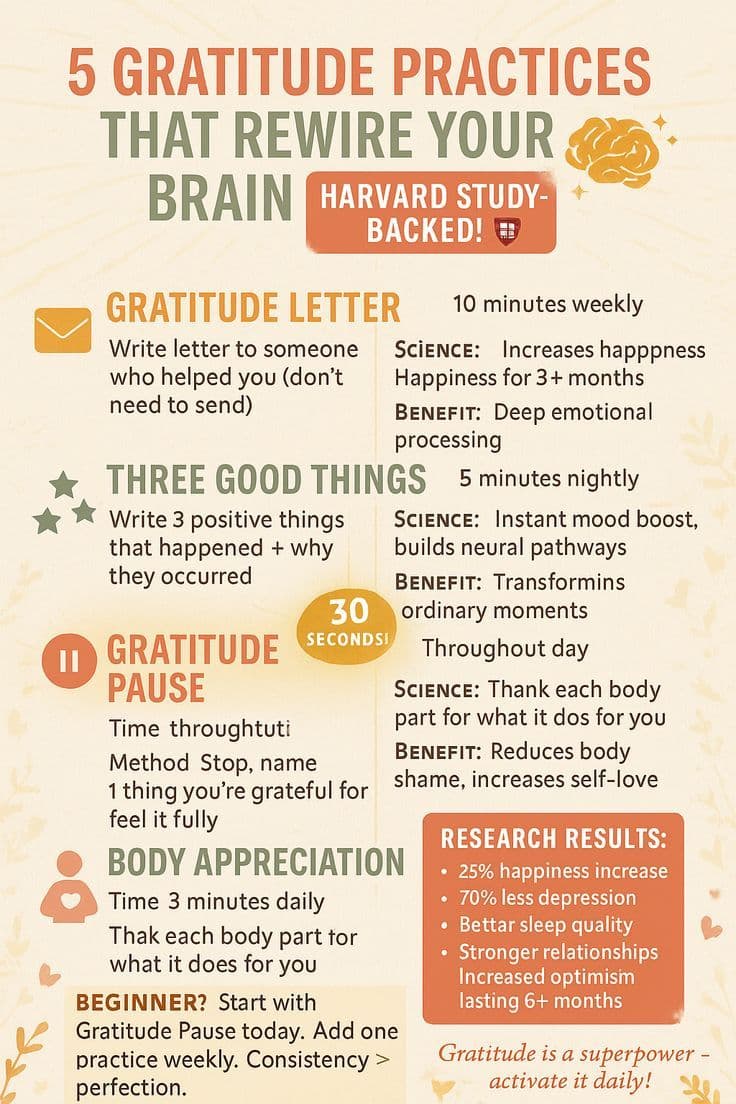
Gratitude for People Who Are Suspicious of Gratitude Content
The wellness internet has mostly ruined 'gratitude' as a word — turned it into forced positivity you're supposed to feel about a bad day. The actual research on it is more interesting and much less annoying. Here's the honest version of what gratitude practice does and doesn't do.
LissnUp Editorial Team
April 10, 20265 min read
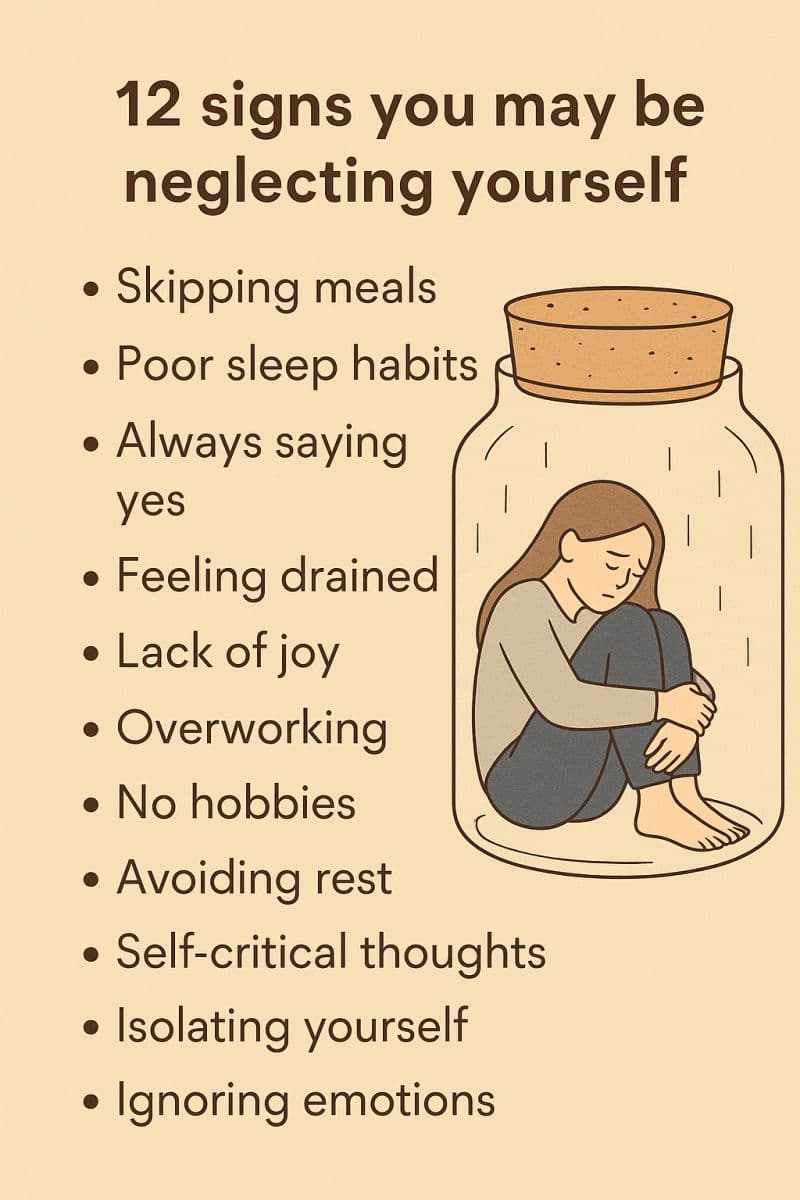
Self-Neglect Doesn't Feel Like a Crisis Until It Suddenly Is — Where It Actually Costs You
Nobody wakes up one day and decides to neglect themselves. It builds slowly — a missed meal here, a lost hour of sleep there, one more thing added to the load. Then months later everything is a little harder than it should be and you can't quite say why. Here's where the damage actually happens.
LissnUp Editorial Team
March 18, 20265 min read
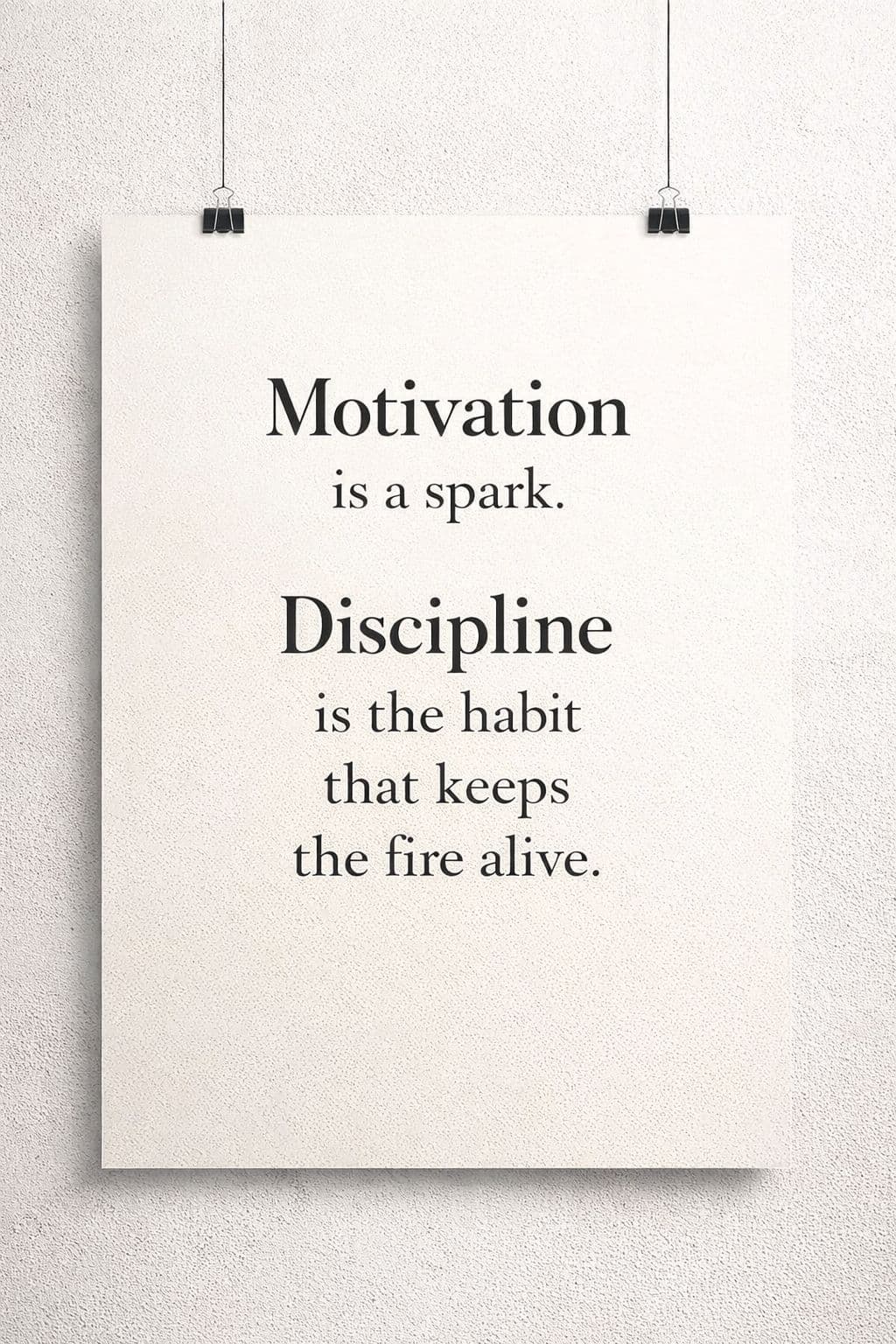
Why Discipline Beats Motivation on the Days You Don't Feel Like Doing It
Motivation is what you feel on the good days. Discipline is what shows up on the medium and bad ones. Most of the meaningful things people build in a life get built on the medium and bad days. Here's why, and what to do when the motivation isn't there.
LissnUp Editorial Team
March 17, 20264 min read
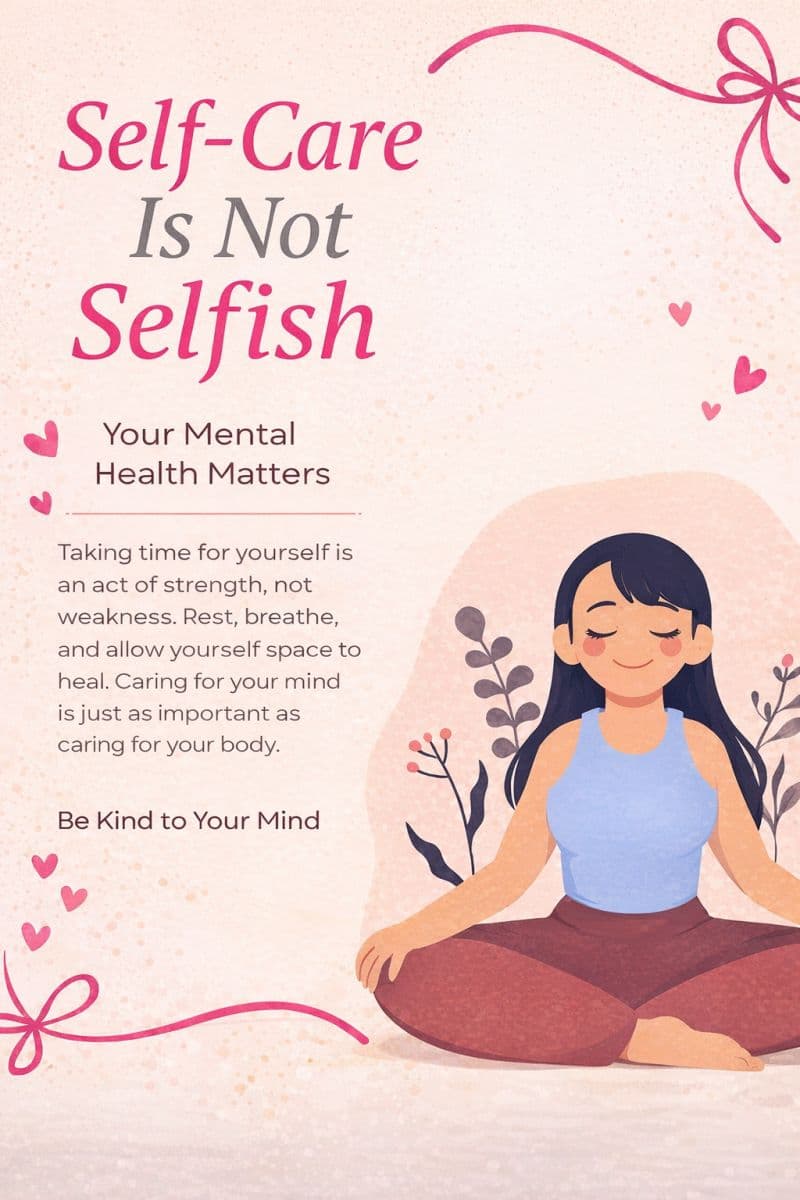
Self-Care Is Maintenance, Not a Reward You Have to Earn
Most of us treat self-care the way we'd treat a spa day — a reward for surviving something hard. Actually it's more like brushing your teeth: the routine, unglamorous version prevents the emergencies that make people think self-care is dramatic in the first place.
LissnUp Editorial Team
March 16, 20264 min read
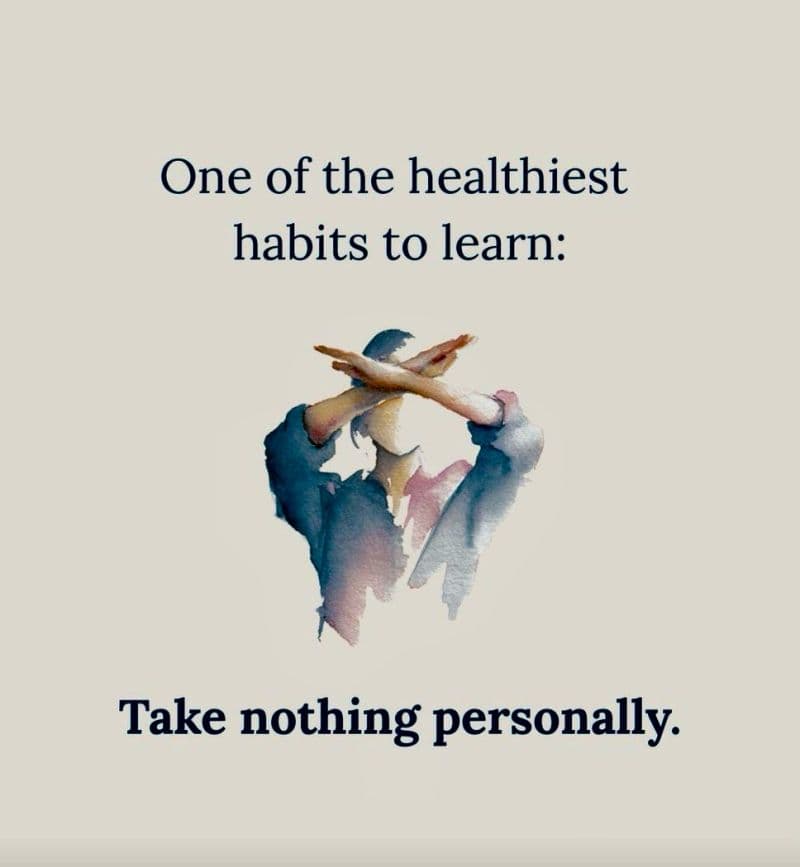
How to Stop Taking Everything at Work Personally (Without Becoming a Robot)
Most of what feels personal at work isn't. It's other people's pressure, deadlines, and internal weather showing up in your inbox. Learning to tell the difference — without becoming callous — is one of the highest-leverage career habits there is.
LissnUp Editorial Team
March 16, 20264 min read

Why Can't I Forget What He Said to Me? The Science of Painful Memory
This piece looks at why painful memories stick more vividly than good ones, what the research actually supports about memory and emotion, and gentle approaches to healing that don't require erasing what happened.
LissnUp Editorial Team
July 25, 20255 min read

Why Do I Feel Like a Fraud at Work? Understanding Imposter Syndrome
This piece looks at what imposter syndrome actually is (and what it isn't), why the people most likely to feel it are often the ones least likely to be missing anything, and the practical shifts that quiet the voice without pretending it will disappear.
LissnUp Editorial Team
July 24, 20255 min read

My Heart Hurts and I Can't Say Why: 5 Things That Help Me Sit With It
Something happened this week and I can't stop thinking about it. Maybe it was a person, maybe a job, maybe just the drift. There's a specific ache in the chest that has no medical name. Below are the five things that helped me — and thousands of people I've listened to — put weight back on their feet.
LissnUp Editorial Team
July 18, 20254 min read

The Underrated Ingredient in Emotional Resilience — And Why Most Advice Skips It
Most emotional-resilience advice is a list of things you do by yourself — meditate, journal, breathe, be grateful. All useful. All also missing the strongest predictor of actual resilience, which the research keeps pointing at and most content keeps skipping. Here's the honest version.
LissnUp Editorial Team
June 12, 20246 min read
Related tags
Topics that show up alongside Self-Compassion across the LissnUp blog.