
Emotional Safety
The conditions that make honesty and vulnerability possible.
15 articles tagged “Emotional Safety”
Emotional Safety Articles
15 articles
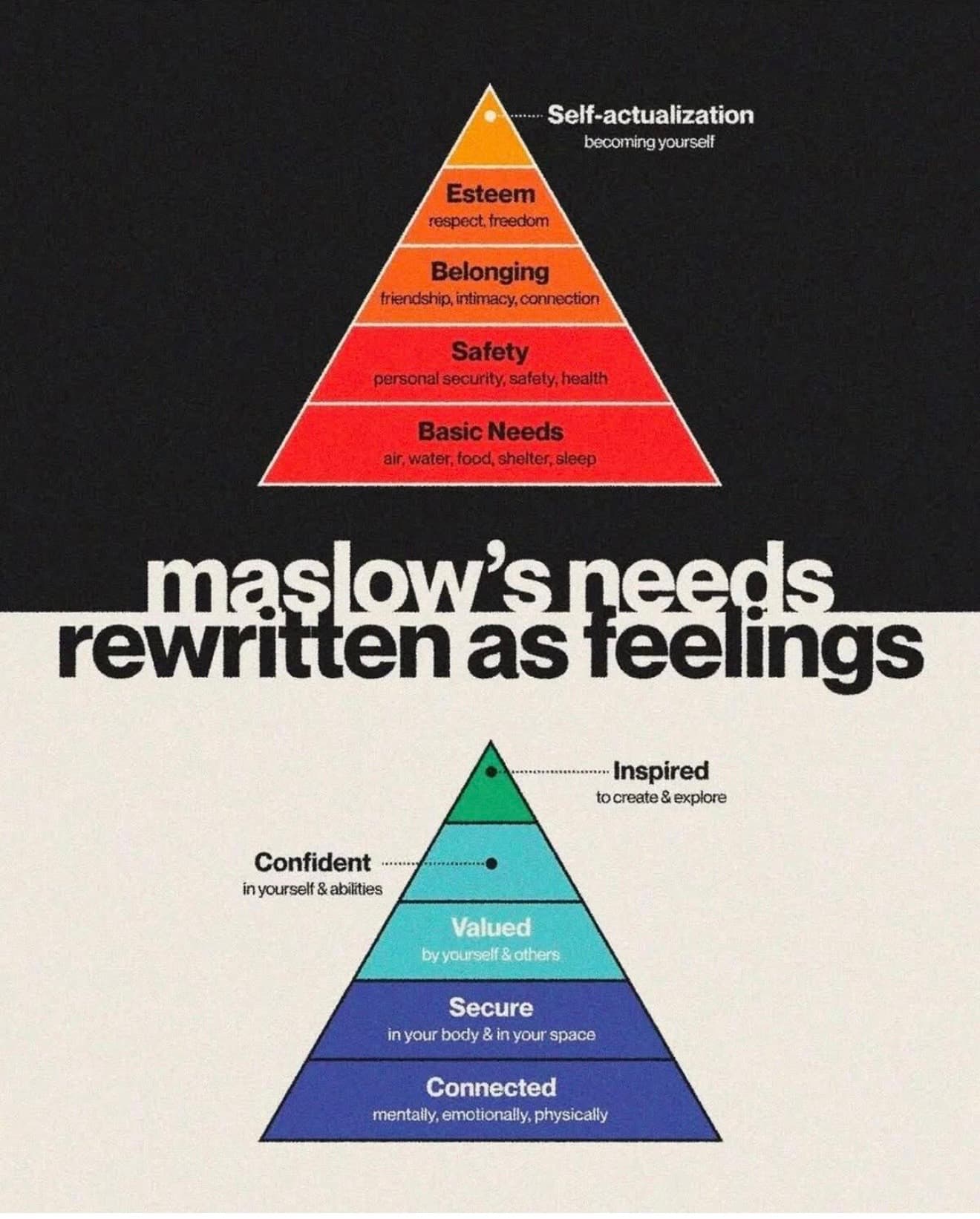
What if Maslow’s hierarchy of needs was less about “what we need” and more about “what helps us feel”?
Maslow's hierarchy gets taught as a fixed ladder of needs but it maps surprisingly well onto the emotional states that actually shift how we feel day to day. What changes when you read it less as "what we need" and more as "what helps us feel safe, connected, valued, and alive to possibility."
LissnUp Editorial Team
September 2, 20264 min read
Why Being Heard Can Feel More Healing Than Getting Advice?
Sometimes the most useful thing another person can do isn't hand you a solution — it's stay in the room with what you're feeling long enough for it to breathe. This post looks at why being genuinely heard often does more than the best advice anyone could give you.
LissnUp Editorial Team
August 25, 20263 min read
What if “I am fine “ isn’t really fine ?
Sometimes "I'm fine" is the truest thing a person can manage to say — and also the least honest. This piece looks at what those two words are often covering, and what it actually takes to give someone permission to put it down.
LissnUp Editorial Team
August 13, 20263 min read
The kindness we don’t talk about Enough: Listening .
Most of us were taught to respond, reassure, and fix — not to simply stay quiet and receive. This post makes the case that listening is one of the most underestimated acts of kindness available to us, and looks at what it actually takes to do it well.
LissnUp Editorial Team
August 13, 20263 min read
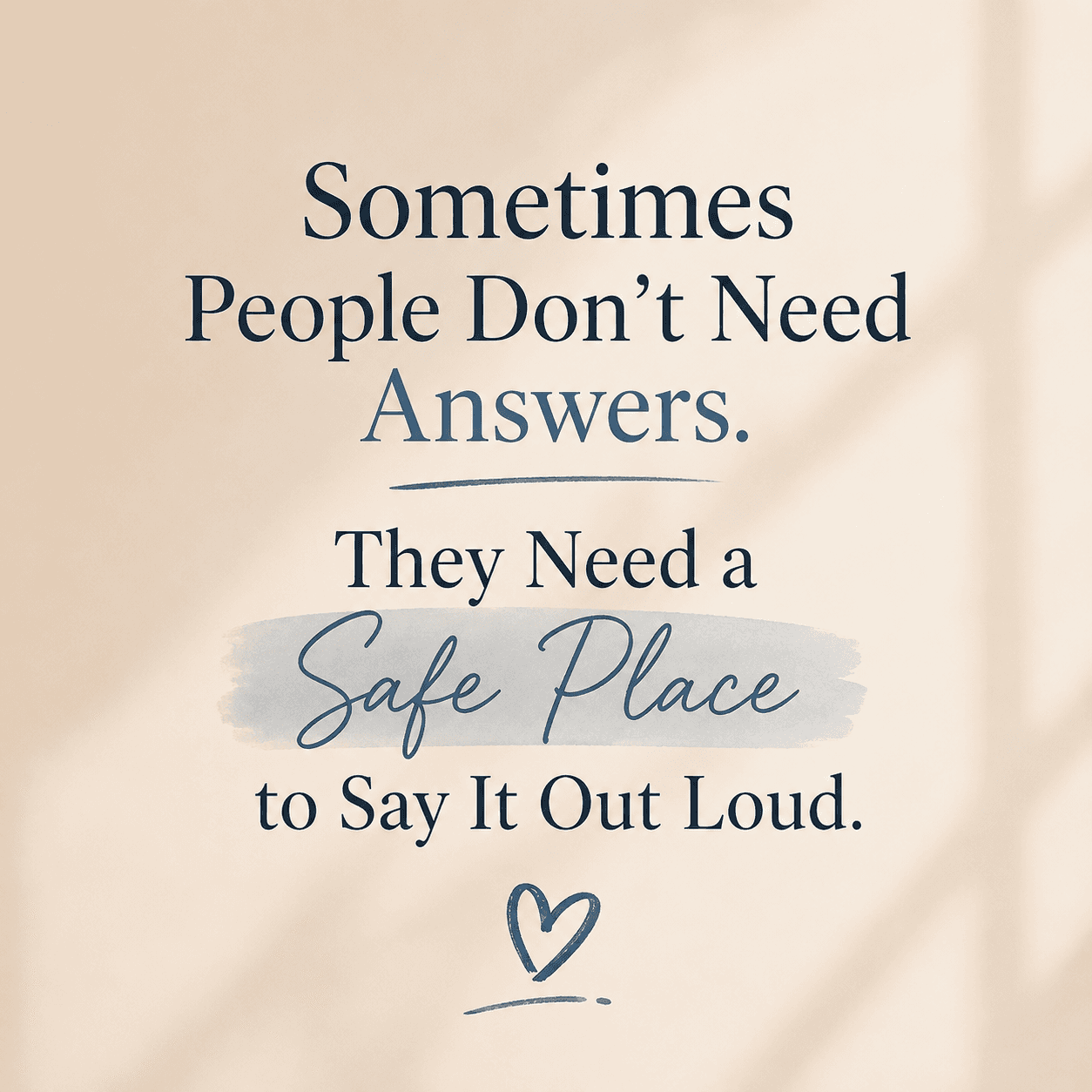
Sometimes people don’t need Answers The need a safe place to say it loud
Sometimes the thing you actually need isn't a solution. It's just a place to say the thing out loud. This post is about why being heard without judgment does something that advice never quite can.
LissnUp Editorial Team
August 13, 20263 min read
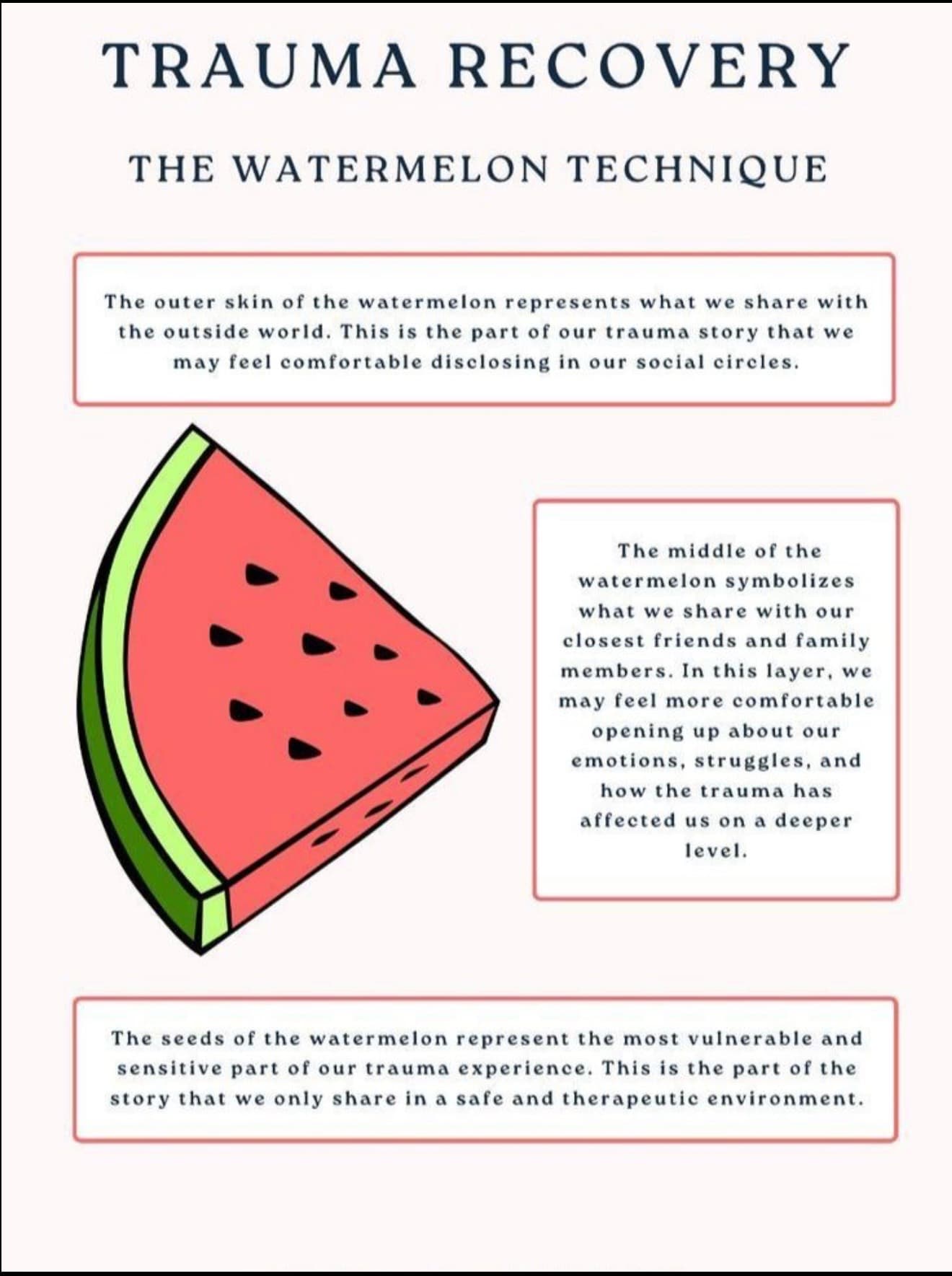
The Watermelon Technique — Why Trauma Recovery Isn't Measured by How Openly You Talk About It
Healing from trauma is not the same thing as being able to talk about it. The Watermelon Technique — a metaphor used in trauma-informed practice — offers a way to think about the different layers of your story and why you get to decide who has earned access to each one.
LissnUp Editorial Team
July 21, 20263 min read
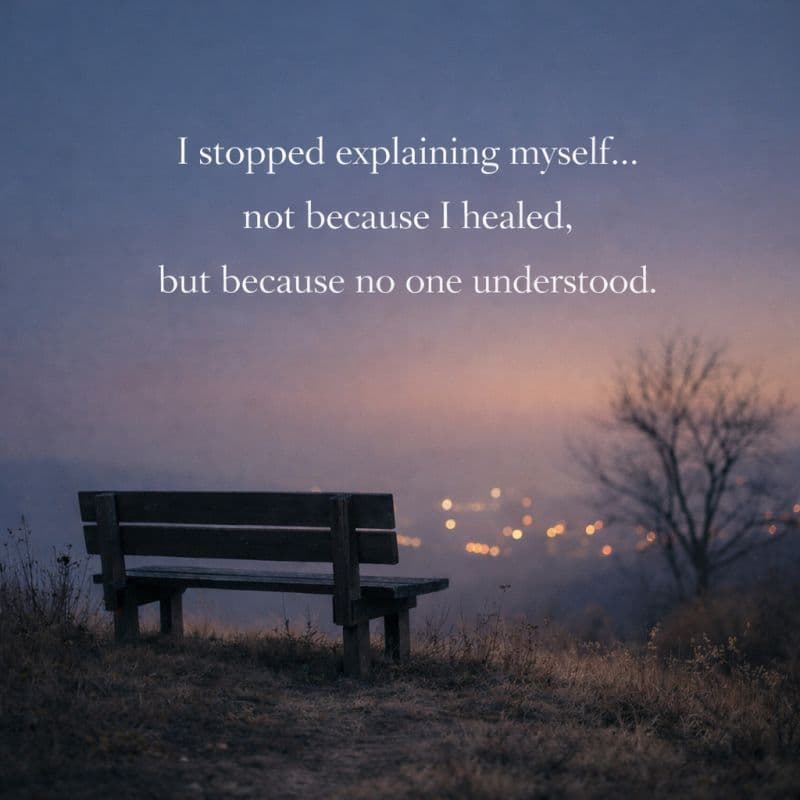
The Specific Pain of Being Unheard — and How the Silence Becomes Self-Protection
Being unheard doesn't announce itself. It's the specific loneliness of finishing a sentence and realizing the other person moved past it before you were done. Repeated over time, it teaches you to stop trying — which reads as maturity from the outside and costs a lot on the inside.
LissnUp Editorial Team
April 10, 20265 min read
How to Tell Gaslighting from a Normal Disagreement (and What to Say Back)
'Gaslighting' has become internet shorthand for anyone who disagrees with you — which is a problem, because real gaslighting is a specific, damaging pattern that deserves to be named accurately. Here's the actual distinction, and what respectful communication looks like when the disagreement is real.
LissnUp Editorial Team
March 18, 20265 min read

How the People You're Around All Day Are Quietly Shaping Your Mental Health
Your mental health isn't just yours. It's what happens between you and the people you spend hours near every week — the ones who make your shoulders drop, and the ones who make your stomach tighten before they even open their mouth.
LissnUp Editorial Team
July 6, 20255 min read

7 Listening Habits Therapists Actually Use (And You Can Too)
Most of us think we're listening when we're actually waiting to talk. This piece walks through seven concrete habits therapists rely on — the small shifts that turn a distracted conversation into one where the other person feels actually heard. Not about becoming a therapist. About being someone people actually want to open up to.
LissnUp Editorial Team
July 6, 20255 min read

Supporting vs Fixing: What to Say When Someone Opens Up
The instinct to say something helpful when someone shares a hard thing often produces the opposite. Research on toxic positivity shows that reflexive optimism can measurably lower well-being. This piece looks at the four phrases that most commonly shut people down and what actually keeps the conversation open.
LissnUp Editorial Team
July 6, 20254 min read

Why Being Heard Feels So Good (And What It Does to Your Brain)
The experience of being heard has real neurobiological effects: lower cortisol, oxytocin release, and a shift out of hypervigilance. This article looks at what makes some listening healing where other conversations aren't, and how to recognize the kind of attention that helps.
LissnUp Editorial Team
July 6, 20255 min read

Why It's So Hard to Say I'm Not Okay
The words 'I'm not okay' can be surprisingly hard to say out loud, even when they're true. This article looks at why that clamp happens, what suppressing feelings costs over time, and small ways to start being honest — first with yourself, then with someone you trust.
LissnUp Editorial Team
July 6, 20254 min read

The Underrated Ingredient in Emotional Resilience — And Why Most Advice Skips It
Most emotional-resilience advice is a list of things you do by yourself — meditate, journal, breathe, be grateful. All useful. All also missing the strongest predictor of actual resilience, which the research keeps pointing at and most content keeps skipping. Here's the honest version.
LissnUp Editorial Team
June 12, 20246 min read
Related tags
Topics that show up alongside Emotional Safety across the LissnUp blog.