
Opening Up
Saying what you've been holding back.
20 articles tagged “Opening Up”
Opening Up Articles
20 articles
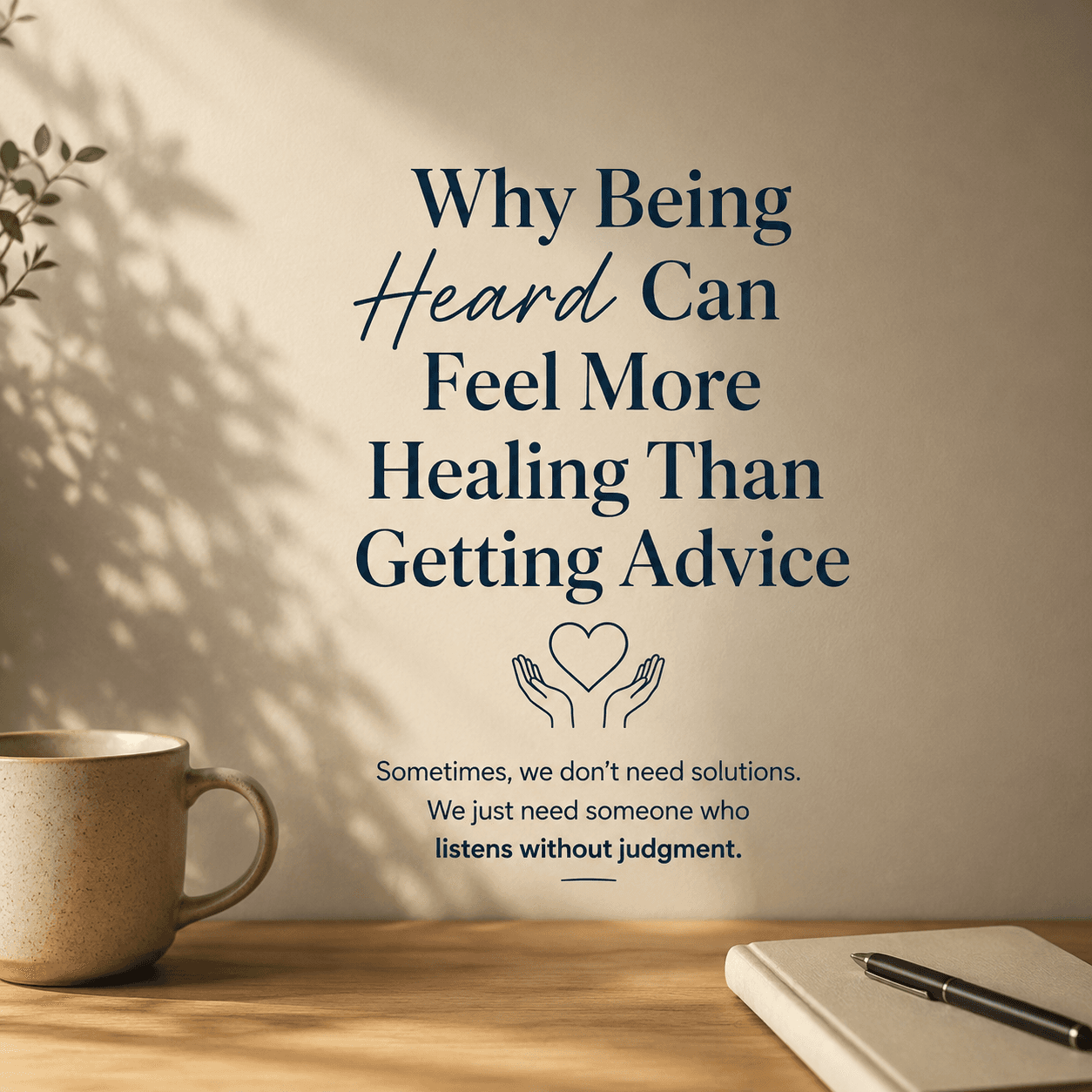
Why Being Heard Can Feel More Healing Than Getting Advice?
Sometimes the most useful thing another person can do isn't hand you a solution — it's stay in the room with what you're feeling long enough for it to breathe. This post looks at why being genuinely heard often does more than the best advice anyone could give you.
LissnUp Editorial Team
August 25, 20263 min read
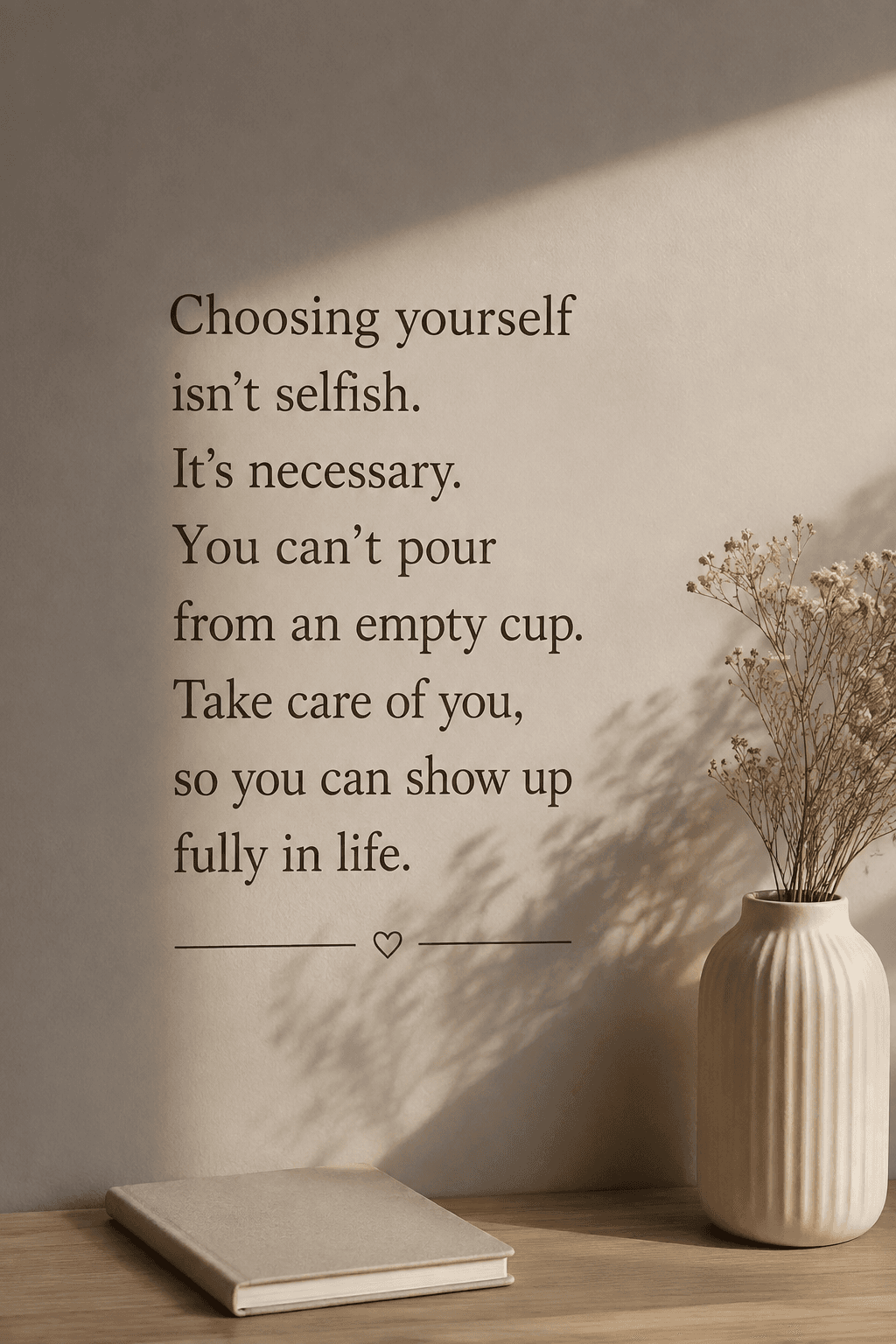
Why do we feel guilty for choosing ourselves ?
Saying no, taking a break, or putting your own needs first can trigger a guilt that feels disproportionate to what you actually did. This post looks at where that guilt comes from — and why choosing yourself is closer to self-respect than selfishness.
LissnUp Editorial Team
August 24, 20263 min read
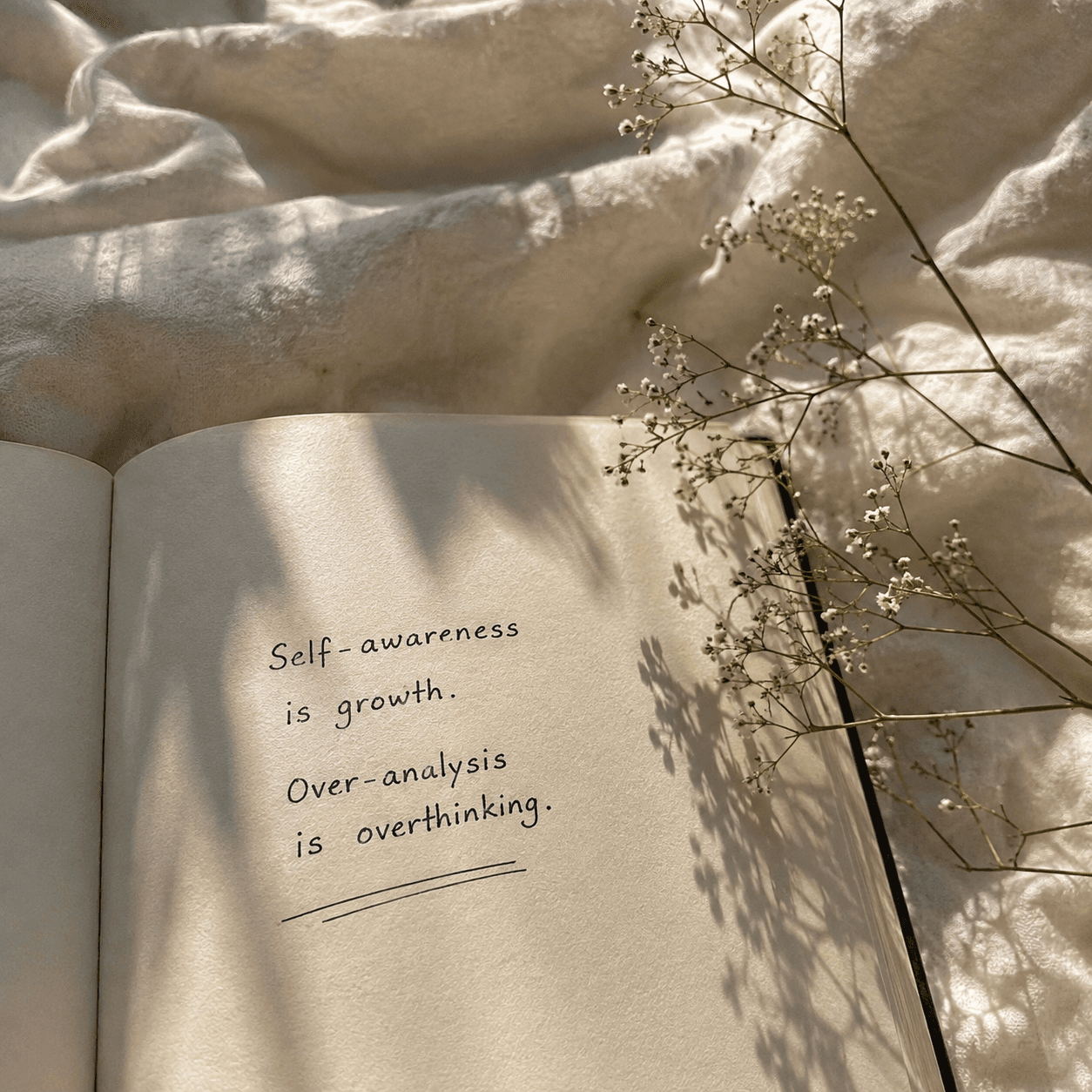
Are We Self-Aware, or Are We Over-Analyzing Everything?
Self-awareness is genuinely useful — until it quietly becomes self-surveillance, and every feeling turns into something to diagnose. This post sits with the difference between reflection that helps and analysis that just keeps the loop running.
LissnUp Editorial Team
August 23, 20264 min read
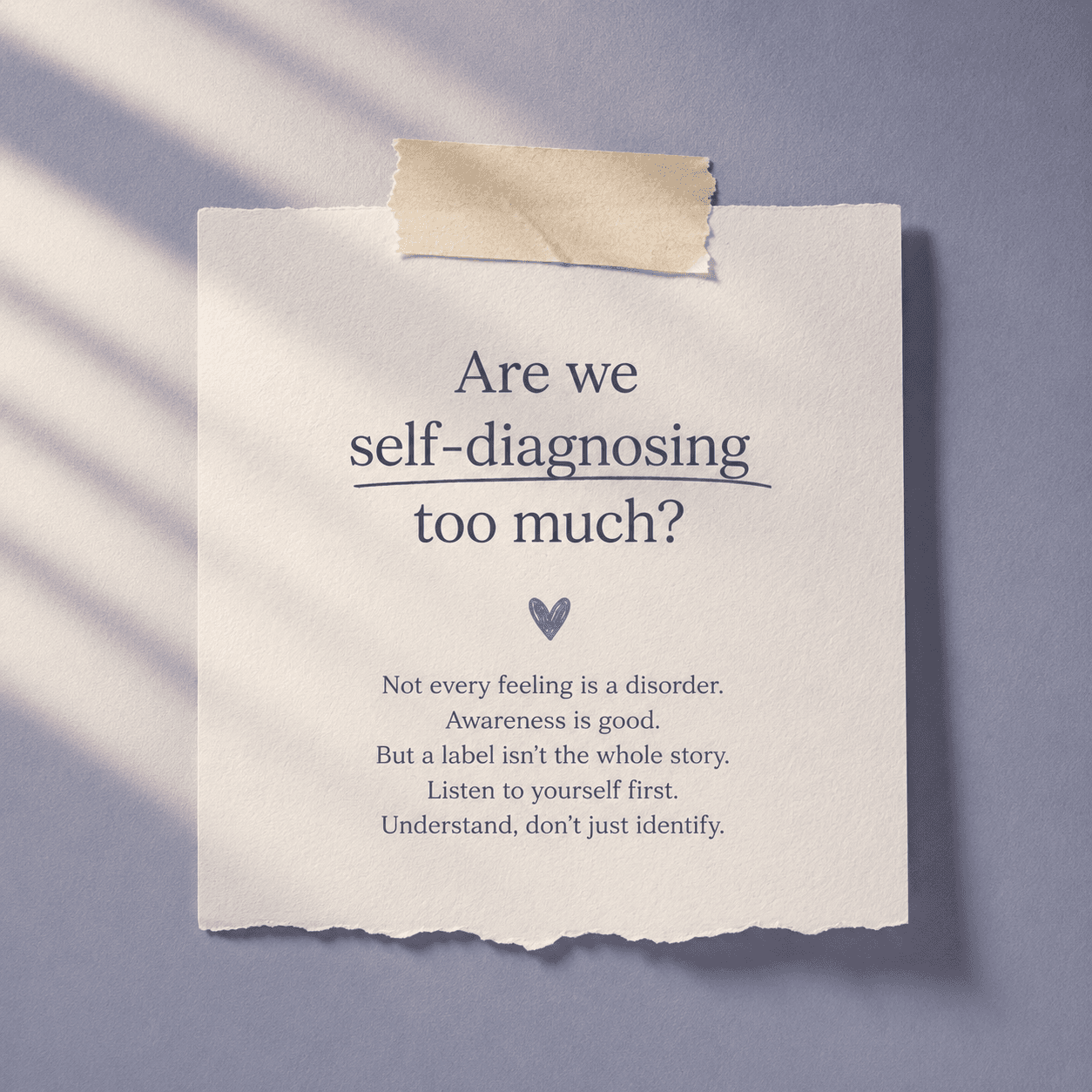
Are we Self-Diagnosing Too much ?
Social media has made it easier than ever to find a name for what you're feeling — and sometimes that recognition is genuinely useful. But a symptom list isn't a diagnosis, and this post looks at what self-diagnosis gets right, where it goes wrong, and what to do instead.
LissnUp Editorial Team
August 19, 20264 min read

Never have we been more connected—and yet so many still feel completely unheard.
You can be reachable around the clock, surrounded by people, and still go to sleep feeling like nobody actually got what you were trying to say. This post is about why being connected and being heard are two completely different things — and what genuine listening actually looks like.
LissnUp Editorial Team
August 14, 20263 min read
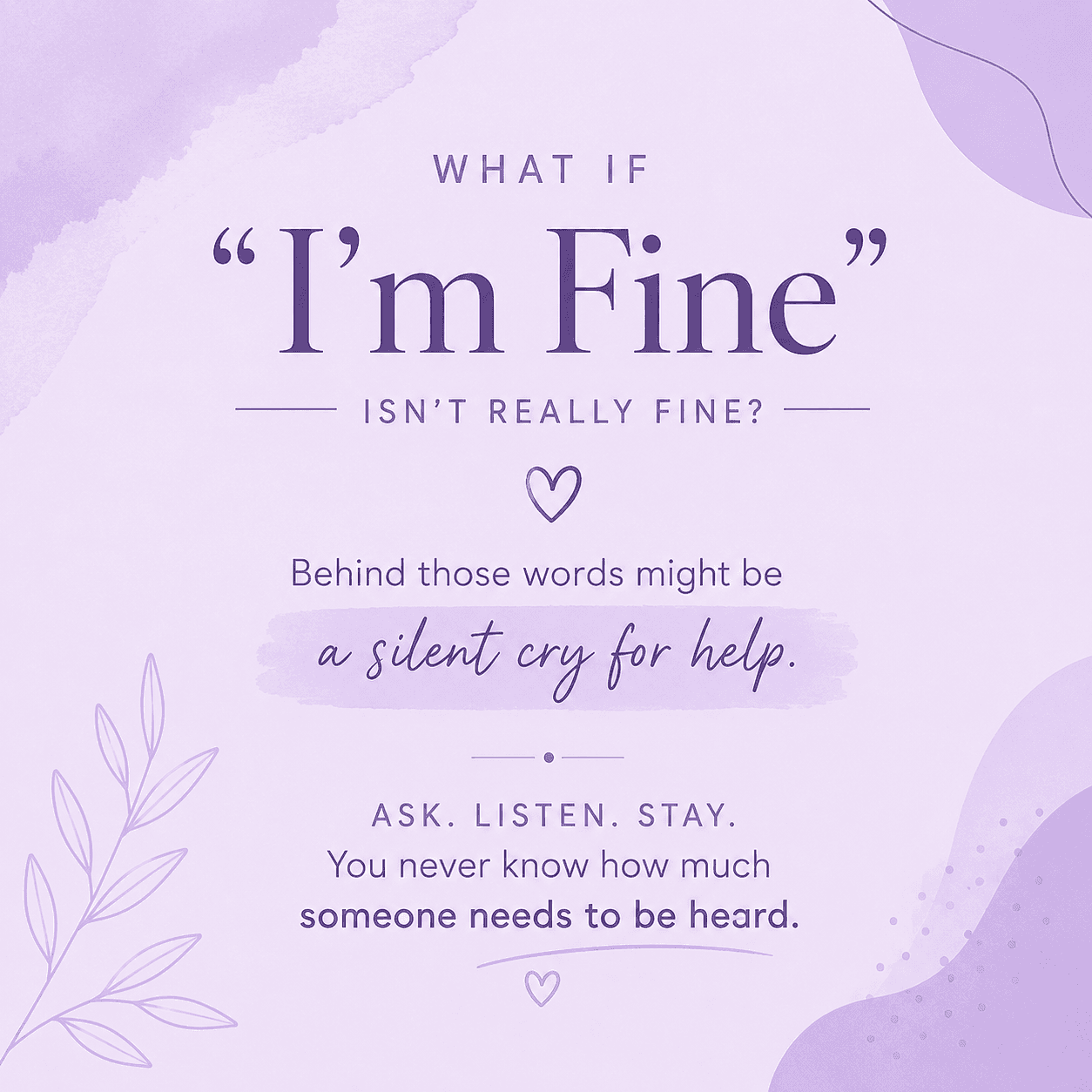
What if “I am fine “ isn’t really fine ?
Sometimes "I'm fine" is the truest thing a person can manage to say — and also the least honest. This piece looks at what those two words are often covering, and what it actually takes to give someone permission to put it down.
LissnUp Editorial Team
August 13, 20263 min read
The kindness we don’t talk about Enough: Listening .
Most of us were taught to respond, reassure, and fix — not to simply stay quiet and receive. This post makes the case that listening is one of the most underestimated acts of kindness available to us, and looks at what it actually takes to do it well.
LissnUp Editorial Team
August 13, 20263 min read
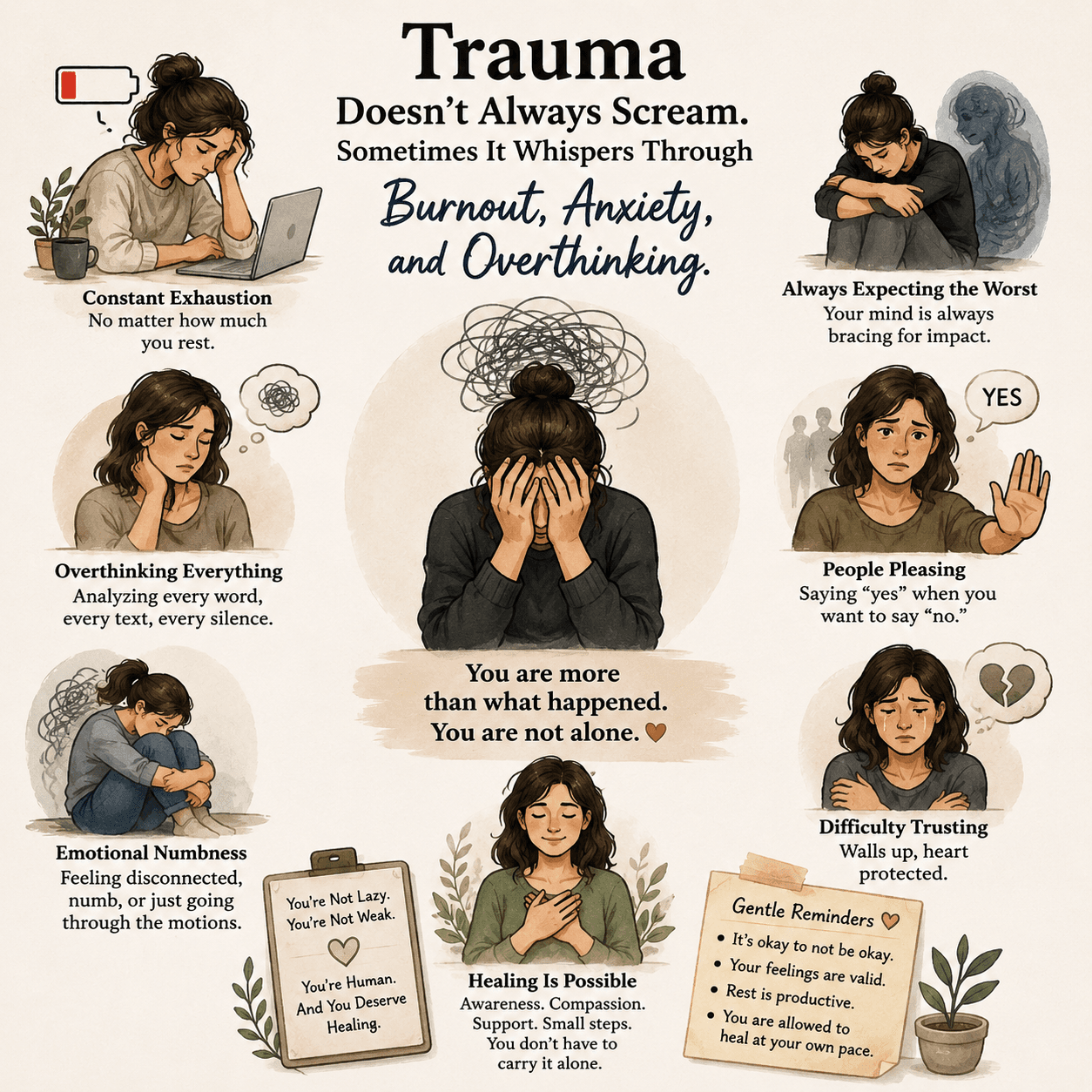
Trauma doesn’t Always Scream
Trauma doesn't always announce itself with a clear memory or a named event — sometimes it shows up as chronic guilt, people-pleasing, or a constant low hum of dread. This post looks at the quieter ways trauma reshapes everyday thinking, and why changing the question you ask yourself can change everything.
LissnUp Editorial Team
August 13, 20263 min read
Sometimes people don’t need Answers The need a safe place to say it loud
Sometimes the thing you actually need isn't a solution. It's just a place to say the thing out loud. This post is about why being heard without judgment does something that advice never quite can.
LissnUp Editorial Team
August 13, 20263 min read
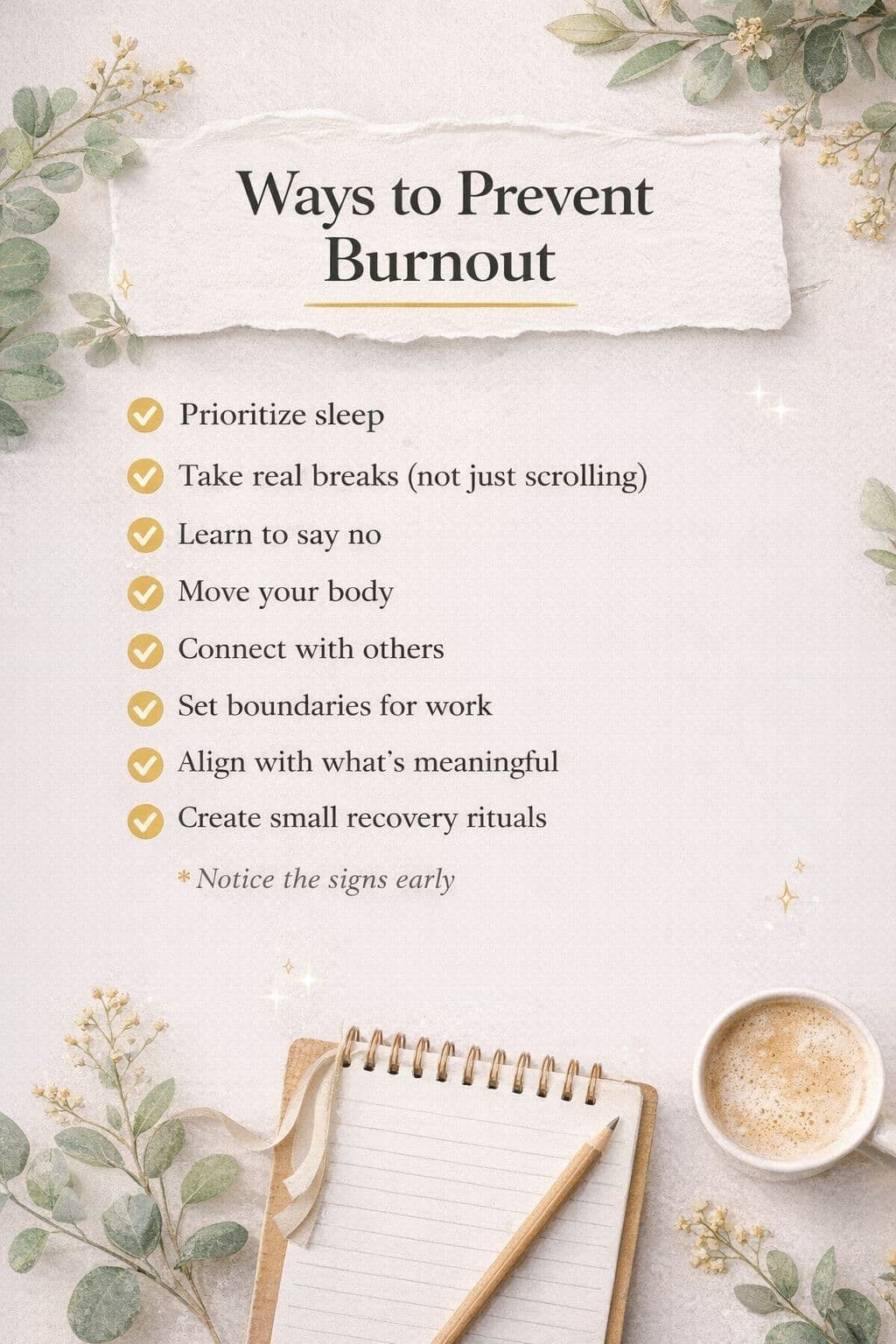
How to Catch Burnout Before It Catches You — the Early-Warning Guide
Nobody wakes up on Tuesday burnt out. It builds slowly across weeks and months of ignored signals, until suddenly you can't do the thing you used to do easily. Here's what the early-warning phase actually looks like and what to do about it before you're too depleted to act.
LissnUp Editorial Team
April 10, 20265 min read
The Specific Pain of Being Unheard — and How the Silence Becomes Self-Protection
Being unheard doesn't announce itself. It's the specific loneliness of finishing a sentence and realizing the other person moved past it before you were done. Repeated over time, it teaches you to stop trying — which reads as maturity from the outside and costs a lot on the inside.
LissnUp Editorial Team
April 10, 20265 min read
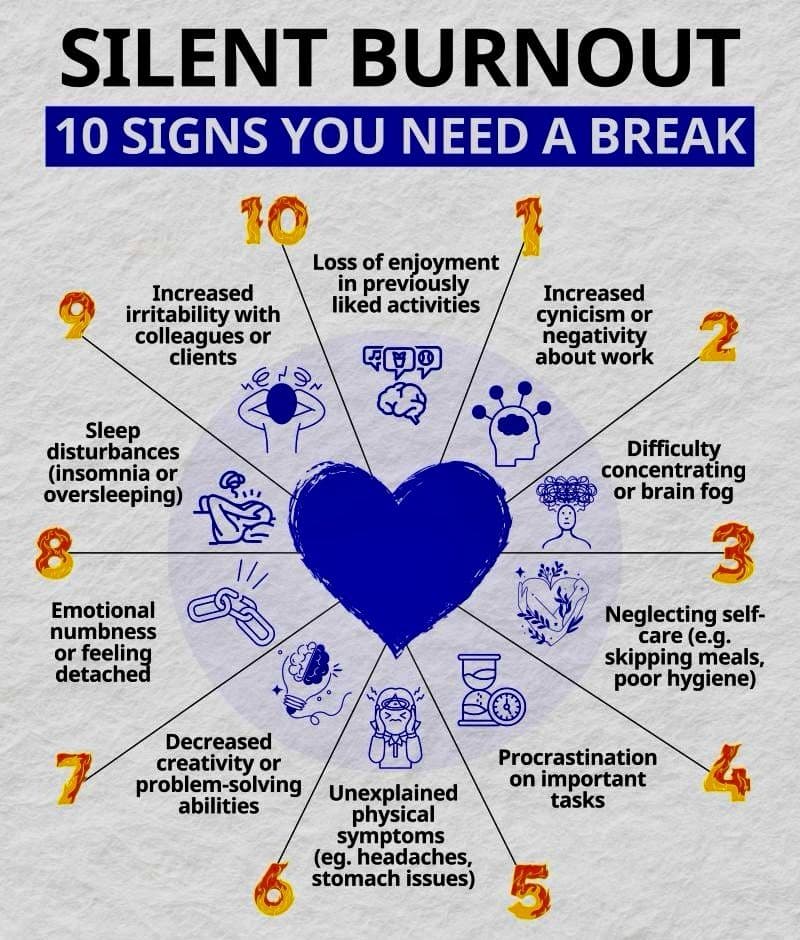
Silent Burnout: When You're Falling Apart and Nobody Can Tell
Some kinds of burnout are loud — the collapse, the tears, the leave-of-absence. Others aren't. This one wears your regular face to work and still hits deadlines. Everybody thinks you're doing great. You are not doing great. Here's how to notice it in yourself before it takes you out at the knees.
LissnUp Editorial Team
February 11, 20265 min read

What Actually Changes When You Finally Say How You Feel
There's a specific shift that happens the first time you say the thing out loud to someone who doesn't try to fix it. This is about that shift — what it does inside you, what it does to the relationship, and why it's worth the awkward first sentence.
LissnUp Editorial Team
July 6, 20254 min read

I've Been Holding This In for Years: A Starter Guide to Actually Saying It
Nobody opens up in one dramatic scene. You do it in small, awkward pieces — figuring out what you feel, picking the one person who won't make it worse, saying the first ugly sentence and then the next one. That's the whole thing. This is how to start.
LissnUp Editorial Team
July 6, 20254 min read

Why It's So Hard to Say I'm Not Okay
The words 'I'm not okay' can be surprisingly hard to say out loud, even when they're true. This article looks at why that clamp happens, what suppressing feelings costs over time, and small ways to start being honest — first with yourself, then with someone you trust.
LissnUp Editorial Team
July 6, 20254 min read

Managing Everyday Anxiety — Why Talking It Out Reliably Helps
Everyday anxiety — the background hum kind, not the clinical kind — responds to something surprisingly simple: saying it out loud to someone who isn't going to fix it. The mechanism is real, the effect is documented, and most people never quite arrange it deliberately. Here's why it works.
LissnUp Editorial Team
June 17, 20245 min read

The Underrated Ingredient in Emotional Resilience — And Why Most Advice Skips It
Most emotional-resilience advice is a list of things you do by yourself — meditate, journal, breathe, be grateful. All useful. All also missing the strongest predictor of actual resilience, which the research keeps pointing at and most content keeps skipping. Here's the honest version.
LissnUp Editorial Team
June 12, 20246 min read

Why Talking Through Fear Actually Helps — And When It's Enough on Its Own
Fear loses a specific kind of power the moment you say it out loud to someone who isn't going to argue with it. This is one of the more consistent findings across anxiety research, and it explains why so many people who 'know all the coping techniques' still benefit from the more basic act of being heard.
LissnUp Editorial Team
April 16, 20246 min read

The Real Link Between Stress and Back Pain — Without the Fabricated Statistics
The connection between chronic stress and back pain is genuinely well-established. It's also the topic of an enormous amount of wellness content that makes up specific percentages and attributes them to prestigious institutions. Here's the honest read on what the mind-body connection actually is, and what to do about it.
LissnUp Editorial Team
April 2, 20245 min read
Related tags
Topics that show up alongside Opening Up across the LissnUp blog.