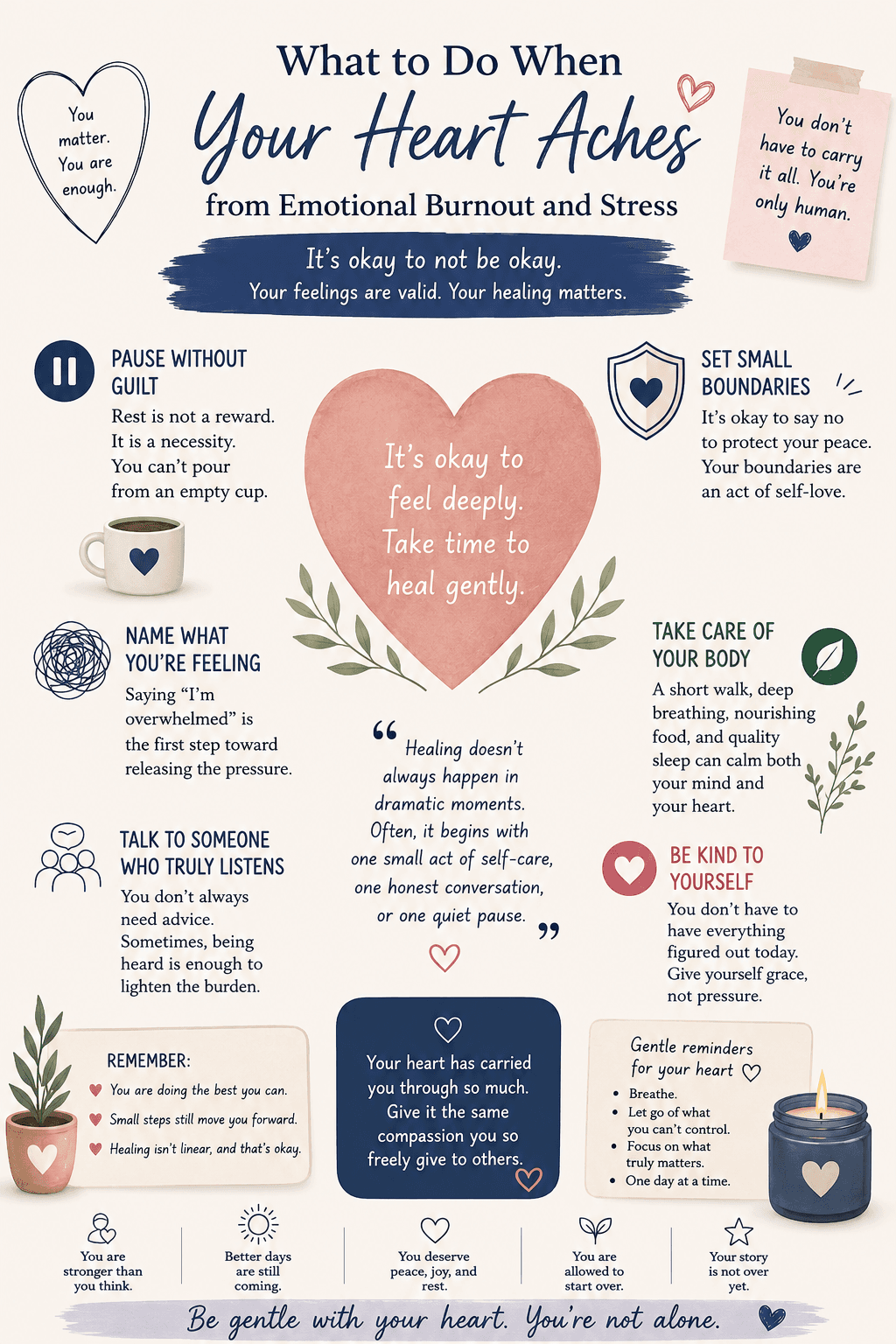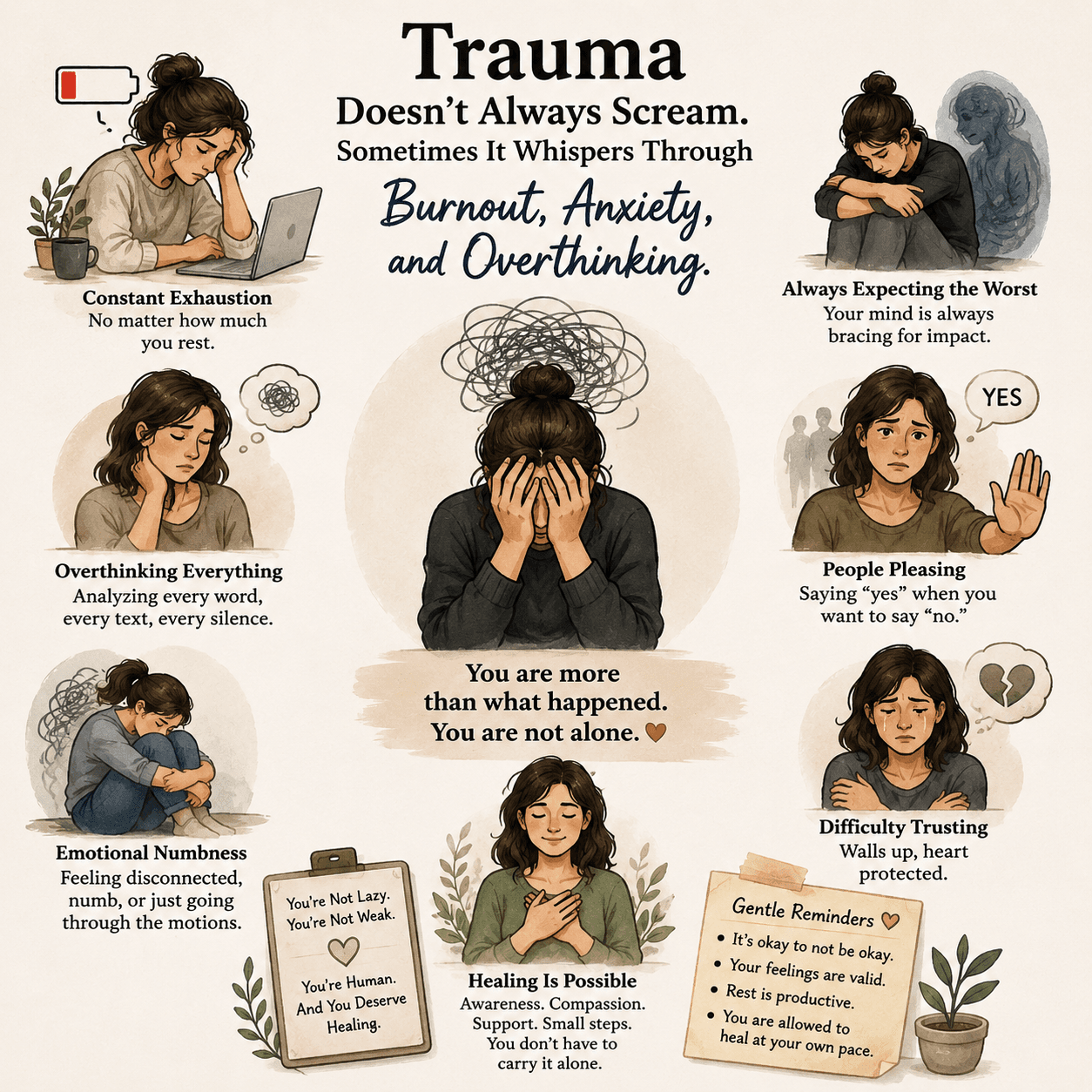
Some kinds of burnout are loud — the collapse, the tears, the leave-of-absence. Others aren't. This one wears your regular face to work and still hits deadlines. Everybody thinks you're doing great. You are not doing great. Here's how to notice it in yourself before it takes you out at the knees.
The Version You Can Still Function Through
Why This Version Is Harder to Catch
What Silent Burnout Actually Looks Like
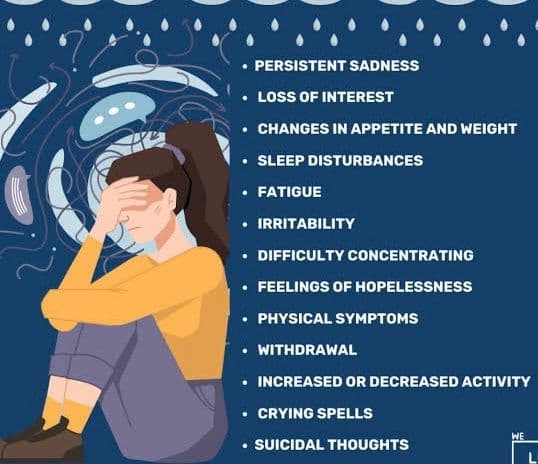
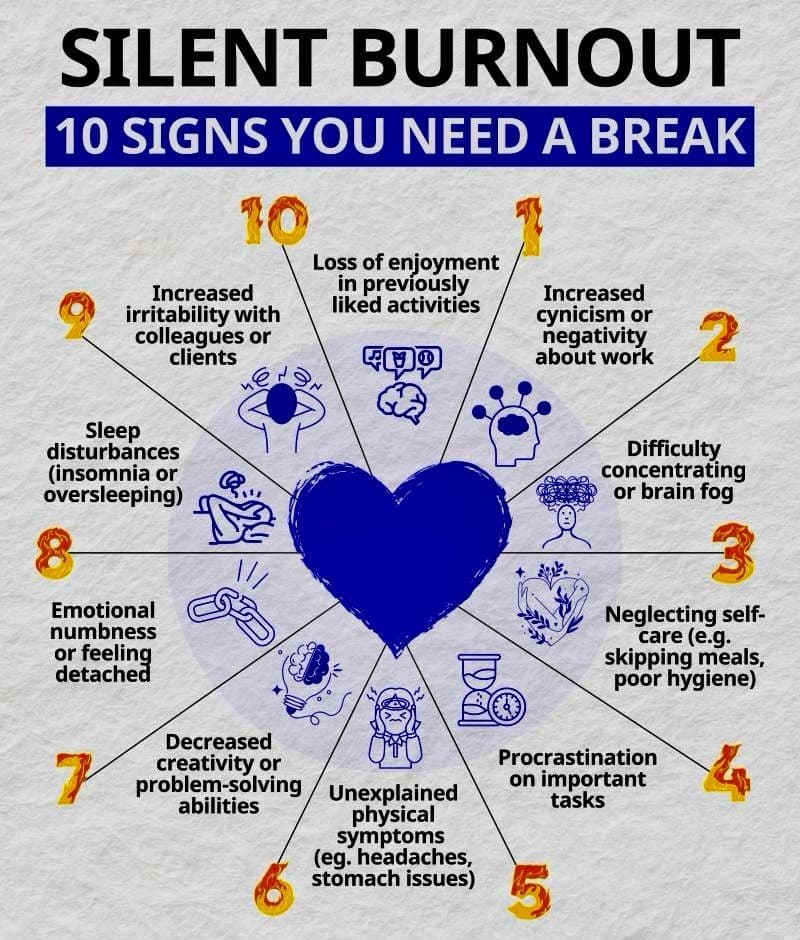
- Sleep isn't restoring you. You sleep seven or eight hours and wake up tired anyway.
- Small tasks feel heavier than they should. Answering a routine email now requires a small internal negotiation.
- You're withdrawing from people, not because anything's wrong with them, but because you don't have anything to give.
- Things that used to be enjoyable feel flat. Hobbies, weekends, plans you were looking forward to — the muted version.
- You've lost motivation but you're still pushing through, because you have to and because stopping doesn't feel like an option.
Why It's So Easy to Miss
The Reframe Worth Repeating Until It Sticks
What Actually Helps
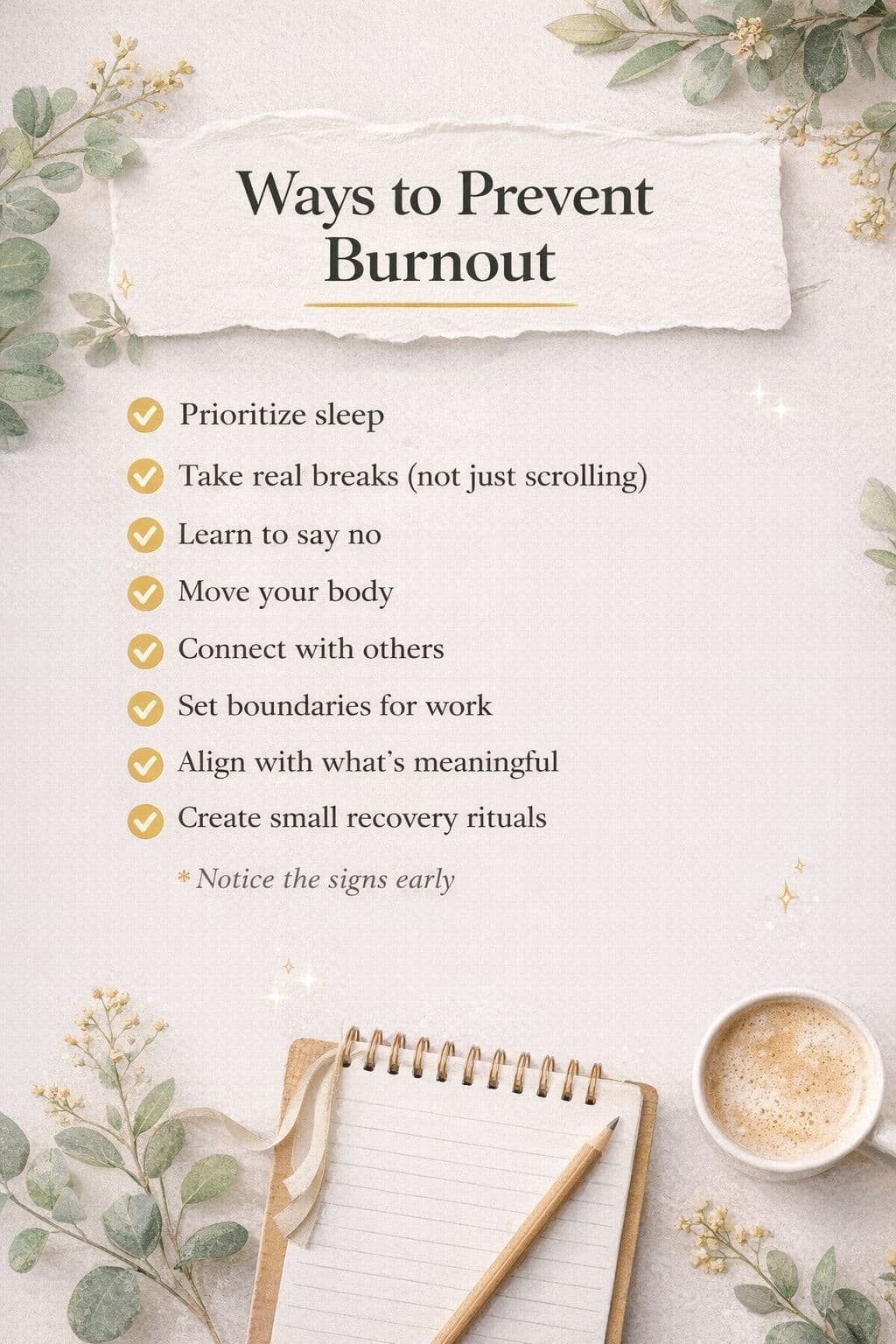
- Rest before your body forces you to. Chosen rest works better than collapse rest, and it doesn't cost days off your calendar.
- Say no to something this week that you would normally have said yes to. One thing. That's the entire assignment.
- Find one person you can tell the truth to. Not everyone in your life needs the full picture. One person does.
- Notice the basics. Sleep, food, hydration, movement, screens. Silent burnout is often being held in place by two or three of these being off simultaneously.
It Stops Being Silent the Moment You Say It
Sources & Further Reading
What's the difference between silent burnout and regular burnout?
Regular burnout is usually visible — you can't get through the workday, you're missing deadlines, people around you notice something's wrong. Silent burnout is when the outer performance is holding but the inside has been depleted for weeks. From the outside you look the same. Inside, you're running on much less than usual.
How do I know if what I'm dealing with is silent burnout?
The reliable clues: sleep that doesn't restore you, small tasks feeling disproportionately heavy, withdrawing from people you actually like, things that used to bring you pleasure feeling muted, and a persistent low background 'I can't keep this up' that you keep overriding. If most of those describe your last month, it's worth taking seriously.
Can I recover from silent burnout without professional help?
Sometimes — if it's mild, caught early, and you can actually adjust the load that produced it (fewer hours, more sleep, a real weekend). If it's been building for many months, if you're using alcohol or substances to cope, or if the underlying situation isn't going to change on its own, a professional (therapist, doctor) is the right next step. You are not weak for needing that; you are dealing with a real phenomenon that has real supports.
Do I need to be officially burnt out to take rest seriously?
No. Waiting until you're a wreck to permit yourself rest is exactly the pattern that produces the silent-burnout state in the first place. Preventive rest — days off before you desperately need one, evenings without deliverables, a real weekend — is how most people avoid ever getting here.