Curated by the LissnUp Editorial Team

Insights for Emotional Wellness

Overview

The LissnUp blog is what we've learned from doing anonymous peer-support listening — translated into reading you can do at 2am when a session isn't what you need. Articles cover emotional expression, the craft of listening, mental wellness, relationships, cultural pressure, social media's effect on inner life, and the research behind all of it. Drawn from peer-reviewed sources, written in the same judgment-free voice our trained listeners use on calls, curated by the LissnUp Editorial Team. Nothing here is medical treatment, diagnosis, or advice. It's a library of what tends to help people feel heard, alongside the option — whenever you want it — to actually be heard by a real person.


Featured Article

Nervous System 'Healing' Without the Wellness Hype — What Actually Helps

Nervous System 'Healing' Without the Wellness Hype — What Actually Helps

You've probably seen 'heal your nervous system' content everywhere lately. Some of it is genuinely useful. A lot of it overclaims what the science actually supports. Here's the honest read on what your autonomic nervous system does when you've been stressed too long — and the small, boring practices that reliably help.

Latest Articles

Showing 1-12 of 75 articles
Never have we been more connected—and yet so many still feel completely unheard.

Never have we been more connected—and yet so many still feel completely unheard.

You can be reachable around the clock, surrounded by people, and still go to sleep feeling like nobody actually got what you were trying to say. This post is about why being connected and being heard are two completely different things — and what genuine listening actually looks like.

What if “I am fine “ isn’t really fine ?

What if “I am fine “ isn’t really fine ?

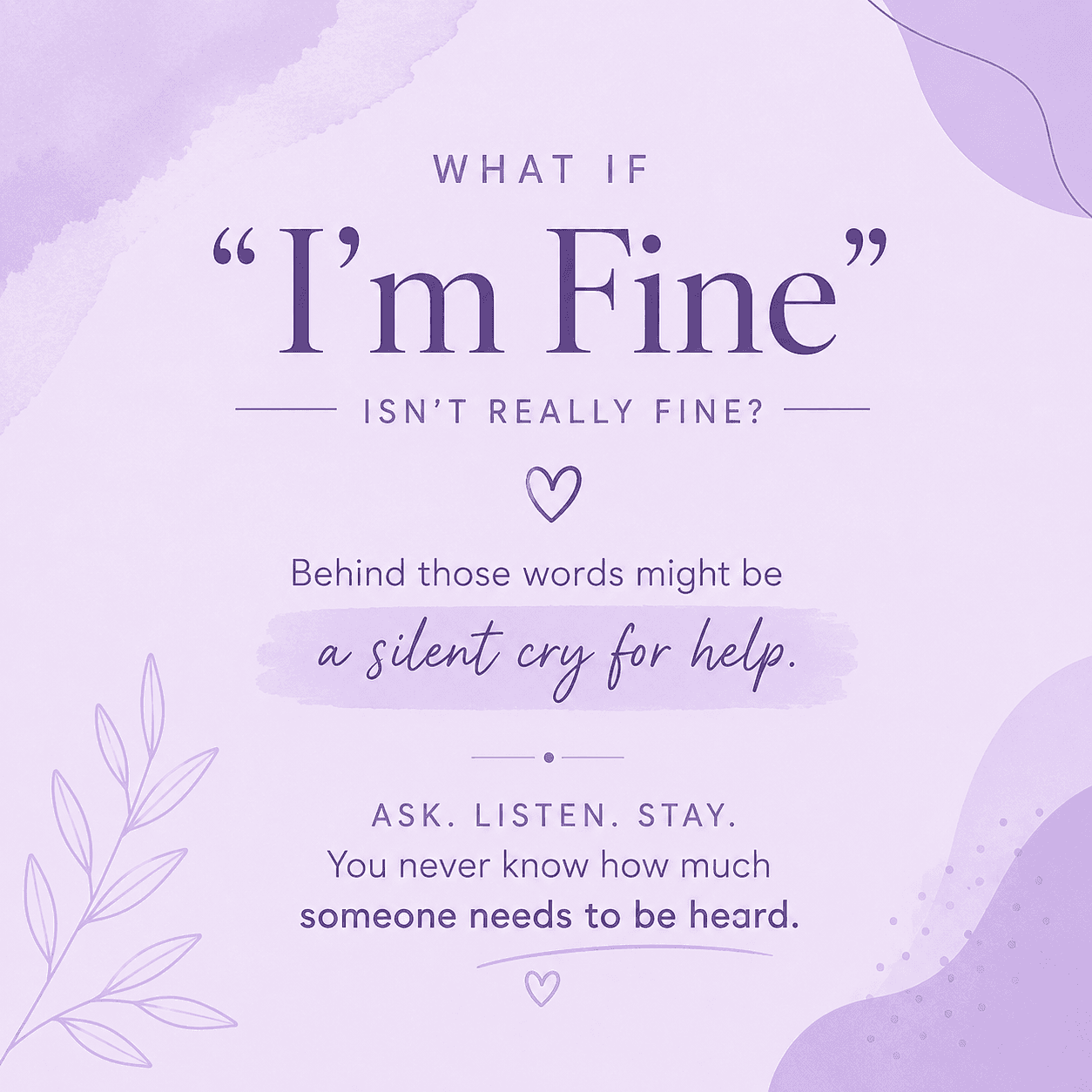
Sometimes "I'm fine" is the truest thing a person can manage to say — and also the least honest. This piece looks at what those two words are often covering, and what it actually takes to give someone permission to put it down.

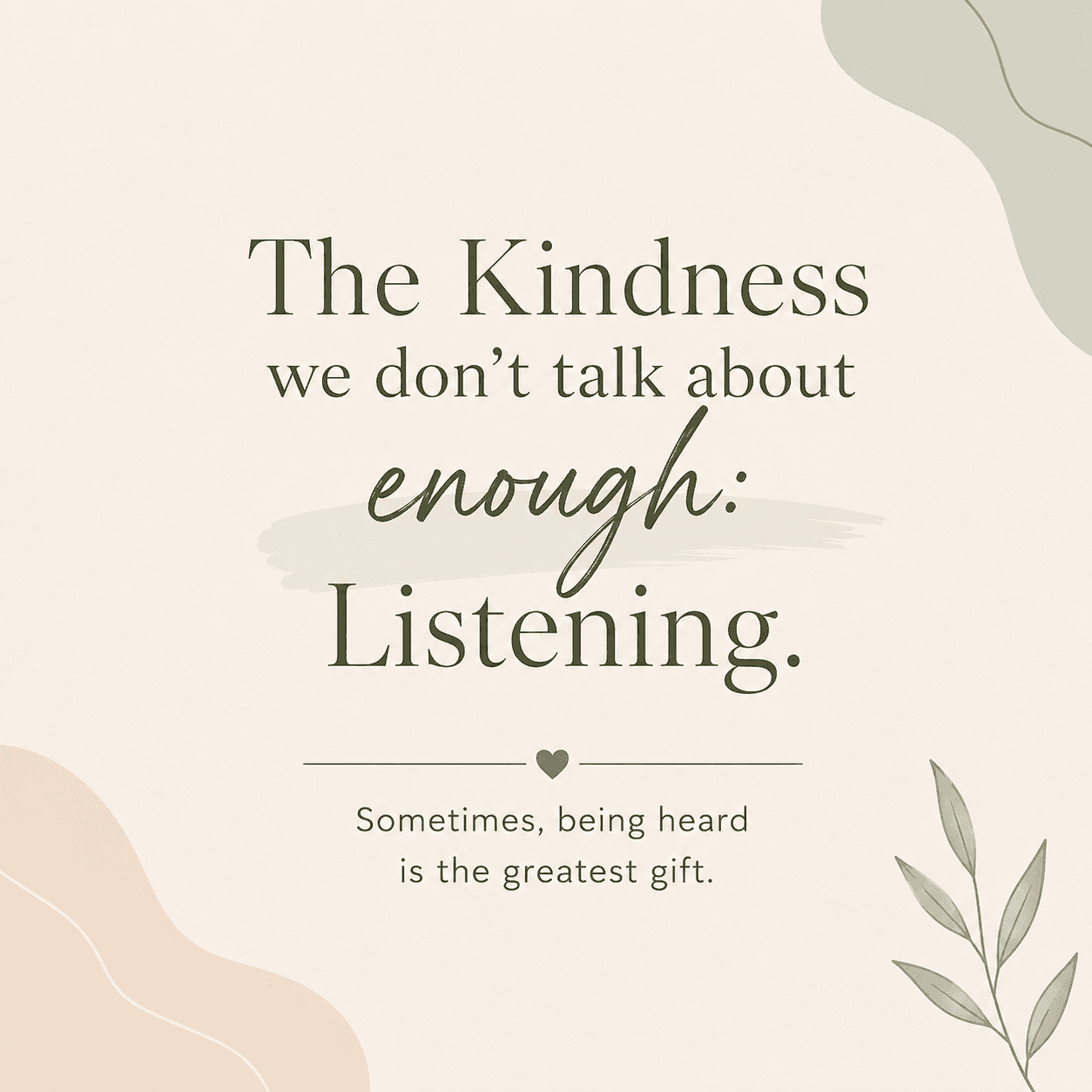
The kindness we don’t talk about Enough: Listening .

The kindness we don’t talk about Enough: Listening .

Most of us were taught to respond, reassure, and fix — not to simply stay quiet and receive. This post makes the case that listening is one of the most underestimated acts of kindness available to us, and looks at what it actually takes to do it well.

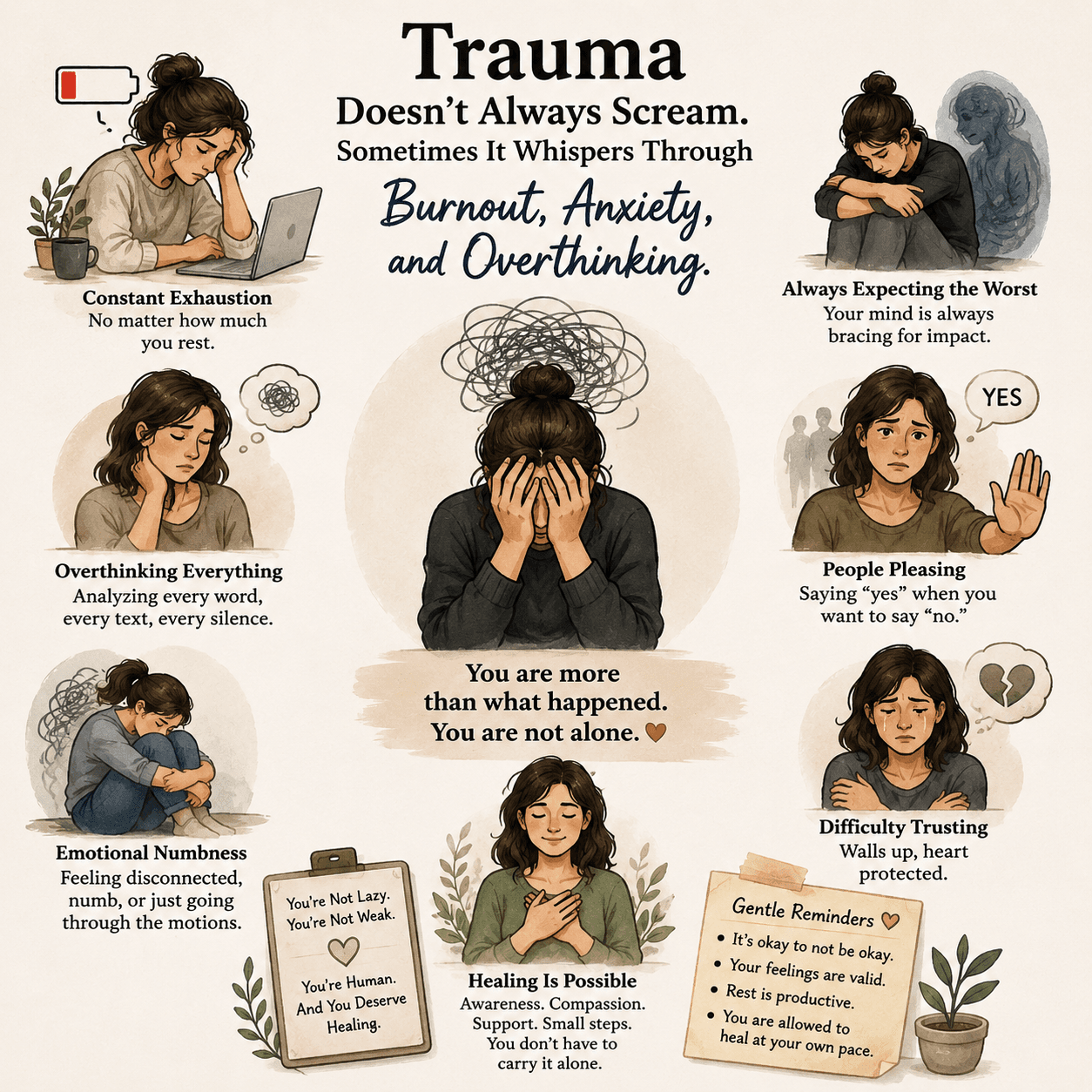
Trauma doesn’t Always Scream

Trauma doesn’t Always Scream

Trauma doesn't always announce itself with a clear memory or a named event — sometimes it shows up as chronic guilt, people-pleasing, or a constant low hum of dread. This post looks at the quieter ways trauma reshapes everyday thinking, and why changing the question you ask yourself can change everything.

Emotional Burntout and Stress

Emotional Burntout and Stress

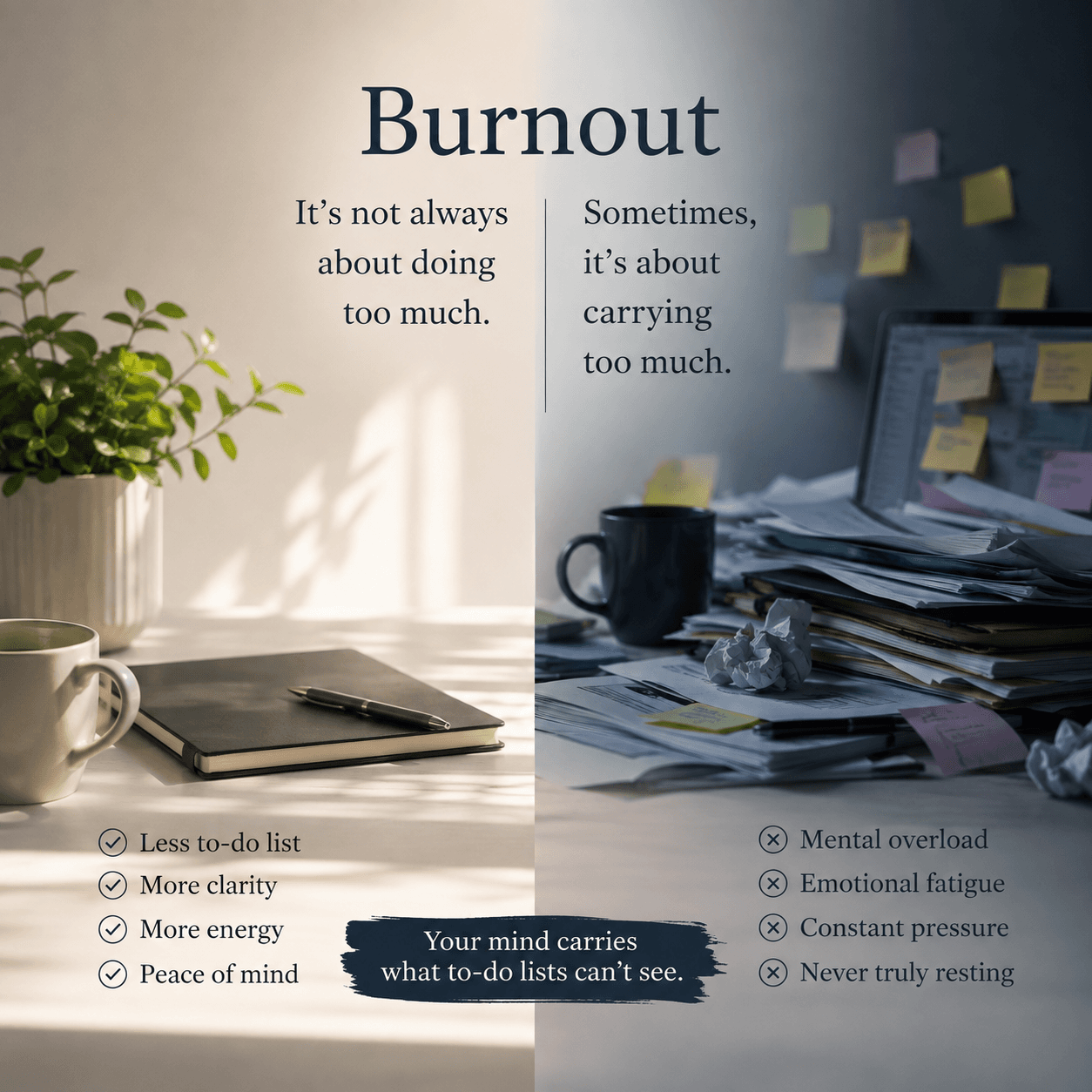
Sometimes the ache in your chest isn't about one specific thing — it's the accumulated weight of carrying too much for too long without enough support. This post looks at what emotional burnout actually feels like, why rest isn't optional, and what tends to help when being strong has stopped working.

Not everything that weighs on you is yours to carry.

Not everything that weighs on you is yours to carry.

Some of what's weighing on you isn't actually yours — it's borrowed worry, absorbed expectation, or energy spent managing things that were never in your hands. This post breaks down the simple but easy-to-forget distinction between what you can genuinely influence and what you'd be better off putting down.

Sometimes people don’t need Answers The need a safe place to say it loud

Sometimes people don’t need Answers The need a safe place to say it loud

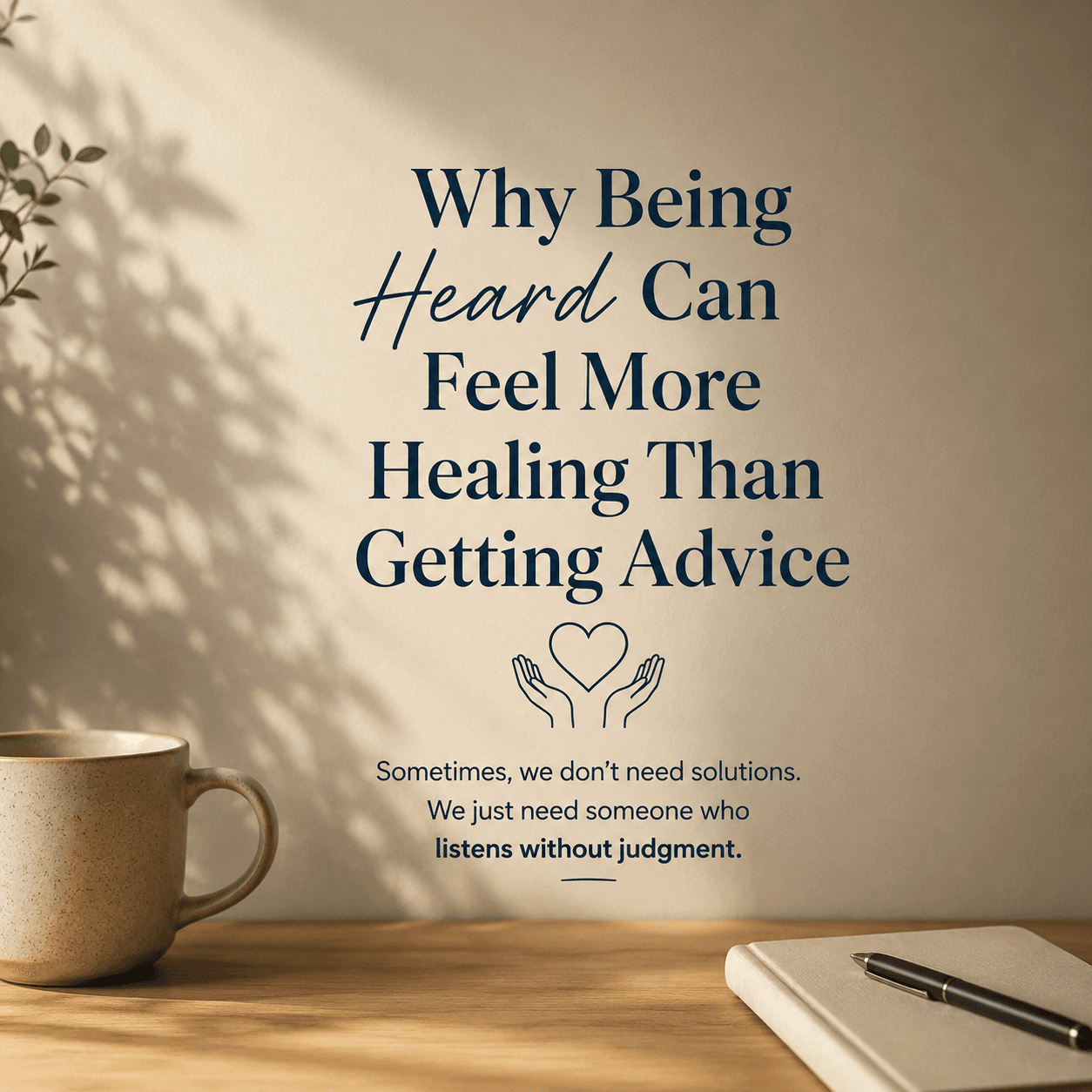
Sometimes the thing you actually need isn't a solution. It's just a place to say the thing out loud. This post is about why being heard without judgment does something that advice never quite can.

Name It. Feel It. Draw It. Let It Go — A Practice for Emotions Too Big for Words

Name It. Feel It. Draw It. Let It Go — A Practice for Emotions Too Big for Words

Sometimes a feeling is too big or too vague to put straight into words. This is a short practice for those moments — a multi-step way to name, locate, express, and eventually release an emotion so it becomes something you can work with, not just something happening to you.

If Your Emotions Could Talk — What Each One Is Actually Trying to Tell You

If Your Emotions Could Talk — What Each One Is Actually Trying to Tell You

Emotions aren't always accurate reports of what's happening. They are almost always worth listening to. Anxiety, anger, grief, shame — each one carries a signal about what your inner system is registering. Here's a short guide to what yours might be trying to say.

The Watermelon Technique — Why Trauma Recovery Isn't Measured by How Openly You Talk About It

The Watermelon Technique — Why Trauma Recovery Isn't Measured by How Openly You Talk About It

Healing from trauma is not the same thing as being able to talk about it. The Watermelon Technique — a metaphor used in trauma-informed practice — offers a way to think about the different layers of your story and why you get to decide who has earned access to each one.

The Spiral of Self-Trust — Why It's Built From Kept Promises, Not Confidence

The Spiral of Self-Trust — Why It's Built From Kept Promises, Not Confidence

Self-trust isn't a personality trait you either have or don't. It's built one small kept promise at a time — the accumulated behavioural evidence that you can rely on yourself. Which also means it's built, or eroded, in the tiny everyday choices most people don't notice they're making.

The Maslow-Hierarchy Check-In That Solves Most 'Random' Bad Days

The Maslow-Hierarchy Check-In That Solves Most 'Random' Bad Days

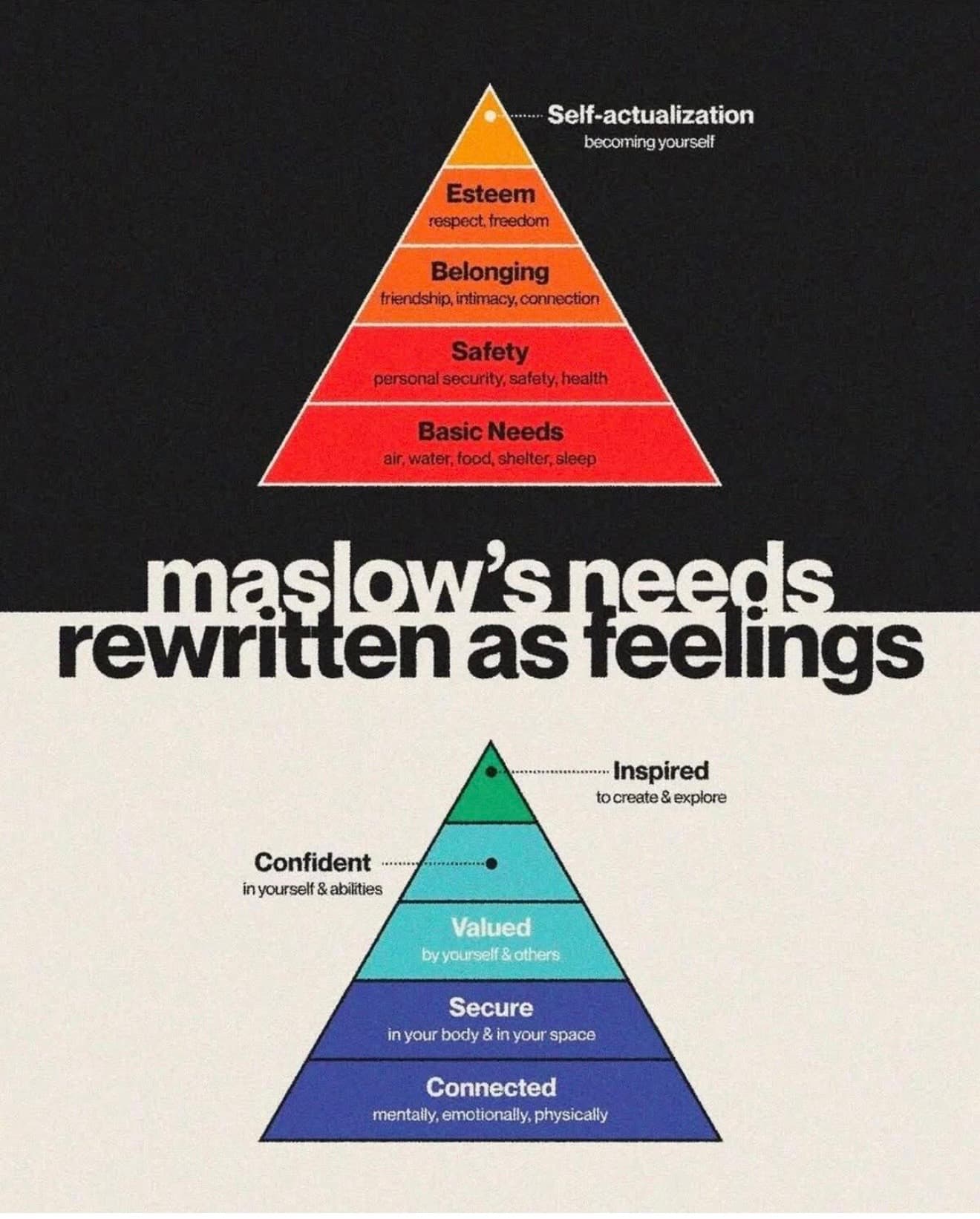
Maslow's hierarchy of needs is one of those things everyone learned in school and no one applies. Used as a real check-in — 'which level of need have I actually been meeting?' — it solves a surprising percentage of the mystery bad days people otherwise try to think their way out of.

Sometimes reading isn't what you need. Sometimes it's talking.

Book a 15-minute session with a trained LissnUp listener — anonymous, confidential, judgment-free. Text or voice. No intake forms, no advice, no record kept. Just space to be heard.