Curated by the LissnUp Editorial Team

Insights for Emotional Wellness

Overview

The LissnUp blog is what we've learned from doing anonymous peer-support listening — translated into reading you can do at 2am when a session isn't what you need. Articles cover emotional expression, the craft of listening, mental wellness, relationships, cultural pressure, social media's effect on inner life, and the research behind all of it. Drawn from peer-reviewed sources, written in the same judgment-free voice our trained listeners use on calls, curated by the LissnUp Editorial Team. Nothing here is medical treatment, diagnosis, or advice. It's a library of what tends to help people feel heard, alongside the option — whenever you want it — to actually be heard by a real person.

Latest Articles

Showing 13-24 of 75 articles
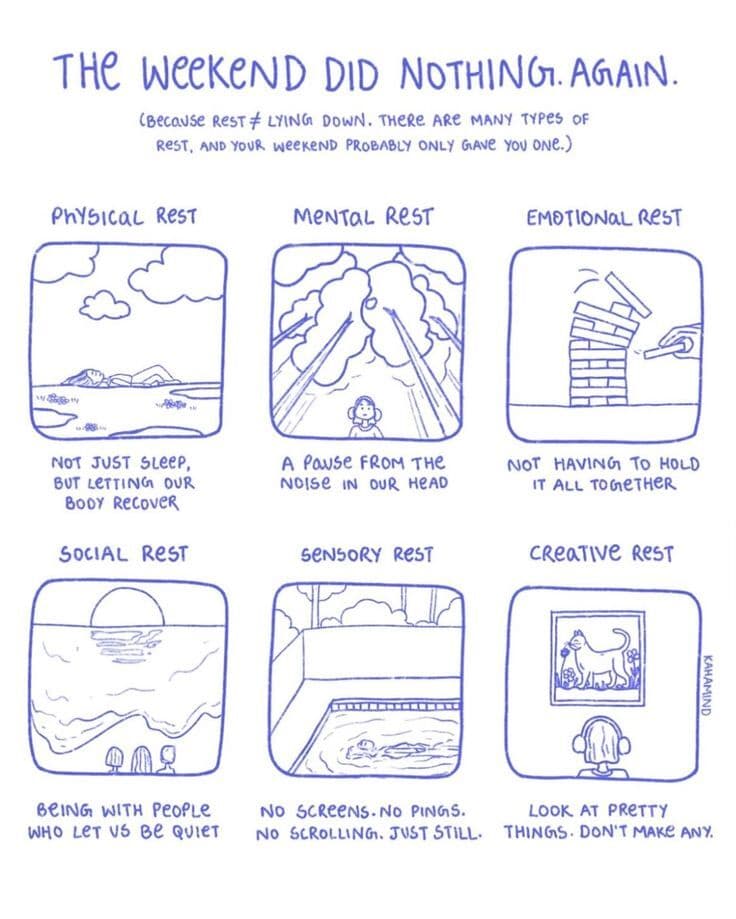
Why You're Still Tired on Monday — The Rest You Actually Needed vs the Rest You Got

Why You're Still Tired on Monday — The Rest You Actually Needed vs the Rest You Got

You slept in, took the weekend, tried to do the rest thing right — and Monday still feels like a wall. That's usually not a discipline problem. It's a category error: sleep addresses one kind of fatigue and you were carrying a different one. Here's the actual taxonomy.

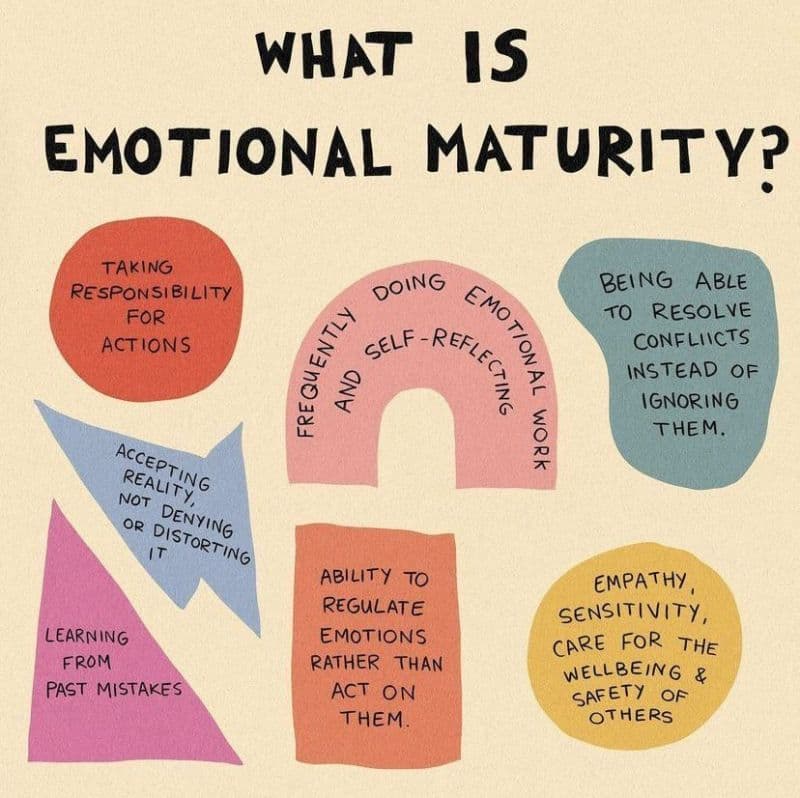
What Emotional Maturity Actually Looks Like — Not the Version You Think

What Emotional Maturity Actually Looks Like — Not the Version You Think

Most people picture emotional maturity as always being calm, always being right, never getting overwhelmed. That's not maturity — that's suppression pretending to be maturity. The real version is messier, more honest, and much more useful.

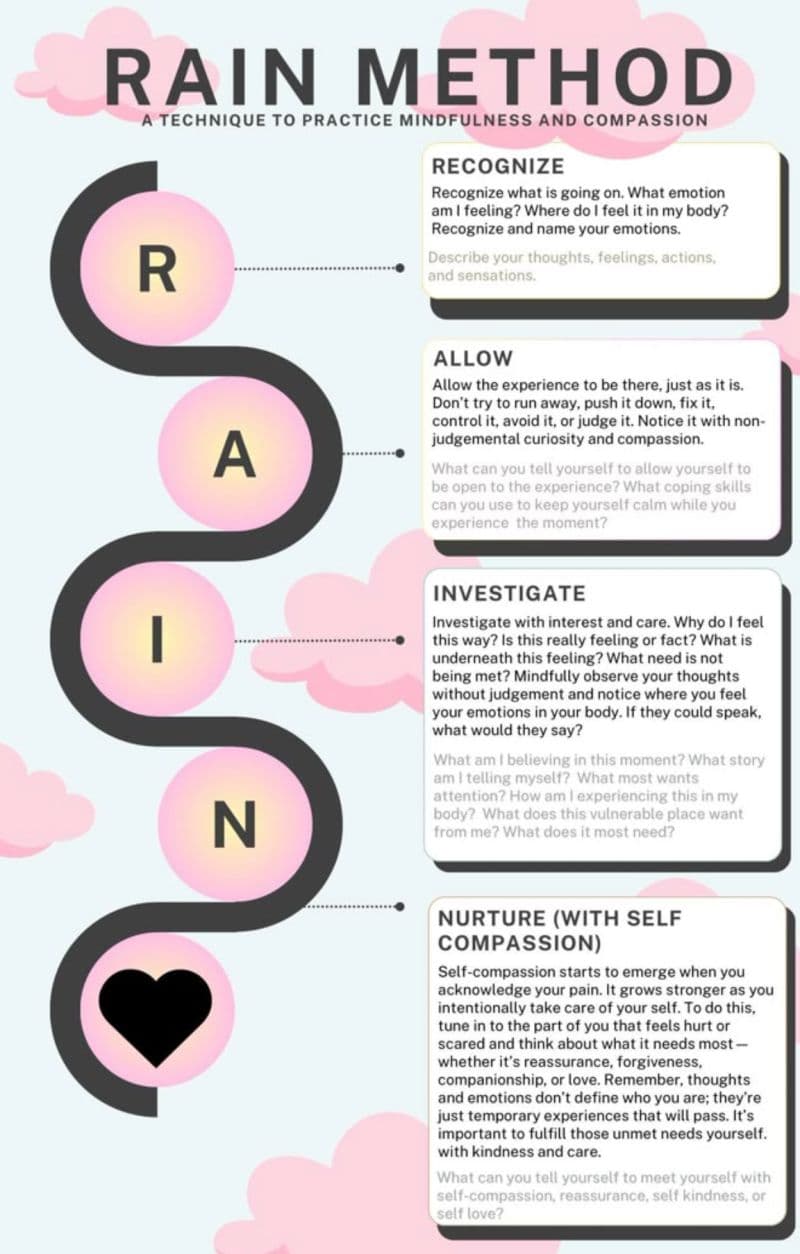
The RAIN Method for Difficult Emotions — What It Is, When It Helps, When It Doesn't

The RAIN Method for Difficult Emotions — What It Is, When It Helps, When It Doesn't

The RAIN method — Recognize, Allow, Investigate, Nurture — is one of the more useful things to come out of the mindfulness-and-self-compassion literature. It's simple, it fits in a couple of minutes, and it doesn't require you to already be good at meditating. Here's the honest read on what it does and when to reach for it.

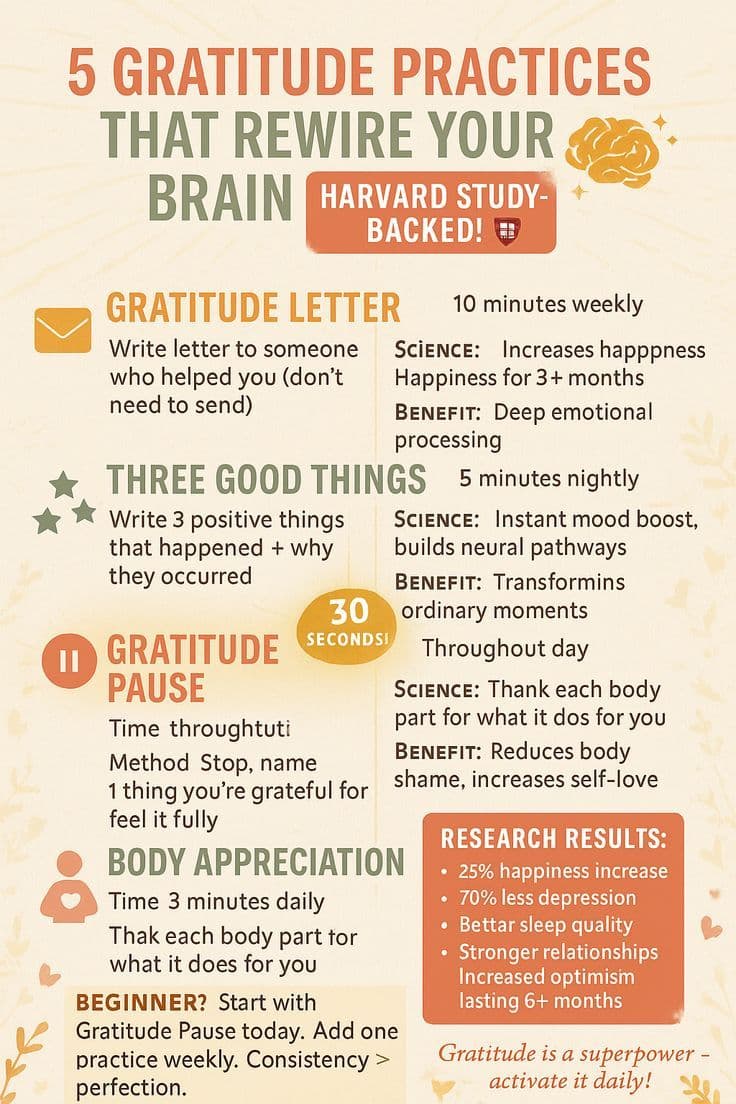
Gratitude for People Who Are Suspicious of Gratitude Content

Gratitude for People Who Are Suspicious of Gratitude Content

The wellness internet has mostly ruined 'gratitude' as a word — turned it into forced positivity you're supposed to feel about a bad day. The actual research on it is more interesting and much less annoying. Here's the honest version of what gratitude practice does and doesn't do.

How to Catch Burnout Before It Catches You — the Early-Warning Guide

How to Catch Burnout Before It Catches You — the Early-Warning Guide

Nobody wakes up on Tuesday burnt out. It builds slowly across weeks and months of ignored signals, until suddenly you can't do the thing you used to do easily. Here's what the early-warning phase actually looks like and what to do about it before you're too depleted to act.

The Specific Pain of Being Unheard — and How the Silence Becomes Self-Protection

The Specific Pain of Being Unheard — and How the Silence Becomes Self-Protection

Being unheard doesn't announce itself. It's the specific loneliness of finishing a sentence and realizing the other person moved past it before you were done. Repeated over time, it teaches you to stop trying — which reads as maturity from the outside and costs a lot on the inside.

What Being Heard Actually Feels Like — And Why So Many People Don't Get It Often

What Being Heard Actually Feels Like — And Why So Many People Don't Get It Often

There's a specific difference between being heard by someone and being processed by them. Most people can tell the difference in their body within a minute of a conversation. And most people don't get the first kind nearly as often as they need to.

The 'Four Happy Chemicals' Story — What's True, What's Oversimplified, and What Actually Helps

The 'Four Happy Chemicals' Story — What's True, What's Oversimplified, and What Actually Helps

You've seen the 'four happy chemicals' explainer — dopamine, serotonin, oxytocin, endorphins, and the tidy list of habits for each. Most of it is roughly true and dramatically oversimplified. Here's the honest read on what these neurotransmitters actually do and what actually moves the needle on wellbeing.

The Habit of Making Yourself Smaller — and What It Actually Costs You

The Habit of Making Yourself Smaller — and What It Actually Costs You

Most people learn very young that being liked requires editing yourself in real time. It works, in a limited sense — you get to belong. What you don't notice at the time is what it costs, and how much longer the compounding bill runs than the temporary safety it buys.

The Version of Depression That Doesn't Look Like Depression — Signs Worth Knowing

The Version of Depression That Doesn't Look Like Depression — Signs Worth Knowing

The classic picture of depression — someone crying, someone visibly withdrawn — is real but incomplete. A lot of depression looks like a functional person who quietly stopped enjoying things a few months ago. Here's what the less-obvious version tends to look like, in yourself and the people around you.

Self-Neglect Doesn't Feel Like a Crisis Until It Suddenly Is — Where It Actually Costs You

Self-Neglect Doesn't Feel Like a Crisis Until It Suddenly Is — Where It Actually Costs You

Nobody wakes up one day and decides to neglect themselves. It builds slowly — a missed meal here, a lost hour of sleep there, one more thing added to the load. Then months later everything is a little harder than it should be and you can't quite say why. Here's where the damage actually happens.

How to Tell Gaslighting from a Normal Disagreement (and What to Say Back)

How to Tell Gaslighting from a Normal Disagreement (and What to Say Back)

'Gaslighting' has become internet shorthand for anyone who disagrees with you — which is a problem, because real gaslighting is a specific, damaging pattern that deserves to be named accurately. Here's the actual distinction, and what respectful communication looks like when the disagreement is real.

Sometimes reading isn't what you need. Sometimes it's talking.

Book a 15-minute session with a trained LissnUp listener — anonymous, confidential, judgment-free. Text or voice. No intake forms, no advice, no record kept. Just space to be heard.