Curated by the LissnUp Editorial Team

Insights for Emotional Wellness

Overview

The LissnUp blog is what we've learned from doing anonymous peer-support listening — translated into reading you can do at 2am when a session isn't what you need. Articles cover emotional expression, the craft of listening, mental wellness, relationships, cultural pressure, social media's effect on inner life, and the research behind all of it. Drawn from peer-reviewed sources, written in the same judgment-free voice our trained listeners use on calls, curated by the LissnUp Editorial Team. Nothing here is medical treatment, diagnosis, or advice. It's a library of what tends to help people feel heard, alongside the option — whenever you want it — to actually be heard by a real person.
Latest Articles

Showing 25-36 of 75 articles
How to Say No Without Feeling Like a Bad Person — and Why Nobody Teaches This

How to Say No Without Feeling Like a Bad Person — and Why Nobody Teaches This

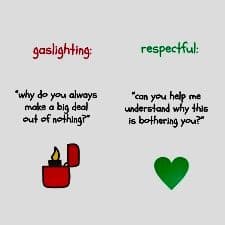
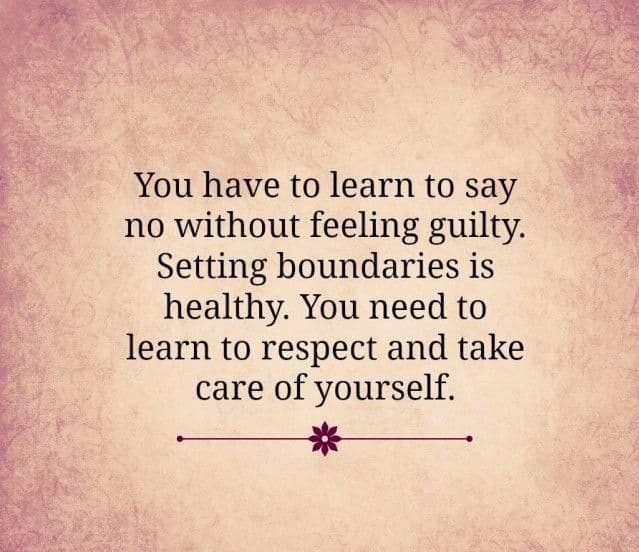
Saying no is easy in theory and awful in practice. Most people who overcommit don't do it because they can't think of the words — they do it because the guilt of saying no lands harder than the exhaustion of saying yes. This is about the actual skill, not the aphorism.

Why Discipline Beats Motivation on the Days You Don't Feel Like Doing It

Why Discipline Beats Motivation on the Days You Don't Feel Like Doing It

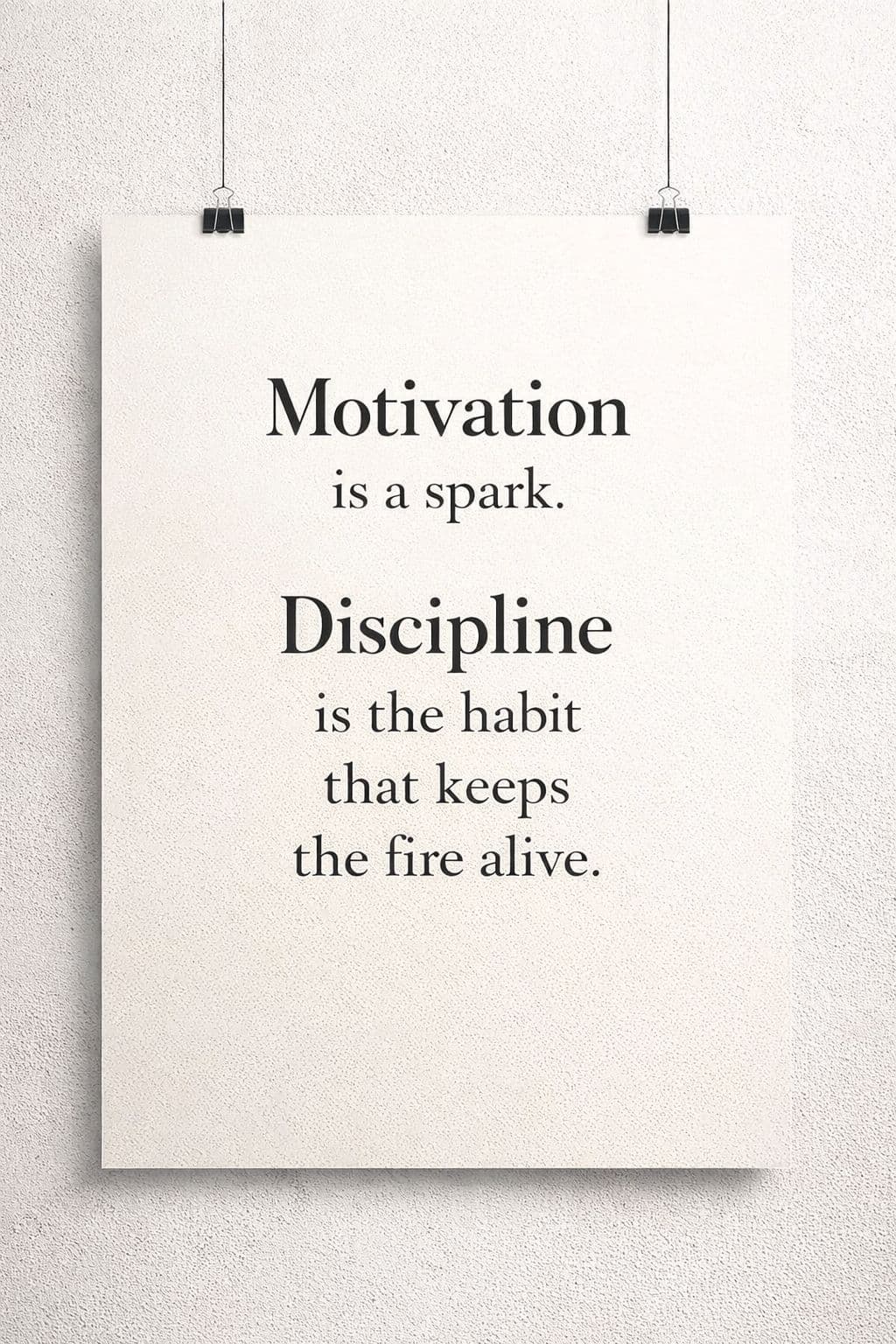
Motivation is what you feel on the good days. Discipline is what shows up on the medium and bad ones. Most of the meaningful things people build in a life get built on the medium and bad days. Here's why, and what to do when the motivation isn't there.

Self-Care Is Maintenance, Not a Reward You Have to Earn

Self-Care Is Maintenance, Not a Reward You Have to Earn

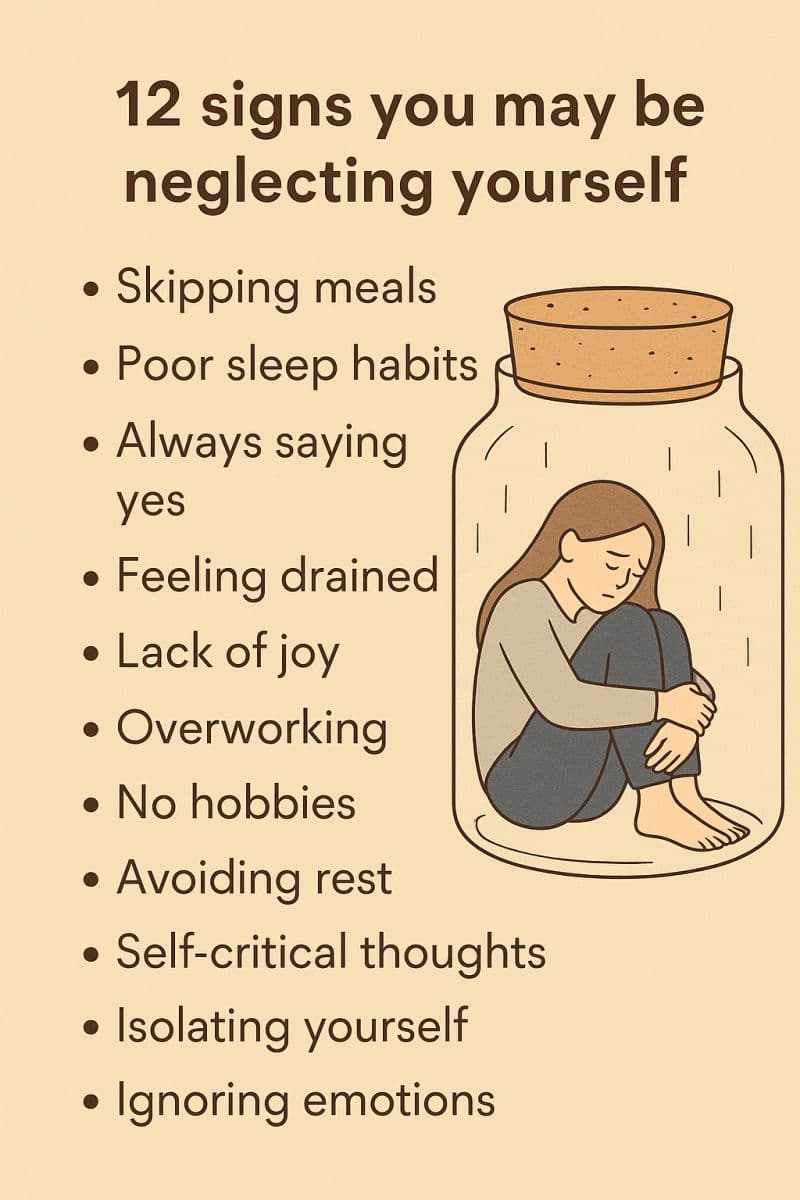
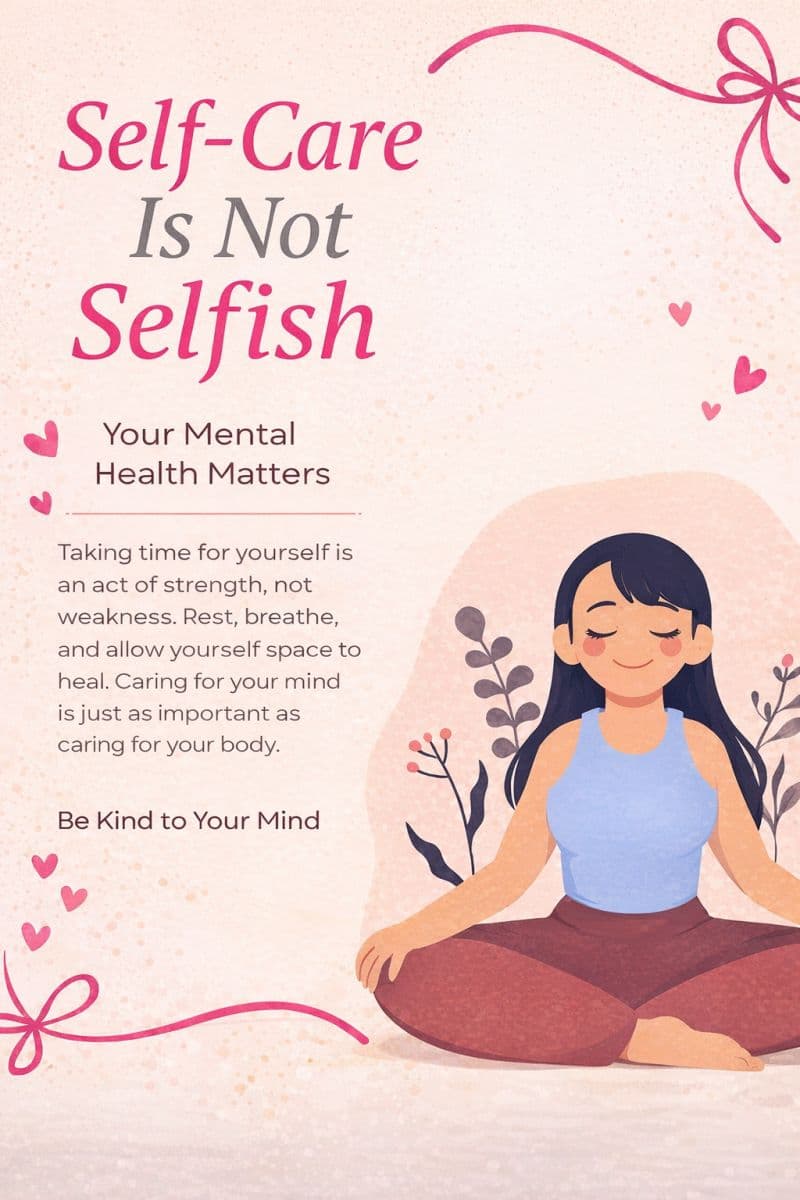
Most of us treat self-care the way we'd treat a spa day — a reward for surviving something hard. Actually it's more like brushing your teeth: the routine, unglamorous version prevents the emergencies that make people think self-care is dramatic in the first place.

How to Stop Taking Everything at Work Personally (Without Becoming a Robot)

How to Stop Taking Everything at Work Personally (Without Becoming a Robot)

Most of what feels personal at work isn't. It's other people's pressure, deadlines, and internal weather showing up in your inbox. Learning to tell the difference — without becoming callous — is one of the highest-leverage career habits there is.

Empathy Isn't a Soft Skill — It's the One That Makes Every Other Skill Actually Work

Empathy Isn't a Soft Skill — It's the One That Makes Every Other Skill Actually Work

We treat empathy like a personality trait — something you either have a lot of or you don't. Actually it's a skill, it's teachable, and it's what quietly holds the rest of what we call 'communication' and 'leadership' together. Here's why that matters and what to do about it.

Am I Stressed or Anxious? A One-Minute Way to Tell the Difference

Am I Stressed or Anxious? A One-Minute Way to Tell the Difference

People use 'stressed' and 'anxious' the same way in conversation, but they behave differently — and the thing that helps for one won't touch the other. Here's the short version of how to tell which one you're in.

Silent Burnout: When You're Falling Apart and Nobody Can Tell

Silent Burnout: When You're Falling Apart and Nobody Can Tell

Some kinds of burnout are loud — the collapse, the tears, the leave-of-absence. Others aren't. This one wears your regular face to work and still hits deadlines. Everybody thinks you're doing great. You are not doing great. Here's how to notice it in yourself before it takes you out at the knees.

Quick Anxiety Relief for the 'Something Feels Off' Days — Things That Actually Work

Quick Anxiety Relief for the 'Something Feels Off' Days — Things That Actually Work

Not every anxious moment needs a therapist. Some days you just wake up with a buzz in your chest, or something lands wrong at 3pm, and you need to bring the level down without dropping everything. Here's the short list of things that actually help in real time — and the honest note about when they're not enough.

Am I Just Anxious or Do I Have Anxiety? How to Tell the Difference

Am I Just Anxious or Do I Have Anxiety? How to Tell the Difference

There's a real difference between the anxious you feel before a hard meeting and the anxious that never quite leaves. The first one is doing its job. The second one is worth checking out. Here's what actually separates the two, and how to know when it's time to get a professional in the room.

Why a Really Good Laugh Feels Like Something Cracked Open — And What's Actually Happening

Why a Really Good Laugh Feels Like Something Cracked Open — And What's Actually Happening

You know the specific kind of laugh — the one that leaves your ribs sore and your shoulders in a different place than they were ten minutes ago. It isn't magic and it isn't a substitute for therapy. But research on what laughter does to the body is more real, and more useful, than most of the internet gives it credit for.

Why Can't I Forget What He Said to Me? The Science of Painful Memory

Why Can't I Forget What He Said to Me? The Science of Painful Memory

This piece looks at why painful memories stick more vividly than good ones, what the research actually supports about memory and emotion, and gentle approaches to healing that don't require erasing what happened.

Why Do I Have Zero Motivation Lately? Daily Habits That Actually Help

Why Do I Have Zero Motivation Lately? Daily Habits That Actually Help

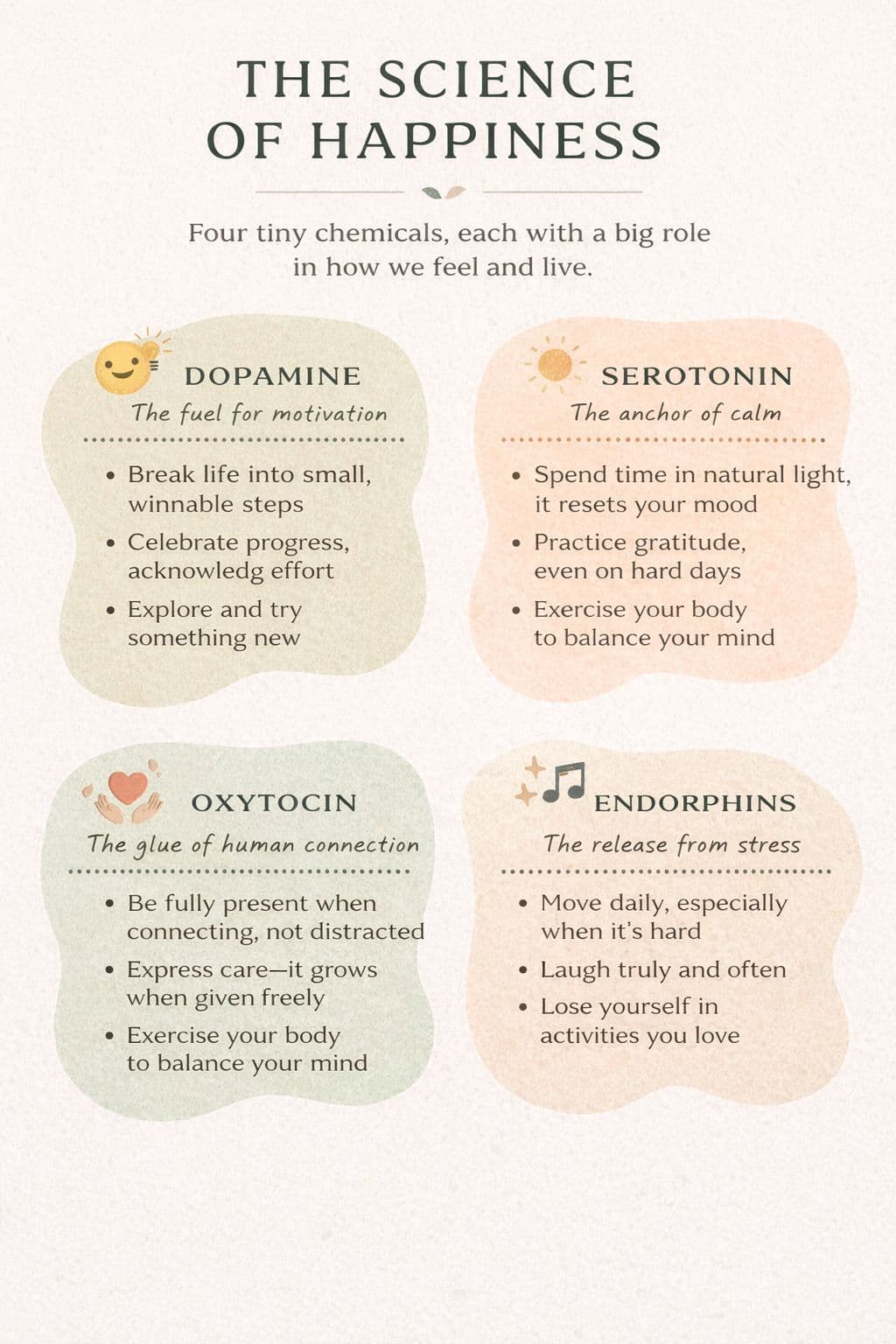
This piece looks at daily habits that reliably support motivation, focus, and mood — with an honest read on what the research does and doesn't say about dopamine, and less of the pop-neuroscience 'boost your levels' framing that oversimplifies how the system actually works.

Sometimes reading isn't what you need. Sometimes it's talking.

Book a 15-minute session with a trained LissnUp listener — anonymous, confidential, judgment-free. Text or voice. No intake forms, no advice, no record kept. Just space to be heard.