The classic picture of depression — someone crying, someone visibly withdrawn — is real but incomplete. A lot of depression looks like a functional person who quietly stopped enjoying things a few months ago. Here's what the less-obvious version tends to look like, in yourself and the people around you.
Important First — This Article Isn't a Diagnosis
Depression Doesn't Always Look Like Sadness
The Signs Worth Knowing
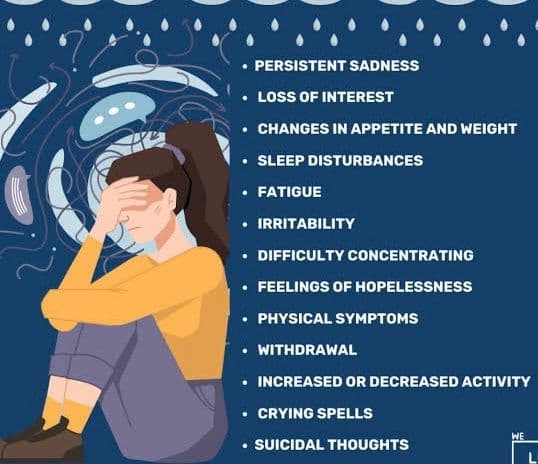
- Persistent low mood, or a specific kind of numbness where feelings — good and bad — feel muted.
- Loss of interest or pleasure in things you used to enjoy. This is called anhedonia and it's one of the most reliable markers.
- Sleep disruption — either can't-get-enough or way-too-much.
- Appetite change, in either direction, that isn't situational.
- Persistent fatigue that isn't fixed by rest.
- Difficulty concentrating, making decisions, or remembering things.
- Persistent feelings of worthlessness or excessive guilt.
- Withdrawal from people, hobbies, or responsibilities.
- Thoughts of death or self-harm — this one is not on a scale with the others. If this is present, please skip to the last section of this piece now.
It's Not Weakness. It's a Condition.
How to Support Someone Who Might Be Depressed
- Ask directly, without alarm. 'How are you doing, honestly?' is often enough. The 'honestly' matters.
- Listen without trying to fix it. You're not the treatment. You're a person who noticed and cared enough to ask.
- Don't offer 'cheer up' or 'others have it worse' or 'have you tried yoga.' These land as dismissive even when kindly meant.
- Stay in low-key contact over weeks, not just once. Depression thrives on isolation; your ongoing presence is more valuable than any single dramatic conversation.
- If you're worried about their safety, ask directly. Research consistently shows that asking about suicide does not increase risk — it decreases it, by breaking the isolation.
When to Get a Professional Involved
Sources & Further Reading
What are the hidden or less-obvious signs of depression?
Persistent flatness rather than sadness. Loss of interest in things you used to enjoy (anhedonia). Sleep changes in either direction. Fatigue that rest doesn't fix. Difficulty concentrating. Withdrawal from people. Persistent worthlessness or guilt. Any of these can happen in a hard week; several of them together for two weeks or more is the pattern worth taking to a professional.
Can someone be depressed without feeling sad?
Yes, and this is common. Many people experience depression as numbness, irritability, exhaustion, or a general loss of meaning rather than sadness in the classic sense. It's sometimes called 'smiling depression' or 'high-functioning depression' when the person keeps performing outwardly. The condition is real regardless of whether the outward signs are visible.
How do I support someone I think might be depressed?
Ask directly and non-dramatically. Listen without trying to fix. Stay in low-key contact over weeks — depression thrives on isolation, and your continued presence matters more than any one big conversation. Avoid dismissive phrases. If you're worried about their safety, ask about suicide directly — research consistently shows asking does not increase risk.
When should I seek professional help for depression?
If a cluster of depression symptoms has persisted most of the day nearly every day for two weeks or more, that's the standard clinical threshold. You don't need to wait until it's severe. Earlier evaluation tends to lead to better outcomes. If you're having thoughts of suicide or self-harm, call or text 988 in the U.S. now — that's not something to wait on.