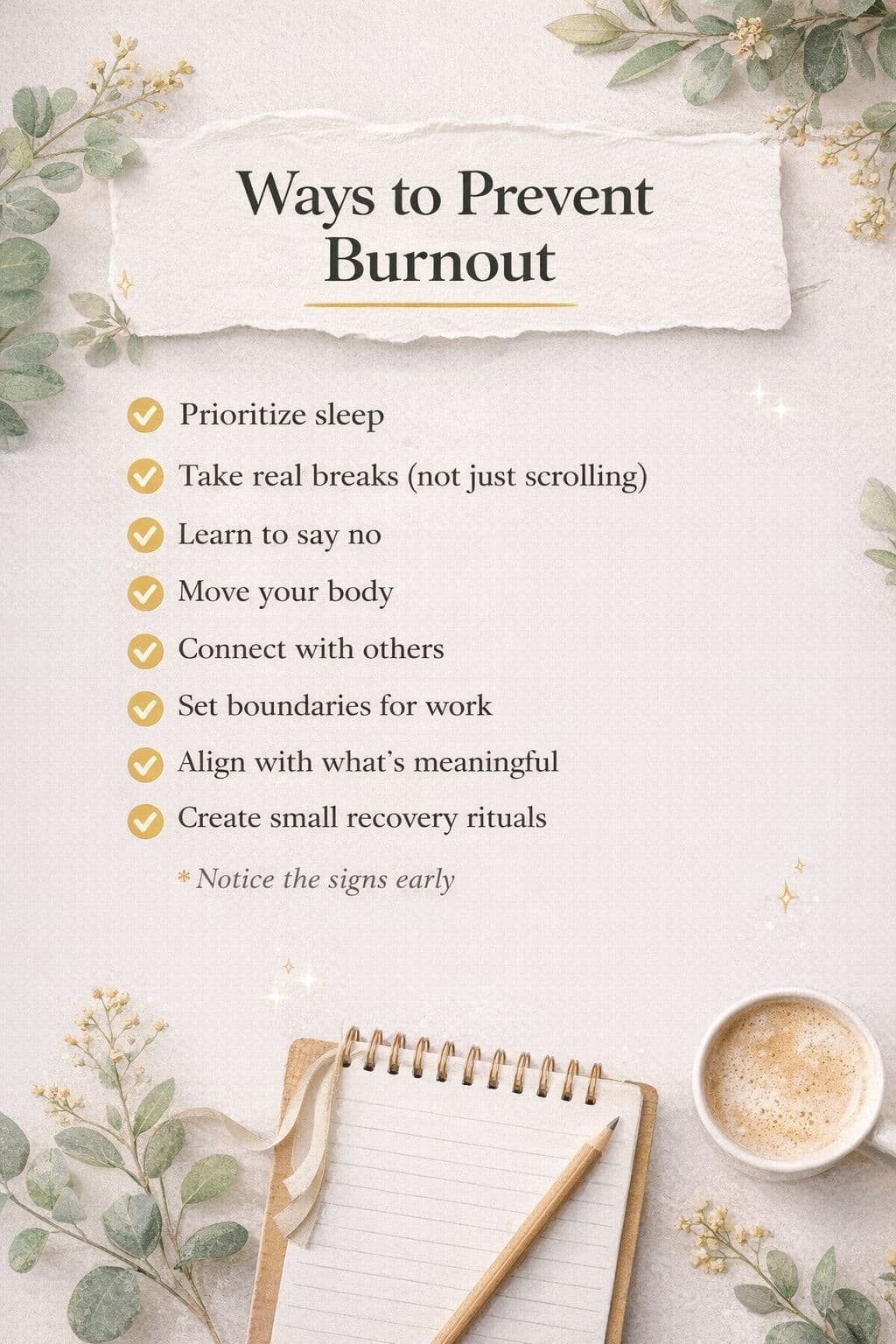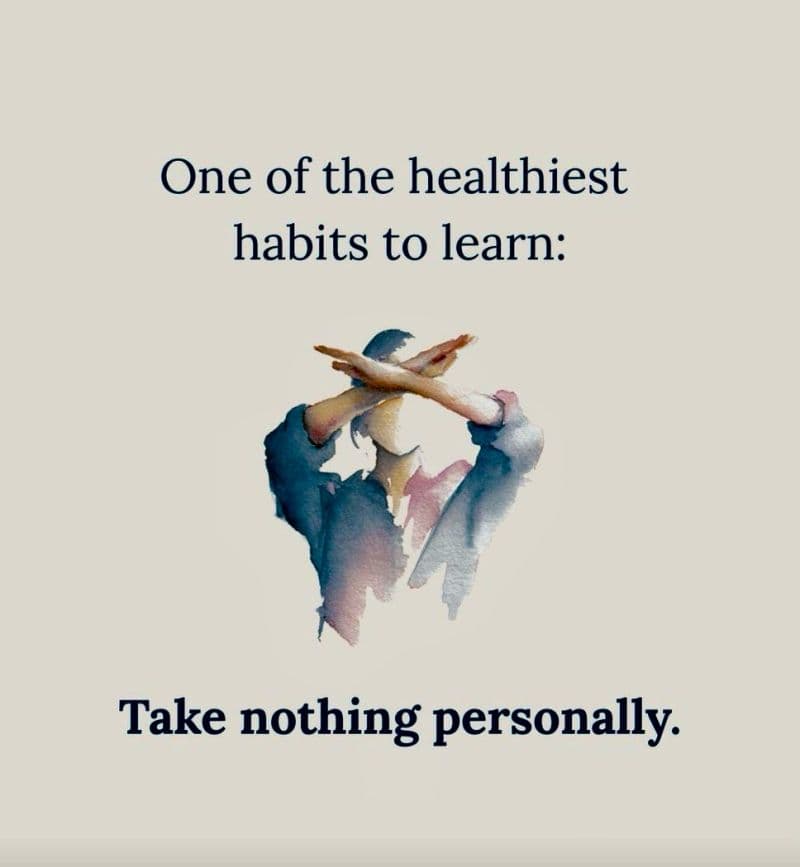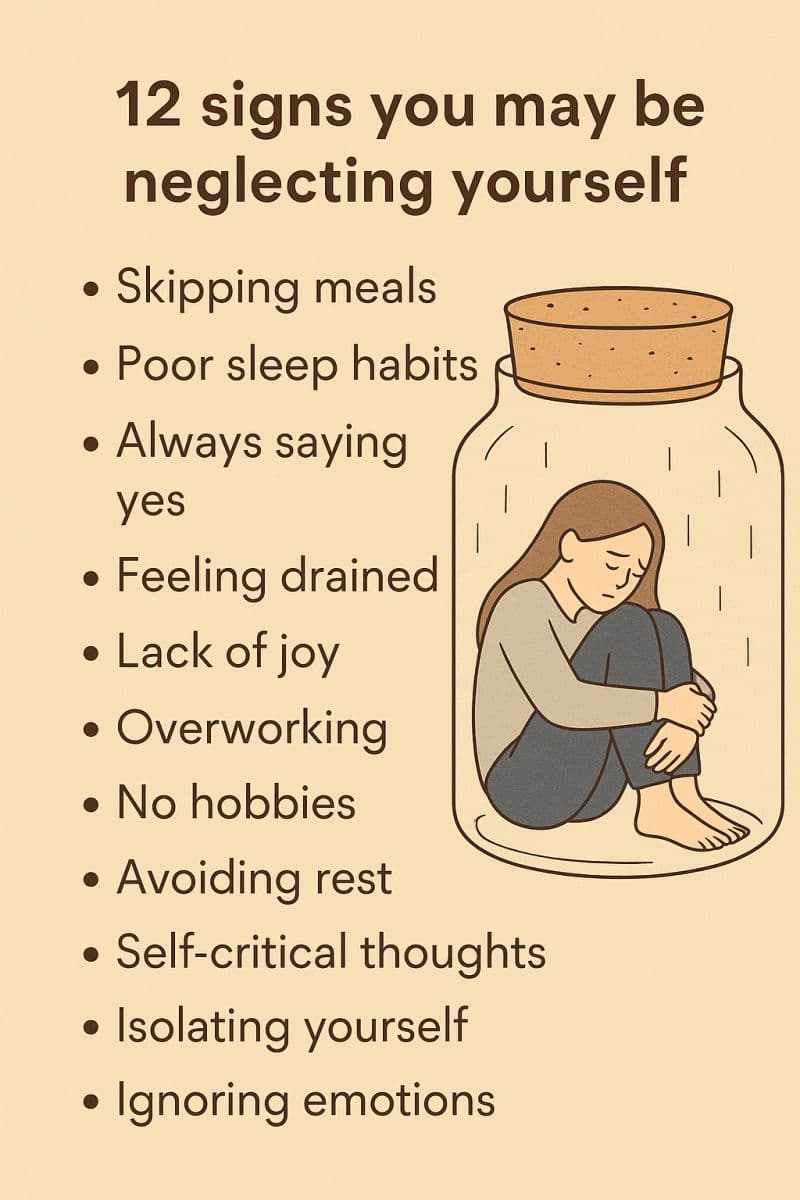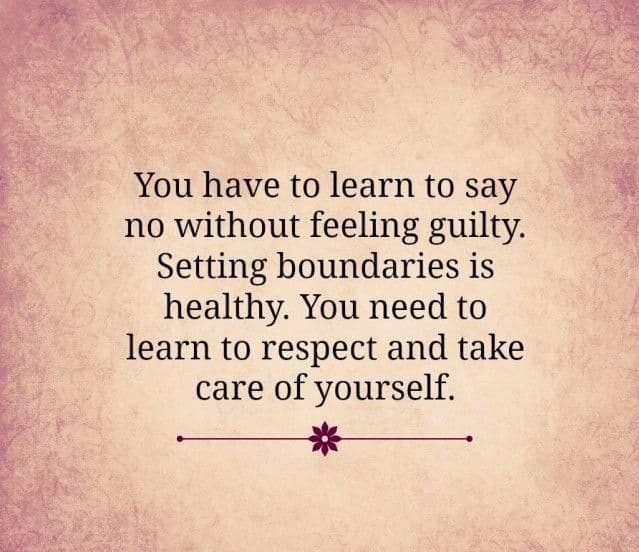
Saying no is not resistance—it's responsibility. It protects your capacity, clarifies your priorities, and builds emotional maturity. You don't rise by being everywhere. You rise by being fully present where you're meant to be.
The Pressure to Always Say Yes
No Protects Your Capacity
No Clarifies Your Priorities
No Builds Emotional Maturity
No Improves Your Relationships
A Thought to Sit With
Sources & Further Reading
Why is it so hard to say no?
Many of us are conditioned to equate saying yes with being helpful, likeable, or professional. We fear rejection, conflict, or being seen as difficult. But saying no is a sign of self-awareness and emotional maturity—not selfishness.
How can I say no without damaging relationships?
Be honest, respectful, and clear. You don't need to over-explain. A simple 'I appreciate the opportunity, but I can't commit to this right now' is enough. People respect boundaries more than they respect burnout.
Is saying no a sign of weakness?
Not at all. Saying no requires more courage than saying yes. It shows that you understand your limits, value your commitments, and are willing to prioritise quality over quantity. That's strength, not weakness.
How does saying no prevent burnout?
Every yes is a commitment of your time and energy. When you say yes to everything, you spread yourself thin, leading to exhaustion, resentment, and diminished performance. Saying no protects your capacity so you can show up fully where it matters most.