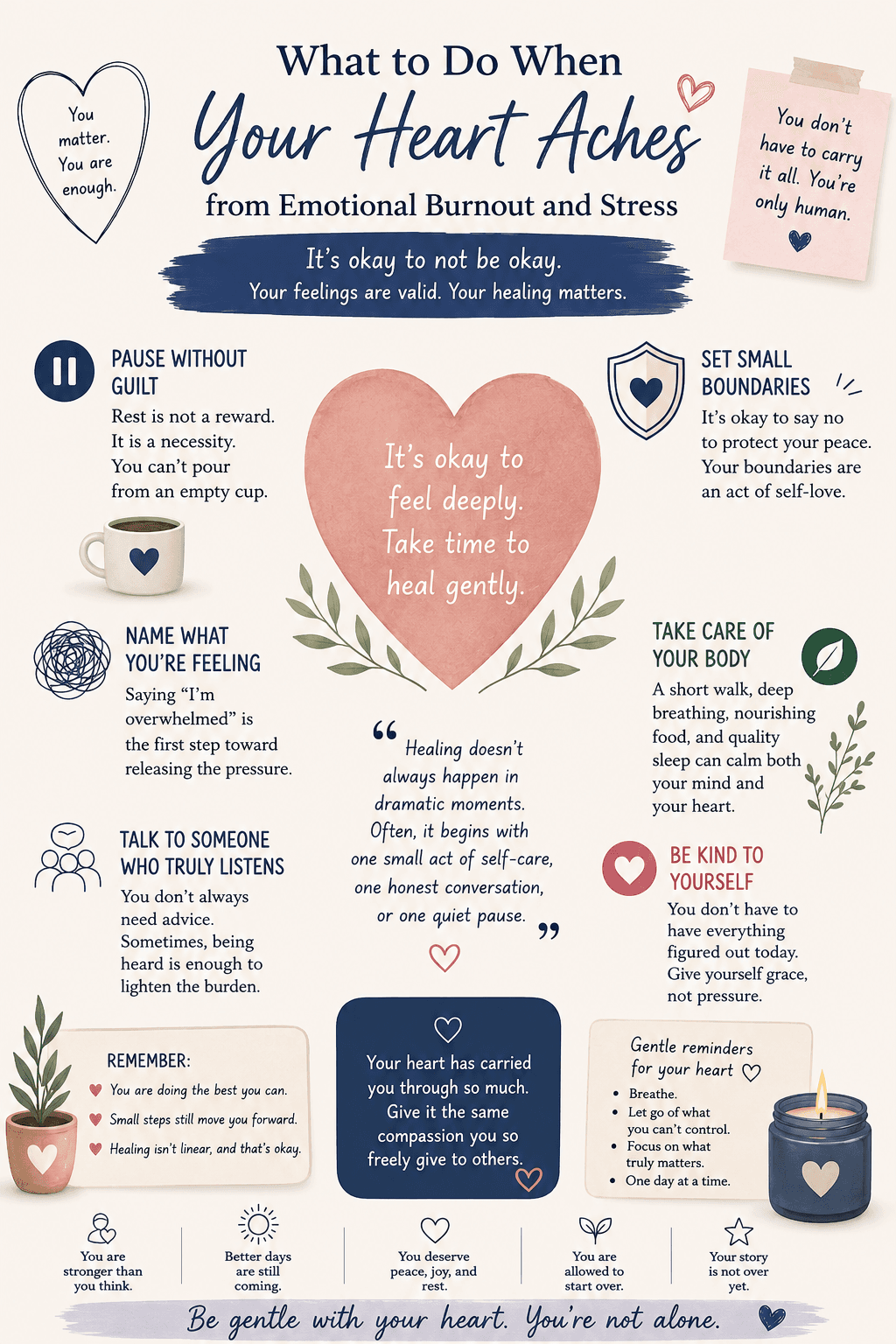
Most of us treat self-care the way we'd treat a spa day — a reward for surviving something hard. Actually it's more like brushing your teeth: the routine, unglamorous version prevents the emergencies that make people think self-care is dramatic in the first place.
The Frame That Makes Self-Care Work
Why Waiting to Earn Rest Is the Pattern That Breaks People
What Actually Counts as Self-Care
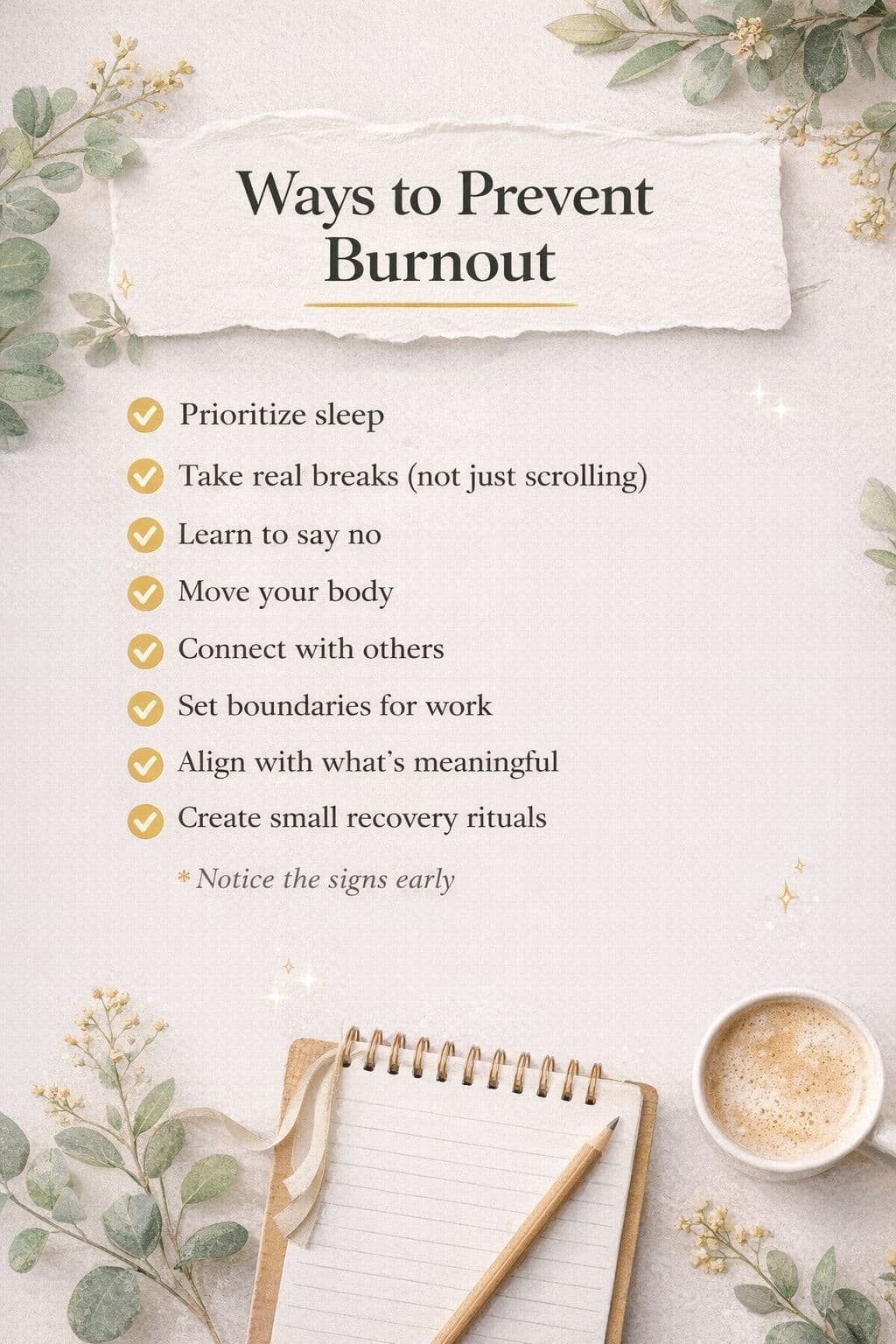
- Sleep. Not 'catching up on the weekend.' Consistently enough during the week that your body isn't running a deficit.
- Movement. Not a gym program. Enough that your body remembers it's not just a head.
- Real food, roughly on schedule. Skipping meals produces a physiological state that feels a lot like anxiety.
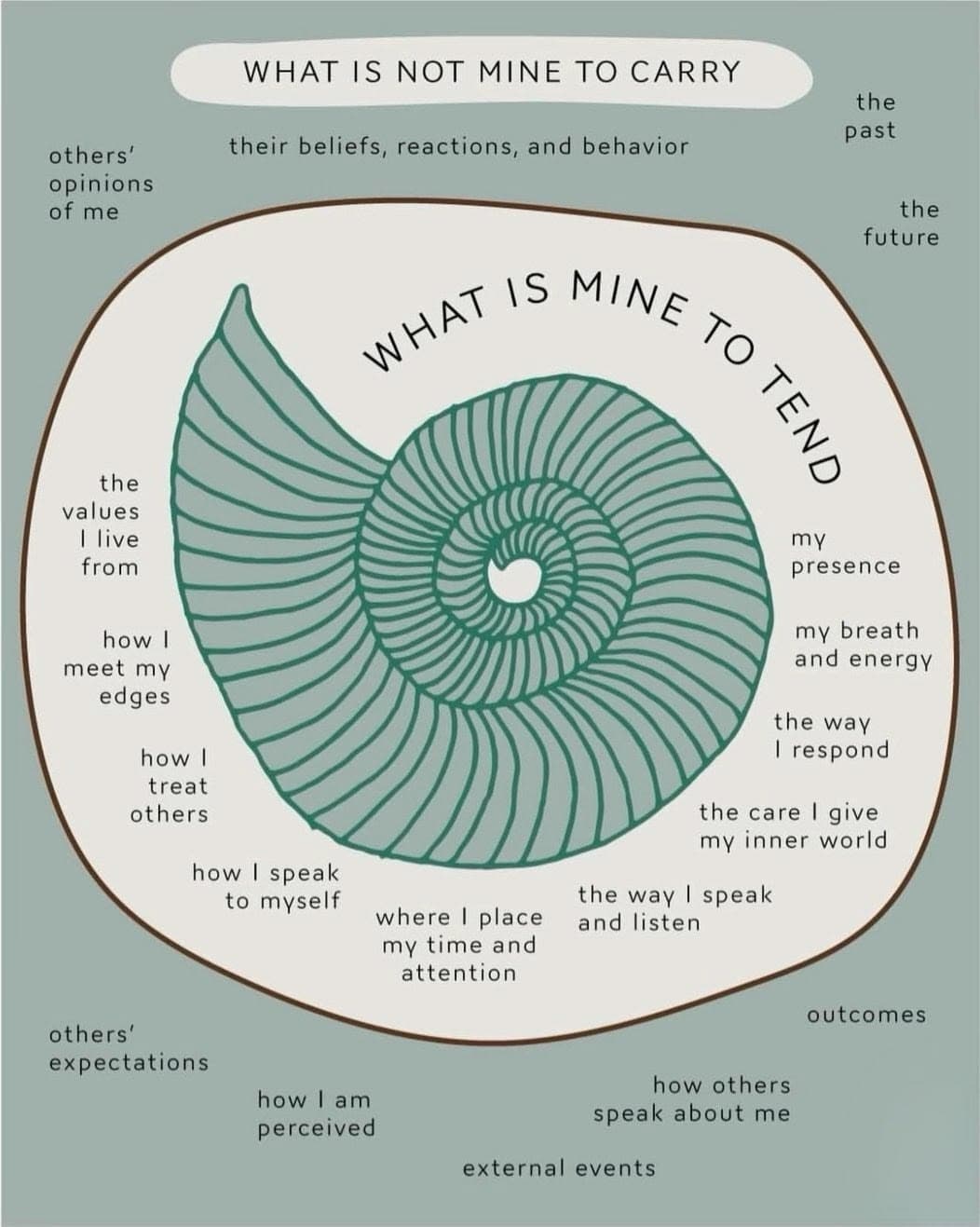
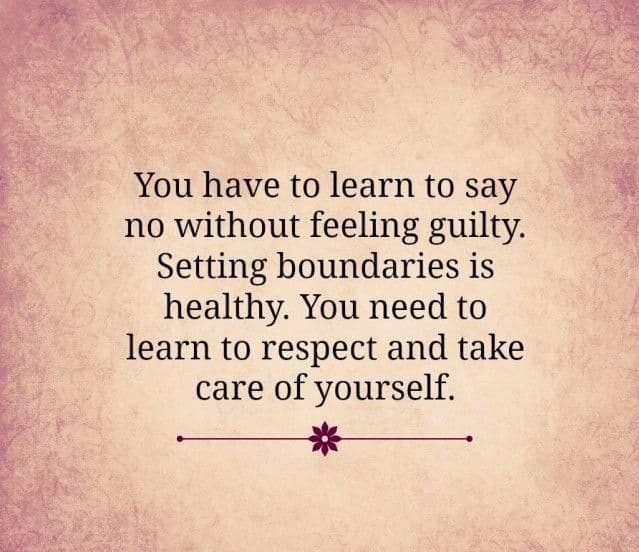
- Saying no to at least one thing this week you would normally have said yes to. One thing.
- Time in something other than the roles you play. Being a friend, a person, a body that walked around outside, before being an employee/parent/caretaker again.
- Being honestly heard by another person, sometimes. The version where you don't perform being okay.
The Guilt Part
Where LissnUp Fits
Sources & Further Reading
Why is it so hard to actually do self-care even when I know I should?
Usually because the framing is off. If you're thinking of self-care as a reward you have to earn, you'll rarely feel you've earned it. If you think of it as maintenance — as routine, as necessary, as boring — the resistance drops considerably. It's much easier to brush your teeth without a story about deserving it.
What are simple daily self-care practices that actually work?
Consistent sleep, some movement, real food roughly on schedule, one 'no' this week, and at least a little time in something other than your usual roles. Being honestly heard by another person, sometimes. These are unglamorous, they compound, and they beat most elaborate one-off interventions.
Is self-care the same as being selfish?
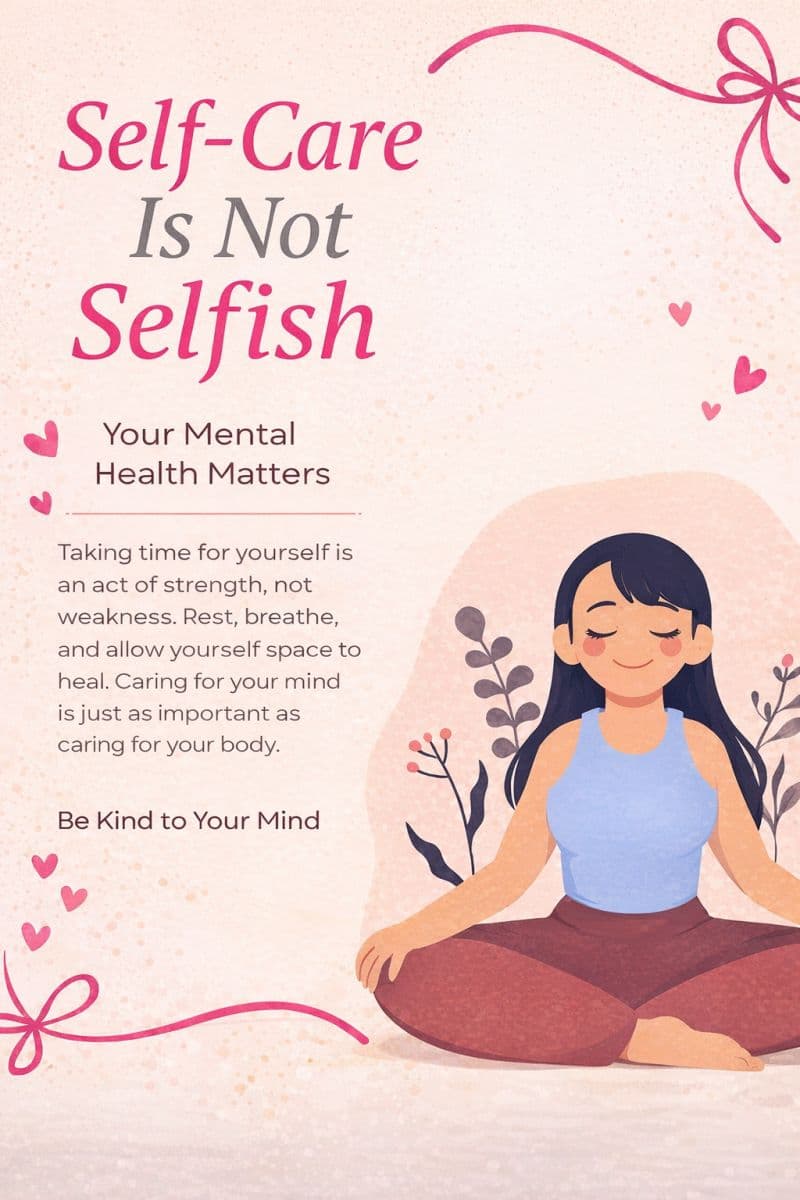
No. Selfishness ignores others; self-care preserves the capacity you need to actually be present for the people and work you care about. Skipping the maintenance in the name of not being selfish is how people arrive at the state where they can't be there for anyone, themselves included.
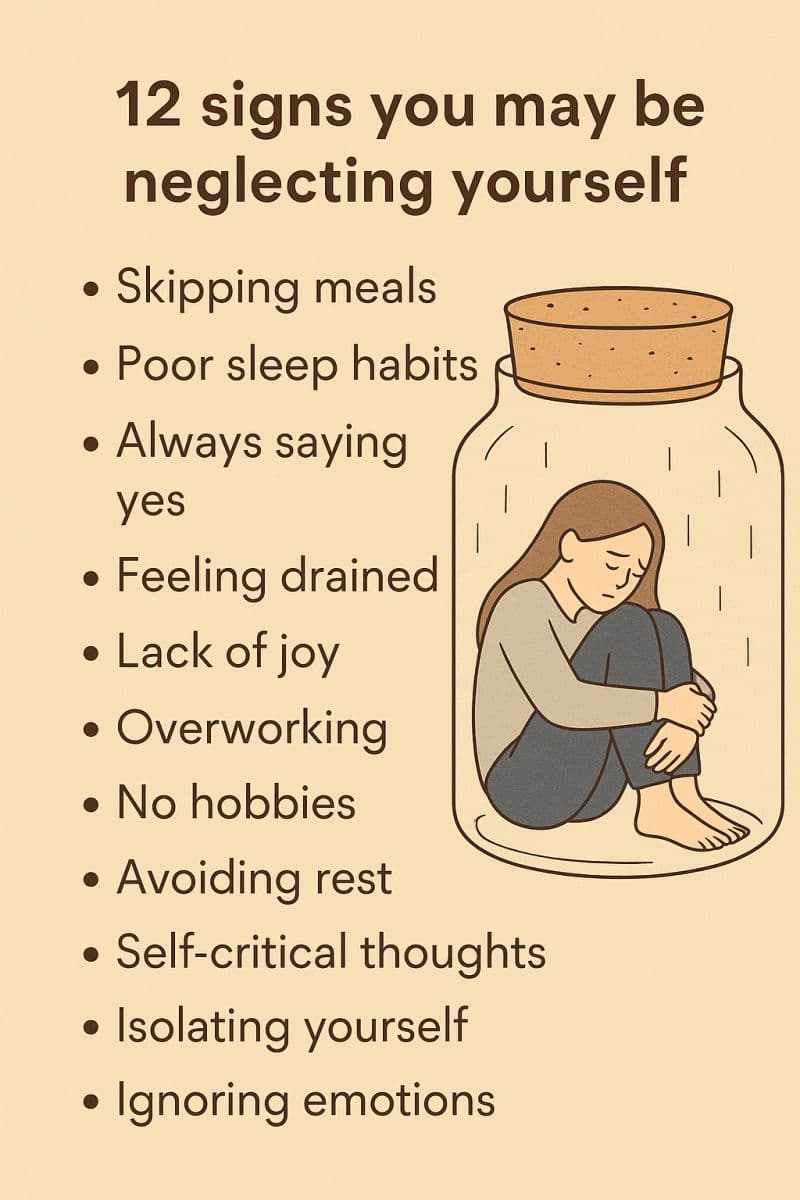
What are the signs I need to prioritize self-care more?
Constant fatigue that sleep doesn't fix, irritability disproportionate to what's actually happening, emotional flatness where there used to be interest, sleep problems despite exhaustion, and withdrawal from things that used to feel good. If several of those describe your last month, treat that as data — the maintenance debt has been building.