Curated by the LissnUp Editorial Team

Insights for Emotional Wellness

Overview

The LissnUp blog is what we've learned from doing anonymous peer-support listening — translated into reading you can do at 2am when a session isn't what you need. Articles cover emotional expression, the craft of listening, mental wellness, relationships, cultural pressure, social media's effect on inner life, and the research behind all of it. Drawn from peer-reviewed sources, written in the same judgment-free voice our trained listeners use on calls, curated by the LissnUp Editorial Team. Nothing here is medical treatment, diagnosis, or advice. It's a library of what tends to help people feel heard, alongside the option — whenever you want it — to actually be heard by a real person.
Latest Articles

Showing 37-48 of 75 articles
Why Do I Feel Like a Fraud at Work? Understanding Imposter Syndrome

Why Do I Feel Like a Fraud at Work? Understanding Imposter Syndrome

This piece looks at what imposter syndrome actually is (and what it isn't), why the people most likely to feel it are often the ones least likely to be missing anything, and the practical shifts that quiet the voice without pretending it will disappear.

Does Working Too Much Actually Damage Your Brain? What the Research Shows

Does Working Too Much Actually Damage Your Brain? What the Research Shows

This piece looks at what the research does and doesn't support about the brain effects of chronic overwork — the parts that are genuinely well-documented, the parts that get overstated in popular writing, and what the honest picture means for how to protect yourself.

Why AI Understands You Better Than Your Friends Do — And Why That's a Problem

Why AI Understands You Better Than Your Friends Do — And Why That's a Problem

This piece looks at what happens when the emotional support we're used to comes from AI — instant, patient, endlessly available — and how that quiet reset of our expectations is reshaping what we ask of the humans in our lives, often without noticing.

How Chronic Stress Actually Affects Your Hormones — And What Helps

How Chronic Stress Actually Affects Your Hormones — And What Helps

This piece looks at what sustained stress actually does to the hormone systems in your body — cortisol, insulin, thyroid, sex hormones, oxytocin — and the lifestyle changes that support recovery. Educational, not medical advice: persistent symptoms belong in a clinician's office, not an article.

Why Your Brain Needs a Digital Detox: What Constant Screens Actually Do

Why Your Brain Needs a Digital Detox: What Constant Screens Actually Do

This piece looks at what constant screen use actually does to attention, focus, and sleep — what the research supports and what it doesn't — and the practical strategies for reclaiming some of the mental space the always-on default has been costing.

Why Romanticizing Mental Illness Online Is Harmful — Even When It Feels Like Connection

Why Romanticizing Mental Illness Online Is Harmful — Even When It Feels Like Connection

This piece looks at the pattern where depression, anxiety, and trauma get styled as identity or aesthetic on social platforms — why that pattern is different from awareness-raising, why clinicians worry about its effect on help-seeking, and how to tell useful mental-health content from the harmful version.

Why Does Instagram Make Me Feel Bad About Myself? The Psychology of the Scroll

Why Does Instagram Make Me Feel Bad About Myself? The Psychology of the Scroll

This piece looks at what social platforms actually do to attention and self-esteem — the design choices, the comparison patterns, what the research does and doesn't support — and the strategies that make scrolling less costly without demanding you delete every app.

Can Old Trauma Cause Chronic Illness Years Later? What the Research Shows

Can Old Trauma Cause Chronic Illness Years Later? What the Research Shows

This piece looks at what a long line of research — the CDC-Kaiser Adverse Childhood Experiences work and its follow-ups — has documented about how trauma continues to affect the body decades after the events themselves ended, and what the honest picture of healing looks like.

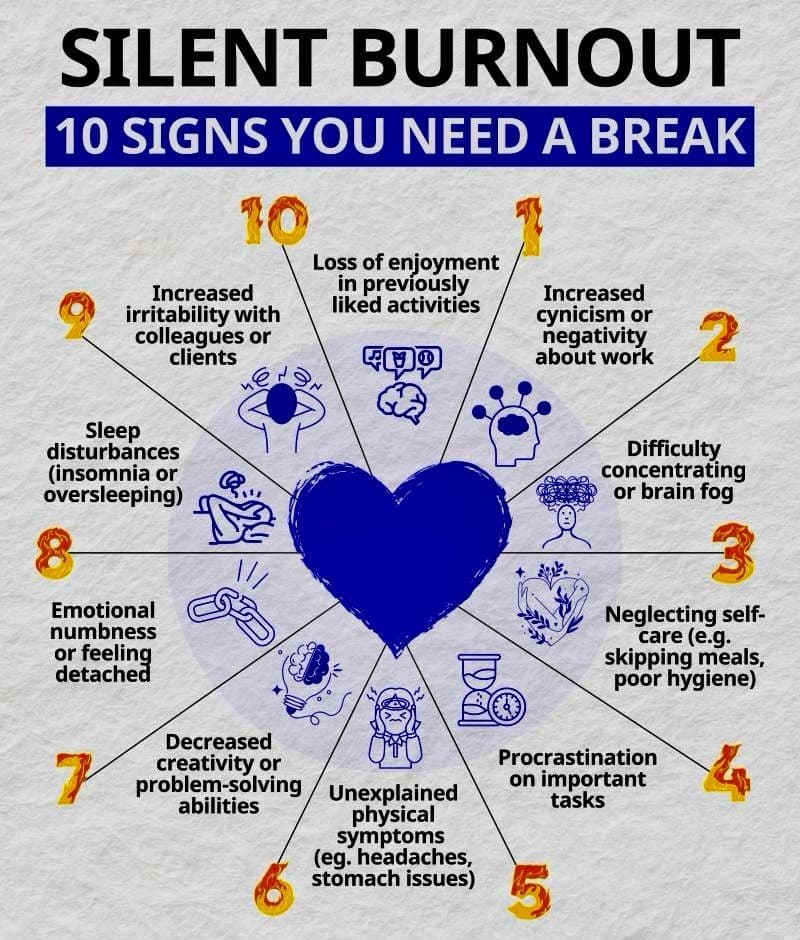
Am I Burned Out or Just Tired? Signs, Symptoms, and What Helps

Am I Burned Out or Just Tired? Signs, Symptoms, and What Helps

This piece looks at the difference between everyday tired and actual burnout, the quieter signs that show up before the collapse, and what recovery realistically looks like — the version where rest alone doesn't cut it and the pace has to change.

How to Stop Overthinking When Your Mind Won't Shut Off

How to Stop Overthinking When Your Mind Won't Shut Off

This piece looks at what overthinking actually is, why the brain keeps circling the same thoughts long past the point of usefulness, and the practical techniques that quiet the loop when it flares — grounded in what mindfulness and cognitive research say, without the pop-neuroscience shortcuts.

How to Say No to Friends Without Losing Them: Adult Peer Pressure

How to Say No to Friends Without Losing Them: Adult Peer Pressure

This piece looks at peer pressure past high school — the work happy hour where you're driving, the friend group that keeps planning trips you can't afford, the pattern of saying yes to things that don't fit. What it actually is, why it stays hard, and what actually helps.

What's My Attachment Style? Why You Act the Way You Do in Relationships

What's My Attachment Style? Why You Act the Way You Do in Relationships

This piece looks at what attachment theory actually says about the patterns you notice in your own relationships — the pulling away, the reassurance-seeking, the fear of getting close. Four styles, where they come from, and what the research says about whether they can shift.

Sometimes reading isn't what you need. Sometimes it's talking.

Book a 15-minute session with a trained LissnUp listener — anonymous, confidential, judgment-free. Text or voice. No intake forms, no advice, no record kept. Just space to be heard.