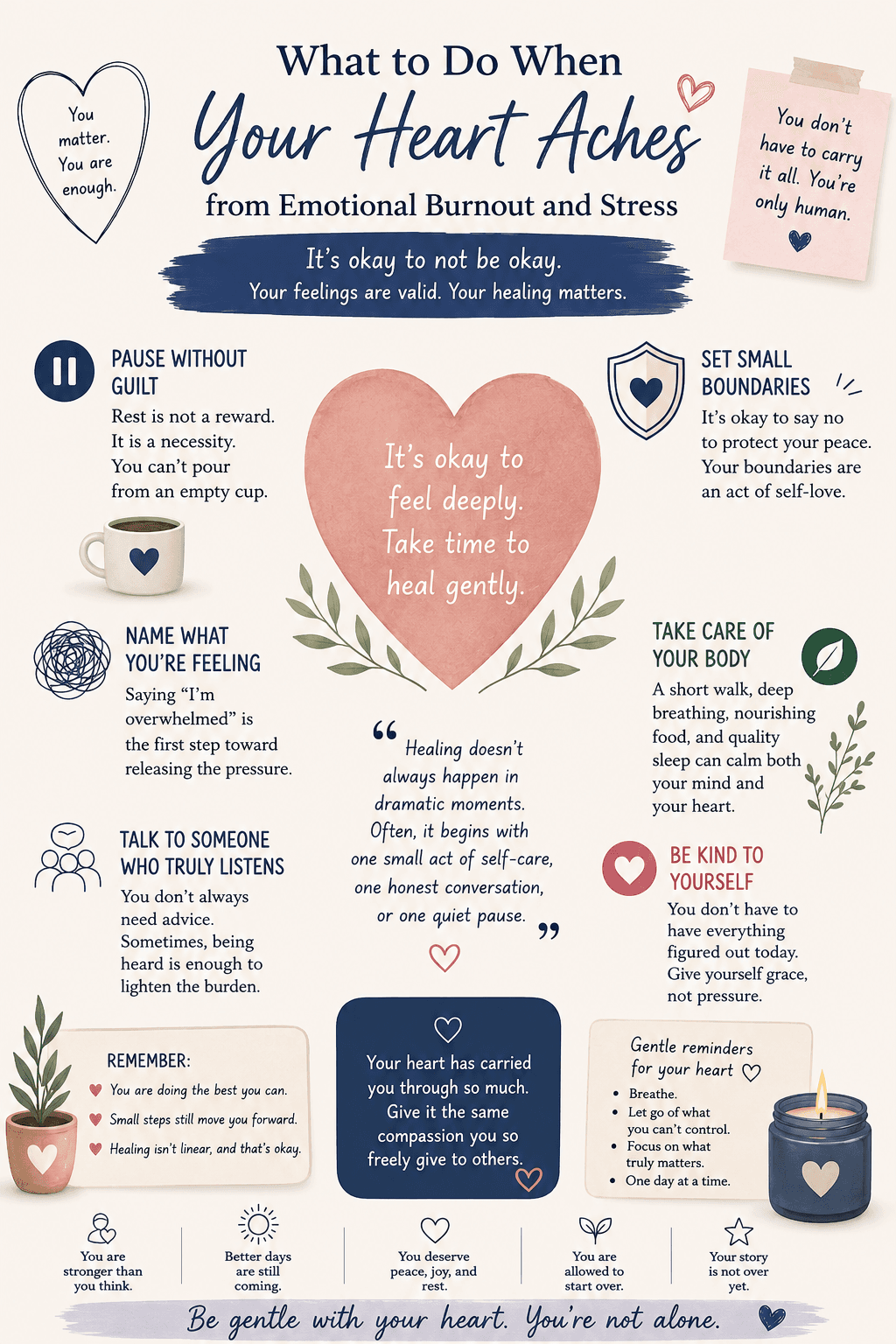
Sometimes the ache in your chest isn't about one specific thing — it's the accumulated weight of carrying too much for too long without enough support. This post looks at what emotional burnout actually feels like, why rest isn't optional, and what tends to help when being strong has stopped working.
When the Ache Isn't About One Thing
What Emotional Burnout Actually Feels Like
What Actually Helps (Not Just Sounds Good)
Burnout Is Not a Character Flaw
How do I know if what I'm feeling is emotional burnout or just regular stress?
Stress usually has a source you can point to — a deadline, a conflict, a packed week. Emotional burnout tends to be more diffuse: you feel empty rather than pressured, numb rather than wound up, and rest doesn't seem to help the way it once did. If you've been running on fumes for weeks or months while telling everyone you're fine, that's usually burnout territory rather than ordinary stress.
Why does my heart physically ache when I'm emotionally exhausted?
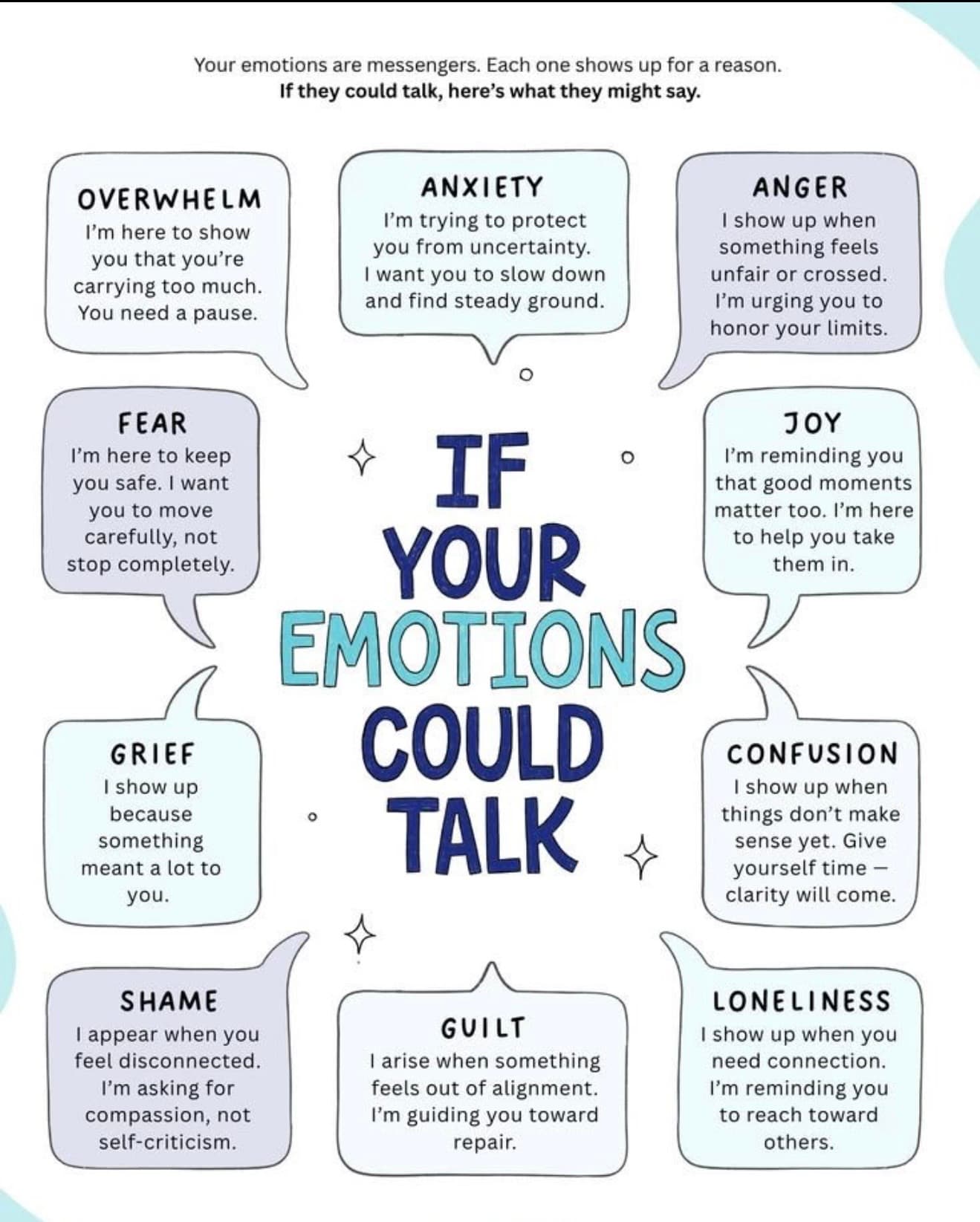
Emotional pain and physical pain share overlapping pathways in the brain — it's not just a metaphor. Chronic stress keeps the body in a low-grade alert state, and that tension often shows up as chest tightness, a heavy feeling, or a literal ache. It's your body signaling that something needs attention, not weakness.
Is it selfish to rest when other people still need me?
No — and the framing itself is part of the problem. You can't keep giving from an empty reserve. Rest isn't a withdrawal from the people who need you; it's what makes sustained care possible. Treating rest as optional is usually what leads to the full collapse that helps nobody.
How do I set boundaries when I'm not used to saying no?
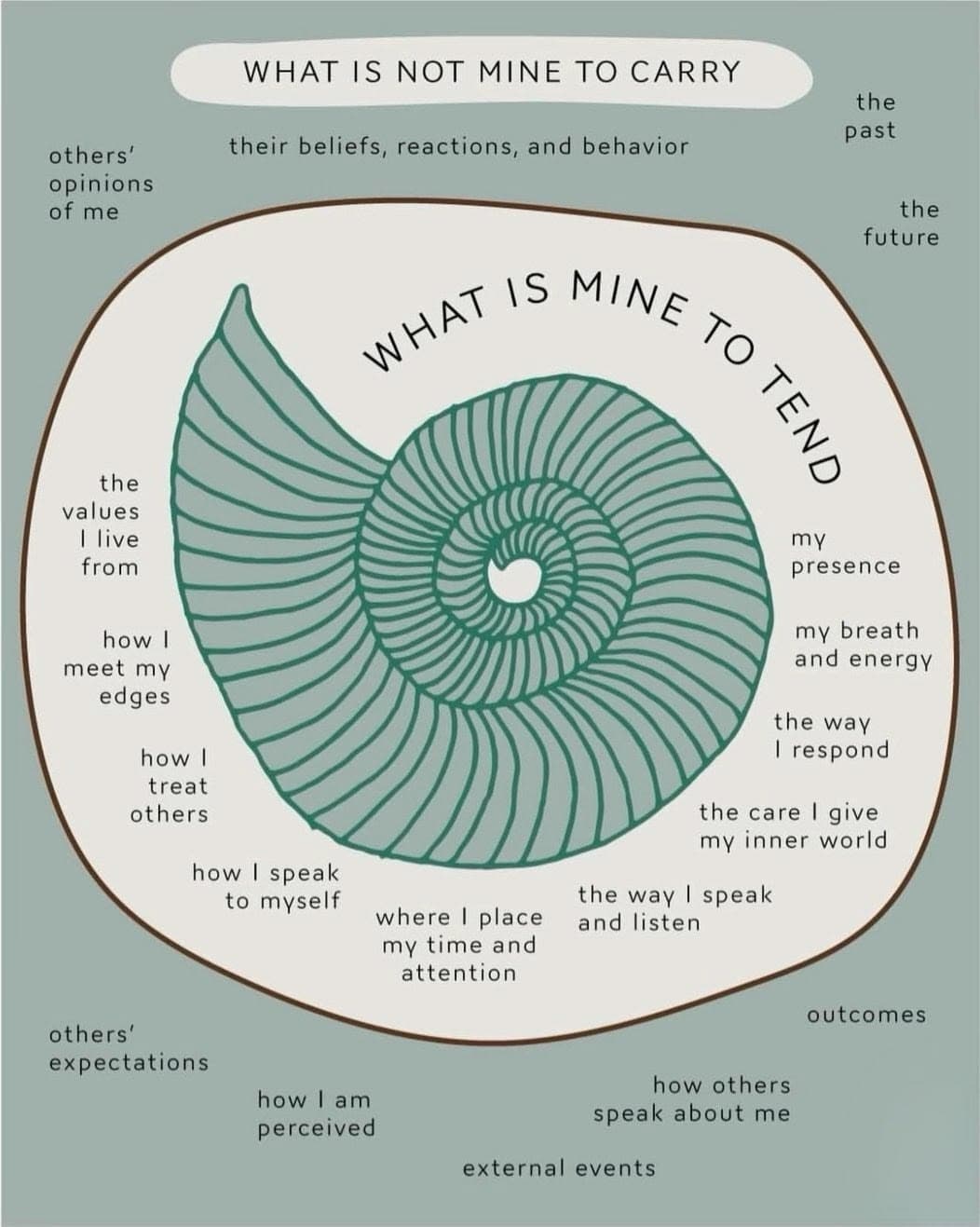
Start smaller than you think you need to. You don't have to overhaul every relationship at once. Pick the one request this week that costs you the most and practice declining just that one. Boundaries aren't walls — they're decisions about what you can genuinely offer without running yourself into the ground.
When should emotional burnout prompt me to see a therapist?
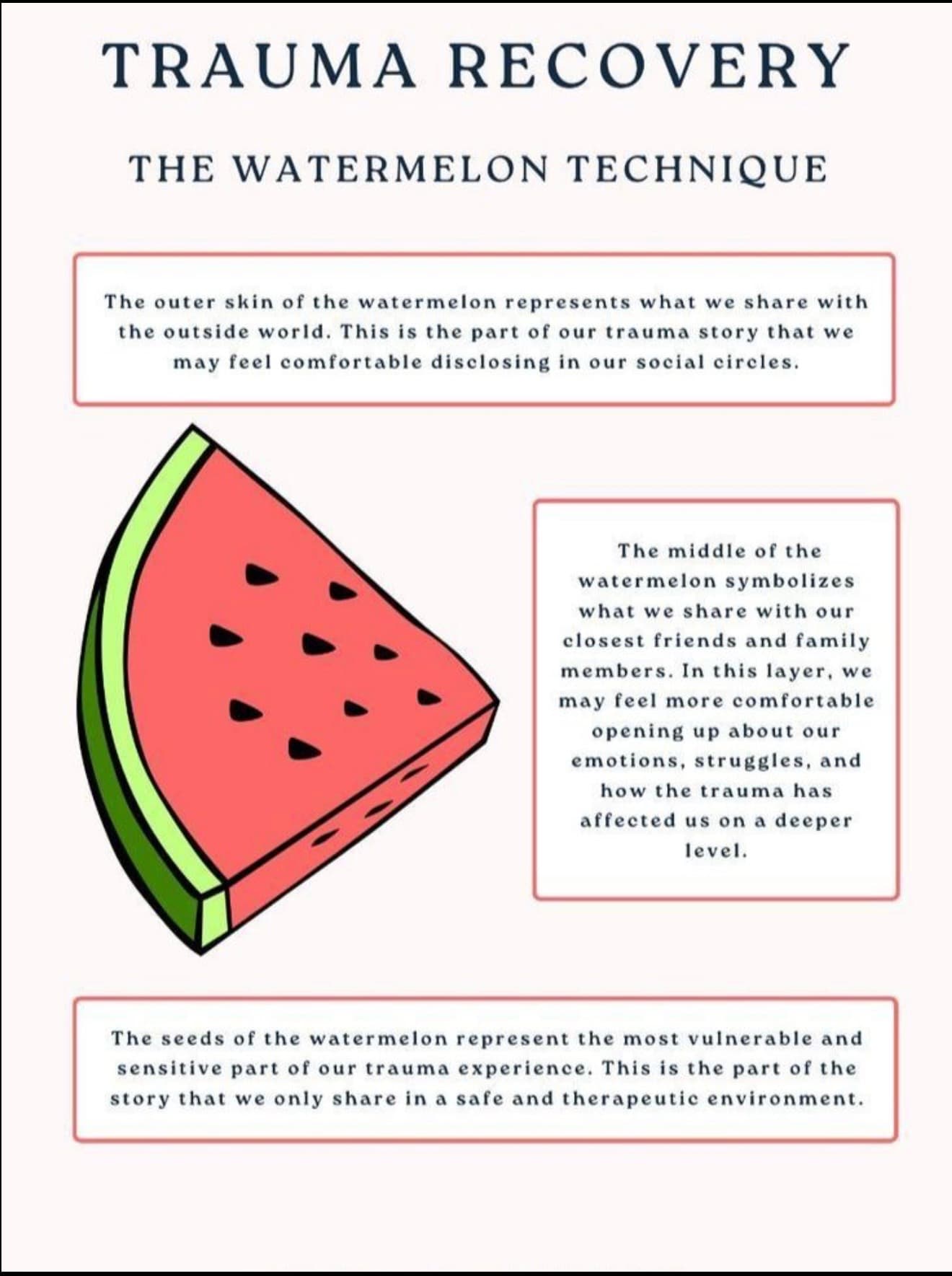
If the emptiness, exhaustion, or numbness has been going on for more than a few weeks, is affecting your work or relationships, or is accompanied by persistent low mood or hopelessness, talking to a licensed therapist is a sensible next step. A trained listener can help you process what you're carrying in the short term, but clinical support is the right call when symptoms are persistent or severe.