
Empathy
Understanding and sharing another person's emotional experience — the foundation of connection.
13 articles tagged “Empathy”
Empathy Articles
13 articles
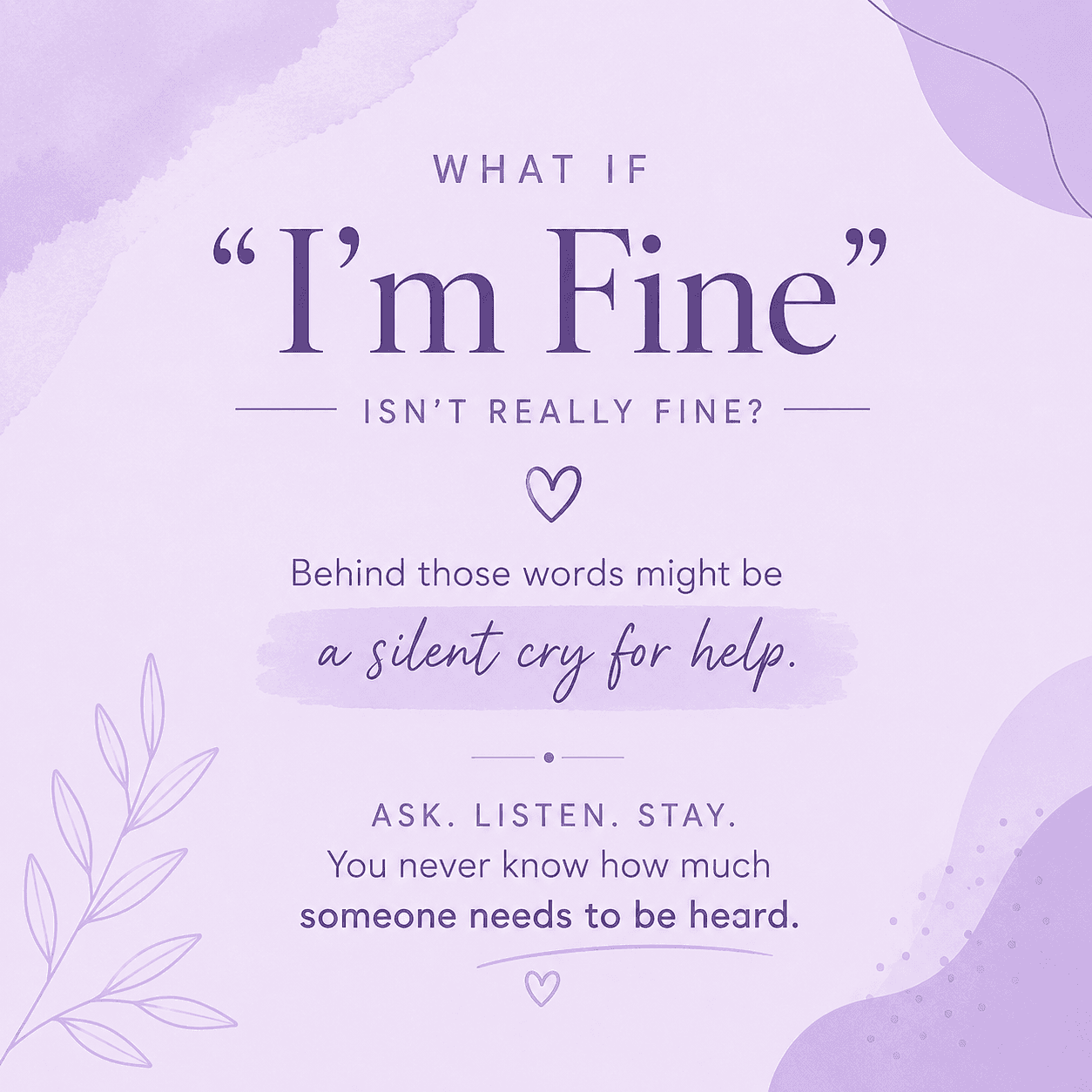
What if “I am fine “ isn’t really fine ?
Sometimes "I'm fine" is the truest thing a person can manage to say — and also the least honest. This piece looks at what those two words are often covering, and what it actually takes to give someone permission to put it down.
LissnUp Editorial Team
August 13, 20263 min read
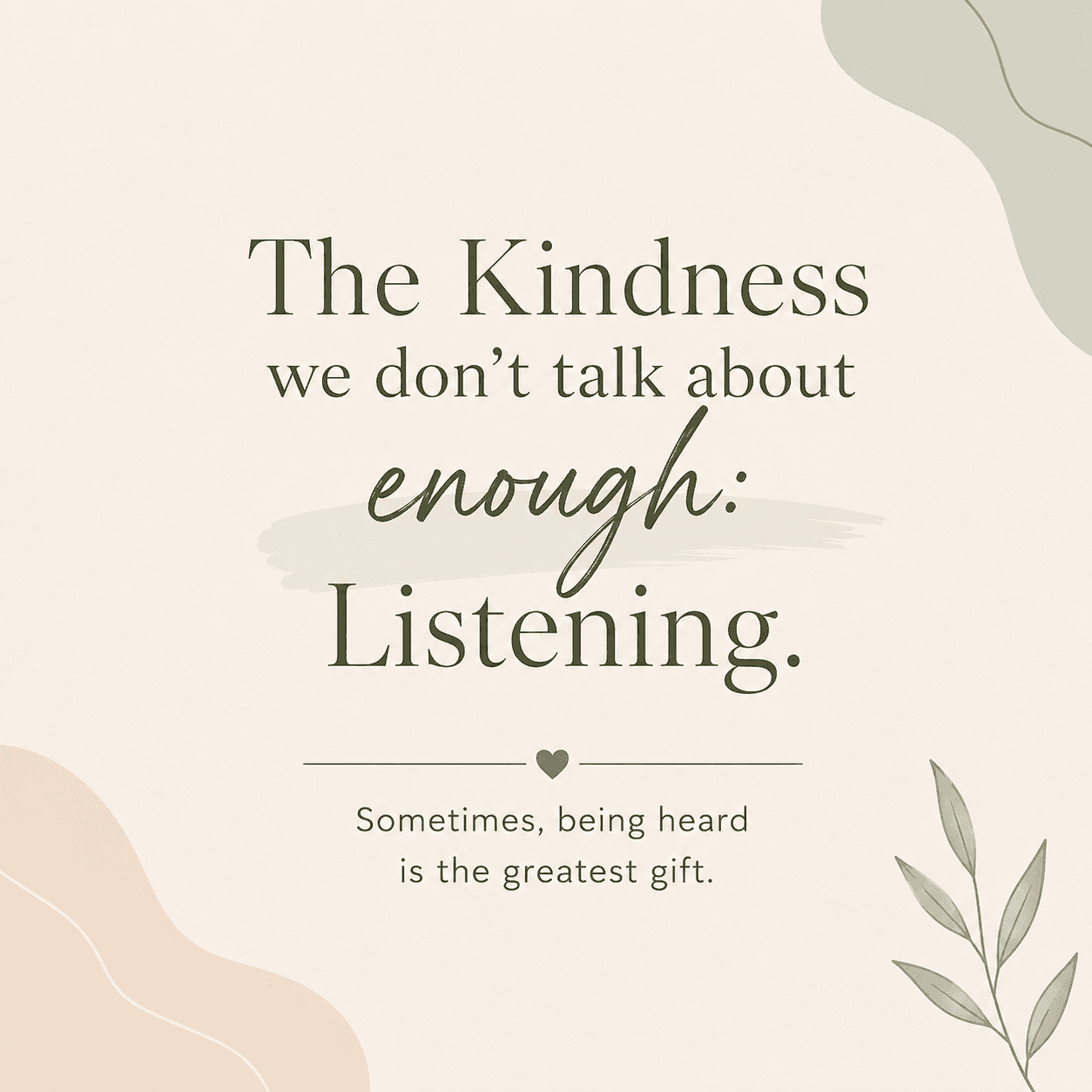
The kindness we don’t talk about Enough: Listening .
Most of us were taught to respond, reassure, and fix — not to simply stay quiet and receive. This post makes the case that listening is one of the most underestimated acts of kindness available to us, and looks at what it actually takes to do it well.
LissnUp Editorial Team
August 13, 20263 min read

What Being Heard Actually Feels Like — And Why So Many People Don't Get It Often
There's a specific difference between being heard by someone and being processed by them. Most people can tell the difference in their body within a minute of a conversation. And most people don't get the first kind nearly as often as they need to.
LissnUp Editorial Team
March 26, 20264 min read
Empathy Isn't a Soft Skill — It's the One That Makes Every Other Skill Actually Work
We treat empathy like a personality trait — something you either have a lot of or you don't. Actually it's a skill, it's teachable, and it's what quietly holds the rest of what we call 'communication' and 'leadership' together. Here's why that matters and what to do about it.
LissnUp Editorial Team
March 16, 20264 min read

Why AI Understands You Better Than Your Friends Do — And Why That's a Problem
This piece looks at what happens when the emotional support we're used to comes from AI — instant, patient, endlessly available — and how that quiet reset of our expectations is reshaping what we ask of the humans in our lives, often without noticing.
LissnUp Editorial Team
July 23, 20255 min read

Can ChatGPT Actually Help With My Mental Health? (Honest Answer)
AI chatbots can produce a genuinely comforting reply in under a second. So why does the conversation with one still leave you feeling slightly hollow afterward? This piece looks at what AI can actually do well for mental health, what it fundamentally can't, and how to tell in the moment which one you need.
LissnUp Editorial Team
July 16, 20256 min read

How to Show Someone You're Really Listening (Beyond Words)
The moment someone starts telling you something hard, they're reading your body long before they're parsing your words. This piece breaks down what actually reads as "present" versus "distracted" to the person talking — and why the small nonverbal choices you make often carry more weight than any careful response you could plan.
LissnUp Editorial Team
July 11, 20253 min read

7 Listening Habits Therapists Actually Use (And You Can Too)
Most of us think we're listening when we're actually waiting to talk. This piece walks through seven concrete habits therapists rely on — the small shifts that turn a distracted conversation into one where the other person feels actually heard. Not about becoming a therapist. About being someone people actually want to open up to.
LissnUp Editorial Team
July 6, 20255 min read

Why Being Heard Feels So Good (And What It Does to Your Brain)
The experience of being heard has real neurobiological effects: lower cortisol, oxytocin release, and a shift out of hypervigilance. This article looks at what makes some listening healing where other conversations aren't, and how to recognize the kind of attention that helps.
LissnUp Editorial Team
July 6, 20255 min read

What Empathetic Listening Actually Sounds Like (With Examples)
Everyone thinks they're a good listener until someone actually opens up. Then out comes the fix, the comparison, the pep talk. What follows is about the other kind of listening — the one where the person talking ends up feeling less alone, not more handled.
LissnUp Editorial Team
July 6, 20254 min read

How to Actually Support Someone With Mental Health Struggles — What Helps, What Doesn't
Most people who love someone with mental-health struggles want to help and don't know how — so they default to fixing, reframing, or reassuring. All three usually make the person feel less supported, not more. Here's what actually works, and when to bring in a professional.
LissnUp Editorial Team
February 28, 20256 min read

How to Support Aging Parents Emotionally — When Listening Matters More Than Fixing
When a parent shares something hard about aging, the reflex to solve it is almost automatic. Most of the time it's the wrong move. What most aging parents actually need — and what most adult children never quite manage — is someone in their life who can hear the difficult thing without immediately trying to fix it.
LissnUp Editorial Team
May 13, 20247 min read
Related tags
Topics that show up alongside Empathy across the LissnUp blog.