
Someone You Love
Content for people supporting a friend, partner, or family member in distress.
10 articles tagged “Someone You Love”
Someone You Love Articles
10 articles
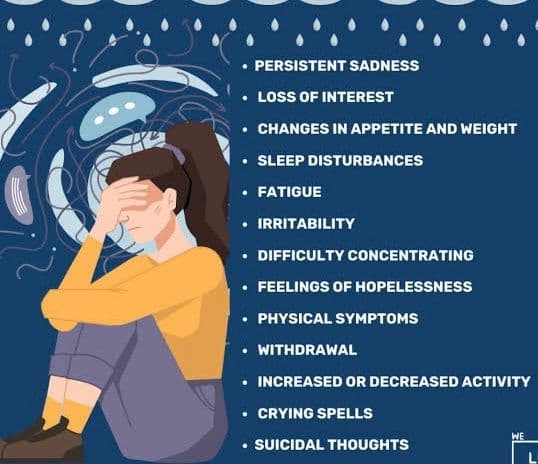
The Version of Depression That Doesn't Look Like Depression — Signs Worth Knowing
The classic picture of depression — someone crying, someone visibly withdrawn — is real but incomplete. A lot of depression looks like a functional person who quietly stopped enjoying things a few months ago. Here's what the less-obvious version tends to look like, in yourself and the people around you.
LissnUp Editorial Team
March 18, 20265 min read
Empathy Isn't a Soft Skill — It's the One That Makes Every Other Skill Actually Work
We treat empathy like a personality trait — something you either have a lot of or you don't. Actually it's a skill, it's teachable, and it's what quietly holds the rest of what we call 'communication' and 'leadership' together. Here's why that matters and what to do about it.
LissnUp Editorial Team
March 16, 20264 min read

How to Support a Loved One With Autism or ADHD (Without Trying to Fix Them)
Loving someone with autism or ADHD often comes with the sense that you're missing something obvious — a way to help that keeps eluding you. This piece is for the family members and friends who want to actually support, not just tolerate or try to fix. Concrete ways to help, common mistakes that read as care but land as harm, and the differences neurotype makes to what "support" actually means.
LissnUp Editorial Team
July 13, 20256 min read

How to Show Someone You're Really Listening (Beyond Words)
The moment someone starts telling you something hard, they're reading your body long before they're parsing your words. This piece breaks down what actually reads as "present" versus "distracted" to the person talking — and why the small nonverbal choices you make often carry more weight than any careful response you could plan.
LissnUp Editorial Team
July 11, 20253 min read

7 Listening Habits Therapists Actually Use (And You Can Too)
Most of us think we're listening when we're actually waiting to talk. This piece walks through seven concrete habits therapists rely on — the small shifts that turn a distracted conversation into one where the other person feels actually heard. Not about becoming a therapist. About being someone people actually want to open up to.
LissnUp Editorial Team
July 6, 20255 min read

Supporting vs Fixing: What to Say When Someone Opens Up
The instinct to say something helpful when someone shares a hard thing often produces the opposite. Research on toxic positivity shows that reflexive optimism can measurably lower well-being. This piece looks at the four phrases that most commonly shut people down and what actually keeps the conversation open.
LissnUp Editorial Team
July 6, 20254 min read

What Empathetic Listening Actually Sounds Like (With Examples)
Everyone thinks they're a good listener until someone actually opens up. Then out comes the fix, the comparison, the pep talk. What follows is about the other kind of listening — the one where the person talking ends up feeling less alone, not more handled.
LissnUp Editorial Team
July 6, 20254 min read

How to Actually Support Someone With Mental Health Struggles — What Helps, What Doesn't
Most people who love someone with mental-health struggles want to help and don't know how — so they default to fixing, reframing, or reassuring. All three usually make the person feel less supported, not more. Here's what actually works, and when to bring in a professional.
LissnUp Editorial Team
February 28, 20256 min read

Why Seniors Can Feel Lonely Even When They're Surrounded by People
Some of the loneliest older adults are the ones who visit with family every week. The problem isn't the number of interactions — it's that so few of them are the kind where the person actually feels seen. Here's what actually changes it, and why it matters more than most people realize.
LissnUp Editorial Team
January 7, 20256 min read
Related tags
Topics that show up alongside Someone You Love across the LissnUp blog.