Curated by the LissnUp Editorial Team

Stress and Anxiety

Overview

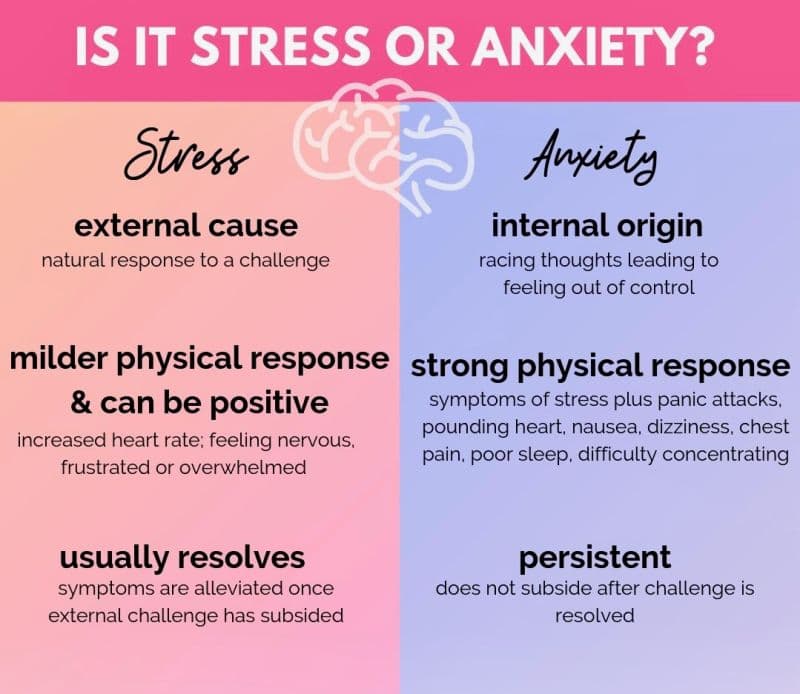
Stress and anxiety are two of the most common reasons people arrive at LissnUp. Stress usually points at something specific — a deadline, a difficult person, a life change — and eases when the pressure eases. Anxiety keeps going. It arrives without a clear trigger, persists after the situation is over, or attaches itself to something that shouldn't matter. Both are normal in short doses and worth paying attention to when they don't lift. The writing here is peer-support reading, not clinical treatment: what other people have tried, what the research suggests helps, and why so much of what makes stress and anxiety worse is carrying them silently. If what you're facing is beyond the scope of peer support, please talk to a licensed professional. Curated by the LissnUp Editorial Team.

Stress and Anxiety Articles

18 articles
How to Heal Your Nervous System: The Self-Care That Actually Works

How to Heal Your Nervous System: The Self-Care That Actually Works

Research shows 77% of people experience physical symptoms from chronic stress, yet traditional self-care often misses the root cause. Your nervous system—your body's alarm system—can get stuck in survival mode long after stress passes. Learn evidence-based practices that actually calm your nervous system and help you feel safe in your body again.

Stress vs Anxiety: How to Tell the Difference and What to Do About It

Stress vs Anxiety: How to Tell the Difference and What to Do About It

In everyday conversations, we use 'stress' and 'anxiety' interchangeably, but they're clinically distinct. Learn how to tell the difference, recognize symptoms in yourself and others, and discover the right support strategies for each condition.

Am I Just Anxious or Do I Have Anxiety? How to Tell the Difference

Am I Just Anxious or Do I Have Anxiety? How to Tell the Difference

Nearly 19% of U.S. adults experience an anxiety disorder each year, yet many don't realize the difference between normal anxious feelings and clinical anxiety. While feeling anxious before big events is normal and temporary, anxiety disorders involve persistent worry that interferes with daily life for weeks or months. Learn the key differences and when to seek professional support.

Anxiety vs Stress: The Subtle Difference That Defines Our Inner Balance

Anxiety vs Stress: The Subtle Difference That Defines Our Inner Balance

We often use 'stress' and 'anxiety' interchangeably, but they're fundamentally different. Learning to tell them apart can transform how you manage your emotional wellbeing.

How to Overcome Fear and Anxiety: Why Talking It Out Actually Works

How to Overcome Fear and Anxiety: Why Talking It Out Actually Works

40 million Americans struggle with anxiety disorders, but only 37% receive treatment. Learn why talking through fears with a non-judgmental listener can be as effective as some clinical interventions for managing anxiety.

How Stress Creates Back Pain: When Your Body Signals You Need to Talk

How Stress Creates Back Pain: When Your Body Signals You Need to Talk

Research shows 84% of people experience back pain during high-stress periods. Learn how emotional stress manifests as physical pain and discover healthy outlets for processing stress before it impacts your body.

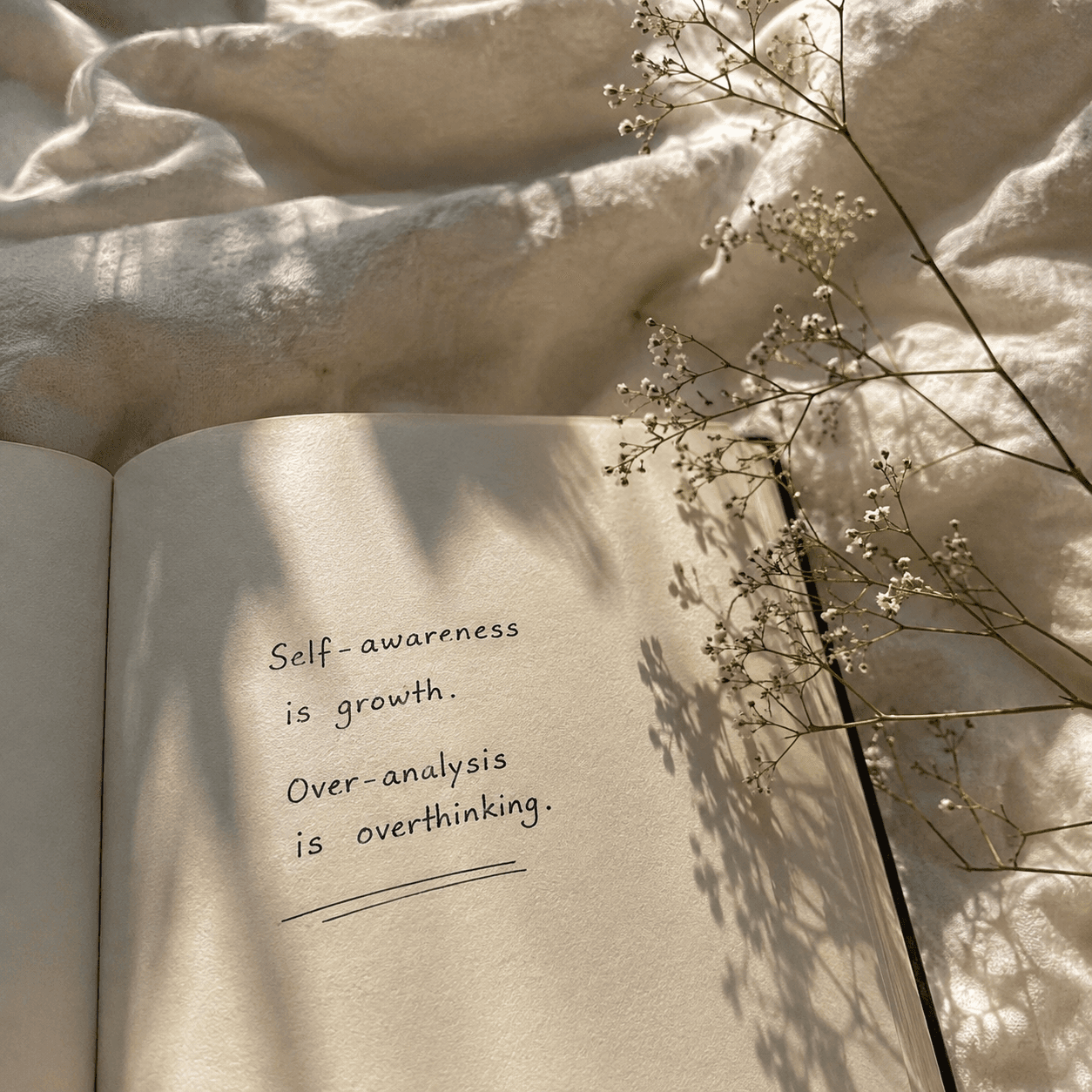
How to Stop Overthinking: When Your Mind Won't Give You Peace

How to Stop Overthinking: When Your Mind Won't Give You Peace

Overthinking affects millions of people, turning simple decisions into mental marathons and peaceful moments into worry sessions. Research shows mindfulness-based cognitive therapy can reduce rumination by up to 58%. Learn practical strategies to quiet your racing mind and find the peace you deserve.

Managing Everyday Anxiety: When You Need Someone to Listen, Not Fix

Managing Everyday Anxiety: When You Need Someone to Listen, Not Fix

31% of adults experience anxiety that interferes with daily life. Discover how talking through anxious thoughts with a non-judgmental listener can reduce symptoms by up to 40% - often more effectively than trying to manage anxiety alone.

How Stress Affects Your Hormones and Your Body and What You Can Do About It

How Stress Affects Your Hormones and Your Body and What You Can Do About It

Chronic stress disrupts every major hormone system in your body, from cortisol and insulin to thyroid and sex hormones. Research shows 77% of people experience physical symptoms from stress, yet most don't realize the deep hormonal impact. Learn how stress hijacks your body's chemical messengers and discover evidence-based strategies to restore hormonal balance.

How Small Daily Stress Can Hurt Your Health (And What You Can Do About It)

How Small Daily Stress Can Hurt Your Health (And What You Can Do About It)

Even minor daily stressors—traffic, emails, clutter—can quietly take a toll on your health. Here's how stress accumulates, what it does to your body, and simple habits that make a difference.

How to Deal with Everyday Anxiety: Quick Relief When You're Feeling Off

How to Deal with Everyday Anxiety: Quick Relief When You're Feeling Off

Not every anxious feeling needs a therapy session. Sometimes it's just a nervous buzz before a presentation or that weird sense of 'something's off' for no clear reason. Research shows that simple techniques like 4-4-4 breathing, movement, and basic self-care can effectively manage everyday anxiety without overwhelming interventions. Learn practical tools for those in-between moments.

Building Emotional Resilience: The Surprising Power of Simply Being Heard

Building Emotional Resilience: The Surprising Power of Simply Being Heard

Research shows that people with strong emotional resilience have 23% better stress recovery and 45% lower anxiety. Discover how feeling genuinely heard builds resilience more effectively than many traditional wellness approaches.

Walking with Intention: How Movement Helps You Process Emotions You Can't Put Into Words

Walking with Intention: How Movement Helps You Process Emotions You Can't Put Into Words

Stanford research shows that walking boosts creative thinking by 60% and reduces stress hormones by 20%. Discover how mindful walking creates space for emotional processing when talking feels too overwhelming, and why movement sometimes speaks louder than words.

How to Support a Loved One with Mental Health Challenges: The Power of Just Listening

How to Support a Loved One with Mental Health Challenges: The Power of Just Listening

68% of people don't know how to help when someone they care about struggles with mental health. Learn evidence-based ways to provide meaningful support through compassionate listening—without trying to fix or solve everything.

Why Laughter Is the Best Free Therapy: The Science Behind Healing Through Humor

Why Laughter Is the Best Free Therapy: The Science Behind Healing Through Humor

Research shows that 15 minutes of laughter provides the same cardiovascular benefits as 30 minutes of exercise, while releasing endorphins and reducing cortisol by up to 39%. In a world where therapy waitlists are long and stress is chronic, laughter offers immediate, accessible healing that costs nothing but transforms everything—from your brain chemistry to your heart health.

How to Naturally Boost Dopamine All Day: Science-Based Daily Habits

How to Naturally Boost Dopamine All Day: Science-Based Daily Habits

Dopamine drives motivation, focus, and feelings of reward, but modern life often depletes it through artificial stimulation. Research shows specific daily habits can naturally optimize dopamine production throughout the day. Learn evidence-based strategies to maintain steady motivation and mood without relying on quick fixes that ultimately leave you feeling worse.

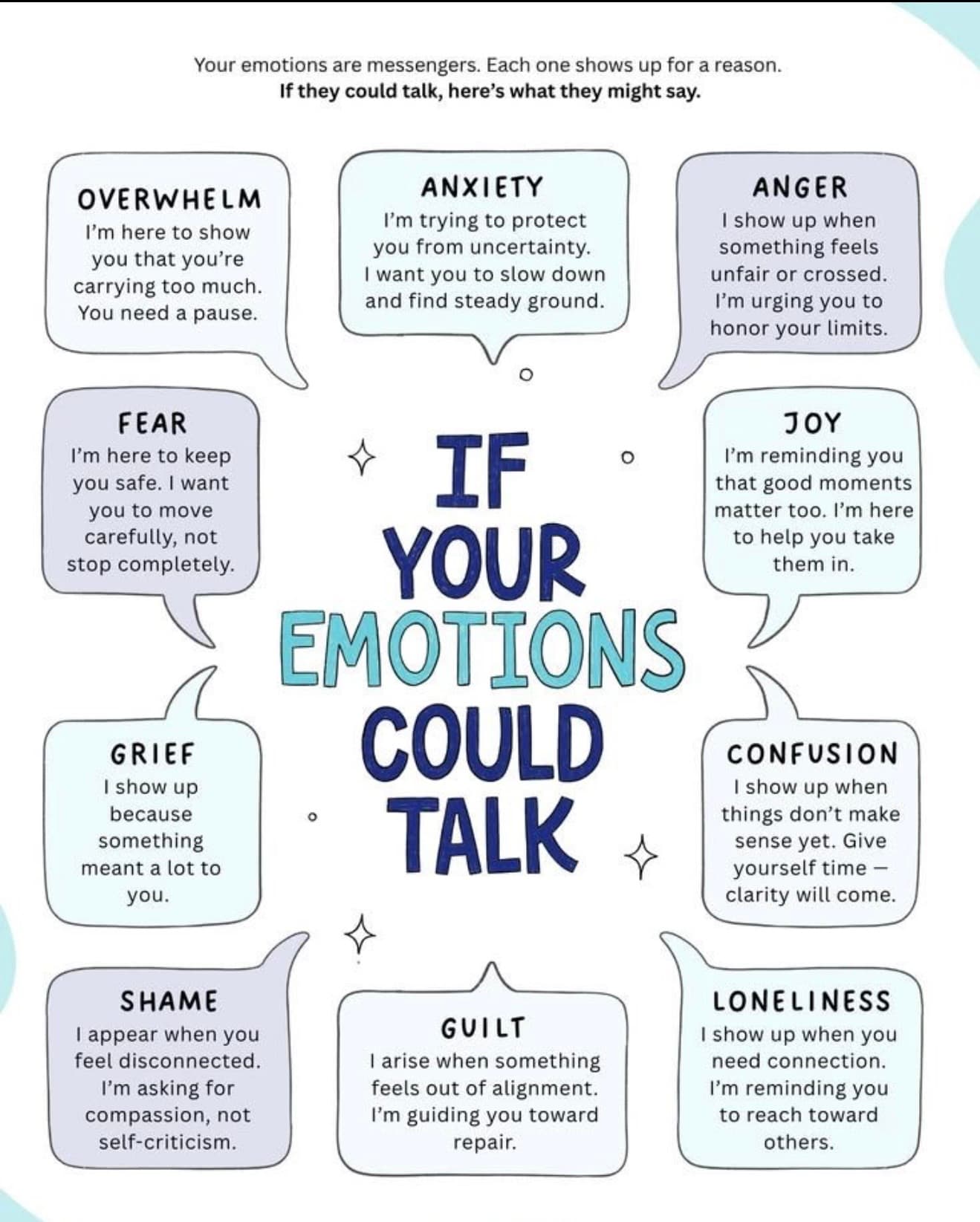
If Your Emotions Could Talk

If Your Emotions Could Talk

Emotions aren't always accurate reflections of reality — but they're almost always worth listening to. From anxiety to shame to confusion, each feeling carries a signal worth understanding. Here's what yours might be trying to say.

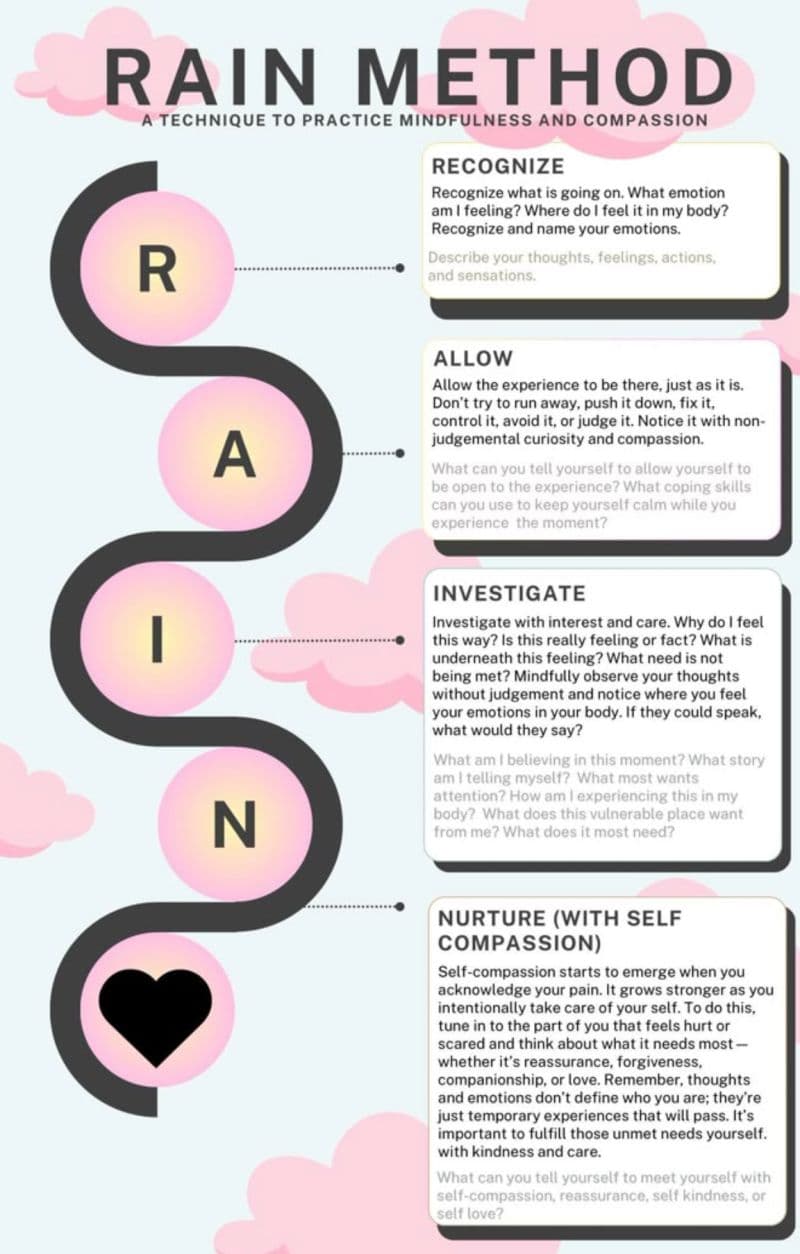
The RAIN Method: A Science-Backed Approach to Emotional Awareness

The RAIN Method: A Science-Backed Approach to Emotional Awareness

Developed by psychologist Tara Brach, the RAIN method — Recognize, Allow, Investigate, Nurture — combines mindfulness and self-compassion into a simple framework backed by growing evidence for reducing anxiety, depression, and emotional reactivity.

Frequently Asked Questions

Why does anxiety get worse at night?

Because the distractions that kept it quiet during the day are gone. During the day you have tasks, movement, other people's noise — all things that occupy the attention anxiety uses to spiral. At night, the mind has nothing else to do. Sleep researchers call this cognitive vulnerability window; most people call it 3am thoughts. What tends to help: getting the swirling thoughts out of your head onto paper, into a phone note, or into a conversation with a trained listener who's available for late sessions.

Can a listening session actually reduce anxiety in the moment?

For many people, yes. Being heard triggers a real physiological calming response — heart rate slows, breathing deepens, the mind stops racing. That's peer-support, not clinical treatment; it won't cure an anxiety disorder. But 15 minutes of being genuinely heard often takes the edge off a hard moment.

What if my stress is caused by a situation LissnUp can't fix?

LissnUp isn't meant to fix your situation — trained listeners don't give advice or solve problems. What they offer is being heard about it, which is often what's missing when everyone around you already knows the situation. Being heard doesn't change the circumstance; it changes how alone you feel inside it.

When should I book a session vs. see a therapist?

Book LissnUp when you want to be heard, right now, anonymously, without commitment. See a therapist when you want ongoing clinical care, when anxiety is significantly disrupting your life, or when you need diagnosis or medication. Many readers use both: LissnUp for in-the-moment support, a therapist for the deeper work.

When your head is loud, speaking to someone quiet can help.

LissnUp trained listeners are steady, unhurried, and non-reactive — the opposite of the noise stress creates. Book 15 minutes, anonymous and confidential. Text or voice, whichever quiets things faster for you.