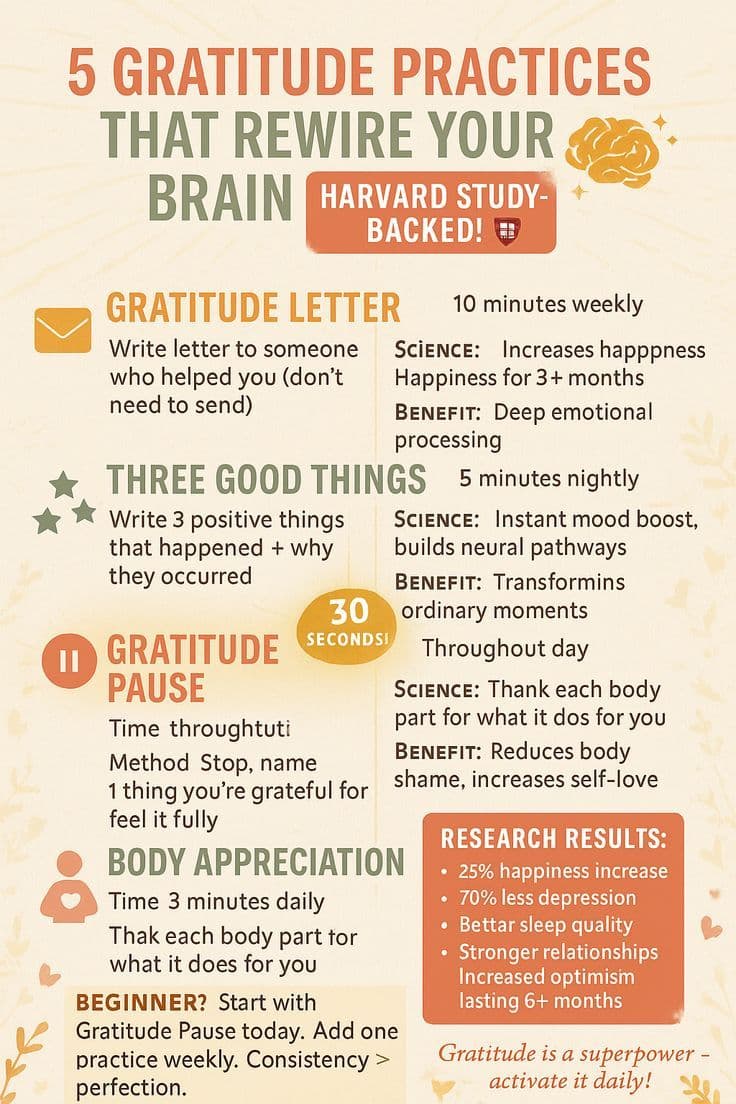
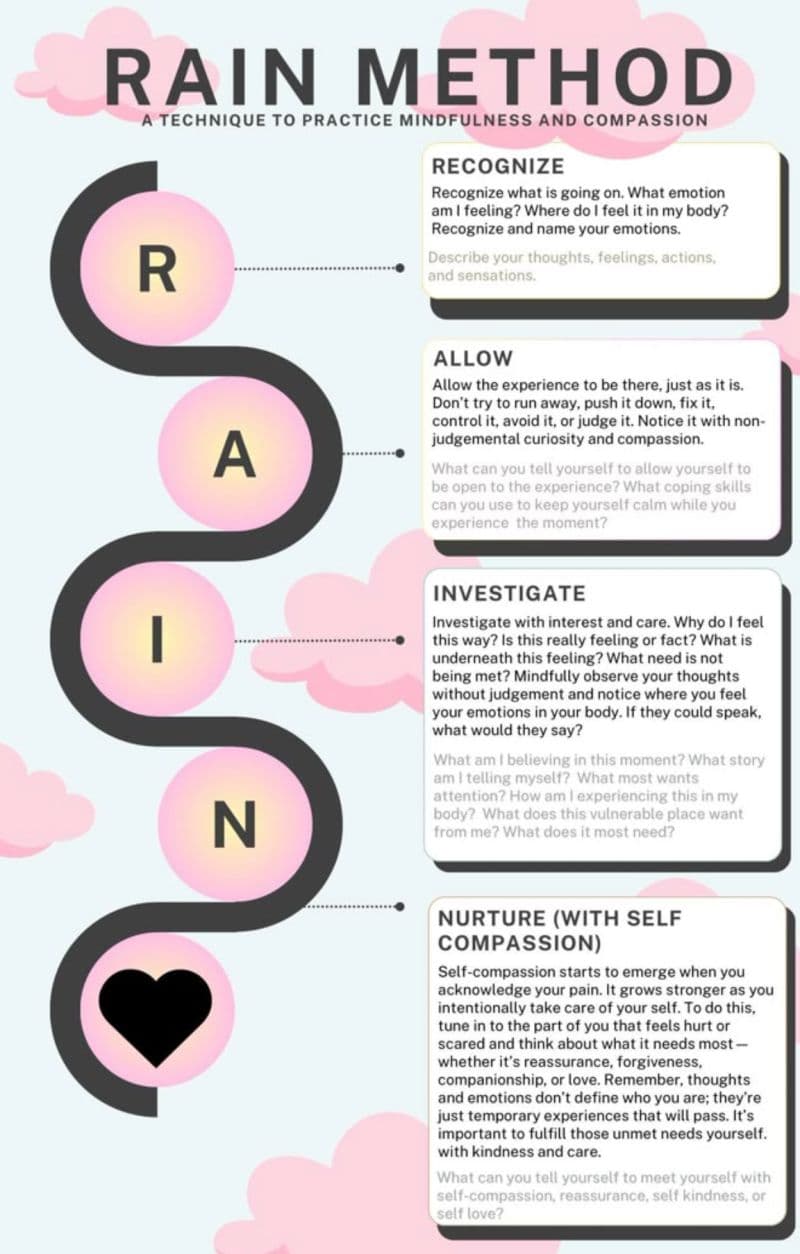
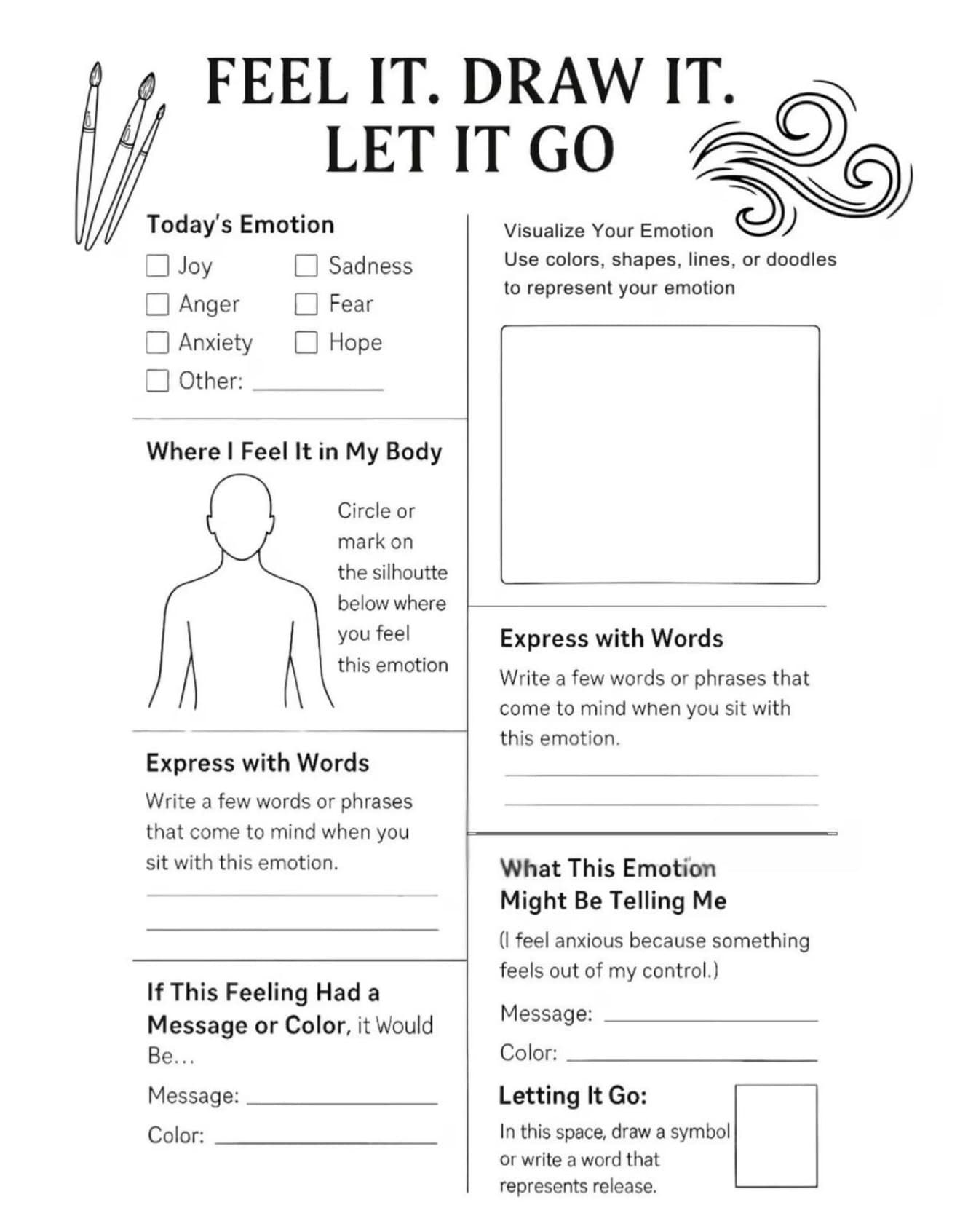
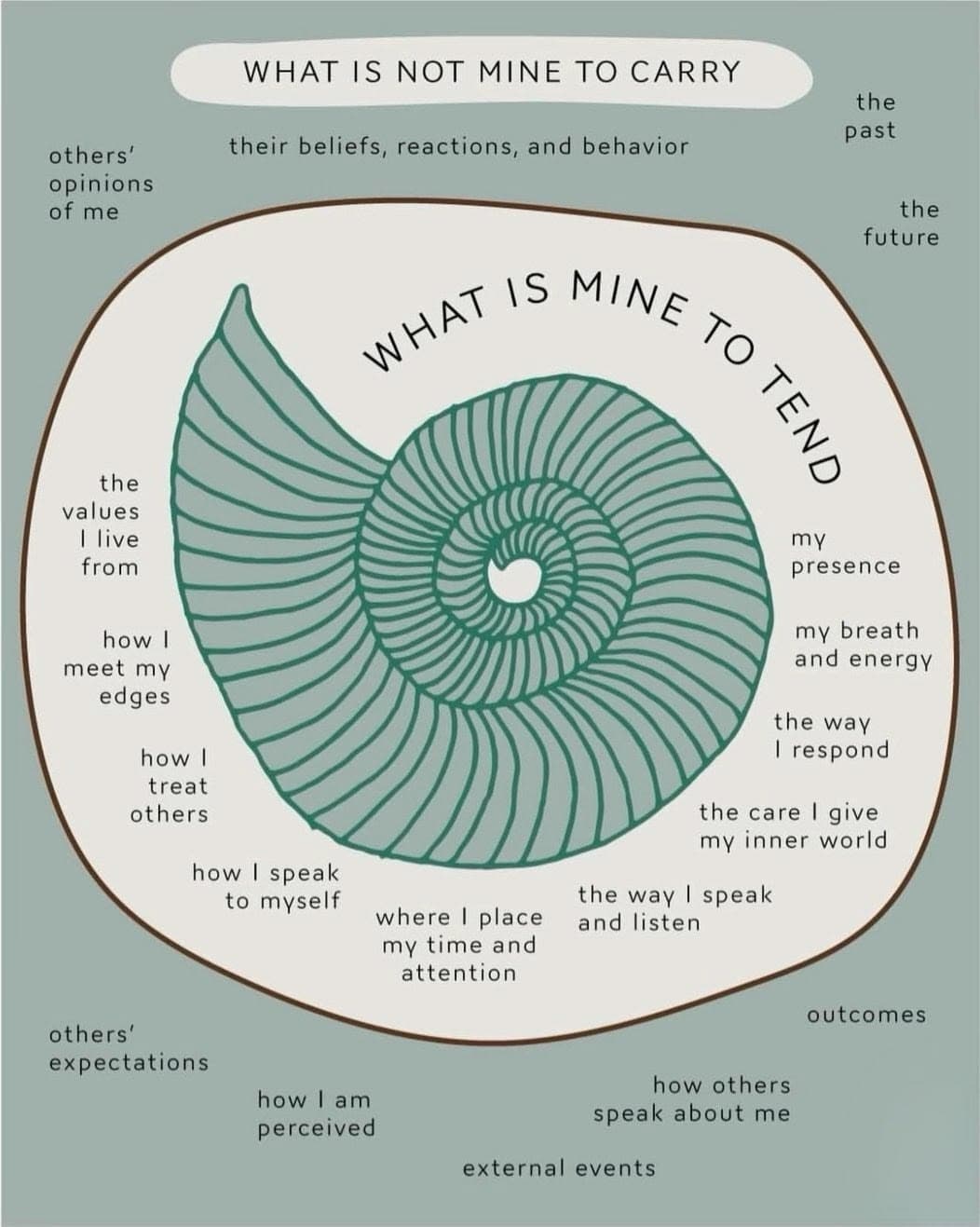
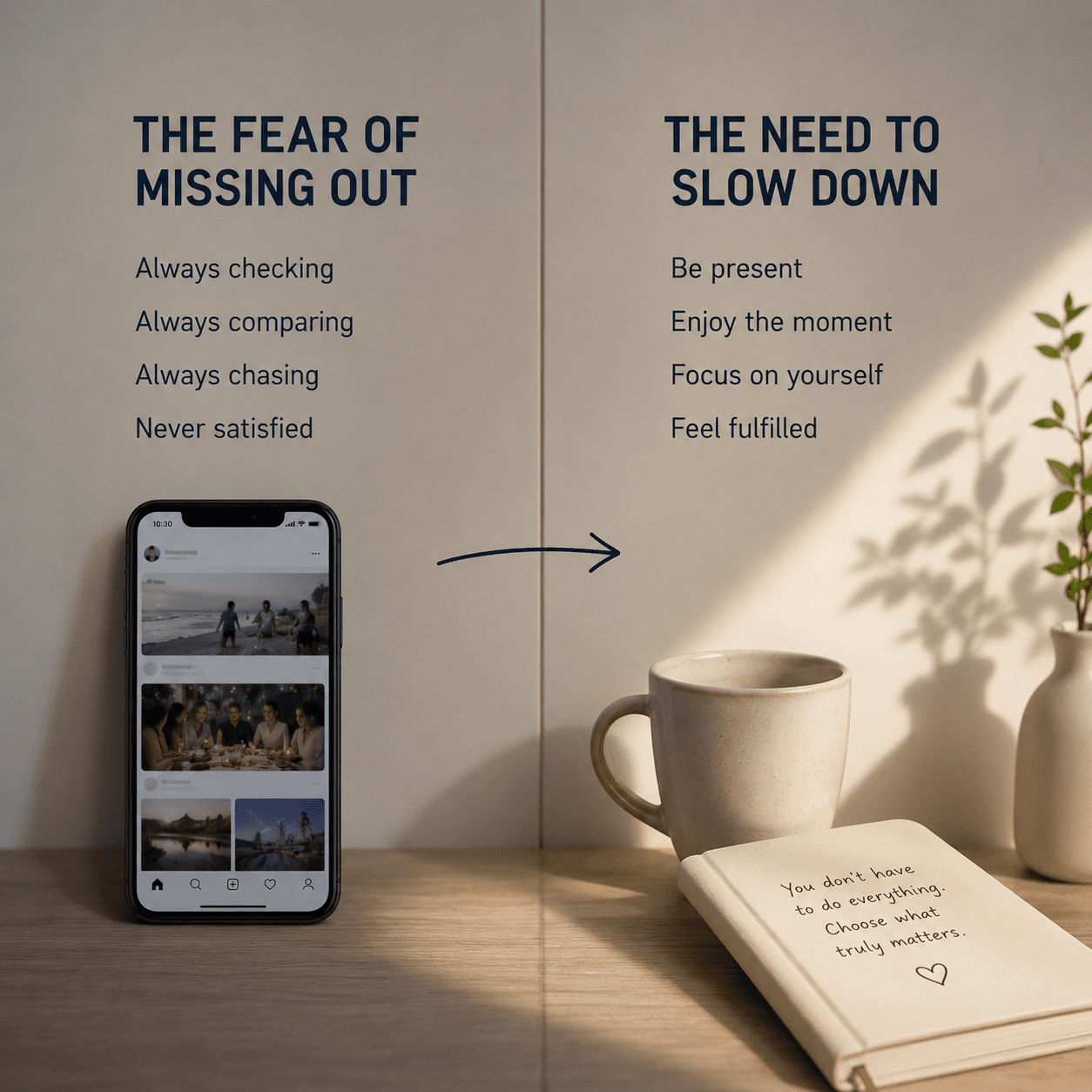
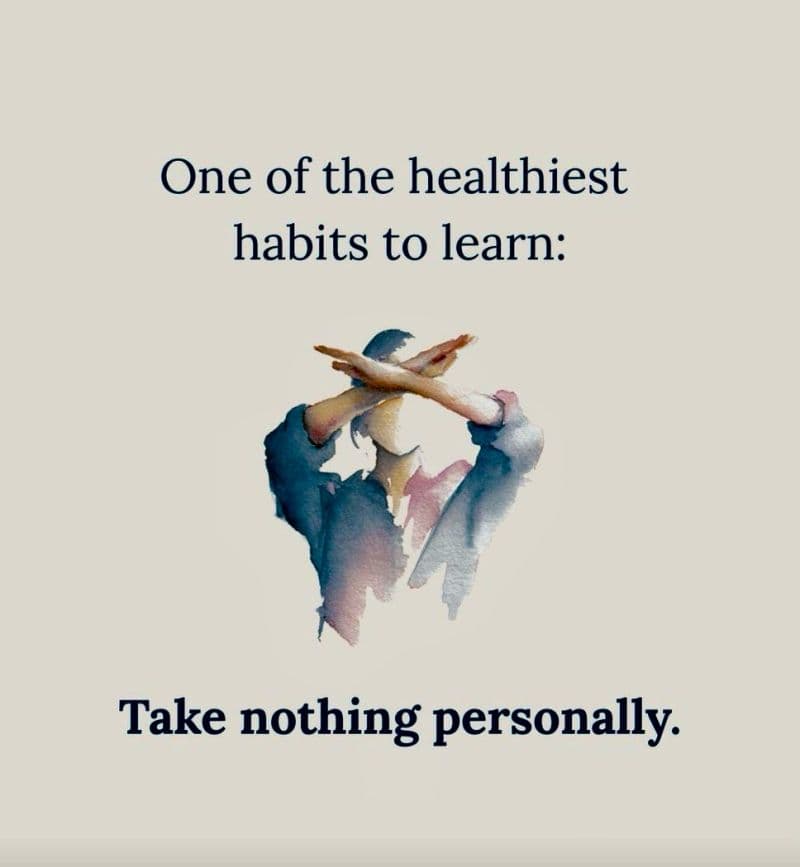
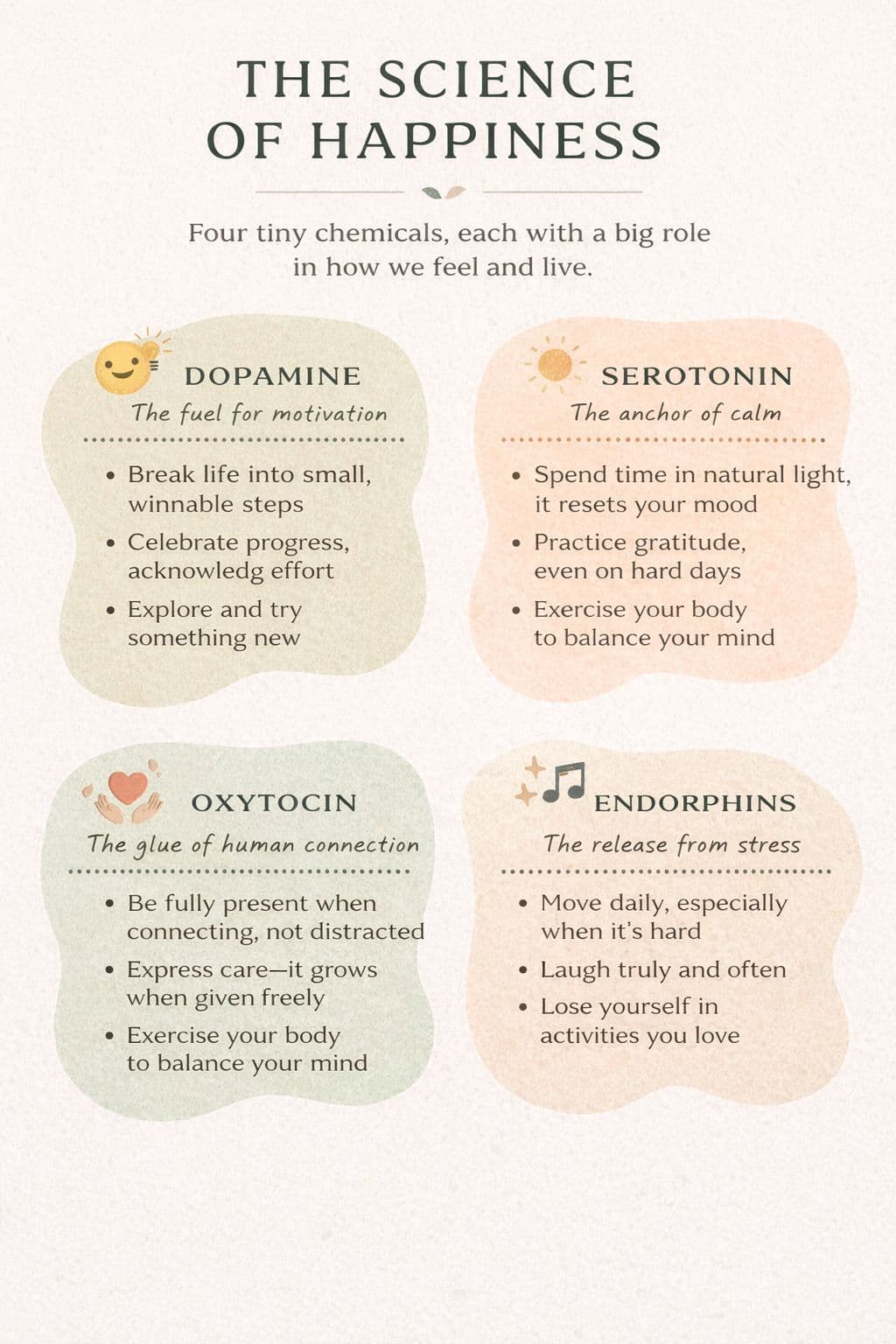
Mindfulness is a broad word for a narrow practice: paying attention to what's happening right now, without editing it. That's it. Everything else — the apps, the cushions, the ten-day retreats — is scaffolding around that one skill. The pieces here cover the techniques that have peer-reviewed support behind them: breathwork, body scans, brief present-moment resets, and micro-practices that fit inside the two-minute gaps of an ordinary day. The best practice is the one you'll actually do, which is usually the shortest one you can imagine skipping and won't. Formal meditation works for some people. Small deliberate pauses work for others. Both count. Curated by the LissnUp Editorial Team.
Do I need to meditate to benefit from mindfulness?
No. Formal meditation is one way, but not the only one. Any practice that brings your attention to the present moment — noticing your breath, feeling your feet on the floor, describing what you see — counts. What matters is doing it, not how you do it. Even a two-minute reset several times a day has research behind it.
What if my mind won't stop racing when I try to be mindful?
That's completely normal — it's what minds do. Mindfulness isn't about stopping thoughts; it's about noticing them without following every one. If your mind wanders, the practice is to notice, and gently return your attention to whatever you were focusing on. That noticing-and-returning is the exercise, not a sign you're failing at it.
Can a LissnUp session count as mindfulness practice?
In some ways, yes. Focused conversation with a trained listener requires the same attention to the present moment that mindfulness cultivates. Many readers find that a session naturally slows them down and returns them to what they're actually feeling. It's not a substitute for regular practice, but it can be an on-ramp.
How do I know if a mindfulness technique is working?
You'll notice small things — a slightly slower reaction to something that used to trigger you, an extra beat of attention before you speak, an easier time falling asleep. Mindfulness doesn't produce dramatic results; it produces steady, subtle ones. If nothing shifts after weeks of practice, the technique may not be a fit for you — try a different one.
Sometimes the fastest way to slow down is to talk to someone.
Being heard by a trained listener has a settling effect that reading alone doesn't. Book 15 minutes, anonymous, confidential, no advice. Text or voice, judgment-free — space to slow down without having to figure out how.