Curated by the LissnUp Editorial Team
Supporting Loved Ones
Overview
Watching someone you love struggle is a specific kind of hard. You want to help and don't know how. You worry about saying the wrong thing and making it worse. You wonder if you're doing too much, or not enough, or the right kind of thing done badly. And you often can't talk about it with anyone else in your life because the details would feel like a betrayal of the person you're worried about. The writing here is for the person doing the supporting — the friend in a crisis you don't fully understand, the partner in a rough patch you can't fix, the parent slowly losing themselves, the aging family member you're beginning to lose. It's not about fixing them. It's about being someone they can lean on without disappearing yourself in the process. Curated by the LissnUp Editorial Team, judgment-free.























Frequently Asked Questions
How do I help someone who's struggling without making it worse?
Listen more than you talk. Ask what would help before offering it. Don't try to fix — most people don't want solutions, they want witness. Say the emotional word out loud ('that sounds unbearable'). Follow up later without expecting anything. What tends to hurt: comparing to your own experience, offering silver linings, or making it about your worry for them.
What if they don't want to talk about it?
Respect that, but don't disappear. You can support someone without them opening up — show up in ordinary ways (bring food, sit with them, text without expecting a reply). Sometimes just knowing you're there without pressure is what lets them open up eventually, on their timeline. Pushing tends to backfire.
How do I take care of myself while I'm caring for someone else?
Set at least one boundary you can hold consistently — whether that's an hour a day for yourself, a night off, or a topic you don't discuss when you're depleted. Talk to someone about what you're carrying (a friend, a therapist, a LissnUp listener). Caregiver burnout is real; the people you're supporting will need you to still be functional in a month, not just today.
What if I'm worried they're in a mental-health crisis?
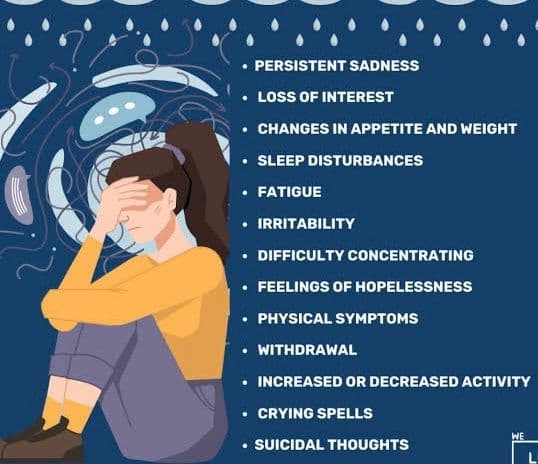
If you think they're in immediate danger — to themselves or others — get emergency help right now: call 988 (US) or your local crisis line. If they're struggling seriously but not in immediate danger, encourage them to talk to a licensed professional and offer to help them find one. Your support matters, but crisis care requires clinicians. LissnUp is not a crisis service for you or for them.
Supporting someone else takes support too.
Book a 15-minute session with a trained listener — anonymous, confidential, no advice. When you're the person others lean on, there's rarely a place to say how hard it is without feeling disloyal. LissnUp is that place.