Curated by the LissnUp Editorial Team
Setting Boundaries
Overview
Boundaries are often described as walls, but they work more like signage. A boundary tells people what you're available for and what you're not — with your time, your energy, your attention, your presence. Good ones protect your capacity. They don't try to control the other person's behavior. Setting them is only half the work; holding them when someone pushes back is the other half, and often the harder one. Some boundaries strain relationships. Some relationships weren't holding you well enough to survive one. The writing here is about setting them clearly, holding them without over-explaining, and processing what comes up when the other person doesn't take it well. Curated by the LissnUp Editorial Team, judgment-free.








Frequently Asked Questions
What actually is a boundary — is it just saying no?
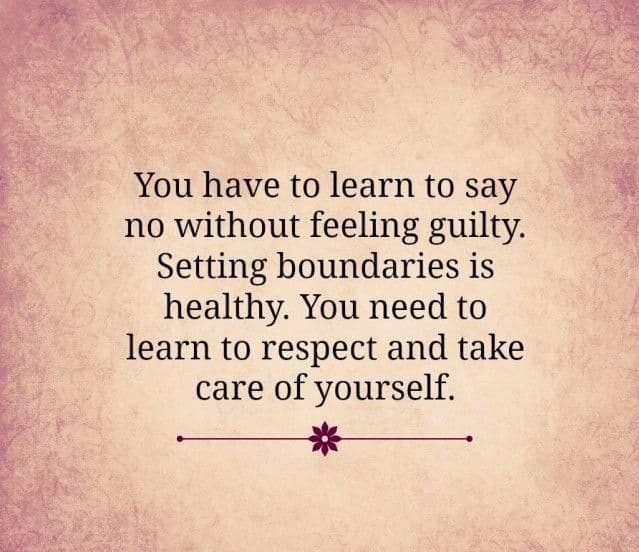
Saying no is one form. More broadly, a boundary is a clear statement of what you're available for and what you're not — with your time, energy, attention, or presence. Good boundaries protect your capacity; they don't control the other person's behavior. 'I won't take work calls after 7pm' is a boundary; 'you can't call me' is a demand.
Why do people react badly when I set a boundary?
Because the boundary changes the terms of the relationship, and change is uncomfortable — especially if the old terms were convenient for them. A reaction isn't a sign the boundary is wrong; it's often a sign it was overdue. That said, sustained hostility to reasonable boundaries is worth paying attention to.
How do I hold a boundary when the other person keeps pushing?
By repeating it without over-explaining. Long justifications tend to invite further negotiation. A calm restatement — 'I understand this is hard, and my answer is the same' — is often what holds. If it helps to rehearse those words out loud first, a LissnUp session is a low-consequence place to practice.
What if setting a boundary means losing the relationship?
Sometimes it does — which is painful and can also be information. Relationships that can't survive a reasonable boundary weren't holding you well. That's a hard thing to face and often worth being heard about, without anyone offering advice on what to do. Trained LissnUp listeners are prepared to hold that space.
Say the boundary out loud first, to someone safe.
Boundaries land better when you've rehearsed them somewhere with no consequences. A LissnUp session is 15 anonymous, confidential minutes with a trained listener — text or voice, no advice. Try the words before you use them.