The hardest conversations are the ones you're not sure you can survive having. The breakup. The confrontation. The truth you've been sitting on for months. The disagreement that could reshape a relationship you thought was stable. Most people put these off for weeks or years, and the delay costs more than the conversation would have. The writing here is about entering hard conversations without them turning into fights, about hearing a person you're upset with, about saying the true thing without wrecking the connection, and about repairing things when it goes sideways anyway. Not couples therapy. Reading to help you think through, and sometimes rehearse, the conversation you already know you have to have. Curated by the LissnUp Editorial Team from peer-reviewed communication research.
What's the single most important skill in healthy communication?
Listening before responding. Most conflicts in close relationships come from both people feeling unheard, not from disagreement on the topic. If one person fully listens first, the other person's need to defend or repeat themselves drops sharply — and the conversation becomes possible.
How do I bring up a hard topic without my partner getting defensive?
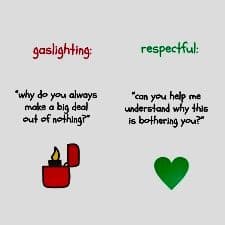
Start with your experience, not their behavior. 'I've been feeling distant lately' opens differently than 'You never make time for me.' Name what you want the conversation to be — problem-solving, being heard, planning — so they know what mode to be in. And pick a moment when neither of you is tired or hungry.
Is it a bad sign if my partner and I argue?
Not necessarily. Communication research suggests it's not whether couples argue but how they repair afterward that predicts long-term satisfaction. Regular repair — apologies, checking back in, moments of warmth after conflict — matters more than avoiding conflict in the first place.
Can I use LissnUp to prepare for a hard conversation with someone?
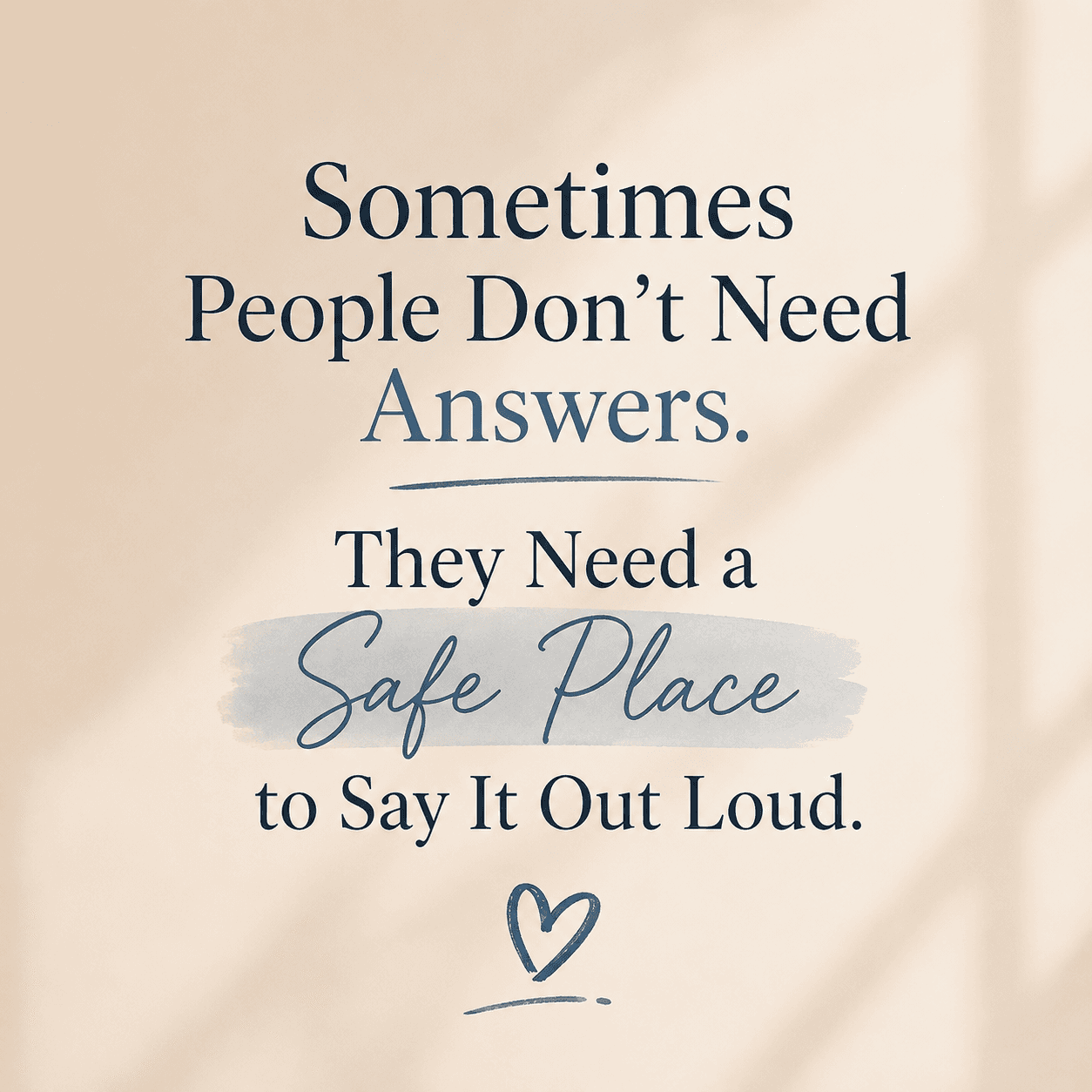
Yes — many readers do. Saying it out loud to a neutral trained listener often surfaces which words to use and which to avoid before you use them where they matter. Anonymous, confidential, no advice. Text or voice, 15 minutes.
Rehearse a hard conversation with a trained listener first.
Saying it out loud once — to someone anonymous and neutral — often helps you find the words before you use them where they matter. Book 15 minutes, confidential, no advice. Text or voice.