Curated by the LissnUp Editorial Team

Stigma and Silence

Overview

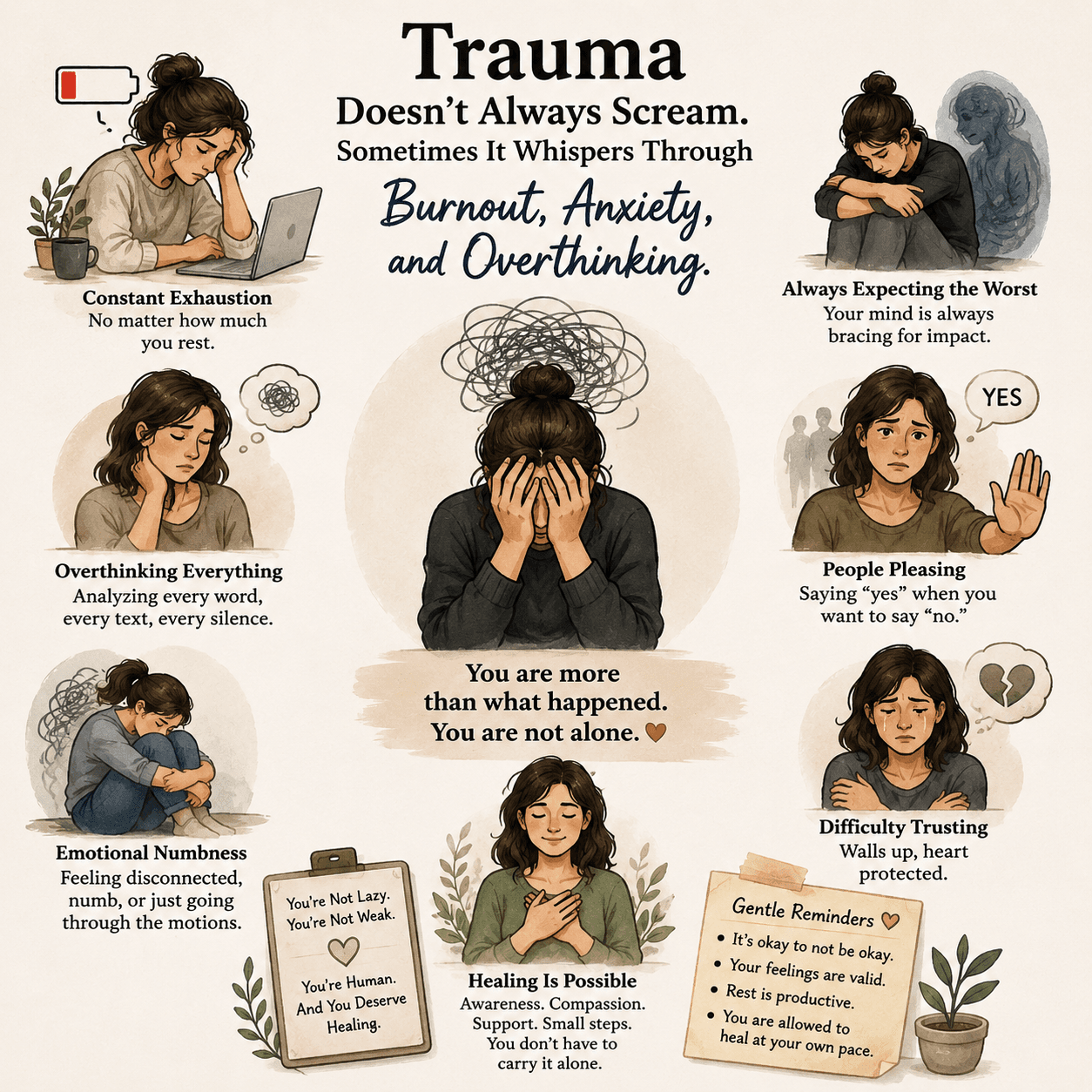
Stigma is one of the biggest reasons people don't reach out. Fear of being judged. Fear of being seen differently by the people whose opinions matter to you. Fear of being misread at work, gossiped about by family, quietly filed away in someone's mental record of who you are. Silence is what stigma produces — the things you don't say out loud, the help you don't ask for, the version of yourself you keep hidden even from the people closest to you, sometimes for decades. The writing here is about where stigma comes from, what actually shifts it, and what to do in the meantime when you're carrying something you can't say out loud yet. Curated by the LissnUp Editorial Team from peer-reviewed sources.

Stigma and Silence Articles

30 articles
How to Overcome Fear and Anxiety: Why Talking It Out Actually Works

How to Overcome Fear and Anxiety: Why Talking It Out Actually Works

40 million Americans struggle with anxiety disorders, but only 37% receive treatment. Learn why talking through fears with a non-judgmental listener can be as effective as some clinical interventions for managing anxiety.

What Teens Wish Adults Knew About Mental Health

What Teens Wish Adults Knew About Mental Health

Teens face real mental health challenges that are often dismissed or misunderstood by adults. Here's what they wish adults truly knew about emotional struggles, support, and being heard.

How to Support a Loved One with Mental Health Challenges: The Power of Just Listening

How to Support a Loved One with Mental Health Challenges: The Power of Just Listening

68% of people don't know how to help when someone they care about struggles with mental health. Learn evidence-based ways to provide meaningful support through compassionate listening—without trying to fix or solve everything.

Is Working From Home Quietly Impacting Your Mental Health?

Is Working From Home Quietly Impacting Your Mental Health?

Research reveals 56% of remote workers go entire weeks without leaving home, and 25% don't speak to anyone for days. Discover the hidden mental health impacts of working from home and practical solutions including the healing power of connection.

Why It's So Hard to Say I'm Not Okay

Why It's So Hard to Say I'm Not Okay

Saying 'I'm not okay' can be one of the hardest things to admit—yet it's also one of the most powerful steps toward healing. Here's why it's difficult and why it matters.

Building Emotional Resilience: The Surprising Power of Simply Being Heard

Building Emotional Resilience: The Surprising Power of Simply Being Heard

Research shows that people with strong emotional resilience have 23% better stress recovery and 45% lower anxiety. Discover how feeling genuinely heard builds resilience more effectively than many traditional wellness approaches.

Why Human Connection Still Matters: What AI Can't Replace in Mental Health Support

Why Human Connection Still Matters: What AI Can't Replace in Mental Health Support

In a world where AI can mimic empathy and hold conversations, research shows human connection remains the foundation of therapeutic efficacy. Discover why authentic emotional support requires the irreplaceable warmth of being truly seen by another person.

The Glorification of Mental Illness: A Harmful Trend

The Glorification of Mental Illness: A Harmful Trend

Social media has normalized romanticizing depression and anxiety through memes and influencer content. Research shows this glorification discourages 67% of young people from seeking professional help. Learn why treating mental illness as an aesthetic hurts real recovery and how to recognize genuine support vs. harmful trends.

Imposter Syndrome: How to Stop Feeling Like You Don't Deserve Your Success

Imposter Syndrome: How to Stop Feeling Like You Don't Deserve Your Success

Research shows 70% of people experience imposter syndrome at some point, with high achievers most affected. That voice saying 'I don't belong here' or 'I just got lucky' isn't protecting you—it's limiting your potential. Learn practical strategies to recognize imposter syndrome and reclaim confidence in your achievements.

Managing Everyday Anxiety: When You Need Someone to Listen, Not Fix

Managing Everyday Anxiety: When You Need Someone to Listen, Not Fix

31% of adults experience anxiety that interferes with daily life. Discover how talking through anxious thoughts with a non-judgmental listener can reduce symptoms by up to 40% - often more effectively than trying to manage anxiety alone.

How to Support Someone with Autism or ADHD: What Family and Friends Need to Know

How to Support Someone with Autism or ADHD: What Family and Friends Need to Know

1 in 31 children is diagnosed with autism, and nearly 10% have ADHD. Many family members feel helpless when supporting their loved ones. Learn practical, evidence-based ways to help someone with autism or ADHD thrive at home and in relationships.

The Quiet Pain of Being Unheard: When Silence Becomes Self-Protection

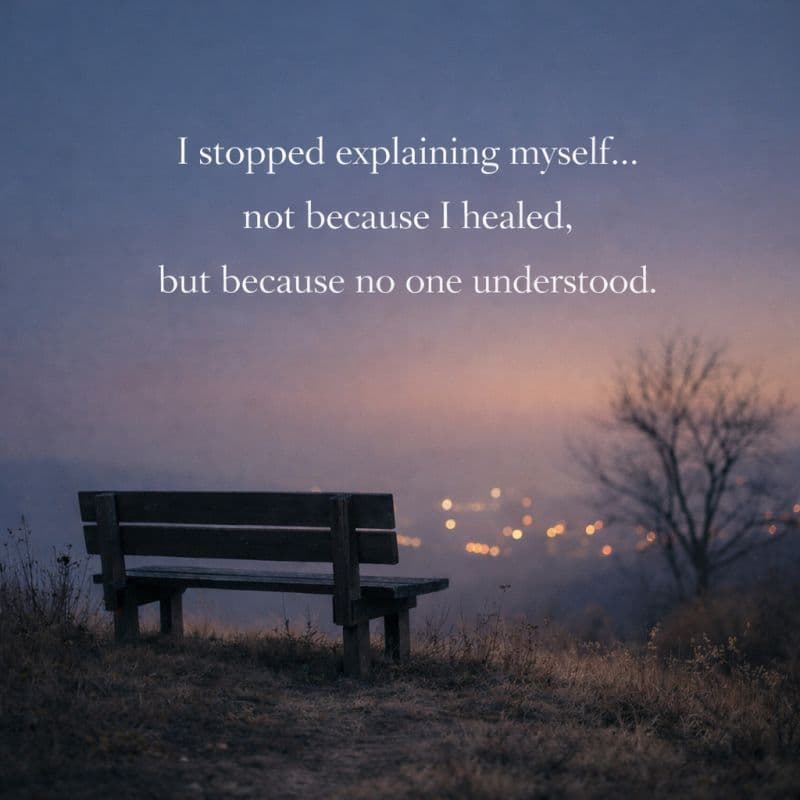
The Quiet Pain of Being Unheard: When Silence Becomes Self-Protection

Being unheard doesn't happen in one moment. It happens slowly — when your feelings are brushed aside, your vulnerability met with distraction, and your voice learns to shrink. But your emotions are not too heavy. They've just been waiting for someone who truly listens.

How Self-Neglect Silently Impacts Our Health, Work, and Relationships

How Self-Neglect Silently Impacts Our Health, Work, and Relationships

Self-neglect doesn't always appear as a crisis. Often it's subtle — skipping meals, cutting sleep, avoiding checkups. But the impact builds up across your health, work, and relationships. Taking care of yourself isn't selfish. It's essential.

Am I Burned Out? Signs, Symptoms, and What to Do About It

Am I Burned Out? Signs, Symptoms, and What to Do About It

Nearly 23% of employees report feeling burned out often or always, with 84% of millennials experiencing workplace burnout. Burnout isn't just being tired—it's emotional, physical, and mental exhaustion that affects every area of your life. Learn to recognize the signs and take action before it gets worse.

Am I Just Anxious or Do I Have Anxiety? How to Tell the Difference

Am I Just Anxious or Do I Have Anxiety? How to Tell the Difference

Nearly 19% of U.S. adults experience an anxiety disorder each year, yet many don't realize the difference between normal anxious feelings and clinical anxiety. While feeling anxious before big events is normal and temporary, anxiety disorders involve persistent worry that interferes with daily life for weeks or months. Learn the key differences and when to seek professional support.

How Stress Creates Back Pain: When Your Body Signals You Need to Talk

How Stress Creates Back Pain: When Your Body Signals You Need to Talk

Research shows 84% of people experience back pain during high-stress periods. Learn how emotional stress manifests as physical pain and discover healthy outlets for processing stress before it impacts your body.

Why Can't I Forget Bad Memories? The Science of Painful Memory and Healing

Why Can't I Forget Bad Memories? The Science of Painful Memory and Healing

Research shows that negative memories are processed 5 times more intensely than positive ones, creating lasting imprints that can resurface years later. Your brain's survival system prioritizes painful experiences to protect you from future threats. Learn why this happens, how it affects your daily life, and gentle, evidence-based approaches to healing without erasing your past.

How to Support Aging Parents Emotionally: When Listening Matters More Than Solutions

How to Support Aging Parents Emotionally: When Listening Matters More Than Solutions

Your aging parent just shared a fear about losing independence, and your first instinct is to solve it. But what if what they really need is someone who will simply listen and understand? Learn why genuine listening creates deeper connection than any solution ever could.

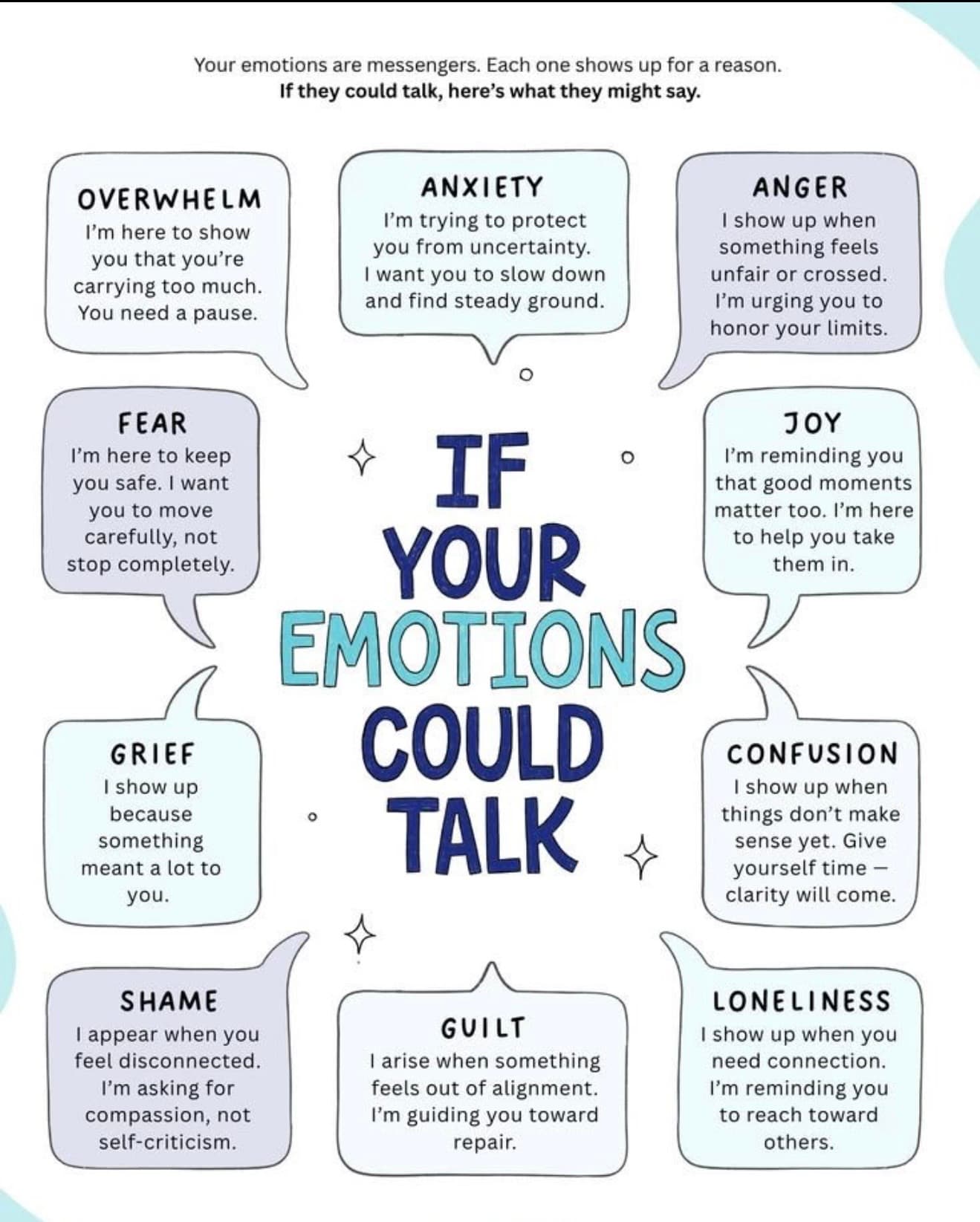
If Your Emotions Could Talk

If Your Emotions Could Talk

Emotions aren't always accurate reflections of reality — but they're almost always worth listening to. From anxiety to shame to confusion, each feeling carries a signal worth understanding. Here's what yours might be trying to say.

How to Handle Peer Pressure: When Friends Want You to Do Things You Don't Want to Do

How to Handle Peer Pressure: When Friends Want You to Do Things You Don't Want to Do

Research shows peer pressure continues into early adulthood, affecting our decisions far beyond teenage years. Whether it's joining activities you don't enjoy or compromising your values to fit in, learn practical strategies to stay true to yourself while maintaining healthy relationships.

Depression Wears Many Faces: Signs We Often Miss

Depression Wears Many Faces: Signs We Often Miss

Depression isn't always tears and visible sadness. It can hide behind smiles, exhaustion, and silence. These are the signs we often miss — and why awareness, and a single conversation, can change everything.

Burnout Begins with Silence: How to Prevent It Before It Breaks You

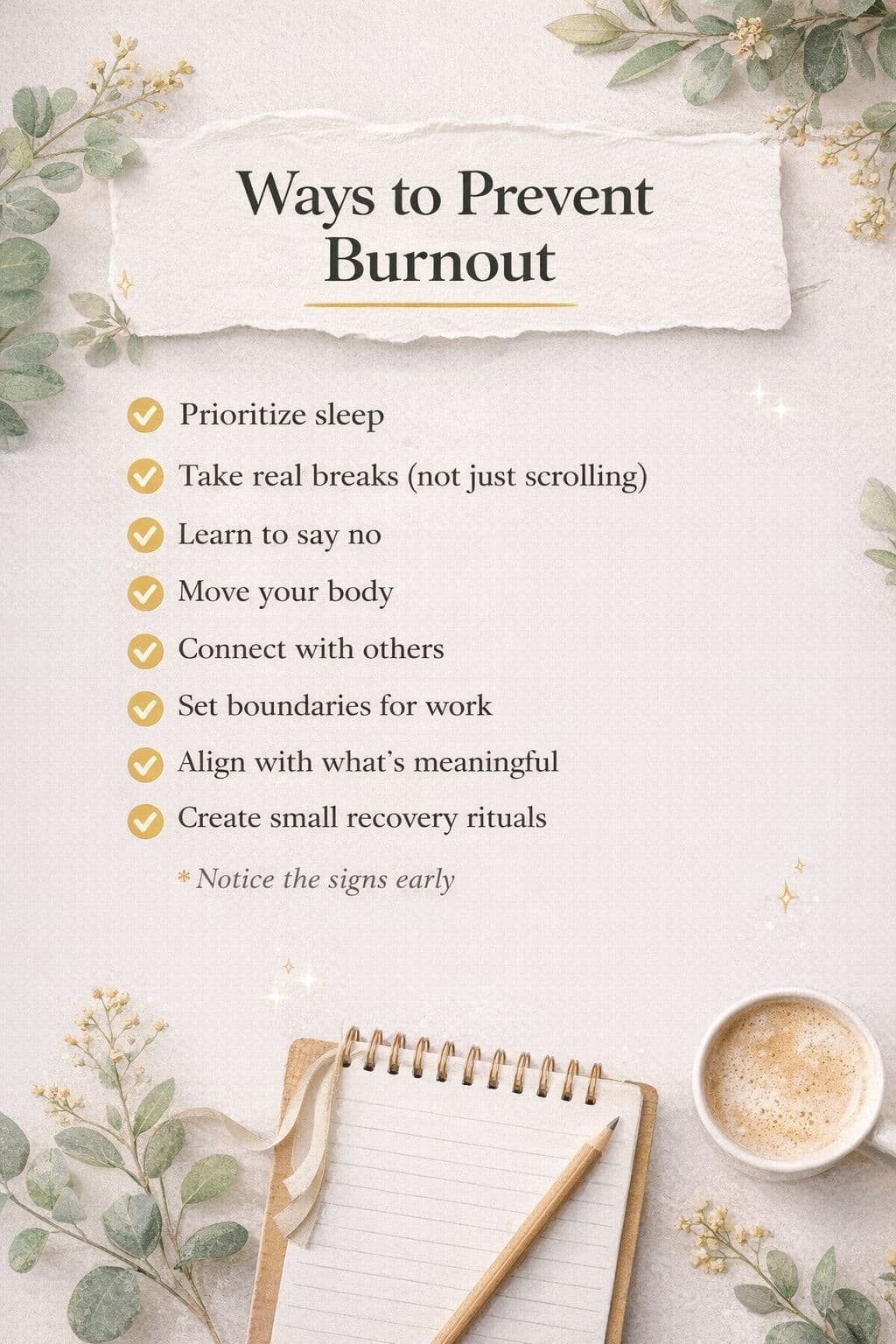
Burnout Begins with Silence: How to Prevent It Before It Breaks You

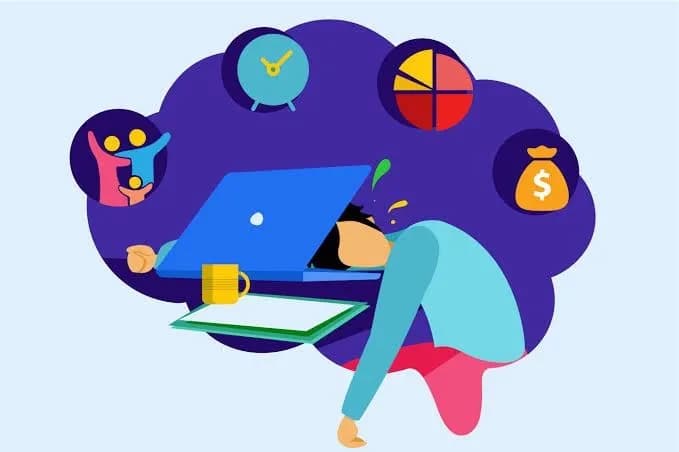
Burnout doesn't begin with exhaustion — it begins with silence, when you ignore your own needs for too long. Learn how to listen to the signs and protect your energy before your body forces you to stop.

Take Nothing Personally: The Healthiest Career and Life Habit

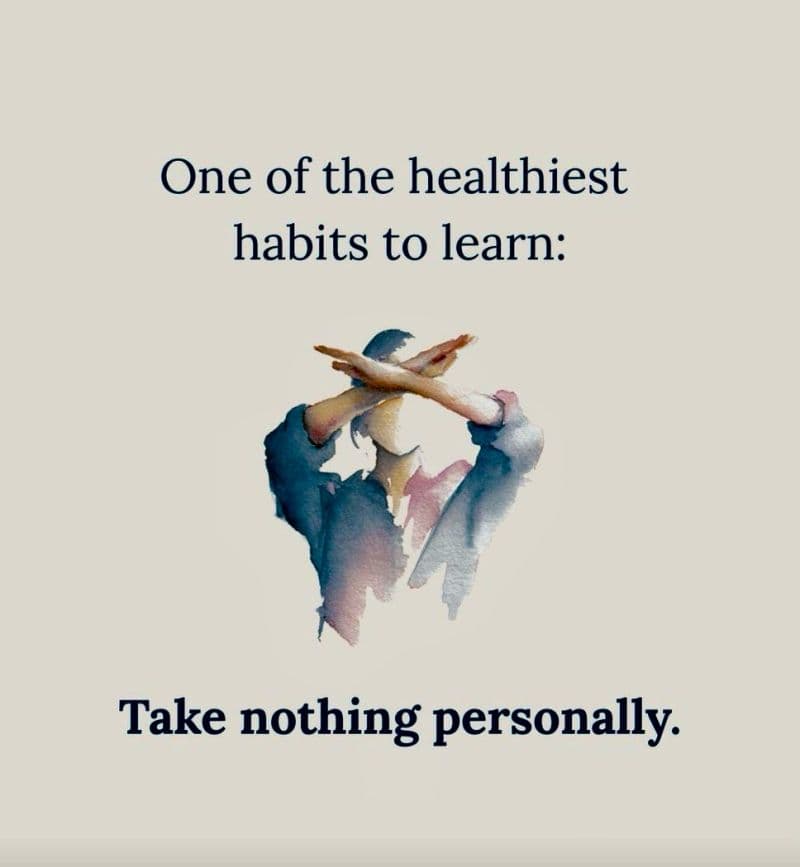
Take Nothing Personally: The Healthiest Career and Life Habit

Not every short reply is disrespect. Not every disagreement is an attack. Emotional intelligence is the ability to pause and ask: is this about my growth or someone else's frustration?

When Telling Your Parents Feels Harder: Finding Your Voice with Family

When Telling Your Parents Feels Harder: Finding Your Voice with Family

The fear of disappointing people you love most can make sharing important decisions feel overwhelming. Research shows family communication becomes increasingly difficult during major life transitions. Learn how to have honest conversations with your parents about decisions that matter to you.

The People Around You Shape the Mind Inside You

The People Around You Shape the Mind Inside You

Relationships influence our inner world more than we realize. Discover how healthy or unhealthy dynamics affect your mental health—and how to choose connection that heals.

The Neuroscience of Burnout: How Overwork Literally Shrinks Your Brain

The Neuroscience of Burnout: How Overwork Literally Shrinks Your Brain

Working more than 55 hours per week increases stroke risk by 33% and literally shrinks brain regions responsible for memory and learning. Research reveals that chronic overwork doesn't just make you tired—it rewires your brain in ways that reduce intelligence, creativity, and decision-making ability. Discover what overwork does to your brain and evidence-based strategies to protect your cognitive health.

The Power of Saying No: A Skill We Don't Talk About Enough

The Power of Saying No: A Skill We Don't Talk About Enough

Saying no is not resistance—it's responsibility. It protects your capacity, clarifies your priorities, and builds emotional maturity. You don't rise by being everywhere. You rise by being fully present where you're meant to be.

The False Empathy Problem: How AI Is Changing What We Expect from Real People

The False Empathy Problem: How AI Is Changing What We Expect from Real People

AI chatbots respond instantly, never interrupt, and provide perfect empathy on demand. Research shows 40% of young adults now prefer AI conversations over human ones. But this artificial emotional perfection is quietly reshaping our expectations of real relationships—and the consequences may be more significant than we realize.

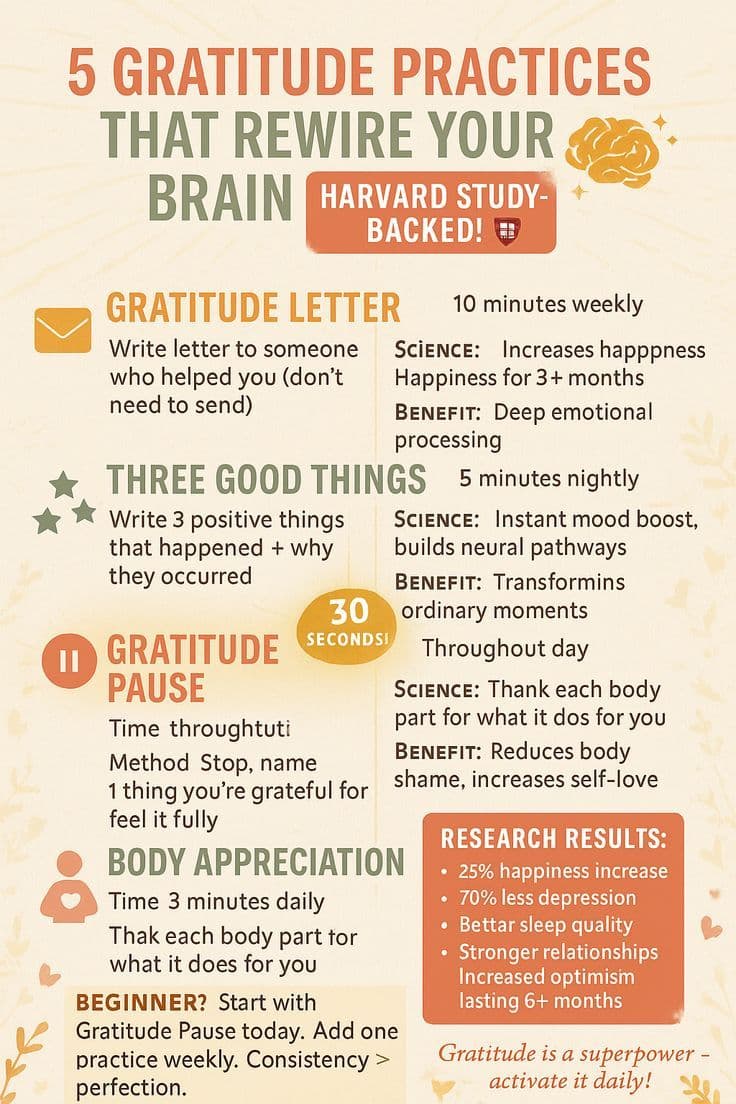
Gratitude as a Trainable Cognitive Process: The Neuroscience Behind Small Wins

Gratitude as a Trainable Cognitive Process: The Neuroscience Behind Small Wins

You wait for big moments to feel grateful — but the brain responds more to small, repeated signals. Research shows consistent gratitude practices improve mood, relationships, sleep, and resilience. The key? Consistency over intensity.

Silent Burnout: The Hidden Weight We Carry

Silent Burnout: The Hidden Weight We Carry

Silent burnout doesn't announce itself with breakdowns—it hides behind smiles and 'I'm fine.' Learn to recognize the quiet signs before exhaustion becomes unbearable.

Frequently Asked Questions

Where does mental-health stigma come from?

Historically, from a mix of religious framing (illness as moral failing), medical framing (institutionalization, silence), and social framing (weakness, unreliability). Different cultures carry different threads of it. The common function is separation — treating people with mental-health conditions as other. Stigma changes when that separation is repeatedly challenged, publicly and privately.

Does anonymous listening actually help with stigma?

For many people, yes — because it removes the specific costs of being identified: workplace risk, insurance records, family reputation, immigration status. Anonymity doesn't make stigma go away, but it makes reaching out possible when it otherwise wouldn't be. LissnUp is designed exactly around that trade.

How can I be less afraid of what people will think if I ask for help?

Two things tend to help: repeated experiences of being met with care (which builds evidence against your fear), and finding communities or people where mental health is openly discussed. Neither is fast. In the meantime, anonymous peer-support like LissnUp is one way to get support without needing to first solve the visibility problem.

How can I help reduce mental-health stigma in my own circle?

The most effective thing most people can do is talk openly and non-clinically about their own emotional life — the ordinary hard days, the times they've been overwhelmed, when they've reached out for support. Personal disclosure from trusted people shifts stigma faster than campaigns do. Only share what you're comfortable sharing.

Bookings are anonymous — no name, no record, no judgment.

LissnUp was built for people who don't want a mental-health record following them around. 15 minutes with a trained listener, text or voice, no identity required, no session notes kept, no advice given. Just being heard.