Curated by the LissnUp Editorial Team

Cultural Expectations

Overview

Every culture teaches its members which emotions are acceptable to show, which ones to hide, and who is allowed to show them. Some of the loudest voices in your head were never yours to begin with. They belong to a parent, a religion, a country, a workplace, a generation — each with strong opinions about what you're supposed to feel and how you're supposed to handle it. Most of us don't recognize those voices as external until something in our own experience runs hard against them. The writing here is about the norms you inherit without noticing, what happens when your feelings don't fit the rules you were handed, and how to tell whose expectations you're actually carrying. Curated by the LissnUp Editorial Team from peer-reviewed sources on culture and psychology.

Cultural Expectations Articles

10 articles
How to Support Someone with Autism or ADHD: What Family and Friends Need to Know

How to Support Someone with Autism or ADHD: What Family and Friends Need to Know

1 in 31 children is diagnosed with autism, and nearly 10% have ADHD. Many family members feel helpless when supporting their loved ones. Learn practical, evidence-based ways to help someone with autism or ADHD thrive at home and in relationships.

The Glorification of Mental Illness: A Harmful Trend

The Glorification of Mental Illness: A Harmful Trend

Social media has normalized romanticizing depression and anxiety through memes and influencer content. Research shows this glorification discourages 67% of young people from seeking professional help. Learn why treating mental illness as an aesthetic hurts real recovery and how to recognize genuine support vs. harmful trends.

What Teens Wish Adults Knew About Mental Health

What Teens Wish Adults Knew About Mental Health

Teens face real mental health challenges that are often dismissed or misunderstood by adults. Here's what they wish adults truly knew about emotional struggles, support, and being heard.

When Telling Your Parents Feels Harder: Finding Your Voice with Family

When Telling Your Parents Feels Harder: Finding Your Voice with Family

The fear of disappointing people you love most can make sharing important decisions feel overwhelming. Research shows family communication becomes increasingly difficult during major life transitions. Learn how to have honest conversations with your parents about decisions that matter to you.

The People Around You Shape the Mind Inside You

The People Around You Shape the Mind Inside You

Relationships influence our inner world more than we realize. Discover how healthy or unhealthy dynamics affect your mental health—and how to choose connection that heals.

How to Handle Peer Pressure: When Friends Want You to Do Things You Don't Want to Do

How to Handle Peer Pressure: When Friends Want You to Do Things You Don't Want to Do

Research shows peer pressure continues into early adulthood, affecting our decisions far beyond teenage years. Whether it's joining activities you don't enjoy or compromising your values to fit in, learn practical strategies to stay true to yourself while maintaining healthy relationships.

Is Working From Home Quietly Impacting Your Mental Health?

Is Working From Home Quietly Impacting Your Mental Health?

Research reveals 56% of remote workers go entire weeks without leaving home, and 25% don't speak to anyone for days. Discover the hidden mental health impacts of working from home and practical solutions including the healing power of connection.

How to Overcome Fear and Anxiety: Why Talking It Out Actually Works

How to Overcome Fear and Anxiety: Why Talking It Out Actually Works

40 million Americans struggle with anxiety disorders, but only 37% receive treatment. Learn why talking through fears with a non-judgmental listener can be as effective as some clinical interventions for managing anxiety.

Why It's So Hard to Say I'm Not Okay

Why It's So Hard to Say I'm Not Okay

Saying 'I'm not okay' can be one of the hardest things to admit—yet it's also one of the most powerful steps toward healing. Here's why it's difficult and why it matters.

Self-Care Isn't a Luxury — It's Maintenance for Your Mind, Body, and Emotions

Self-Care Isn't a Luxury — It's Maintenance for Your Mind, Body, and Emotions

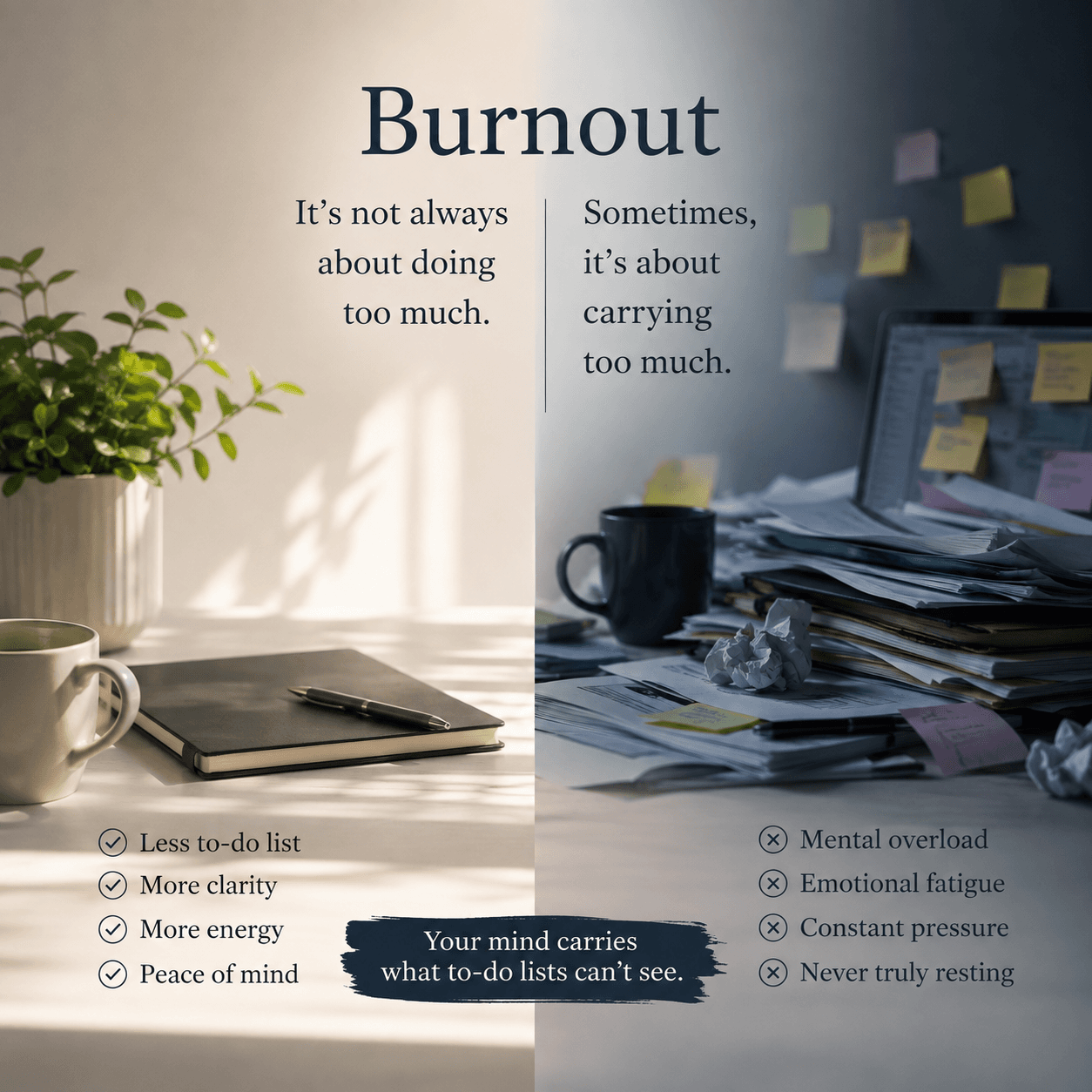
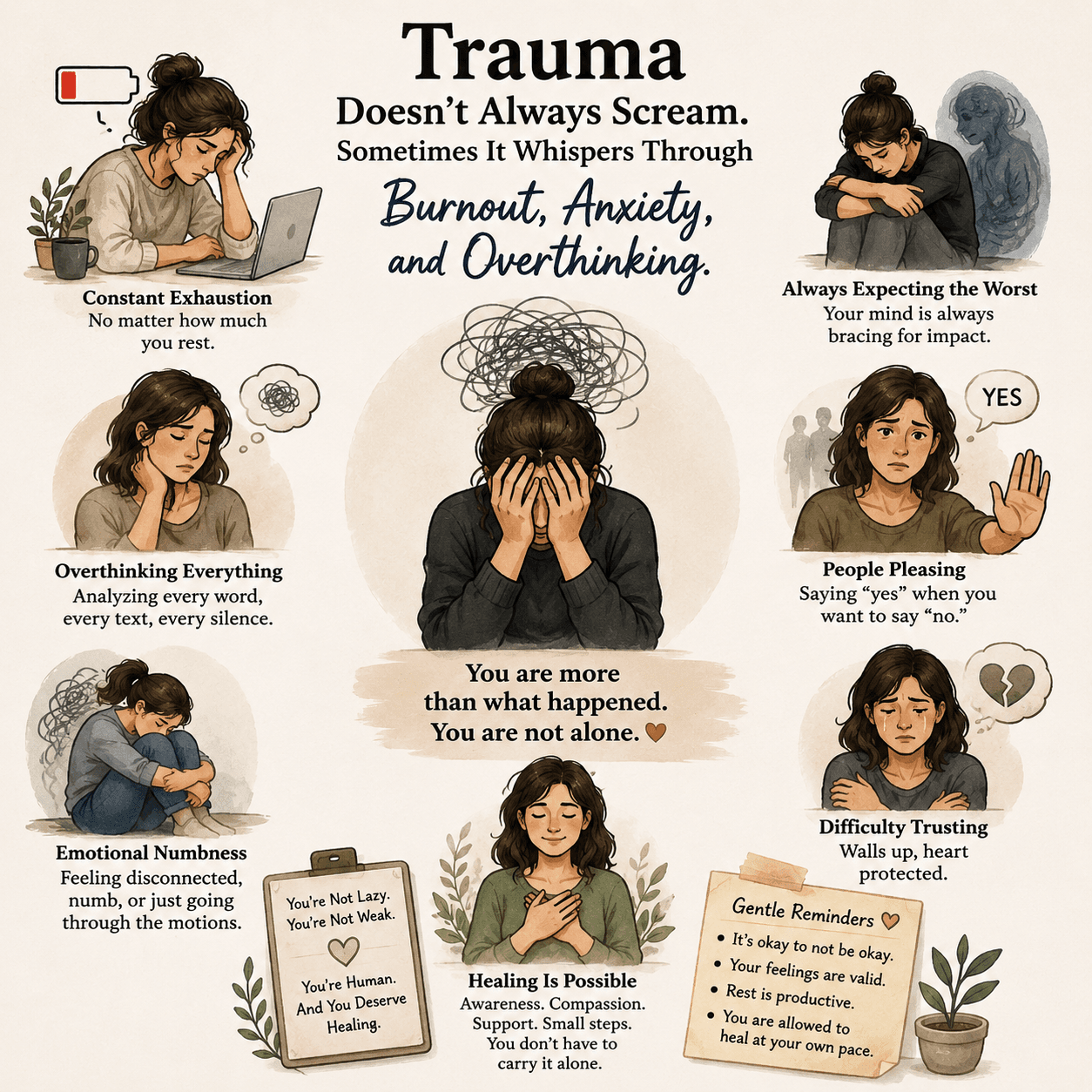
We live in a world that claps for exhaustion and calls burnout 'dedication.' But your body whispers before it screams. Don't wait for the breakdown to justify the break.

Frequently Asked Questions

Do different cultures really have different emotions?

The core emotional experiences seem to be universal, but what people are taught to express, suppress, or interpret them as varies significantly by culture. Some cultures have rich vocabulary for feelings others treat as taboo. Recognizing that your culture shaped how you handle feelings — not just what you feel — is often clarifying.

What if my culture discourages the kind of emotional openness LissnUp involves?

That's common. LissnUp's anonymity is specifically useful here — you can try speaking freely in a private setting without breaking norms publicly. Trained listeners won't judge how you express yourself; they'll meet you where you are. If you're used to indirection or restraint, that's fine. Speak in the register that feels natural.

Can I talk about culturally specific experiences without needing to explain the whole context?

Yes. Trained LissnUp listeners are prepared to hear experiences from any cultural, religious, or community background without needing full context. They won't assume they understand, and they won't ask more than you want to share. What matters is that you feel heard about what's on your mind.

How do I reconcile emotional needs that clash with my family's cultural norms?

That's genuinely hard and doesn't have a universal answer. What can help: acknowledging that both the need and the norm are real, giving yourself permission to hold the tension without immediately resolving it, and finding at least one setting where you can express what you can't at home. Anonymous LissnUp sessions can be one such setting.

Speak in whatever way feels natural — nobody's grading you.

Every culture teaches its own rules for feelings; LissnUp doesn't add another rulebook. Book a 15-minute session — anonymous, confidential, judgment-free. Say what you'd say, in the register you'd say it, without translating for anyone else.