Curated by the LissnUp Editorial Team

Community Stories

Overview

Stories from readers and listeners about what LissnUp has actually been like for them. Every one is anonymized, shared with the person's explicit permission, and edited so no real names or identifying details make it in. No before-and-after promises. No transformation arcs. Just people describing what being heard (or learning to listen) has meant, in their own words, in whatever shape the experience actually took — including the sessions that didn't help, or the ones that helped in ways they didn't expect. If you're wondering whether LissnUp is for someone like you, hearing from someone like you tends to be more useful than another marketing page.

Community Stories Articles

20 articles
Building Emotional Resilience: The Surprising Power of Simply Being Heard

Building Emotional Resilience: The Surprising Power of Simply Being Heard

Research shows that people with strong emotional resilience have 23% better stress recovery and 45% lower anxiety. Discover how feeling genuinely heard builds resilience more effectively than many traditional wellness approaches.

Can Listening Really Heal? The Power of Feeling Safe to Share

Can Listening Really Heal? The Power of Feeling Safe to Share

Being truly heard can reduce anxiety, support trauma recovery, and create emotional safety. Learn how empathetic listening can be a powerful force for healing.

7 Therapist-Inspired Listening Habits That Build Real Human Connection

7 Therapist-Inspired Listening Habits That Build Real Human Connection

Learn 7 practical listening habits inspired by therapy that can deepen relationships, build trust, and make others feel truly heard and safe.

How to Overcome Fear and Anxiety: Why Talking It Out Actually Works

How to Overcome Fear and Anxiety: Why Talking It Out Actually Works

40 million Americans struggle with anxiety disorders, but only 37% receive treatment. Learn why talking through fears with a non-judgmental listener can be as effective as some clinical interventions for managing anxiety.

Breaking Senior Loneliness: How Real Conversations Can Transform Lives

Breaking Senior Loneliness: How Real Conversations Can Transform Lives

43% of seniors experience chronic loneliness, affecting their health as much as smoking 15 cigarettes daily. Discover how genuine conversations and emotional connection can combat isolation and improve wellbeing for aging adults.

Listen to Understand: Why Being Heard Changes Everything

Listen to Understand: Why Being Heard Changes Everything

Not everyone who is quiet has nothing to say. Not everyone who talks a lot feels heard. The way we speak matters — but the way we listen matters even more.

Why Human Connection Still Matters: What AI Can't Replace in Mental Health Support

Why Human Connection Still Matters: What AI Can't Replace in Mental Health Support

In a world where AI can mimic empathy and hold conversations, research shows human connection remains the foundation of therapeutic efficacy. Discover why authentic emotional support requires the irreplaceable warmth of being truly seen by another person.

The False Empathy Problem: How AI Is Changing What We Expect from Real People

The False Empathy Problem: How AI Is Changing What We Expect from Real People

AI chatbots respond instantly, never interrupt, and provide perfect empathy on demand. Research shows 40% of young adults now prefer AI conversations over human ones. But this artificial emotional perfection is quietly reshaping our expectations of real relationships—and the consequences may be more significant than we realize.

Why Can't I Forget Bad Memories? The Science of Painful Memory and Healing

Why Can't I Forget Bad Memories? The Science of Painful Memory and Healing

Research shows that negative memories are processed 5 times more intensely than positive ones, creating lasting imprints that can resurface years later. Your brain's survival system prioritizes painful experiences to protect you from future threats. Learn why this happens, how it affects your daily life, and gentle, evidence-based approaches to healing without erasing your past.

What to Do When Someone Won't Let You Explain: How to Be Heard

What to Do When Someone Won't Let You Explain: How to Be Heard

Being constantly cut off or talked over can make you question if your voice matters. Research shows people feel less heard when others dominate conversations. Learn practical strategies to assert yourself, demand respect, and create space for your truth to be heard.

What to Do When Your Heart Hurts: An Emotional First Aid Guide

What to Do When Your Heart Hurts: An Emotional First Aid Guide

Research shows emotional pain activates the same brain regions as physical pain. Yet 73% of people ignore emotional wounds. Learn why emotional first aid matters and discover 5 practical tools to heal your heart with the same care you'd give a physical injury.

Managing Everyday Anxiety: When You Need Someone to Listen, Not Fix

Managing Everyday Anxiety: When You Need Someone to Listen, Not Fix

31% of adults experience anxiety that interferes with daily life. Discover how talking through anxious thoughts with a non-judgmental listener can reduce symptoms by up to 40% - often more effectively than trying to manage anxiety alone.

The Glorification of Mental Illness: A Harmful Trend

The Glorification of Mental Illness: A Harmful Trend

Social media has normalized romanticizing depression and anxiety through memes and influencer content. Research shows this glorification discourages 67% of young people from seeking professional help. Learn why treating mental illness as an aesthetic hurts real recovery and how to recognize genuine support vs. harmful trends.

How to Support a Loved One with Mental Health Challenges: The Power of Just Listening

How to Support a Loved One with Mental Health Challenges: The Power of Just Listening

68% of people don't know how to help when someone they care about struggles with mental health. Learn evidence-based ways to provide meaningful support through compassionate listening—without trying to fix or solve everything.

How to Support Someone with Autism or ADHD: What Family and Friends Need to Know

How to Support Someone with Autism or ADHD: What Family and Friends Need to Know

1 in 31 children is diagnosed with autism, and nearly 10% have ADHD. Many family members feel helpless when supporting their loved ones. Learn practical, evidence-based ways to help someone with autism or ADHD thrive at home and in relationships.

How to Support Aging Parents Emotionally: When Listening Matters More Than Solutions

How to Support Aging Parents Emotionally: When Listening Matters More Than Solutions

Your aging parent just shared a fear about losing independence, and your first instinct is to solve it. But what if what they really need is someone who will simply listen and understand? Learn why genuine listening creates deeper connection than any solution ever could.

Depression Wears Many Faces: Signs We Often Miss

Depression Wears Many Faces: Signs We Often Miss

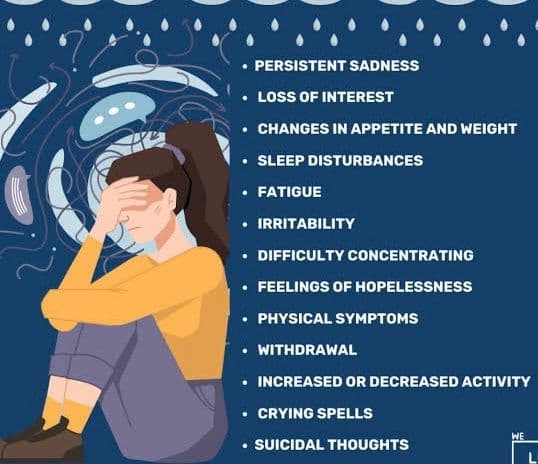
Depression isn't always tears and visible sadness. It can hide behind smiles, exhaustion, and silence. These are the signs we often miss — and why awareness, and a single conversation, can change everything.

The Power of Empathetic Listening

The Power of Empathetic Listening

Empathetic listening is more than a communication tool—it's a healing force that helps people feel seen, safe, and understood. Learn how and why it works.

Stress vs Anxiety: How to Tell the Difference and What to Do About It

Stress vs Anxiety: How to Tell the Difference and What to Do About It

In everyday conversations, we use 'stress' and 'anxiety' interchangeably, but they're clinically distinct. Learn how to tell the difference, recognize symptoms in yourself and others, and discover the right support strategies for each condition.

How Stress Creates Back Pain: When Your Body Signals You Need to Talk

How Stress Creates Back Pain: When Your Body Signals You Need to Talk

Research shows 84% of people experience back pain during high-stress periods. Learn how emotional stress manifests as physical pain and discover healthy outlets for processing stress before it impacts your body.

Frequently Asked Questions

Are the stories in this section real?

Yes — every story is from a real LissnUp reader or listener, shared with their explicit permission. We anonymize identifying details and edit for clarity, but we don't fabricate stories. If a story is a composite of multiple experiences, we label it as such.

Can I share my own story?

Yes, if you want to — participation is entirely optional. The LissnUp community-stories team will guide you through anonymization and give you approval over the final text before anything is published. You can also change your mind at any point before or after publication.

Should I use these stories to decide whether LissnUp is for me?

As one data point, not the whole basis. Every experience is individual — someone else's session went the way it went for them, and yours will be different. The clearest way to know if LissnUp is for you is to try one session. Cost is low, sessions are short, and you can decide from your own experience.

Do listeners have stories too, or only readers?

Both. Trained LissnUp listeners share stories about what it's like to hold space professionally — what they've learned, what surprised them, how the work has shaped them. Those stories are useful reading for anyone considering becoming a listener, and for readers who want to understand who's on the other end of a session.

Book a session and see what your own experience is like.

Every story here is one person's. Yours will be its own. Book 15 minutes with a trained LissnUp listener — anonymous, confidential, no advice — and find out what being heard sounds like for you.