Curated by the LissnUp Editorial Team

Being Vulnerable

Overview

Being vulnerable is a decision most people make imperfectly and repeatedly, not once. It's letting someone see the part of you that isn't polished, holding still while they respond, and trusting that what happens next won't cost more than you can afford. The risk is real and it's specific: being dismissed, being remembered differently, having your softness used against you later. Most people learn early which of those has already happened to them, and they carry the memory into every new attempt. Which is why vulnerability isn't a thing you have or don't — it's a practice you get better at when the receiving end feels safe enough to try again. Curated by the LissnUp Editorial Team from peer-reviewed research on emotional intimacy.

Being Vulnerable Articles

19 articles
Learning to Open Up

Learning to Open Up

Opening up emotionally takes practice—but it’s a skill anyone can build. Learn how to take small steps toward vulnerability and emotional connection.

The Quiet Pain of Being Unheard: When Silence Becomes Self-Protection

The Quiet Pain of Being Unheard: When Silence Becomes Self-Protection

Being unheard doesn't happen in one moment. It happens slowly — when your feelings are brushed aside, your vulnerability met with distraction, and your voice learns to shrink. But your emotions are not too heavy. They've just been waiting for someone who truly listens.

Imposter Syndrome: How to Stop Feeling Like You Don't Deserve Your Success

Imposter Syndrome: How to Stop Feeling Like You Don't Deserve Your Success

Research shows 70% of people experience imposter syndrome at some point, with high achievers most affected. That voice saying 'I don't belong here' or 'I just got lucky' isn't protecting you—it's limiting your potential. Learn practical strategies to recognize imposter syndrome and reclaim confidence in your achievements.

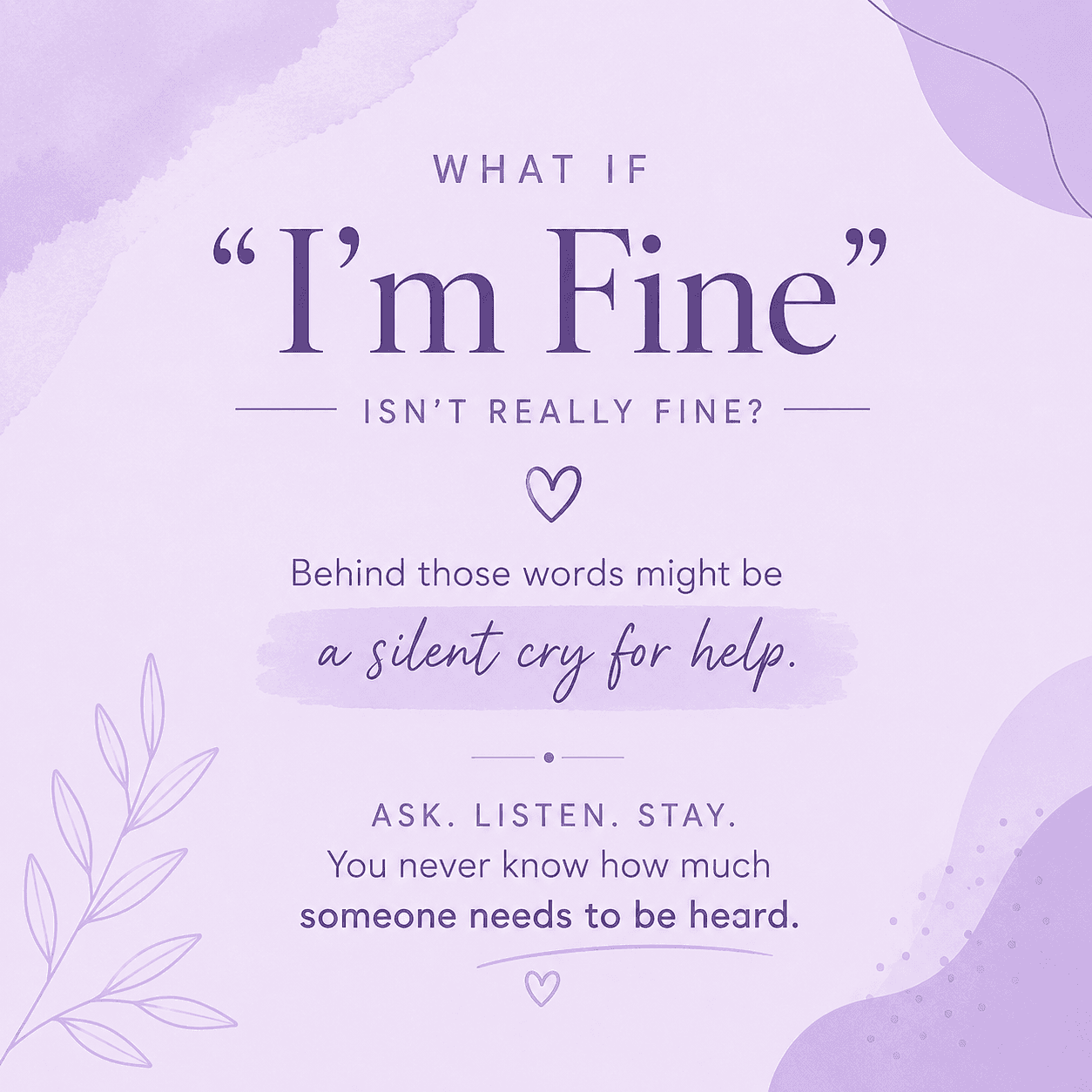
Why It's So Hard to Say I'm Not Okay

Why It's So Hard to Say I'm Not Okay

Saying 'I'm not okay' can be one of the hardest things to admit—yet it's also one of the most powerful steps toward healing. Here's why it's difficult and why it matters.

Building Emotional Resilience: The Surprising Power of Simply Being Heard

Building Emotional Resilience: The Surprising Power of Simply Being Heard

Research shows that people with strong emotional resilience have 23% better stress recovery and 45% lower anxiety. Discover how feeling genuinely heard builds resilience more effectively than many traditional wellness approaches.

What to Do When Someone Won't Let You Explain: How to Be Heard

What to Do When Someone Won't Let You Explain: How to Be Heard

Being constantly cut off or talked over can make you question if your voice matters. Research shows people feel less heard when others dominate conversations. Learn practical strategies to assert yourself, demand respect, and create space for your truth to be heard.

How to Handle Peer Pressure: When Friends Want You to Do Things You Don't Want to Do

How to Handle Peer Pressure: When Friends Want You to Do Things You Don't Want to Do

Research shows peer pressure continues into early adulthood, affecting our decisions far beyond teenage years. Whether it's joining activities you don't enjoy or compromising your values to fit in, learn practical strategies to stay true to yourself while maintaining healthy relationships.

Say It Out Loud: Why Opening Up About Your Feelings Matters

Say It Out Loud: Why Opening Up About Your Feelings Matters

Sharing your emotions builds confidence, deepens connection, and creates space for healing. Here's why opening up to someone who listens can change everything.

How to Support Aging Parents Emotionally: When Listening Matters More Than Solutions

How to Support Aging Parents Emotionally: When Listening Matters More Than Solutions

Your aging parent just shared a fear about losing independence, and your first instinct is to solve it. But what if what they really need is someone who will simply listen and understand? Learn why genuine listening creates deeper connection than any solution ever could.

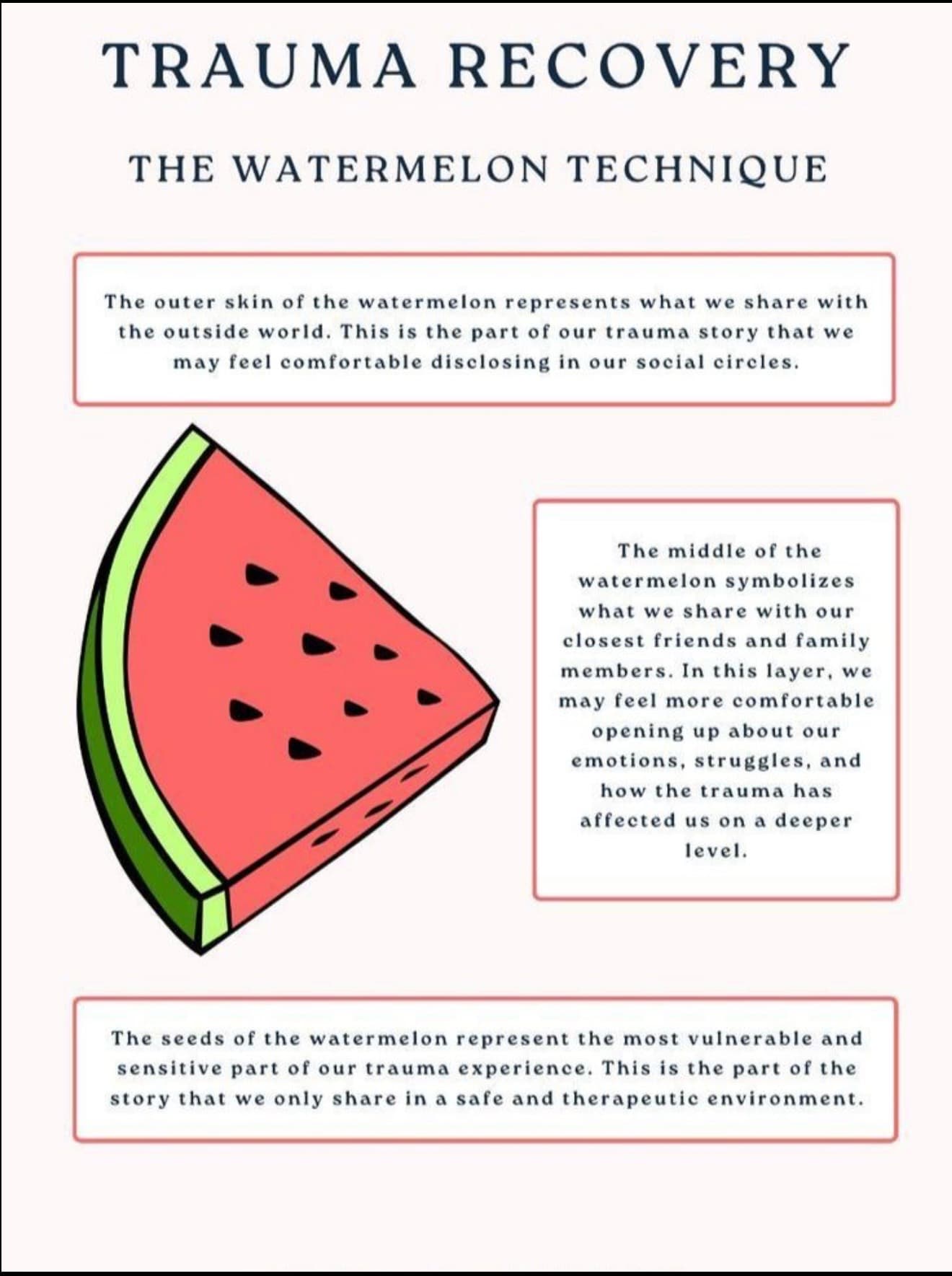
Trauma Recovery The Watermelon Technique

Trauma Recovery The Watermelon Technique

Healing from trauma isn't measured by how openly you talk about it. The Watermelon Technique offers a gentle metaphor for understanding the different layers of your story — and why you get to decide who earns access to each one.

The People Around You Shape the Mind Inside You

The People Around You Shape the Mind Inside You

Relationships influence our inner world more than we realize. Discover how healthy or unhealthy dynamics affect your mental health—and how to choose connection that heals.

How Childhood Trauma Affects You as an Adult: Signs and Healing

How Childhood Trauma Affects You as an Adult: Signs and Healing

Research shows 64% of adults experienced at least one adverse childhood experience (ACE). Adults with 4+ ACEs are 12 times more likely to develop depression, anxiety, and health issues. Learn how childhood trauma shapes your adult life and discover evidence-based paths to healing.

When Telling Your Parents Feels Harder: Finding Your Voice with Family

When Telling Your Parents Feels Harder: Finding Your Voice with Family

The fear of disappointing people you love most can make sharing important decisions feel overwhelming. Research shows family communication becomes increasingly difficult during major life transitions. Learn how to have honest conversations with your parents about decisions that matter to you.

How to Support a Loved One with Mental Health Challenges: The Power of Just Listening

How to Support a Loved One with Mental Health Challenges: The Power of Just Listening

68% of people don't know how to help when someone they care about struggles with mental health. Learn evidence-based ways to provide meaningful support through compassionate listening—without trying to fix or solve everything.

Breaking Senior Loneliness: How Real Conversations Can Transform Lives

Breaking Senior Loneliness: How Real Conversations Can Transform Lives

43% of seniors experience chronic loneliness, affecting their health as much as smoking 15 cigarettes daily. Discover how genuine conversations and emotional connection can combat isolation and improve wellbeing for aging adults.

Managing Everyday Anxiety: When You Need Someone to Listen, Not Fix

Managing Everyday Anxiety: When You Need Someone to Listen, Not Fix

31% of adults experience anxiety that interferes with daily life. Discover how talking through anxious thoughts with a non-judgmental listener can reduce symptoms by up to 40% - often more effectively than trying to manage anxiety alone.

Why You Act the Way You Do in Relationships: Understanding Attachment Styles

Why You Act the Way You Do in Relationships: Understanding Attachment Styles

Ever wonder why some people cling while others pull away in relationships? Your attachment style, formed in early childhood, shapes every relationship you have. Learn the 4 attachment styles and discover how understanding yours can transform your connections with others.

Gaslighting vs Respectful Communication: Why the Words We Choose Matter

Gaslighting vs Respectful Communication: Why the Words We Choose Matter

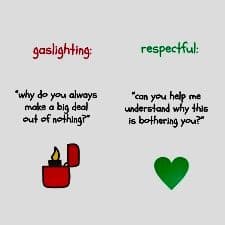
In difficult conversations, our words can either create clarity or cause confusion. Gaslighting seeks control. Respect seeks connection. Words are powerful—choose the ones that heal, not the ones that harm.

How Trauma Affects Your Body and Mind Years Later

How Trauma Affects Your Body and Mind Years Later

Research shows that 64% of adults experienced at least one adverse childhood experience, with those having 4+ ACEs facing 12 times higher risk of depression and suicide attempts. Trauma doesn't just affect your mind—it reshapes your body's stress response, immune system, and physical health for decades.

Frequently Asked Questions

Why does opening up feel dangerous even when nothing bad has happened?

Because opening up isn't about the current person — it's about every past experience of being vulnerable, going back to childhood. If early attempts at openness were met with dismissal, ridicule, or punishment, your body remembers even if you don't. That's not weakness; it's how humans learn. It also means practice can rewire the response.

Is it possible to be too open emotionally?

Yes. Openness without discernment can put you in situations you didn't choose — sharing something intimate with a boss who then treats you differently, opening up to someone who brings it up later as a weapon, over-explaining yourself to someone who was never a safe audience. The skill isn't opening less; it's reading the receiver before opening. Anonymous LissnUp sessions are one of the few settings where high openness is safe by design, because the listener has no ability to use what you share against you.

How do I open up when I don't fully know what I'm feeling?

Start with what you notice: 'Something feels off,' 'I've been avoiding this,' 'I don't know how to name it.' Not knowing is real information. Trained LissnUp listeners are used to sessions that begin exactly there. Speaking the not-knowing often opens the door to what's underneath it.

Can I open up to a stranger more easily than to people I know?

Many people find they can. Strangers carry no history with you, have no ongoing relationship to protect, and no way to hold what you say against you. That's part of why anonymous peer-support like LissnUp works — the very things that make loved ones hard to open up to are absent.

Practice being heard by someone who has no history with you.

Opening up gets easier with a listener who carries no expectations, no memory of past conversations, and no stake in how it goes. Book a 15-minute session — anonymous, confidential, judgment-free. A low-stakes place to try.