Curated by the LissnUp Editorial Team
Can't Stop Scrolling
Overview
You pick up the phone without deciding to. You open the app, close it, open it again thirty seconds later. Hours vanish and you can't quite account for them. You know it isn't helping, and you still can't put it down. The writing here is about the compulsive side of social media — the doom-scrolling, the autopilot phone-checking, the feeling of being run by an app you technically installed on purpose. Nothing here shames you for getting caught in a system built to catch you. It's built to catch you. Naming that is where getting out from under it starts. Curated by the LissnUp Editorial Team from peer-reviewed research on attention and behavior.











Frequently Asked Questions
Am I addicted to my phone?
Addiction is a specific clinical term and only a clinician can diagnose it. But if your phone use is compulsive (feels out of your control), continues despite negative effects on sleep or relationships, and you've tried to cut back and failed — you're describing patterns that behave like addiction, whatever the label. Treating them seriously is worth it either way.
Why can't I stop doom-scrolling even when I know it's making me feel worse?
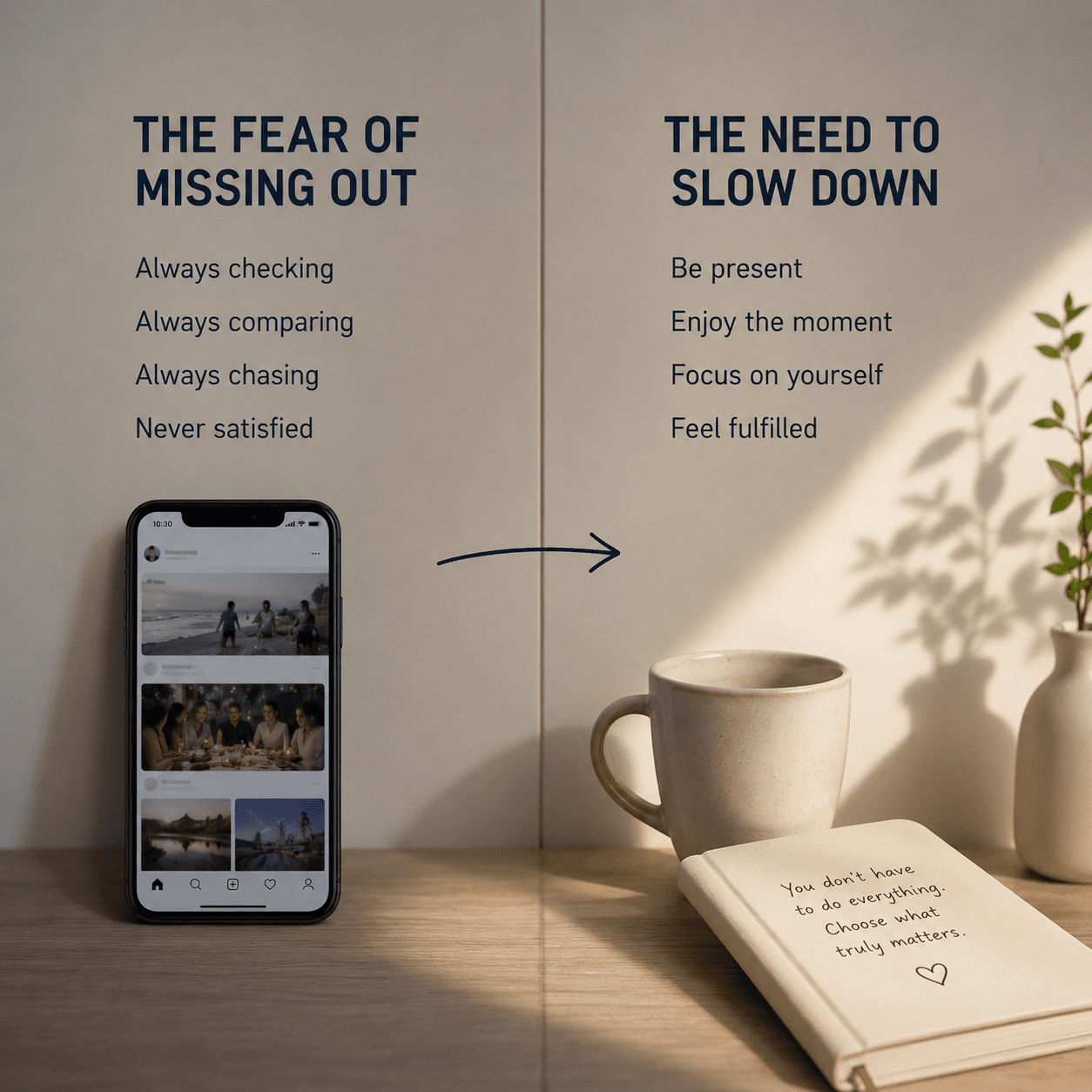
Because your brain gets a hit of novelty and mild anxiety from every new post — a combination the platforms deliberately engineer. It's the same variable-reward pattern that makes slot machines addictive. Knowing this doesn't stop the pull. Reducing exposure (physical distance, app deletion, grayscale mode) works better than willpower alone.
What actually works for cutting down phone use?
The evidence-based approaches: create physical distance (phone in another room), reduce novelty (turn off notifications, remove color from your screen, uninstall the highest-pull apps), replace the behavior rather than just remove it (have something specific to do in the pockets of time you used to scroll), and expect the first two weeks to feel worse before they feel better.
Is a digital detox necessary or is that overkill?
A full detox works for some people and backfires for others (the rebound after can be worse). What tends to help more sustainably is a gradual reset — reducing use, changing patterns, then holding those changes. Most 'digital detox' benefits come from changes you keep after the detox ends, not from the detox itself. Talking through what's actually driving your use often matters more than the specific plan.
Put the phone down. Say what's actually going on.
The urge to scroll is often the urge to feel something — or not feel something. Book a 15-minute session with a trained listener. Anonymous, confidential, no advice. Talk instead of scroll for 15 minutes and see how different that feels.