Curated by the LissnUp Editorial Team
Self-Worth
Overview
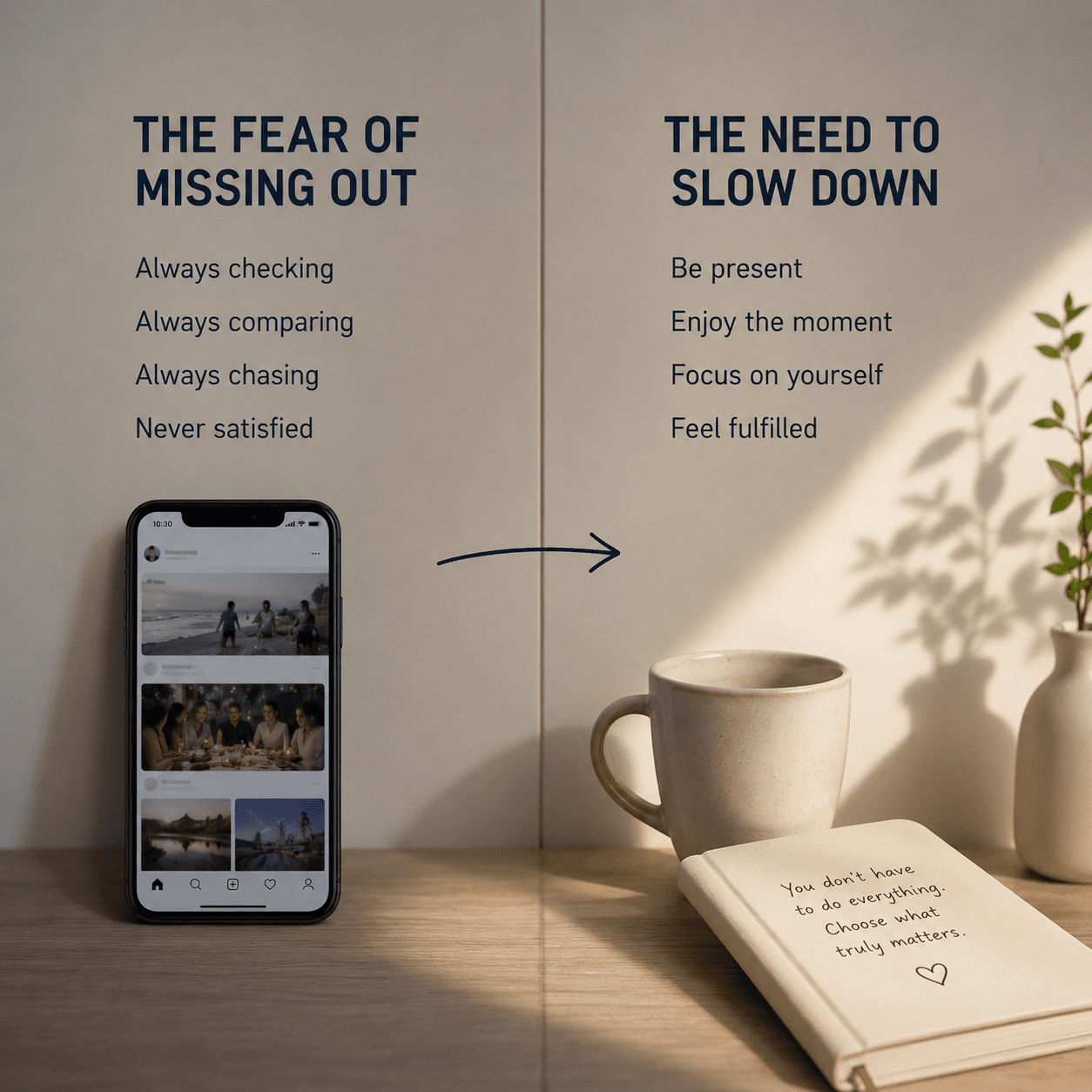
Social media is a comparison machine. Every scroll is a small referendum on whether you measure up — to your friends, to strangers who seem to be doing better, to older versions of yourself that got a lot of likes. Even people who understand exactly how the mechanism works still feel the sting when it's aimed at them. The writing here is about what happens when your self-worth starts to run on the feed's approval: the ache of a post that didn't perform, the private math of engagement metrics, the way seeing someone outdo you leaves a taste in your mouth that lasts longer than the scroll. Curated by the LissnUp Editorial Team, drawn from peer-reviewed research on social media and self-esteem.




Frequently Asked Questions
Why does scrolling social media make me feel worse about myself?
Because your brain is built to compare, and social media serves you an endless stream of comparison targets — but only their curated best. You're comparing your ordinary inside to their edited outside, hundreds of times a day, mostly without noticing. Even knowing this doesn't fully stop the effect; awareness helps, distance helps more.
Is it normal to feel bad when my posts don't get many likes?
Yes — because the platforms are designed to make you feel that way. Likes trigger the same dopamine circuits as social approval in real life, and low engagement registers as social rejection to your brain even when you know it doesn't mean anything. Feeling it doesn't make you shallow; the design makes it almost unavoidable.
How do I stop comparing myself to people on Instagram?
Fully stopping is hard because the comparison happens before you notice. What tends to help most: reducing exposure (fewer accounts, less time), curating your feed to remove worst-offender content, and building non-comparative sources of self-worth (real connection, work you care about, private accomplishments). Talking about the comparisons out loud — even to a LissnUp listener — often takes some of the sting out.
Is social media damaging my kid's self-esteem?
Research increasingly suggests yes, especially for teen girls on image-heavy platforms. Meta's own internal research (leaked 2021) found Instagram worsens body image for 1 in 3 teen girls. If you're worried about your kid, the most protective factors are open conversation about what they're seeing, limits on when/how they use it, and modeling healthy tech use yourself. Punitive restrictions alone often backfire.
The feed keeps score. LissnUp doesn't.
Book a 15-minute session with a trained listener — no likes, no metrics, no comparison. Anonymous, confidential, judgment-free. Just space to say out loud what social media is doing to how you see yourself.