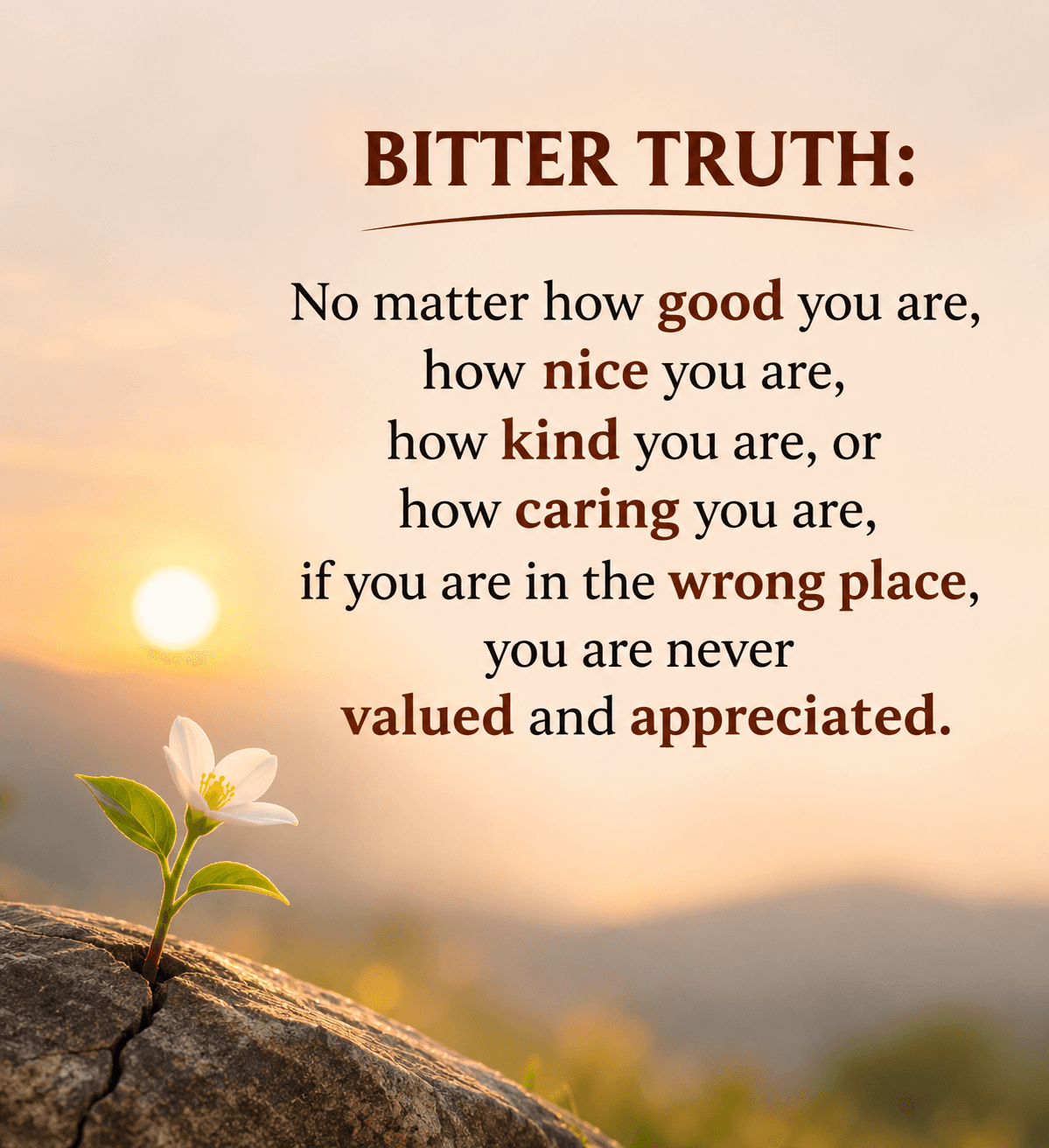
Giving your best to people who don't notice it is one of the quieter forms of self-erasure and it's hard to name until you're already running low. This post is about what it actually means to know your worth, what walking away from the wrong people is and isn't, and why keeping your heart open doesn't require keeping every door open too.
The Part Nobody Tells You About Being a Good Person
What Kindness in the Wrong Place Actually Looks Like
Walking Away Isn't What You Think It Is
Being Kind Without Losing Yourself
Why does my kindness keep getting mistaken for weakness?
It's usually a mismatch between the people you're giving to, not a flaw in what you're giving. Some people read accommodation and patience as a signal that there's no cost to taking not because you're weak, but because you haven't yet made the cost visible. That's not a character problem; it's a signal to recalibrate who gets access to your generosity.
How do I actually know when it's time to stop trying with someone?
One useful marker: notice whether you feel seen or whether you feel constantly managed. When you're mostly explaining yourself, repeatedly forgiving the same behavior, or shrinking so a relationship can function, that's the answer. It's not about reaching a threshold of pain it's about honest observation of the pattern.
Isn't walking away from people giving up?
Not the same thing. Giving up is quitting something that could work if you stayed with it. Walking away is recognizing a situation for what it is not what you hoped it would become. The two feel similar in the moment, which is why the distinction matters: one is avoidance, the other is clarity.
How do I stop feeling guilty for choosing myself?
Guilt here usually means your self-worth has been tied, over time, to being available and useful to others. Choosing yourself starts to feel selfish because somewhere along the way, putting yourself last got repackaged as the virtuous option. That repackaging is worth examining preferably out loud, with someone who isn't part of the dynamic.
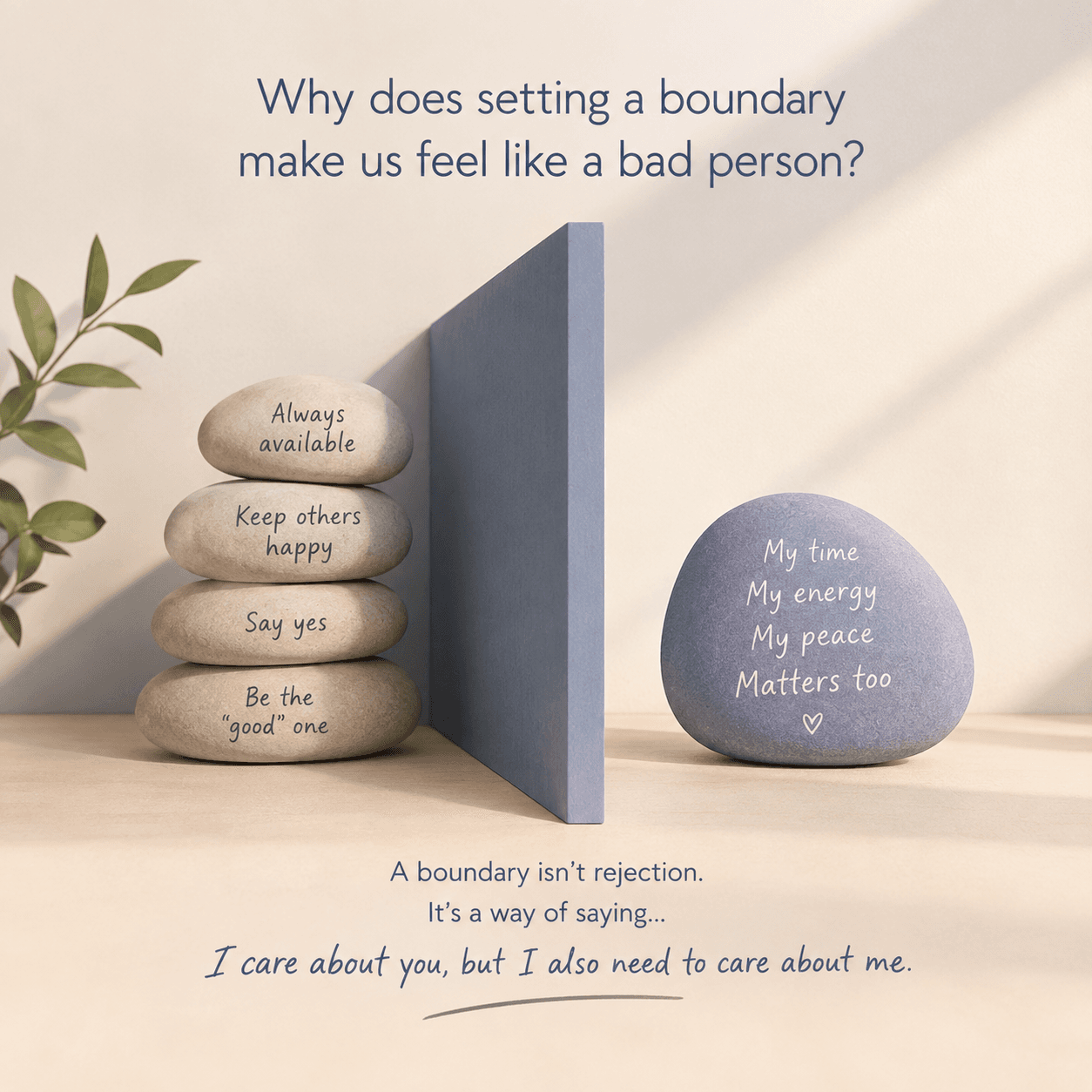
Can I still be kind if I set firm boundaries?
Yes, and the two aren't in tension. A boundary doesn't mean you stop caring it means you care about the relationship enough to be honest about what you can sustain. People who mistake your boundaries for coldness are often the same people who benefited most from their absence.